Ruifa Modular House Ruifa Modular House
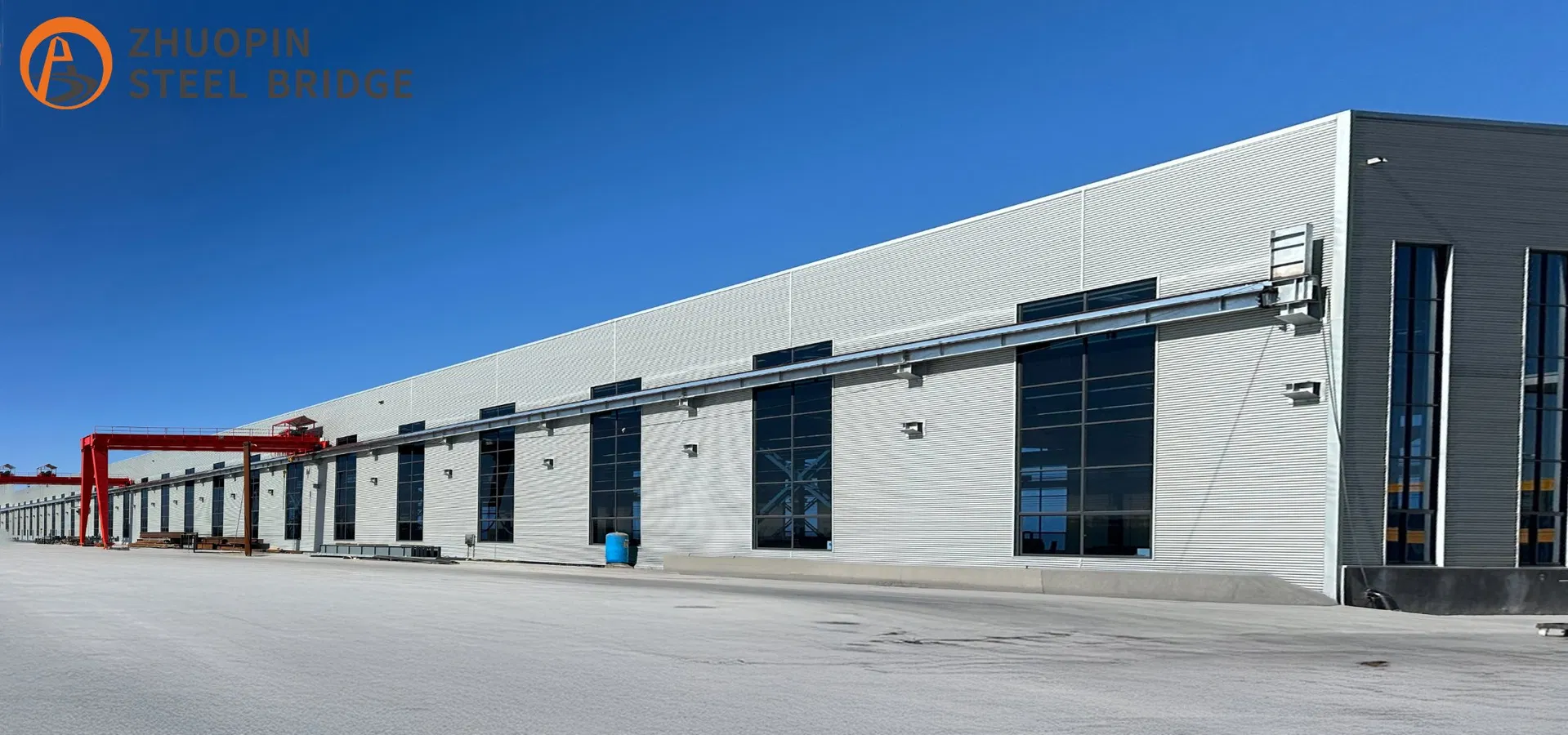
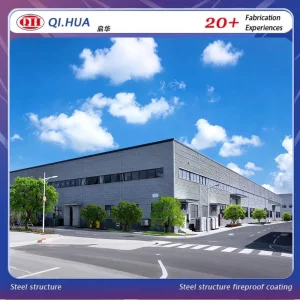
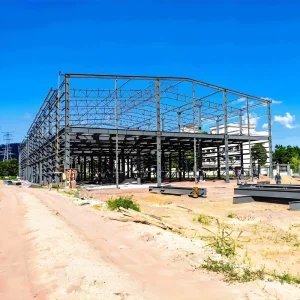
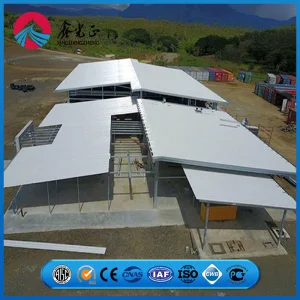
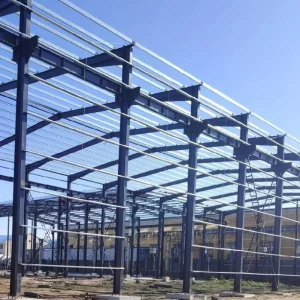
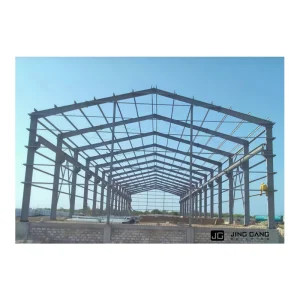
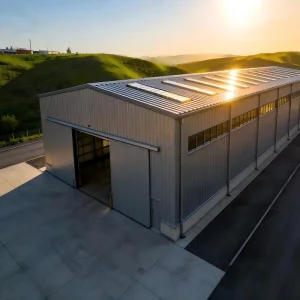
Pre-Engineered Steel Structure Workshop /Steel Warehouse /Steel Building/Prefabricated Steel Structure

Customization: Available
After-sales Service: as Per Design Life Circle
Layers: Single-Layer

Product Description

📊

Basic Specifications

Usage:
Specialized Workshop, Customized Design
Surface Treatment:
Painted & Galvanizing
Standard:
Aws D1.1/ En1090
Design Services:
Free Design
Structure Types:
Latticetruss, Portal Frame, Suspended
Production Capacity:
20,000.00 Metric Tons
Package Size:
1200.00cm * 240.00cm * 259.00cm
Gross Weight:
25000.000kg
🏗️

Product Overview

Industrial Steel Buildings

Industrial Steel Buildings | Steel workshop | Steel Shed | Steel Frame | Steel Warehouse

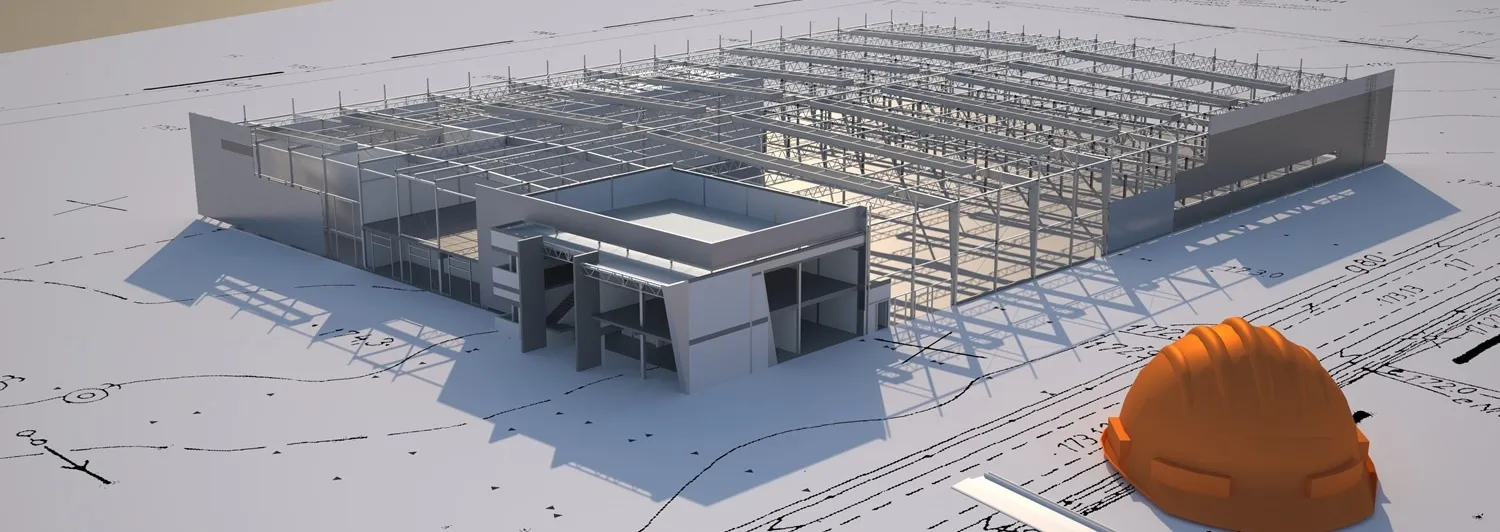
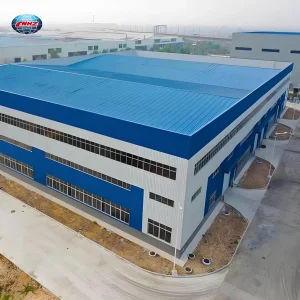
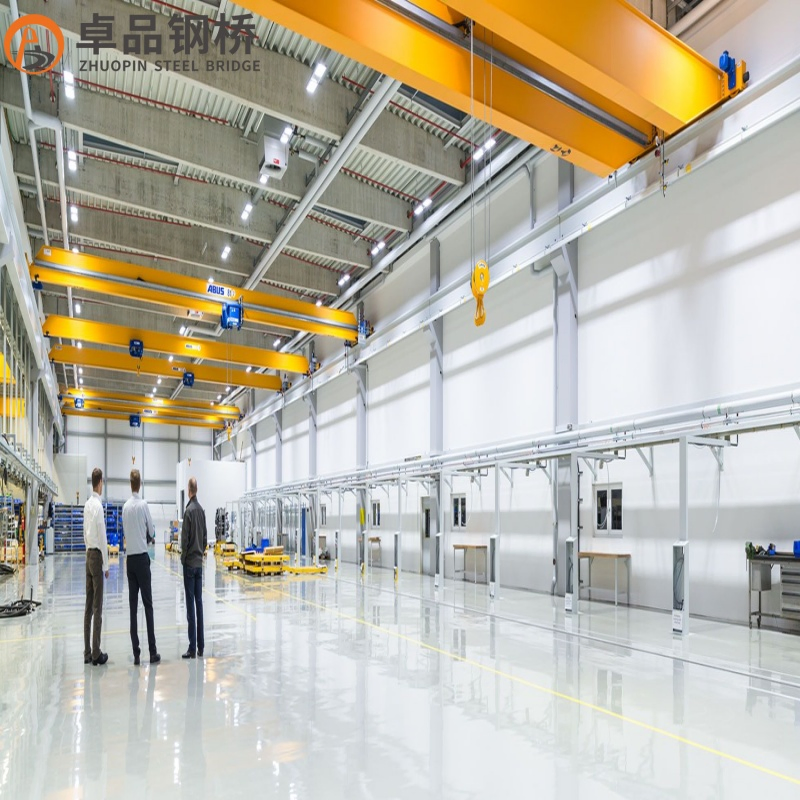
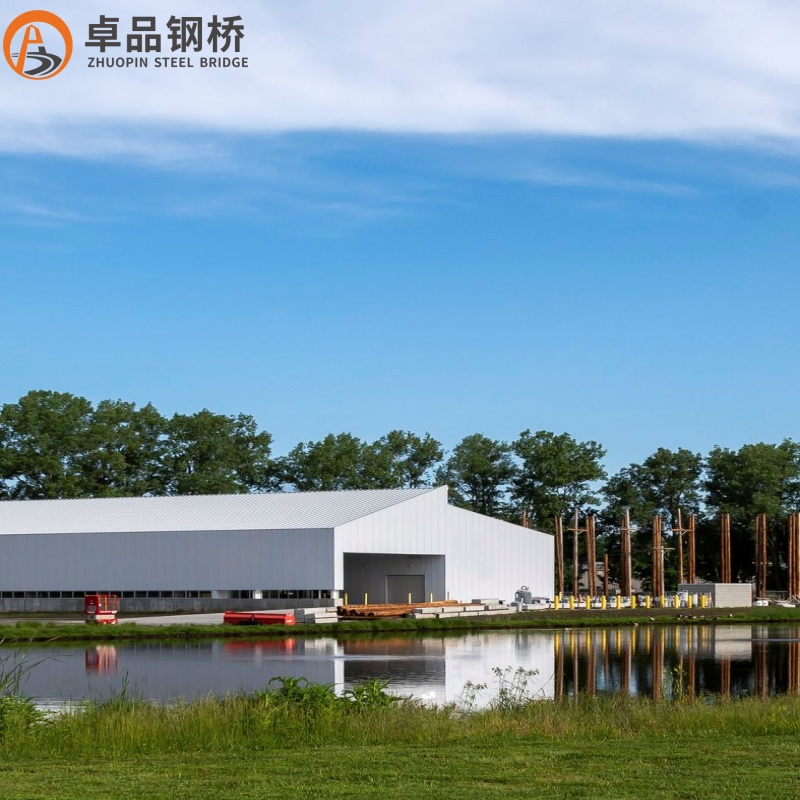
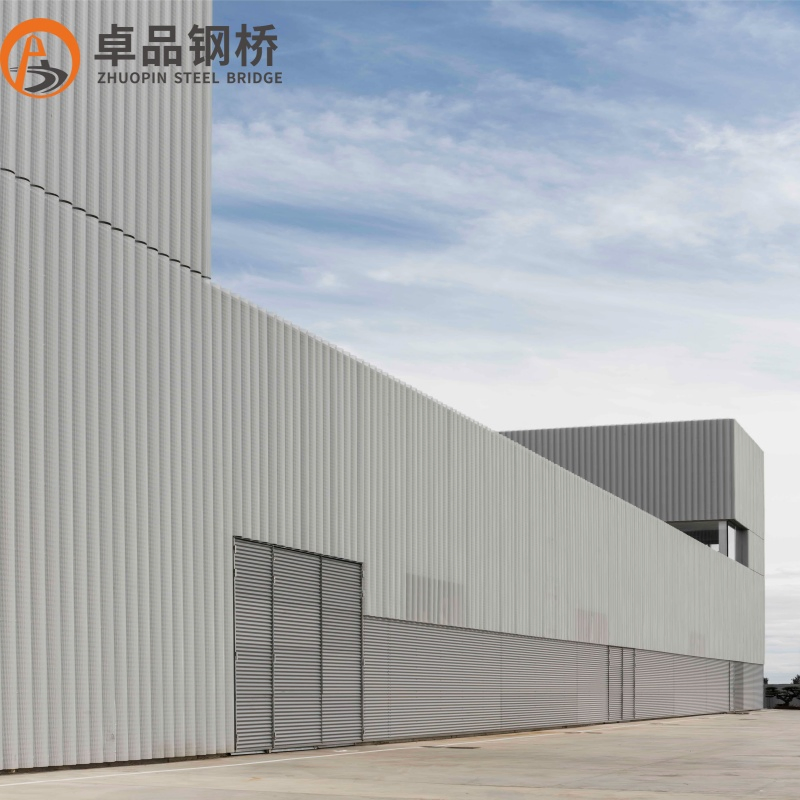
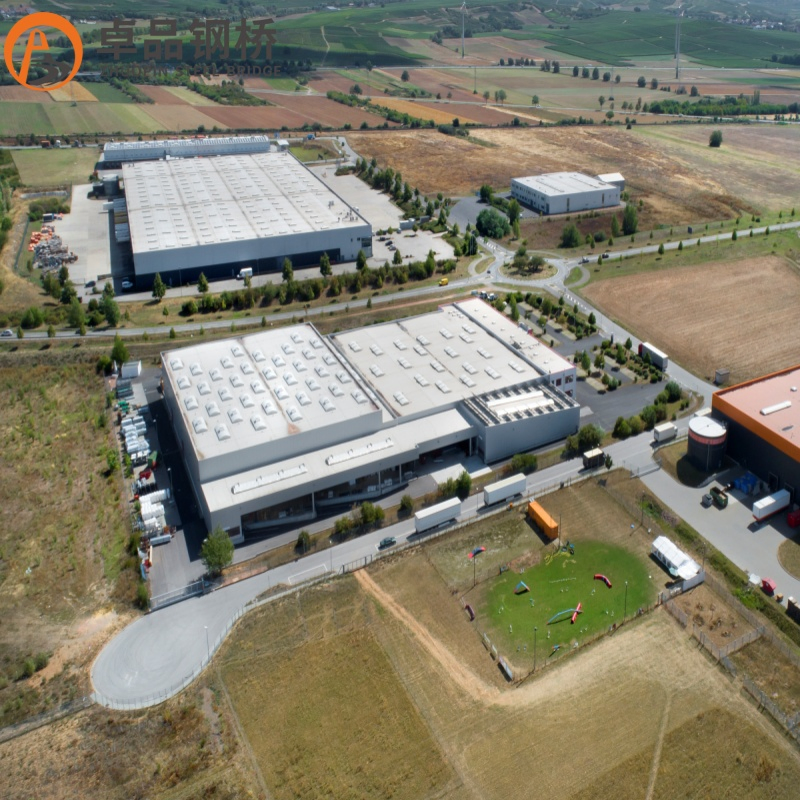
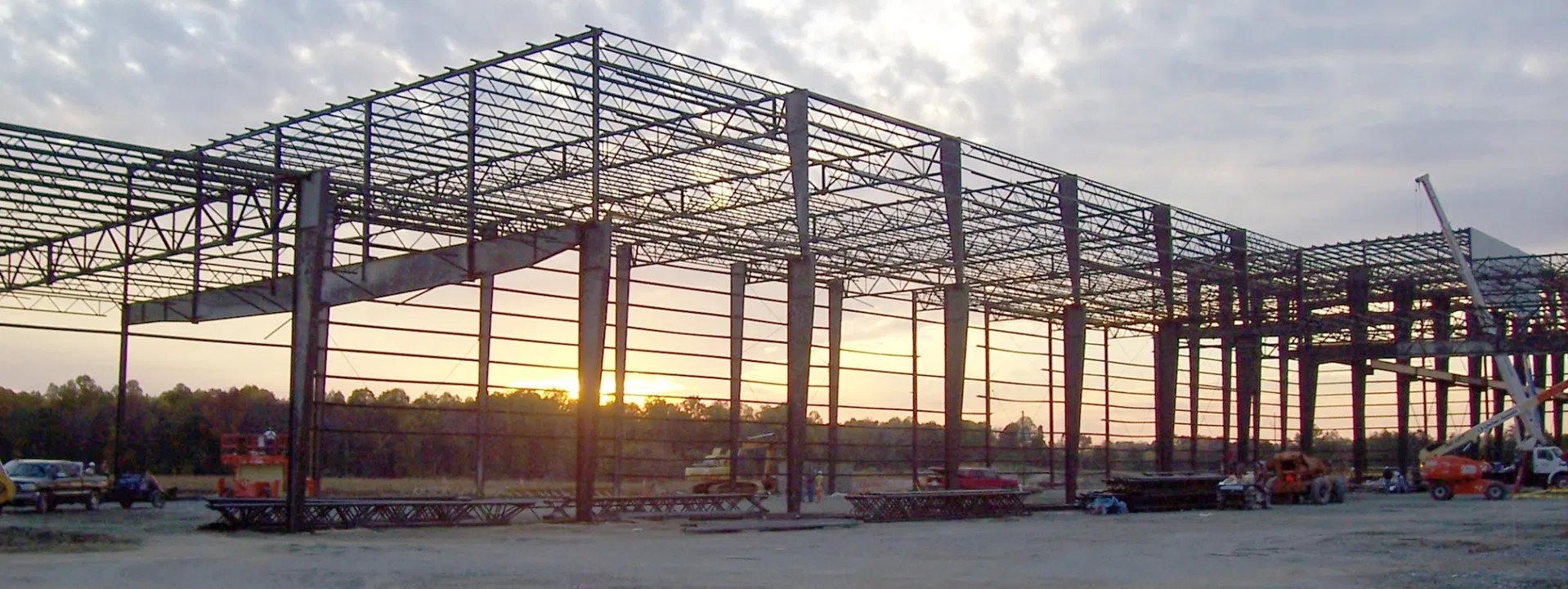
Steel Structure buildings are the largest sector of the global industrial construction market, representing upwards of 70% of total activity. These buildings are typically used for workshops, factories, industrial and distribution warehouses and retail and leisure. Sizes vary from small workshops of just a few hundred square meters up to massive distribution warehouses covering over one hundred thousand square meters.

Modern industrial steel structure buildings taking advantage of the latest advances in automated fabrication and construction techniques can provide economic solutions to the demands of safety, rapid construction, aesthetics, shallow construction depth, minimal maintenance and flexibility in future use.

🌱

Sustainability Priorities

-- Economic Priorities

  • Efficient use of resources
  • Minimum disruption & Durability
  • Adaptability

-- Environmental Priorities

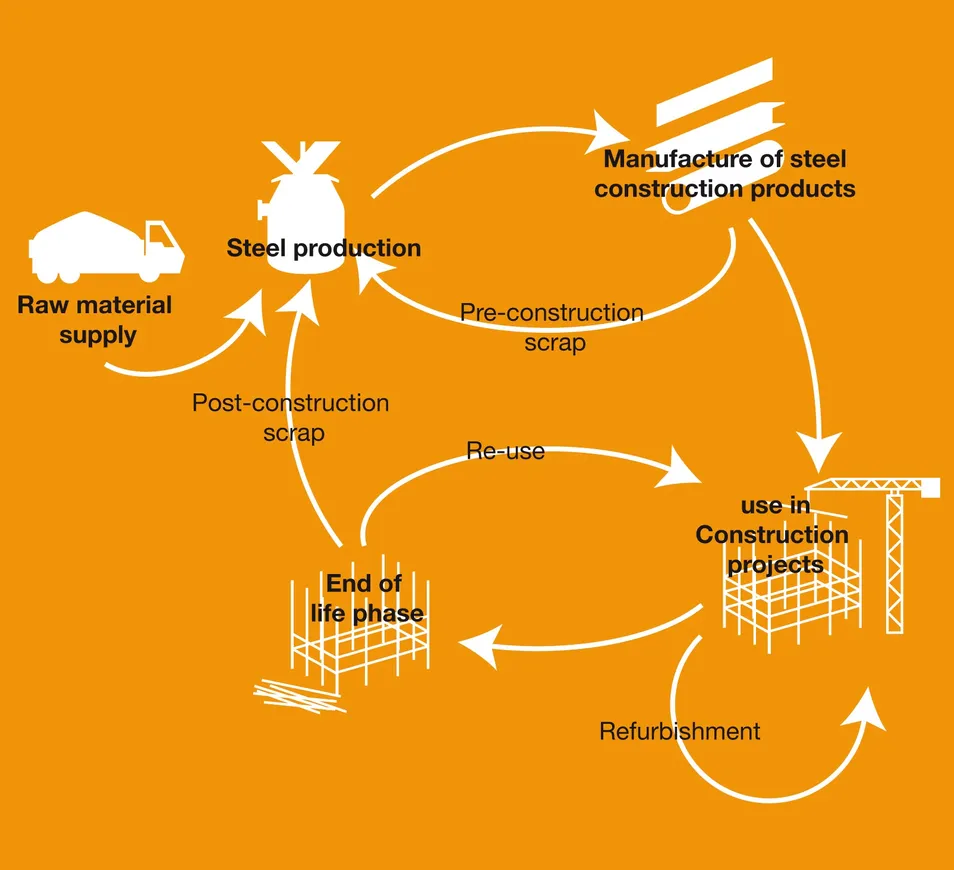
  • Recycling and re-use
  • Minimum CO2 energy burdens
  • Minimum waste & Lightweight construction
Sustainability in Steel
📐

Design & Technical Features

Design Stage

Key Features:

  • Size: Web plate 6MM-100MM; Flange plate 6-100MM
  • Materials: ASTM A572 Gr50/A36, S355JR, Q235B, Q355B
  • Fabrication Standard: AWS D1.1 | ISO | GB | EN1090 | AS/NZS
  • Welding: FCAW/GTAW/GMAW/SAW/ESW

Information required for pricing:

1. Exact size (L*W*H)
2. Wind speed & Snow load
3. Earthquake grade
4. Live/Dead loads
5. Crane requirements
⏹️

Framing Options

Framing header

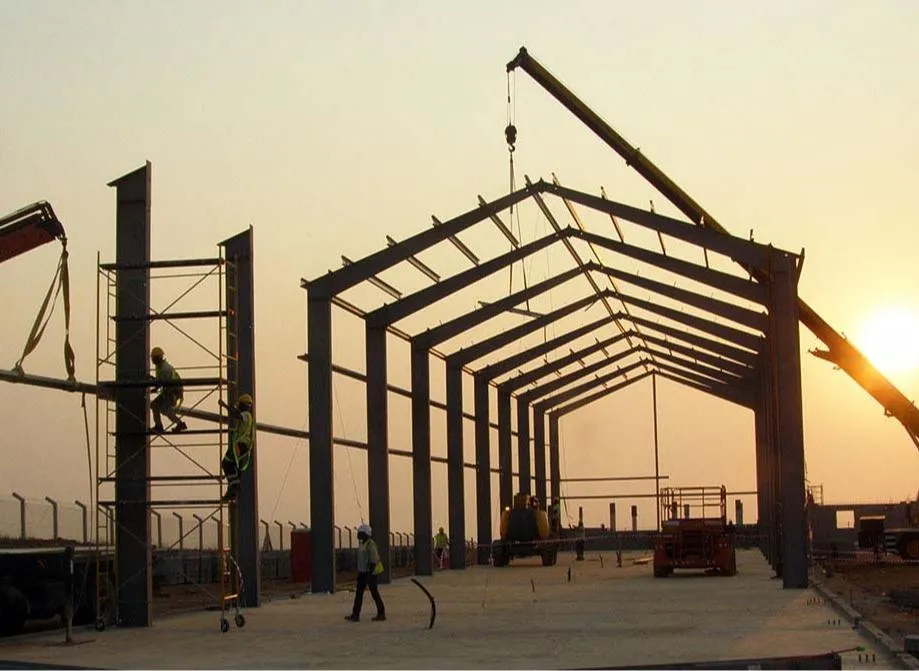
Portal Frames: Predominant form since the 1960s. Typically use hot-rolled beams and columns for roof rafters and supporting columns. Suitable for various shapes with flat or pitched roofs.
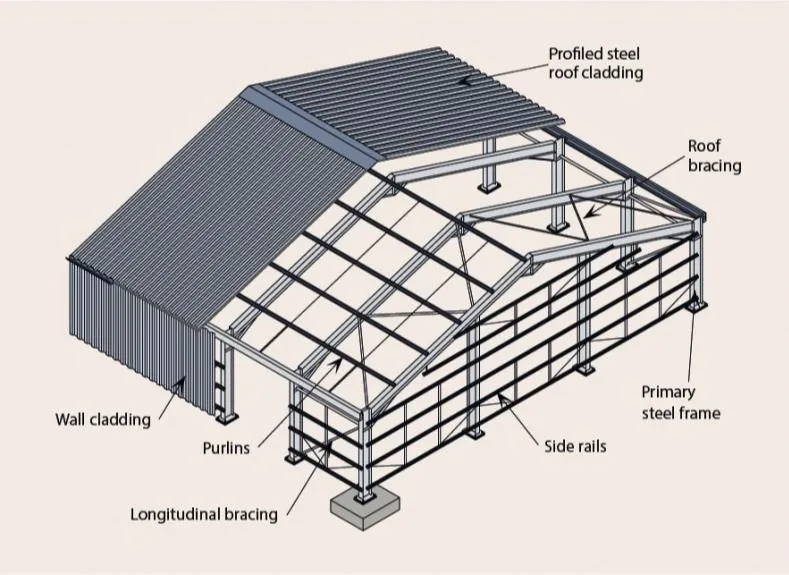
Portal Frame 1
Portal Frame 2

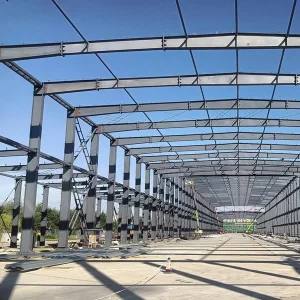
Lattice Trusses: Best for very large spans (greater than 50m) or where heavy plant equipment must be suspended from the roof. Offers excellent deflection control.
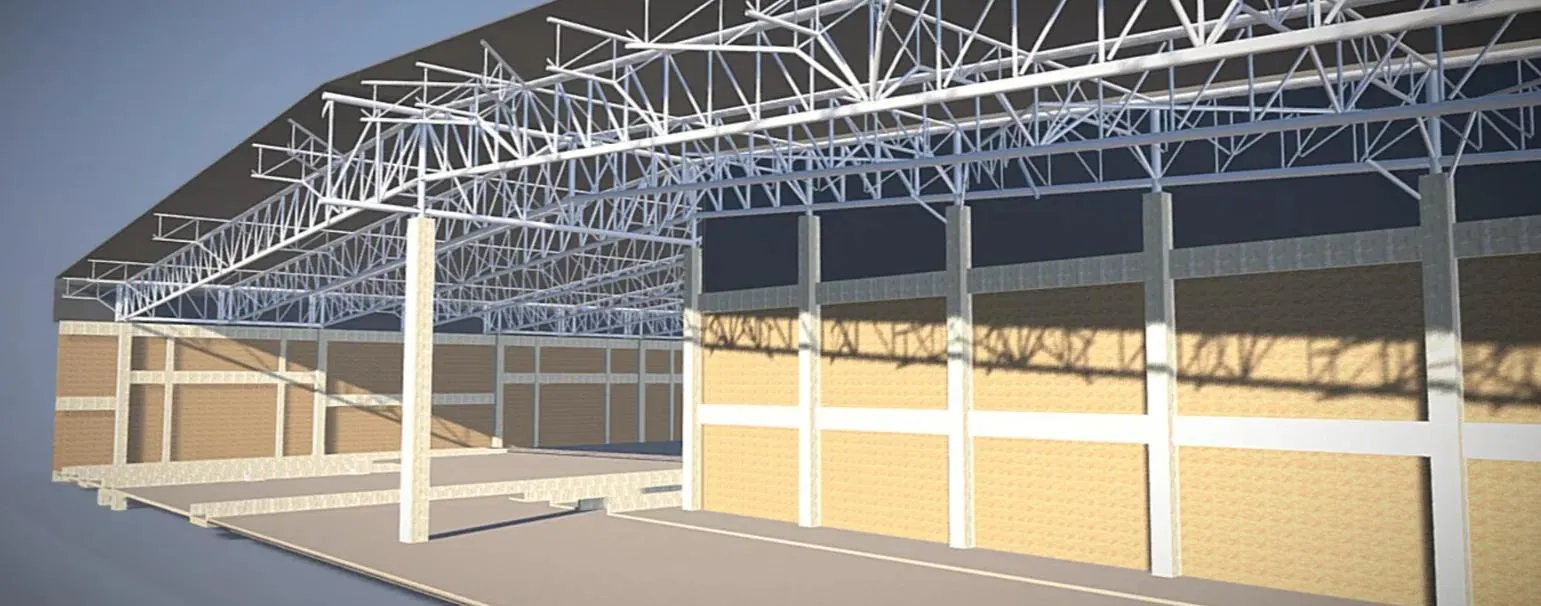
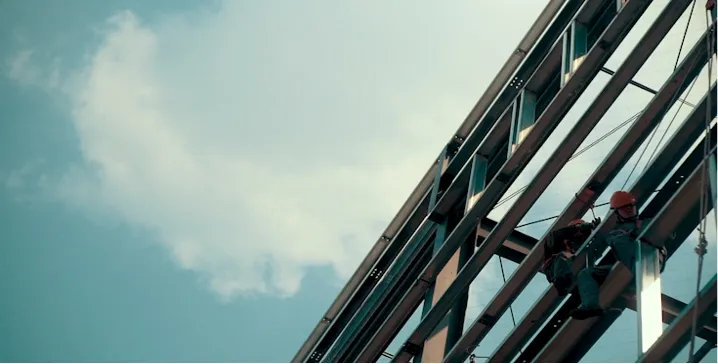
Lattice Trusses
📸

Industrial Engineering Photo Collection

Steel Project 1
Steel Project 2
Steel Project 3
Steel Project 4
Steel Project 5
Steel Project 6
🛡️

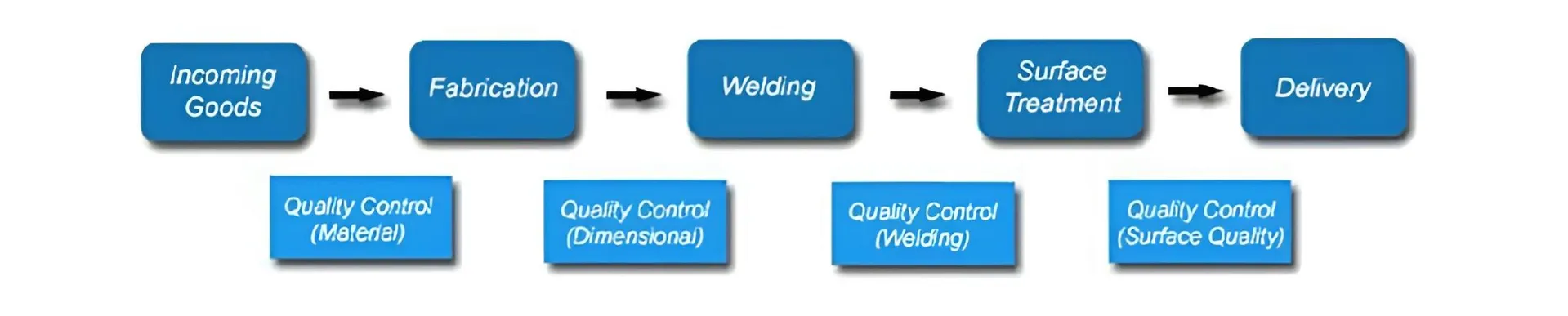
Fabrication & Quality Control

QA Standards

Compliance with AWS D1.1, AWS D1.5, AS/NZS and EN-1090 welding standards.
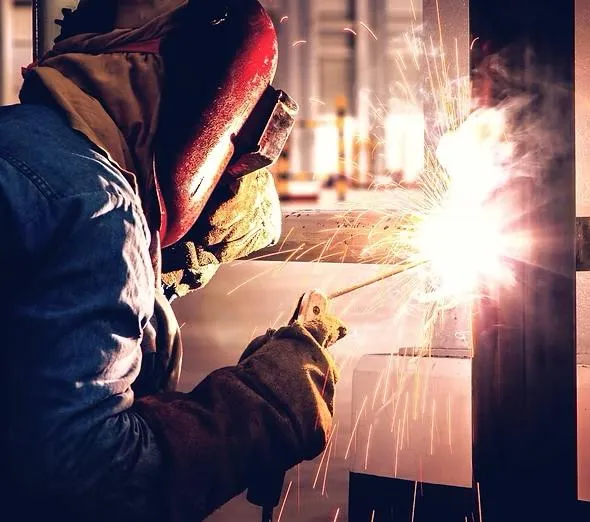
Welding

WELDING

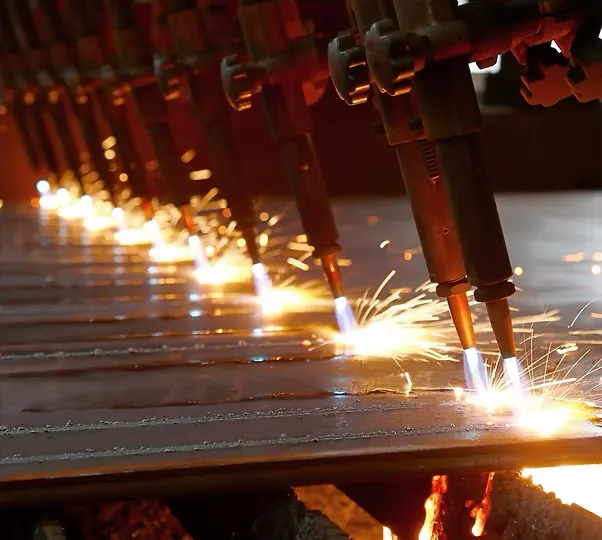
Cutting

CUTTING

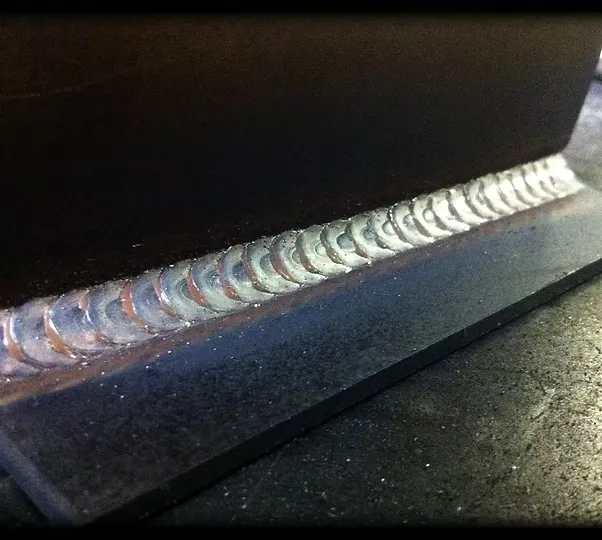
Fillet Welds

FILLET WELDS

🚢

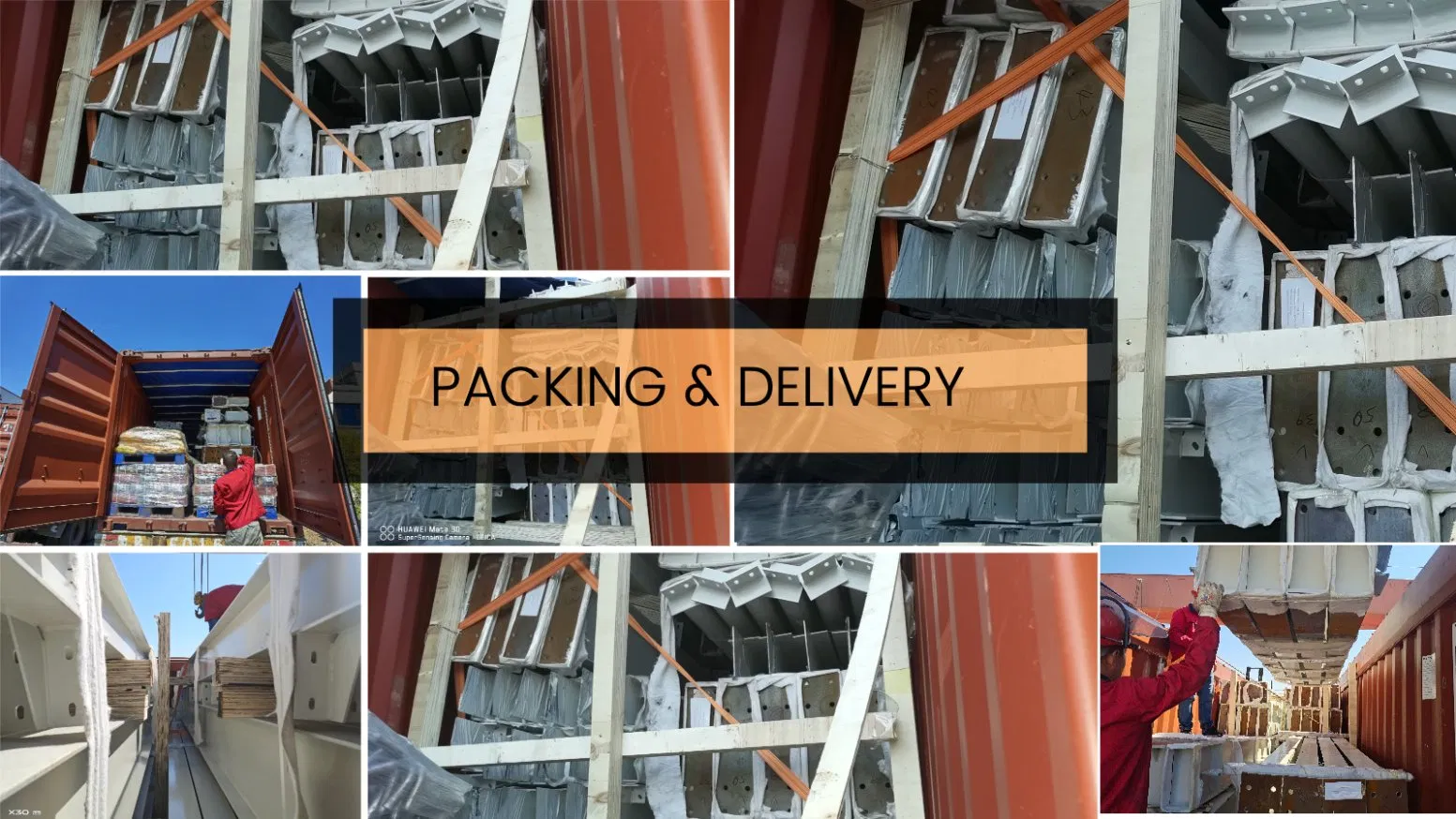
Packaging & Shipping

Shipping

ISO 9001:2008 Quality Management | ISO 14001:2004 Environmental Management | OHSAS 18001:2007 Safety Management
Frequently Asked Questions
Q1: What types of steel grades are used in your buildings?
We utilize high-quality materials including ASTM A572 Gr50/A36, S355JR, Q235B, and Q355B, or other grades as per specific design requirements.
Q2: Which fabrication standards do you follow?
Our fabrication process strictly adheres to international standards including AWS D1.1, ISO, GB, EN1090, and AS/NZS to ensure structural integrity and safety.
Q3: What is the difference between Portal Frames and Lattice Trusses?
Portal frames are the most common for standard industrial use. Lattice trusses are preferred for very large spans (over 50m) or when the structure needs to support heavy suspended plant equipment.
Q4: Are your steel structures sustainable?
Yes, steel construction offers high recyclability, minimum waste, lightweight construction benefits, and a lower environmental CO2 burden compared to traditional methods.
Q5: Can you provide customized design services?
Absolutely. We offer free design services tailored to your specific needs, considering space usage, environmental performance, and local load requirements (wind, snow, seismic).
Q6: How are the steel components treated for corrosion resistance?
We offer both hot-dipped galvanizing and high-quality painting/powder coating to ensure long-term durability and minimal maintenance.

Related Products