 Ruifa Modular House
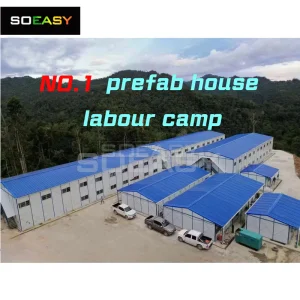
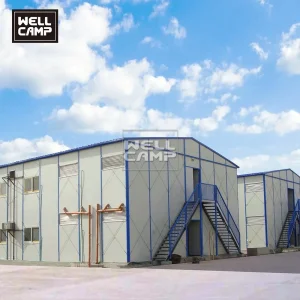
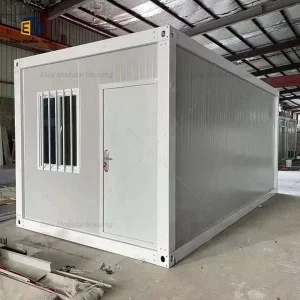
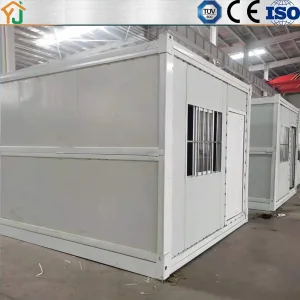
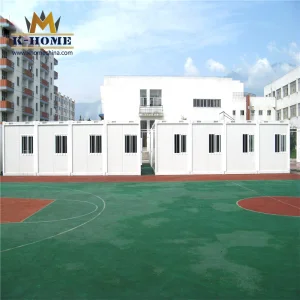
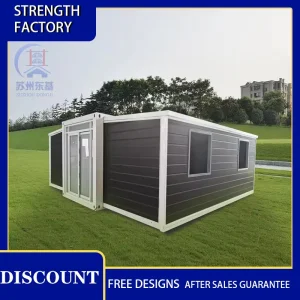
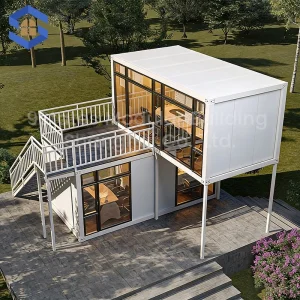
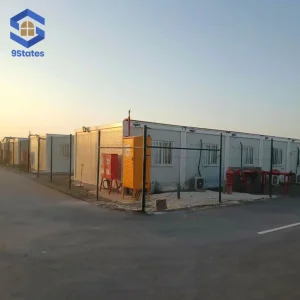
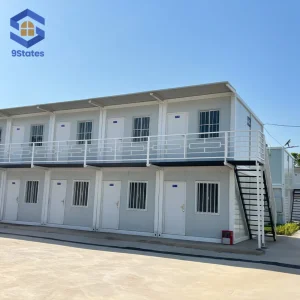
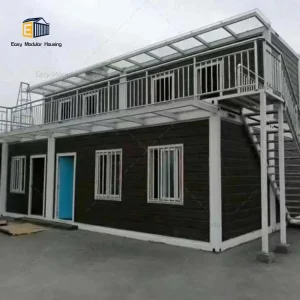
Advanced Engineering of Temporary Labor Accommodation
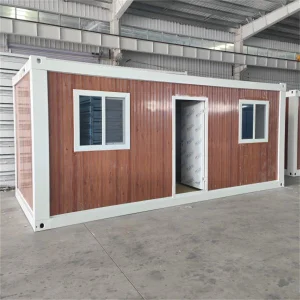
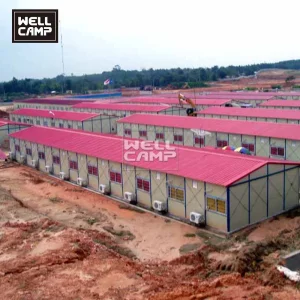
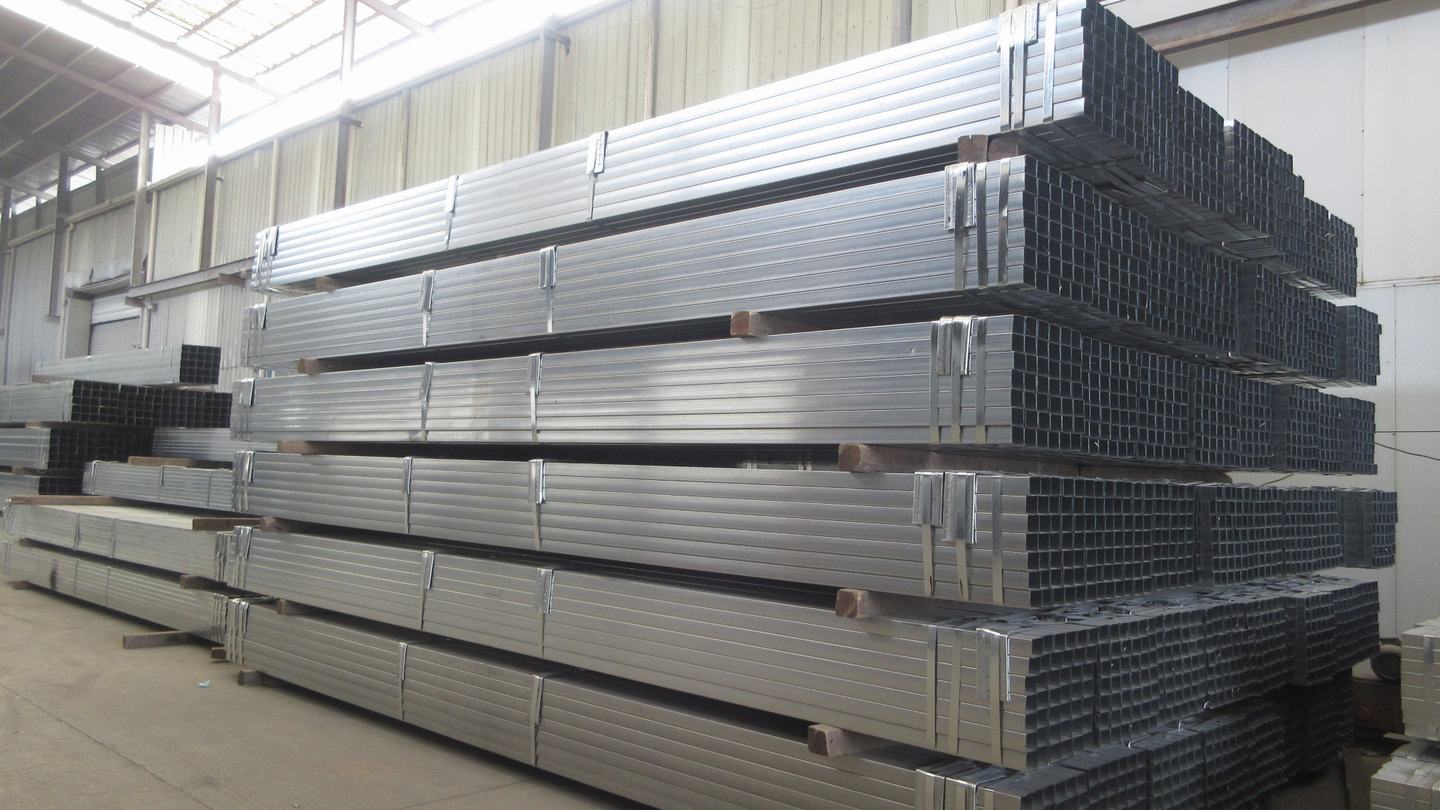
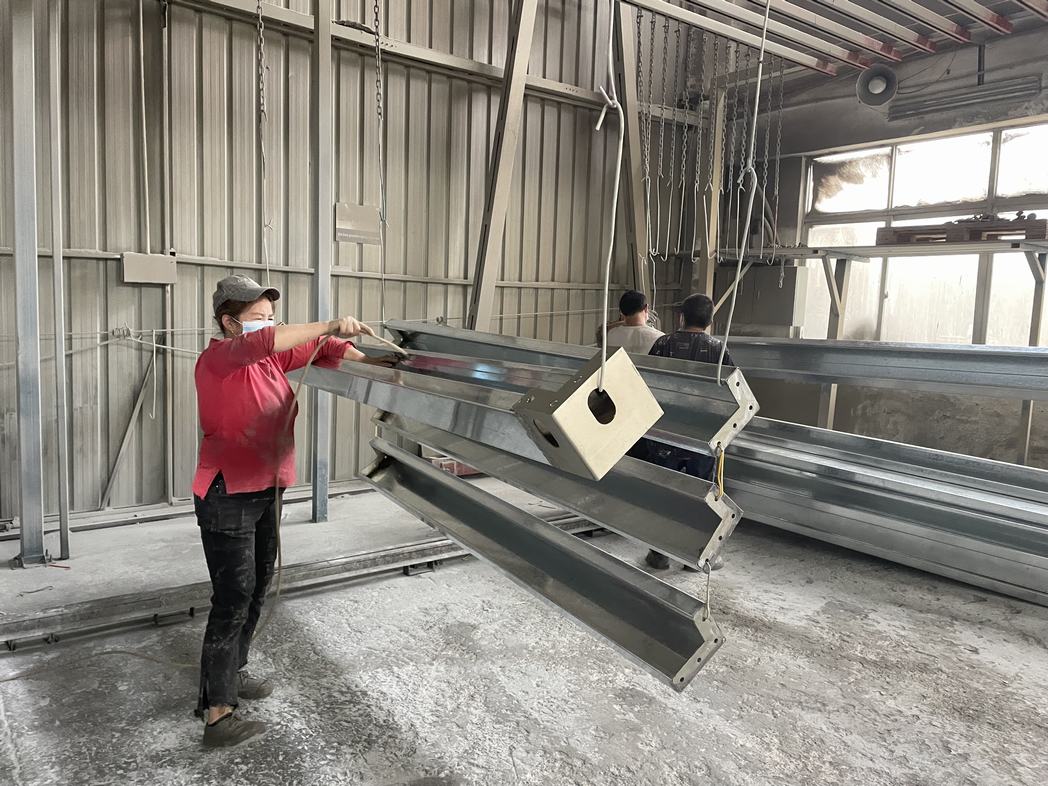
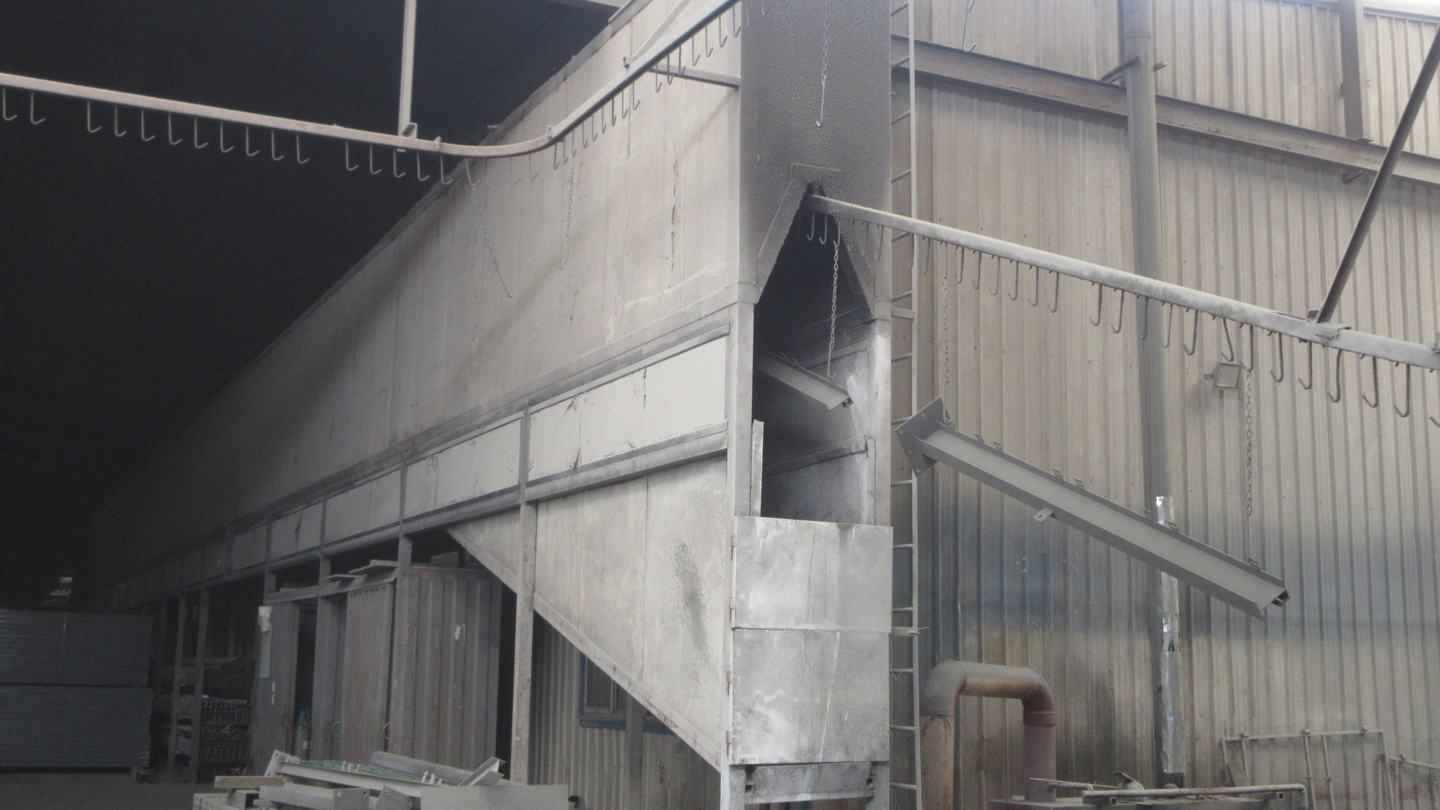
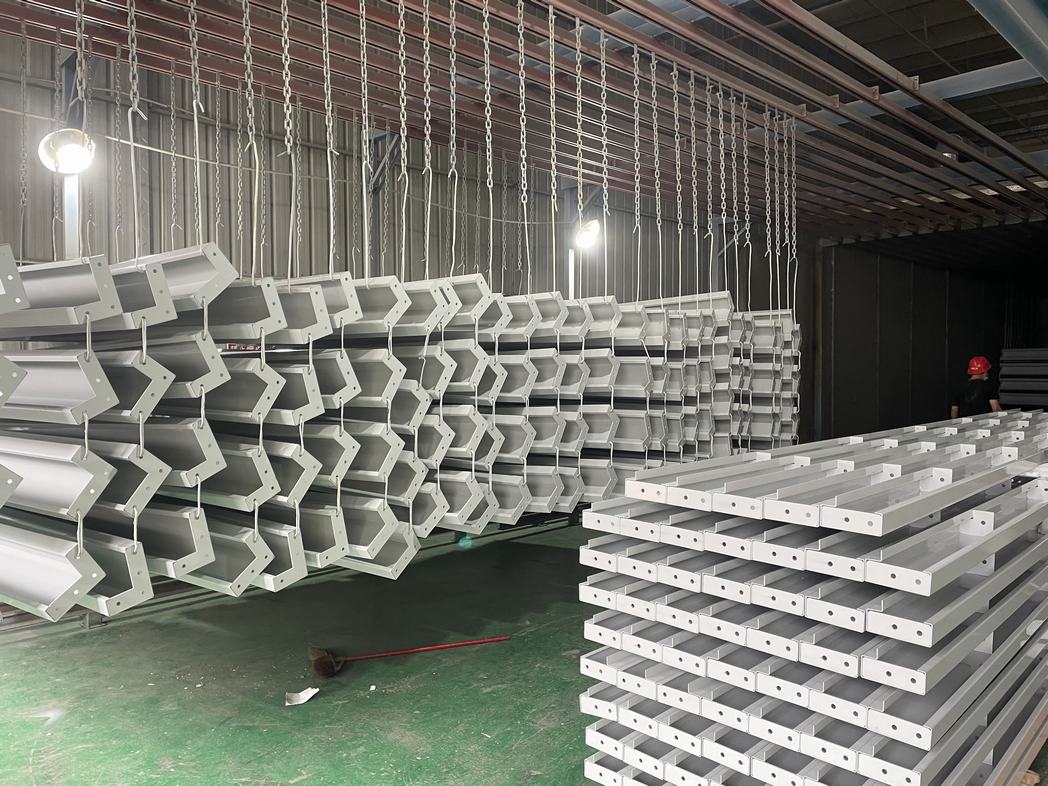
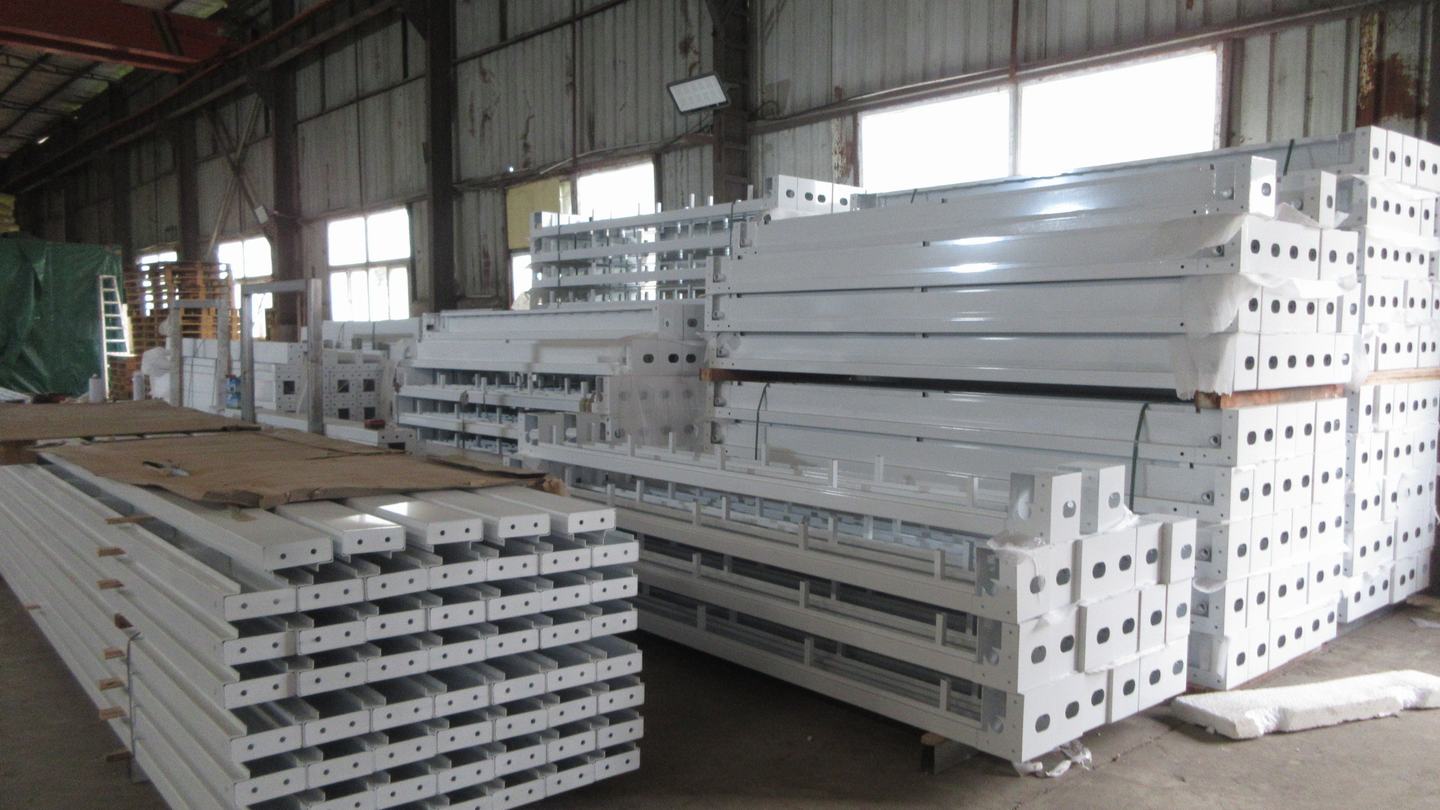
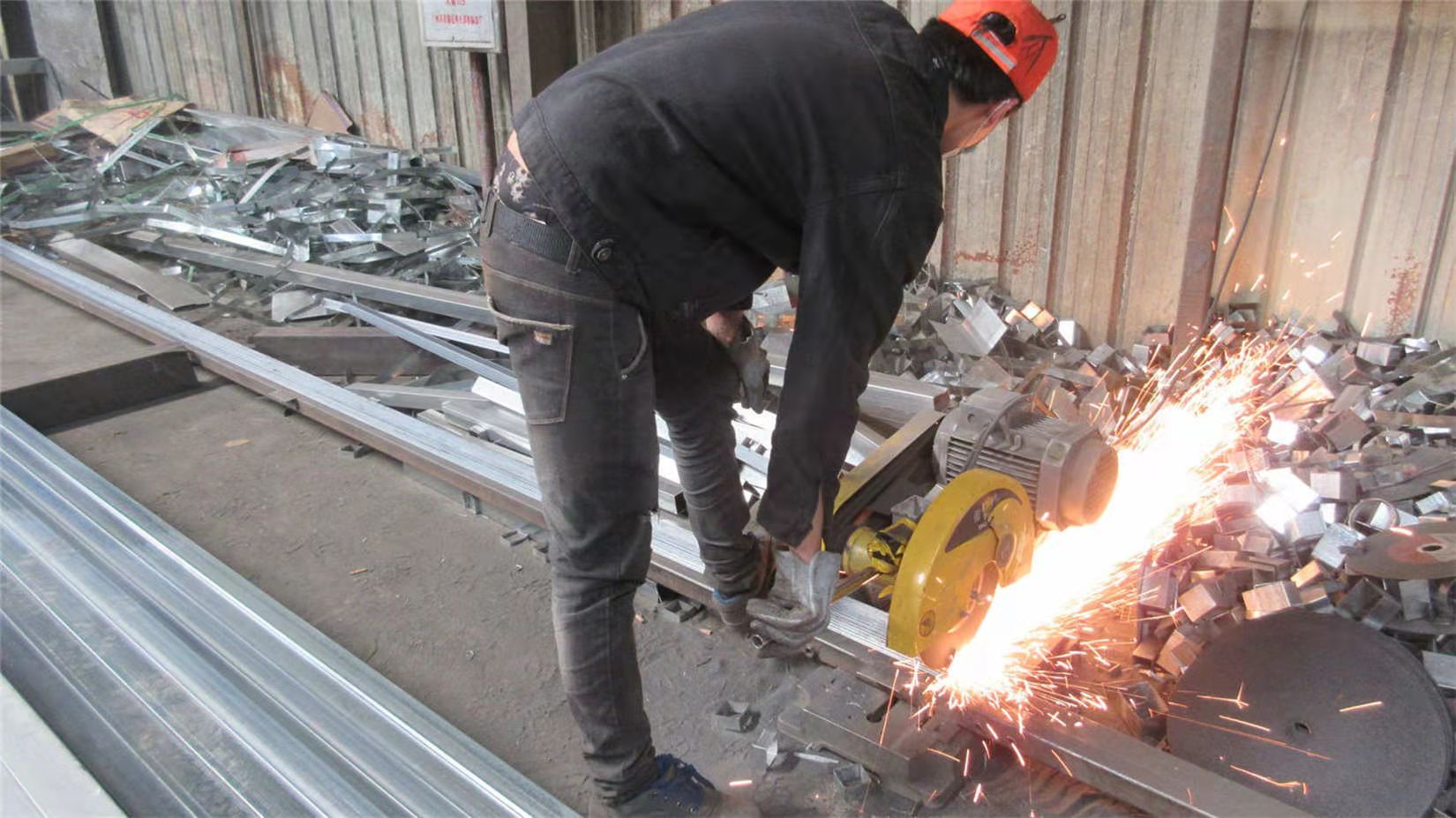
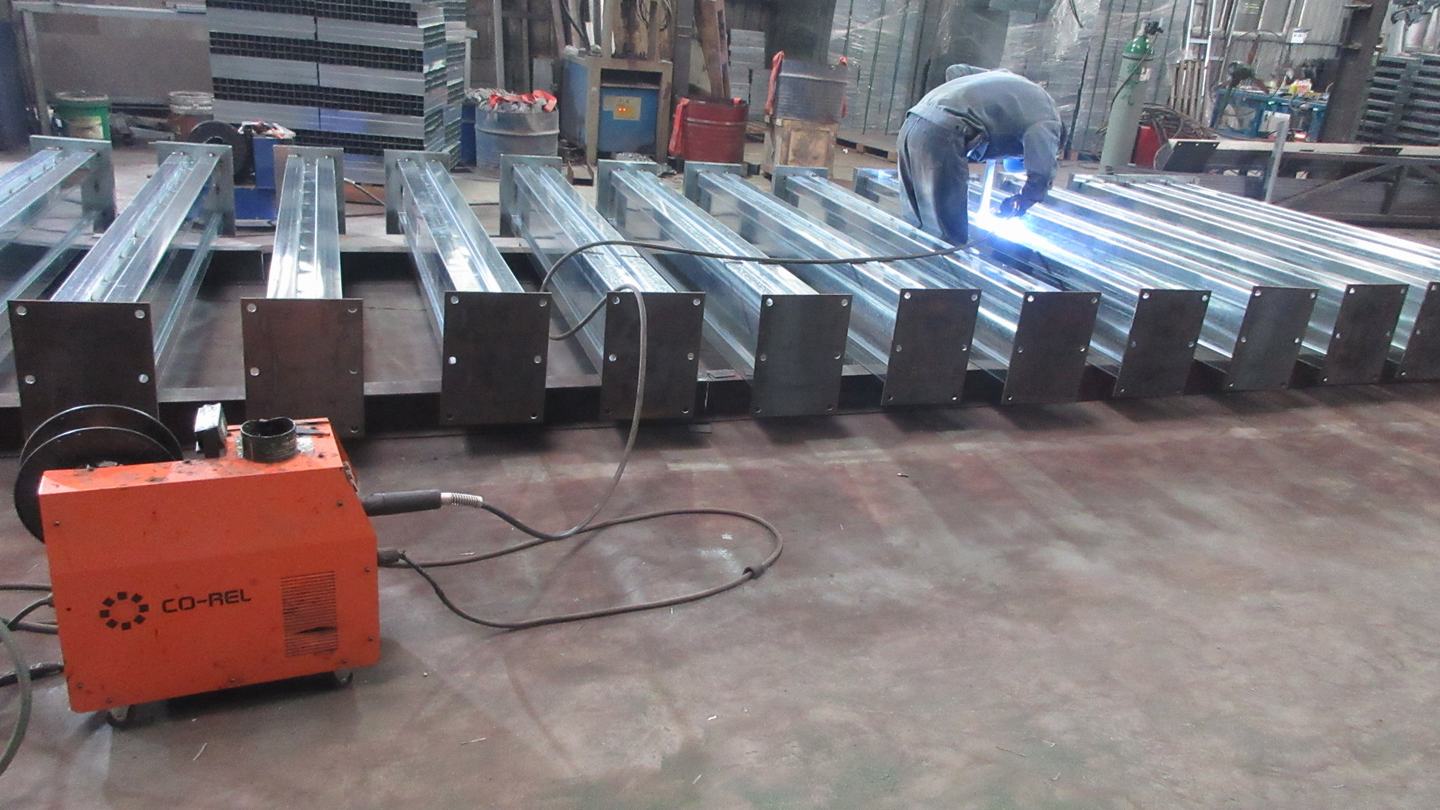
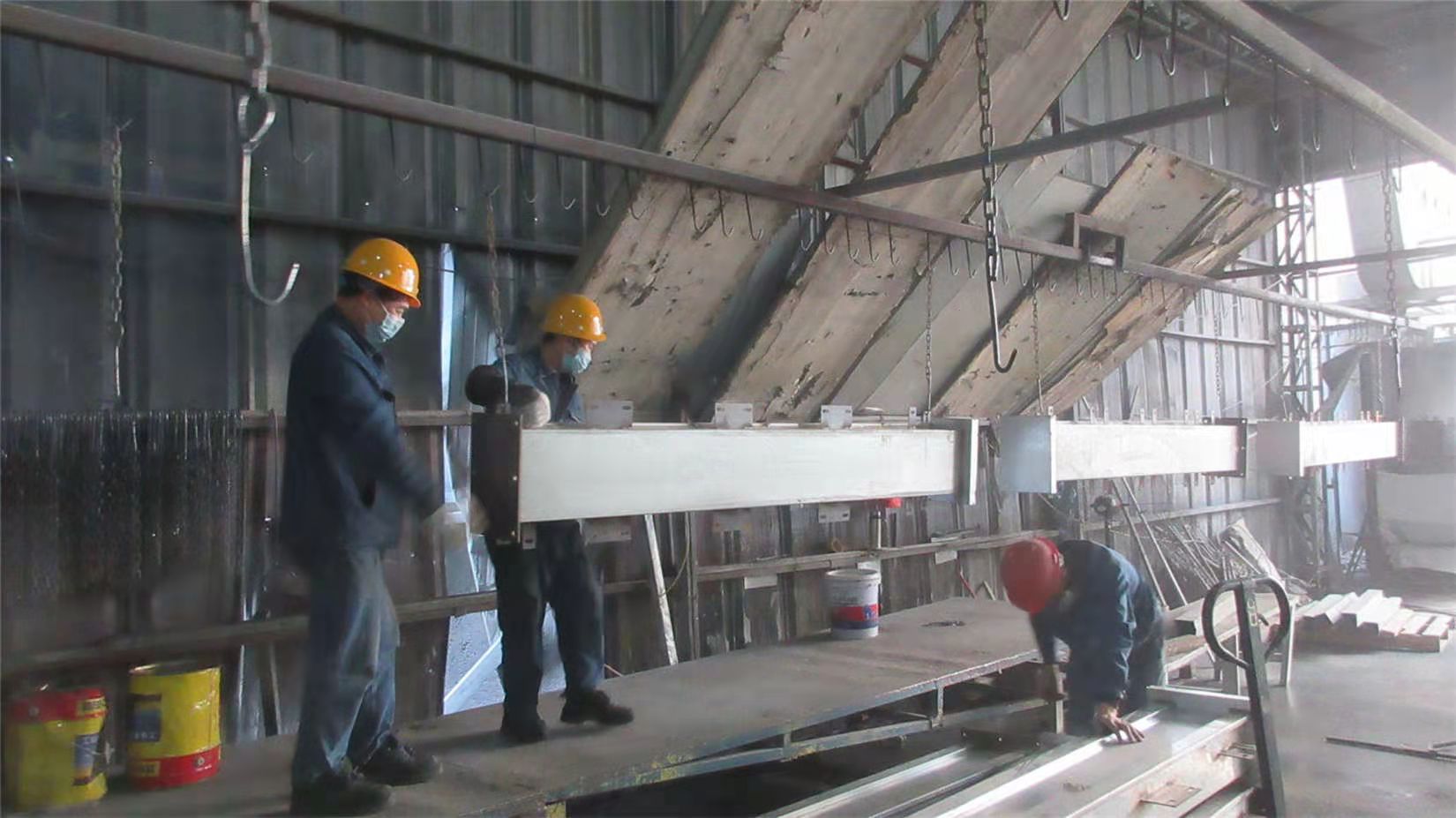
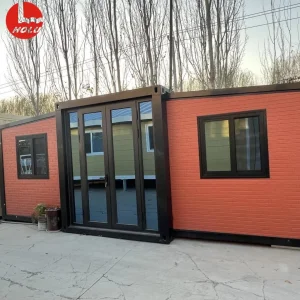
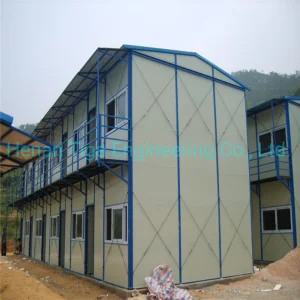
The technical sophistication behind a modern Temporary Labor Accommodation project is immense. It involves structural engineering that accounts for wind loads in coastal regions, snow loads in arctic mining camps, and seismic resilience in earthquake-prone zones. As a leading manufacturer, we utilize high-tensile galvanized steel frames coupled with fire-rated EPS, Rockwool, or PU sandwich panels.
Sustainability and Worker Well-being
Recent studies in industrial psychology emphasize that the quality of labor accommodation directly impacts project productivity. Our designs move away from the "tin can" feel of the past. We integrate soundproofing layers, ergonomic layouts, and modular sanitary units to create a "home away from home." This holistic approach is why top-tier construction firms prioritize our modular systems over local makeshift builds.
The Future of Modular Housing: AI and Beyond
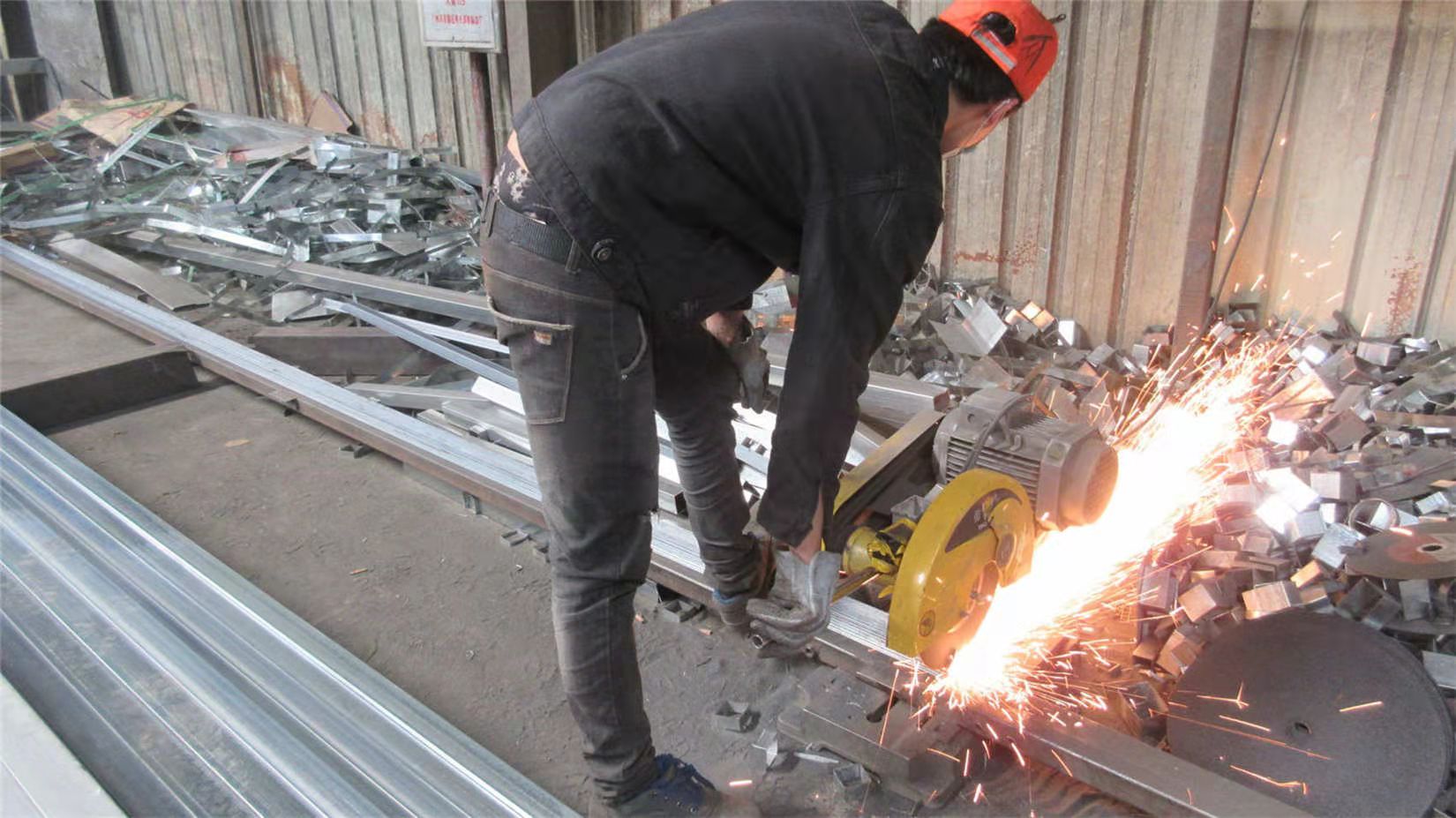
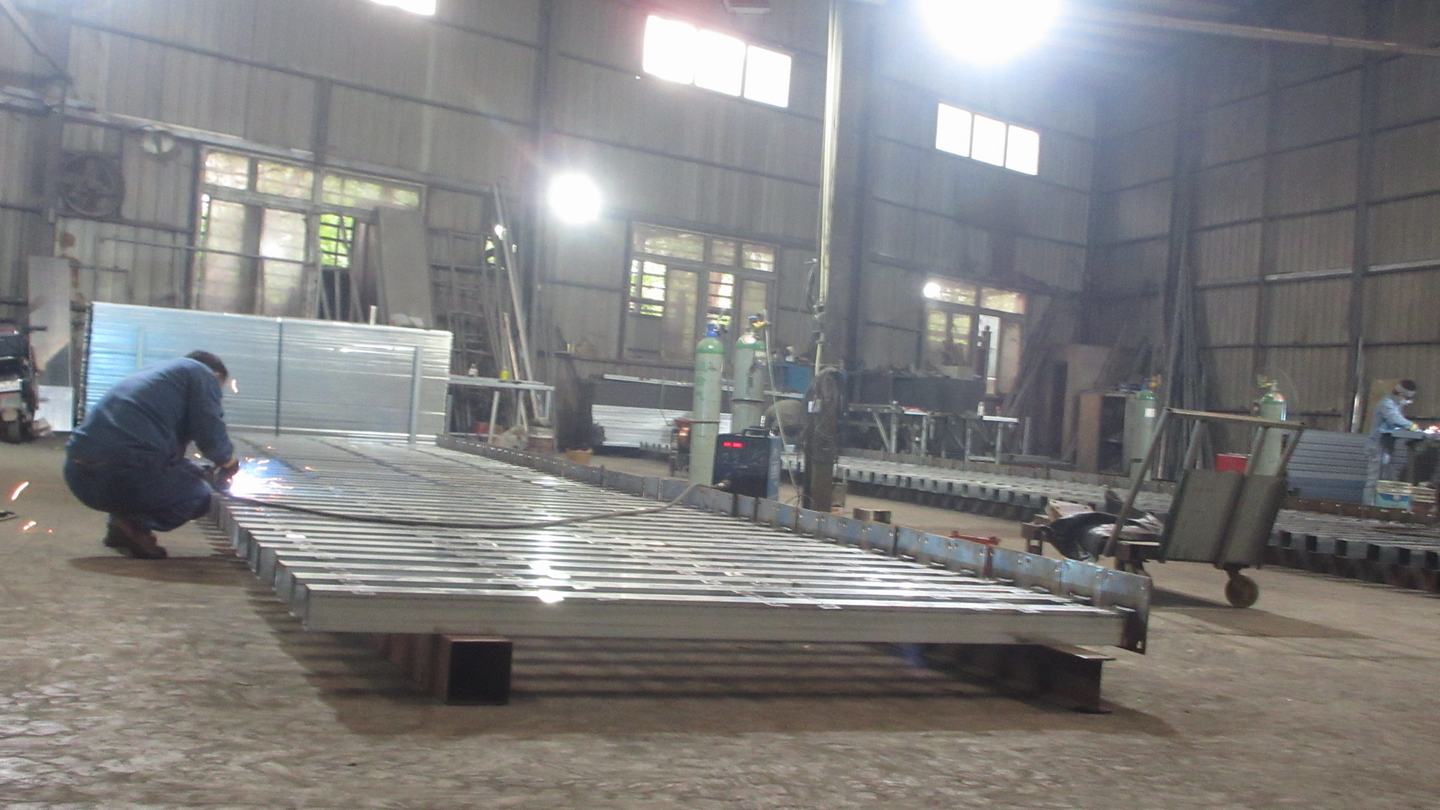
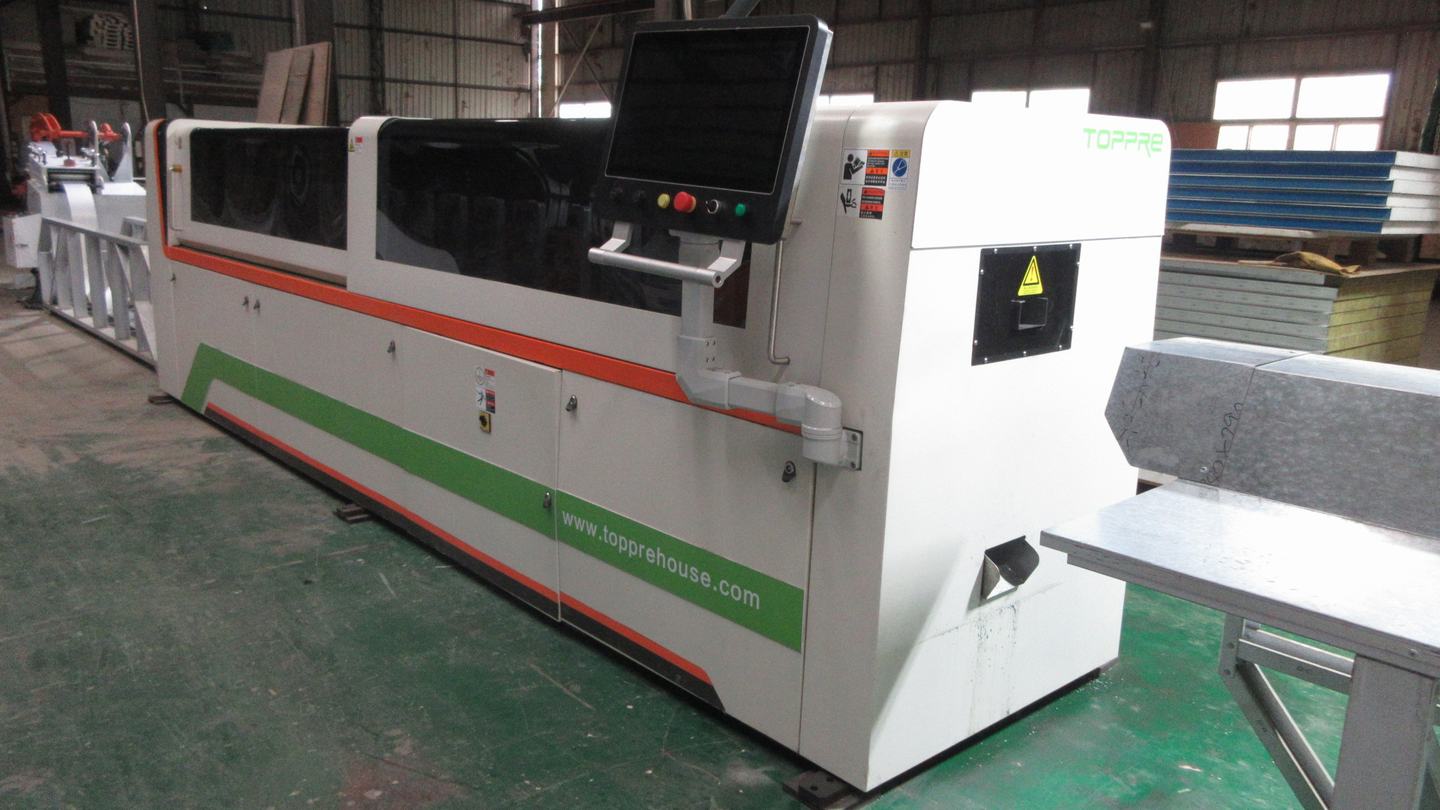
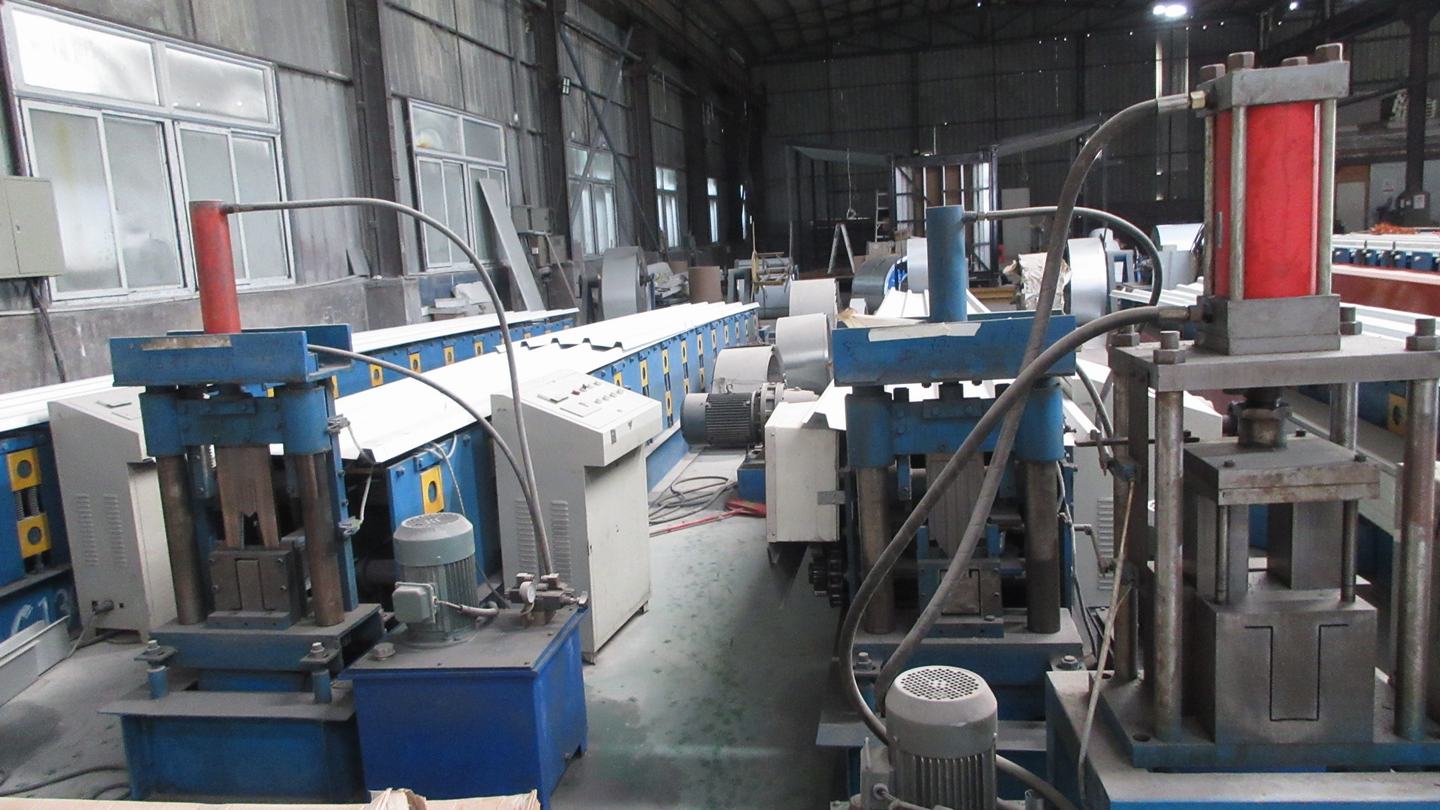
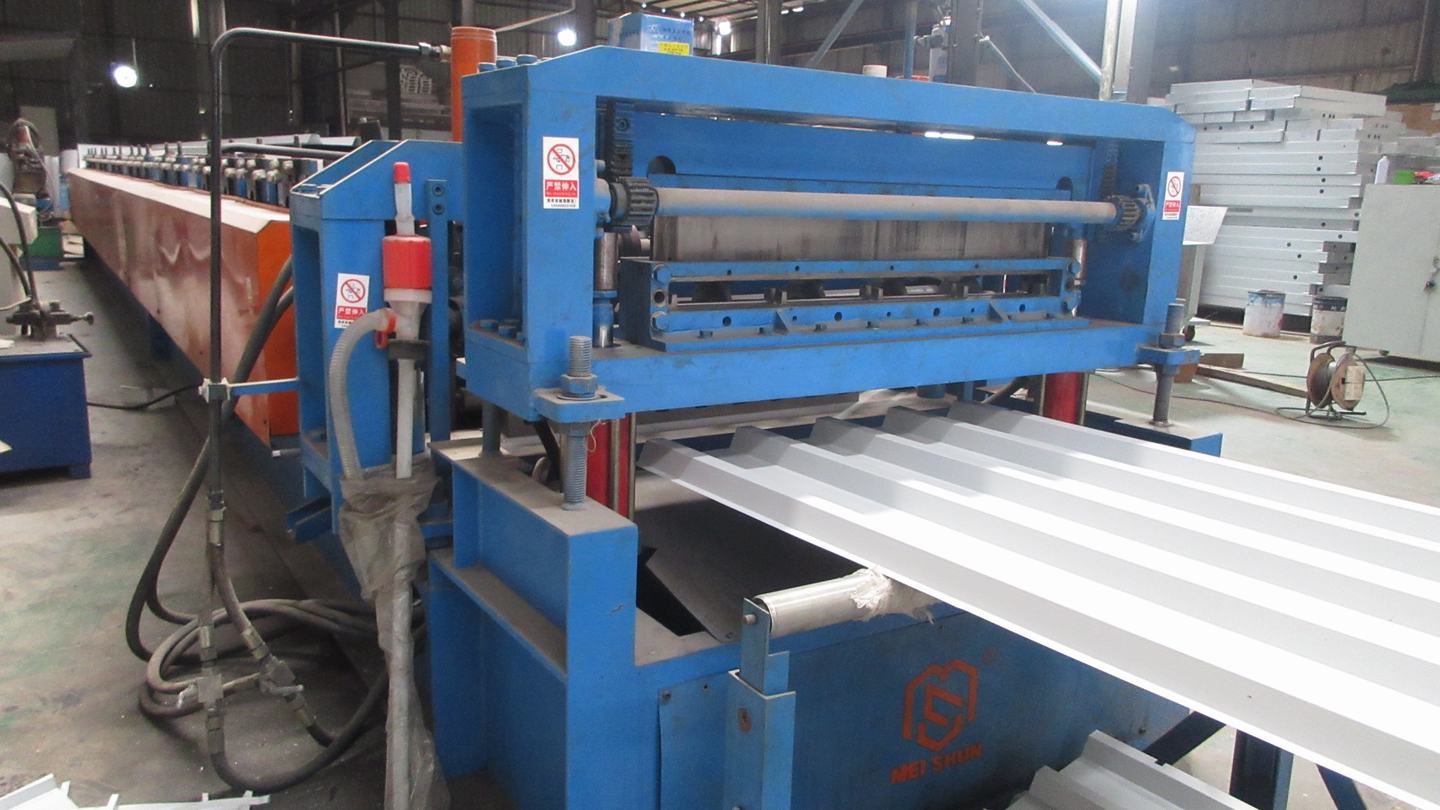
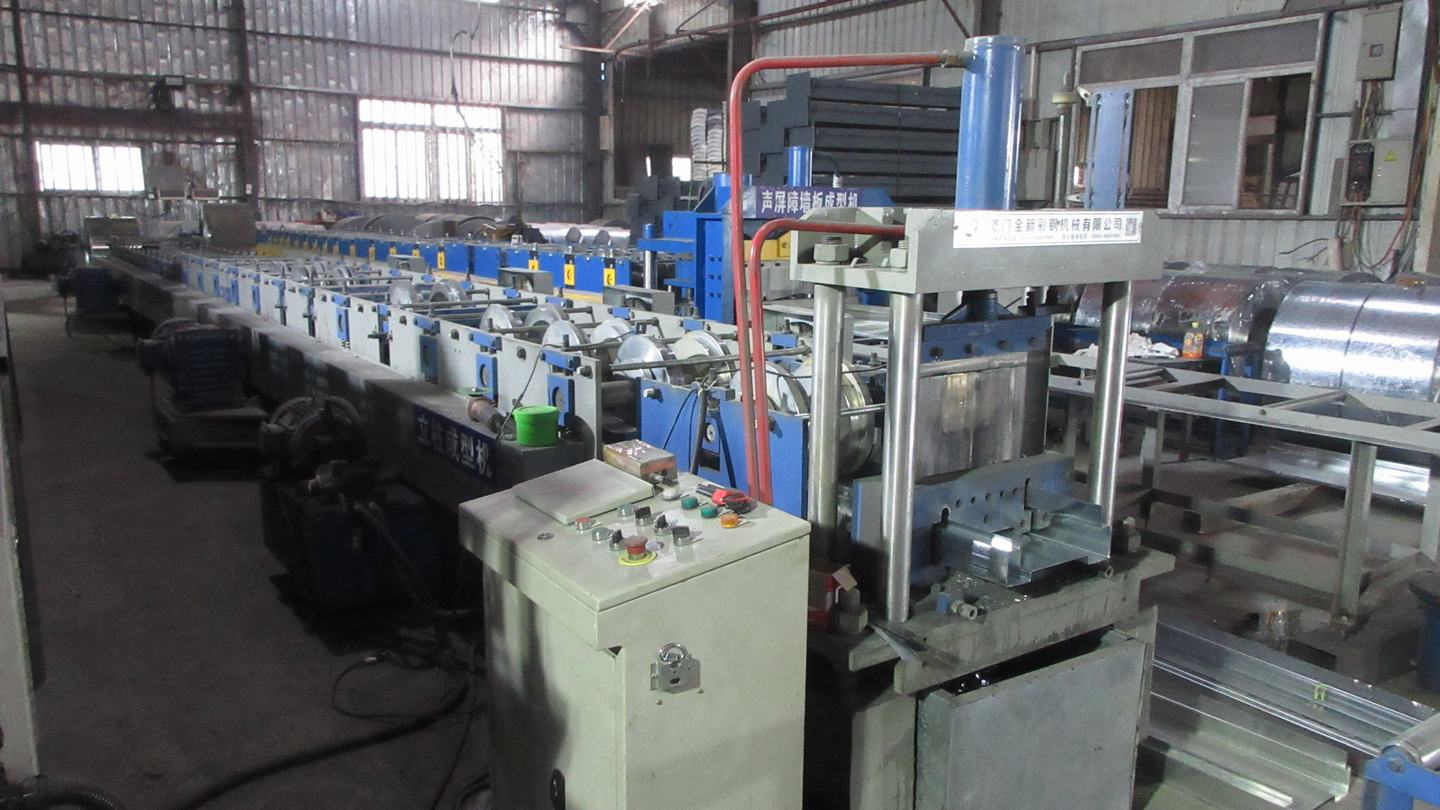
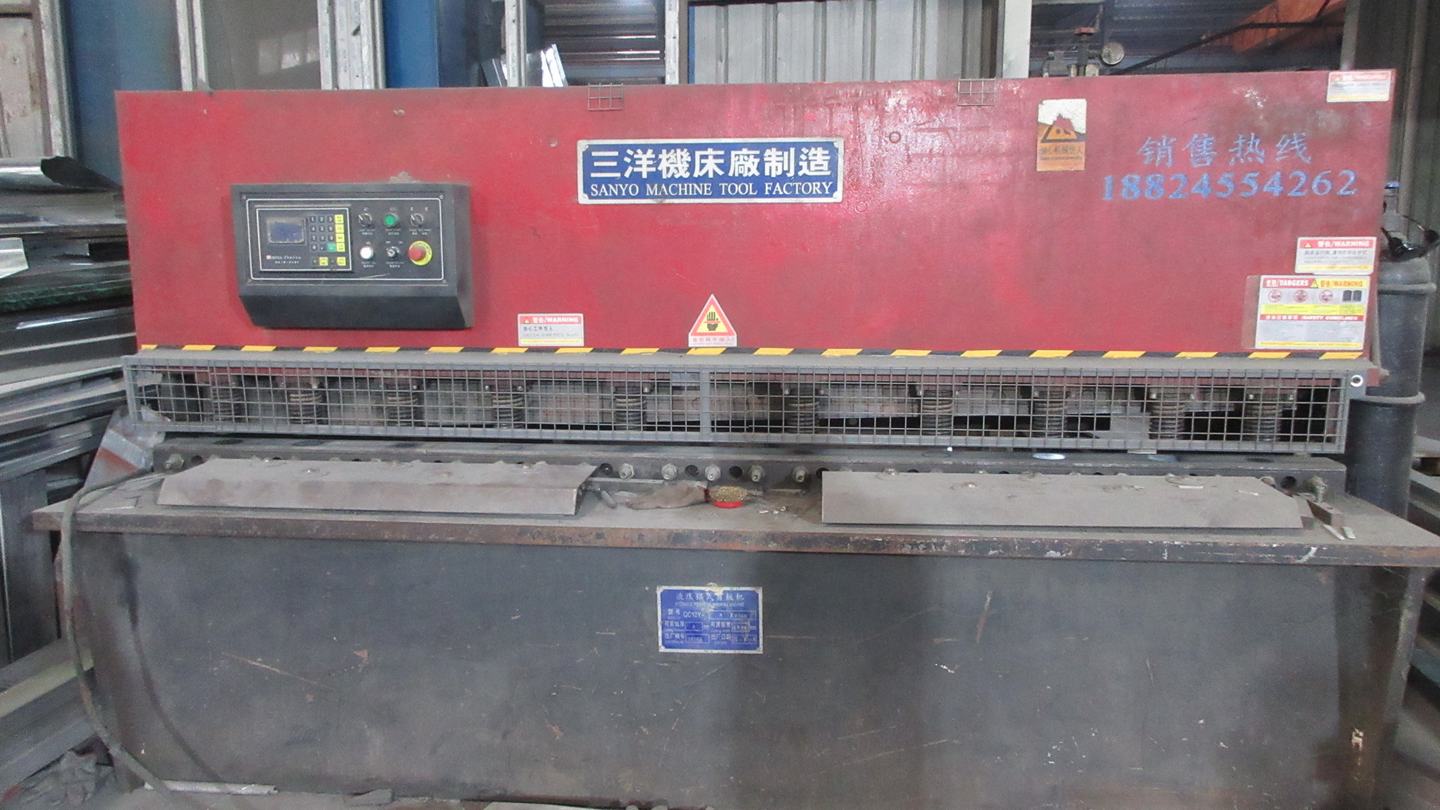
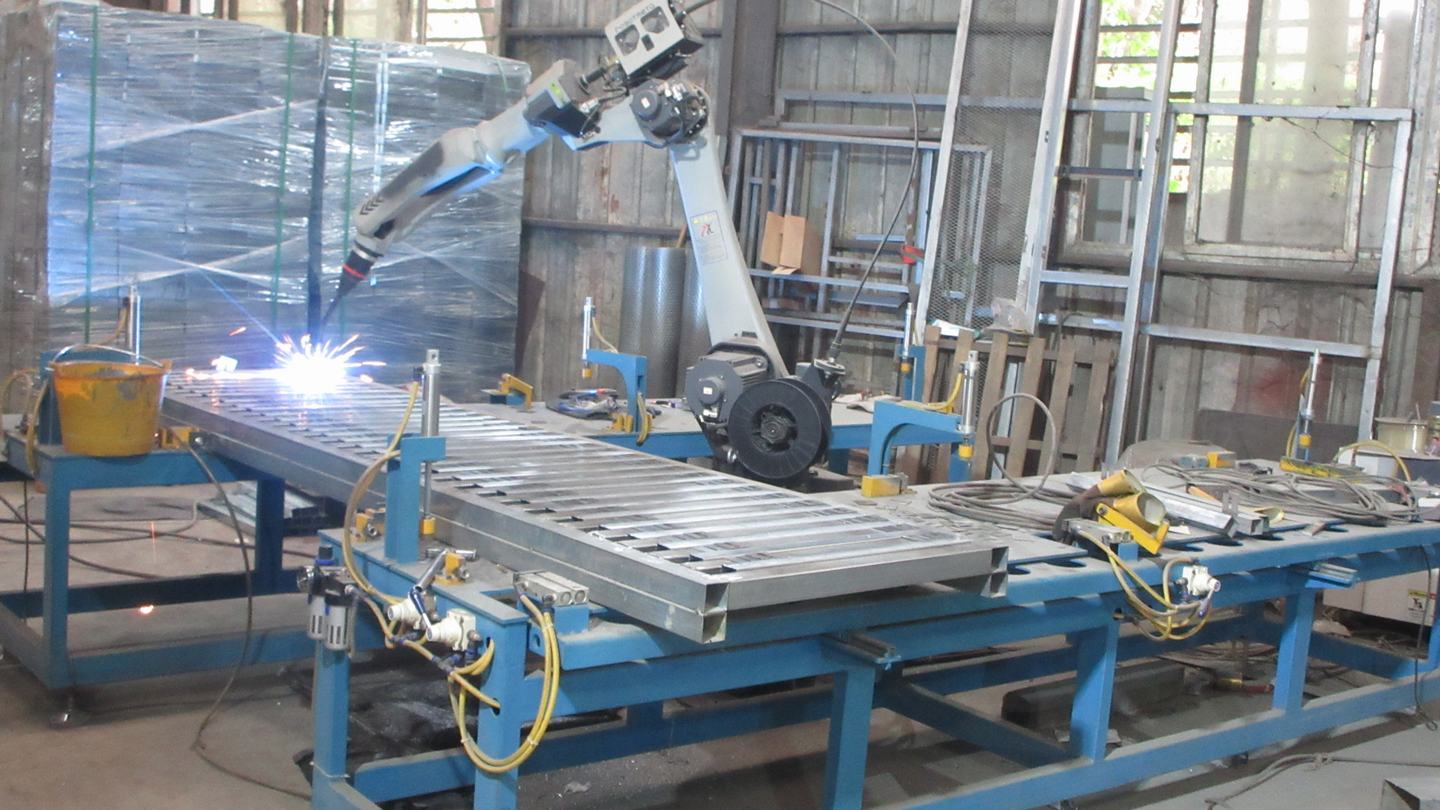
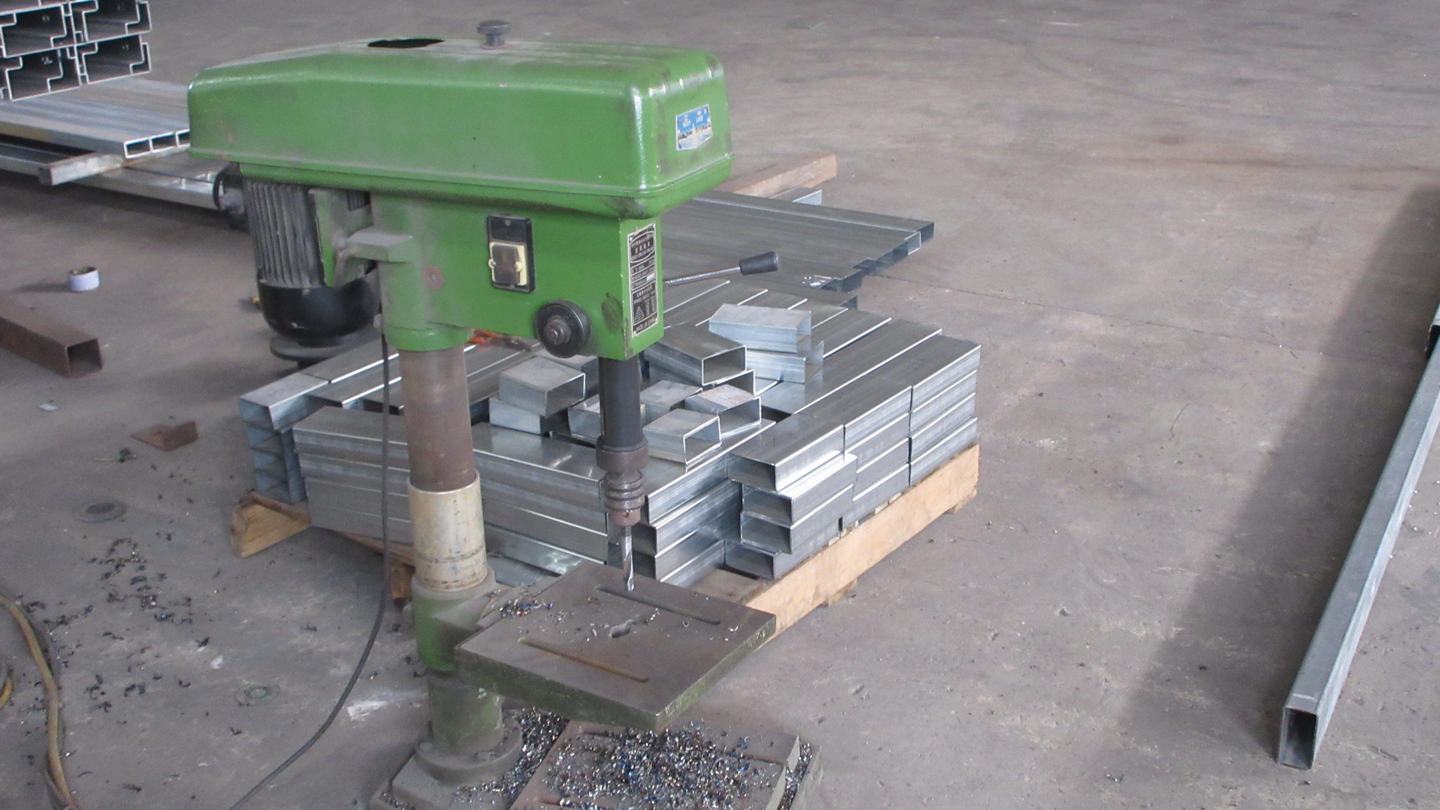
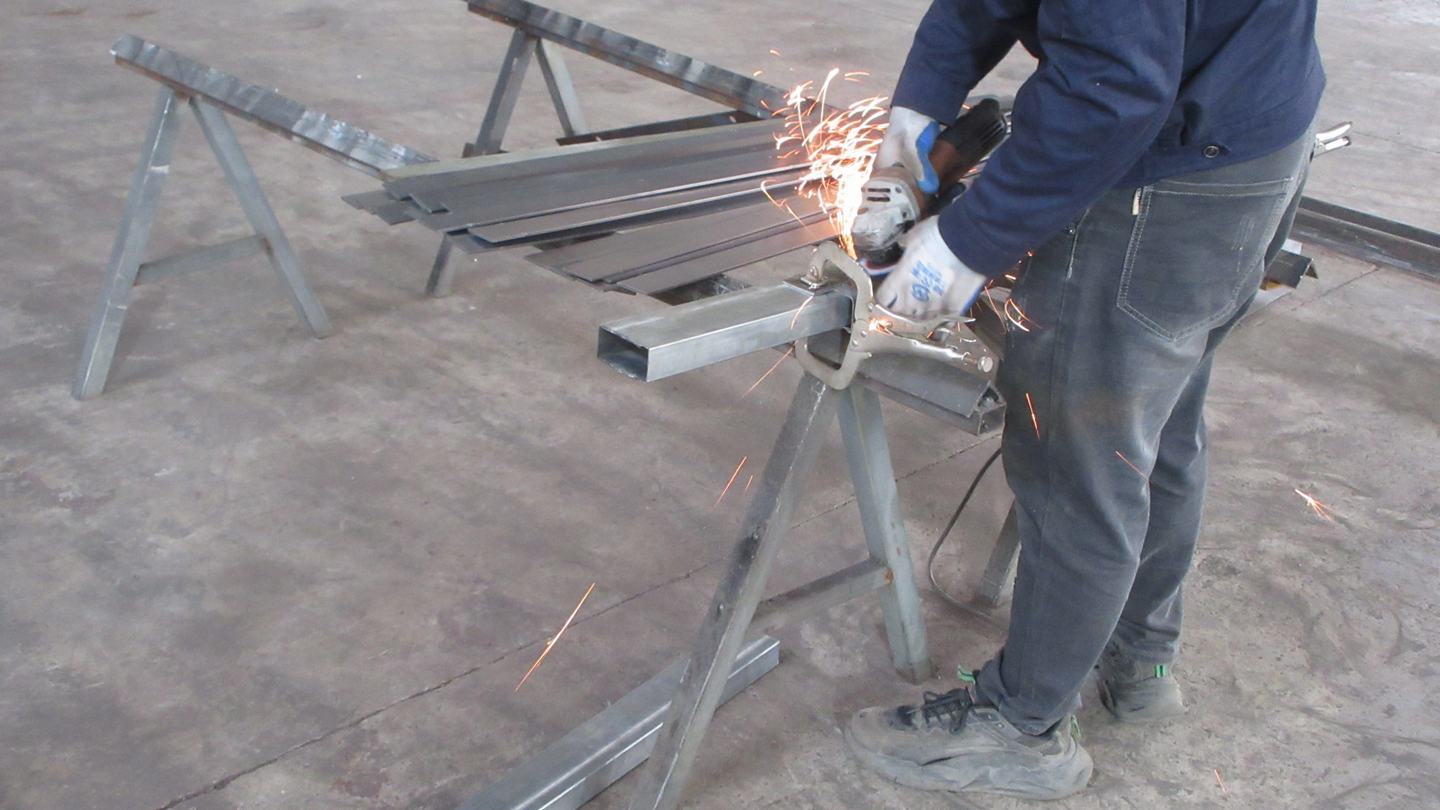
As we look forward, the integration of AI in the manufacturing process—using robot welding and automated profile machines—ensures a level of precision that manual labor cannot match. Every hole is punched with sub-millimeter accuracy, ensuring that when the units arrive at your site in Africa, South America, or the Middle East, every bolt fits perfectly. This is the promise of professional Chinese manufacturing: global quality at a local price point.
In conclusion, whether you are managing a mining camp in the outback, an oil rig support site, or a rapid urban infrastructure project, our prefabricated house solutions offer the reliability and expertise needed to succeed. Our commitment to the E-E-A-T principles ensures that every structure we deliver is backed by engineering authority and decades of manufacturing experience.