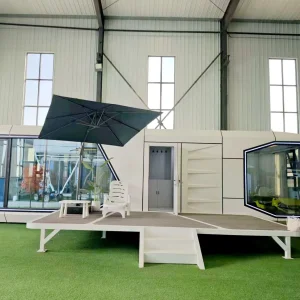
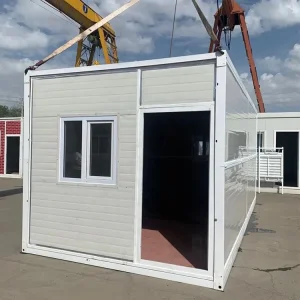
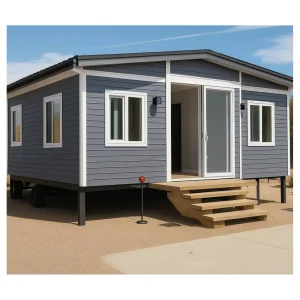
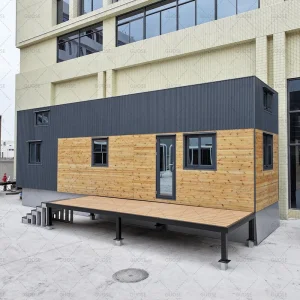
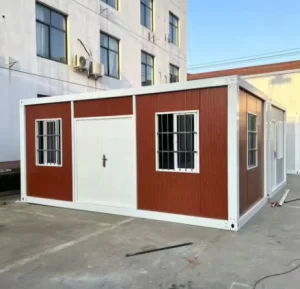
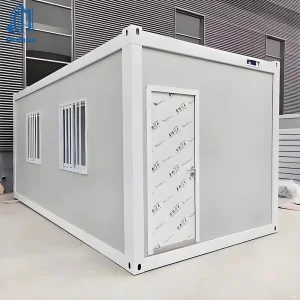
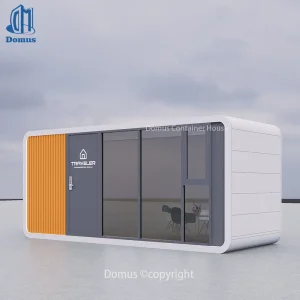
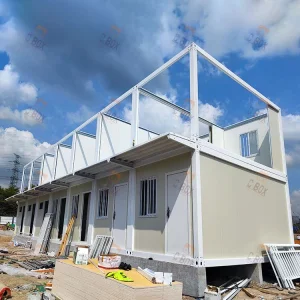
Ruifa Modular House Ruifa Modular House

Waterproof Prefabricated House Factories & Exporters
Serving the Venezuela Market

Engineered for extreme precipitation, high-humidity coastal zones, and rapid-deployment industrial housing infrastructure.

Venezuela Local Housing Challenges & Climate Adaptability

The Venezuelan geography presents intense challenges for building infrastructure: high humidity, heavy tropical precipitation, and corrosive marine air across coastal trade corridors.

In areas like the Orinoco Mining Arc, Lake Maracaibo basin, and Caribbean port cities (La Guaira, Puerto Cabello), standard construction faces premature failure. Salt spray accelerates the oxidation of untreated steel, while seasonal tropical rains cause severe moisture ingress.

To counter these realities, our modular structures feature heavy hot-dip galvanized steel frames combined with multi-layer high-density hydrophobic insulation panels. This ensures zero water ingress under wind-driven storm conditions and provides high structural resistance up to Grade 12 winds (hurricanes).

  • Anti-Corrosion C5-M Marine Standard Surface Protection
  • PIR/Polyurethane Core Sandwich Panels for Thermal Comfort
  • Double-Slope Roof Interlocking Water Drainage Channels

Key Environmental Factors in Venezuelan Regions

Caribbean Coastal Belt

Salinity-rich air accelerates rust. Requires epoxy primer coatings (>120 microns) and continuous structural sealing.

Guayana Mining Basin

Inland heat and high rain intensity. Demands thermal insulation core to keep interiors liveable without excessive HVAC load.

Andean Valleys & Foothills

Seismic active zones. Prefabricated modular frames offer high elasticity and flexural strength, reducing hazard risks.

Technical Rigor & Compliance Standards

Tested and certified engineering metrics backing our prefabricated housing systems for international industrial procurement.
Grade 12
Wind Resistance
IP66
Water Tightness
25+ Yrs
Design Lifespan
0.038 W/m·K
Insulation R-Value
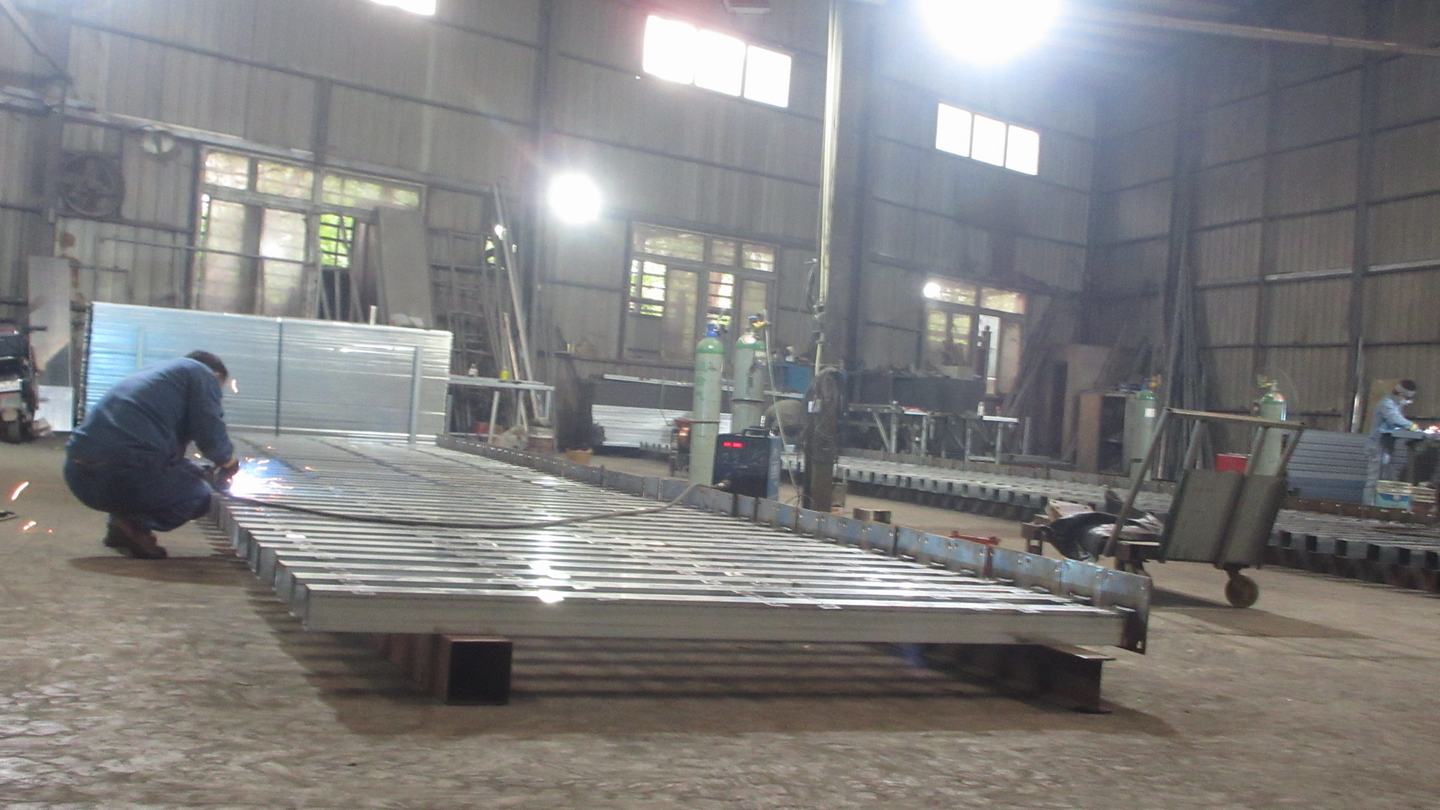
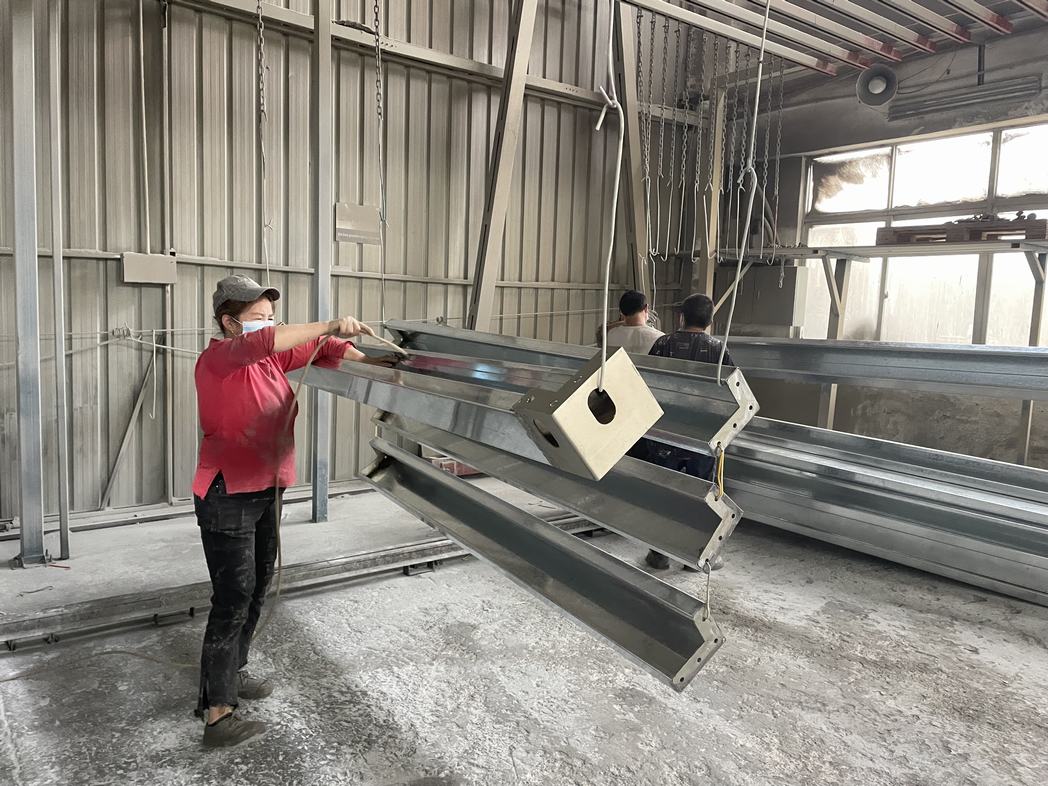
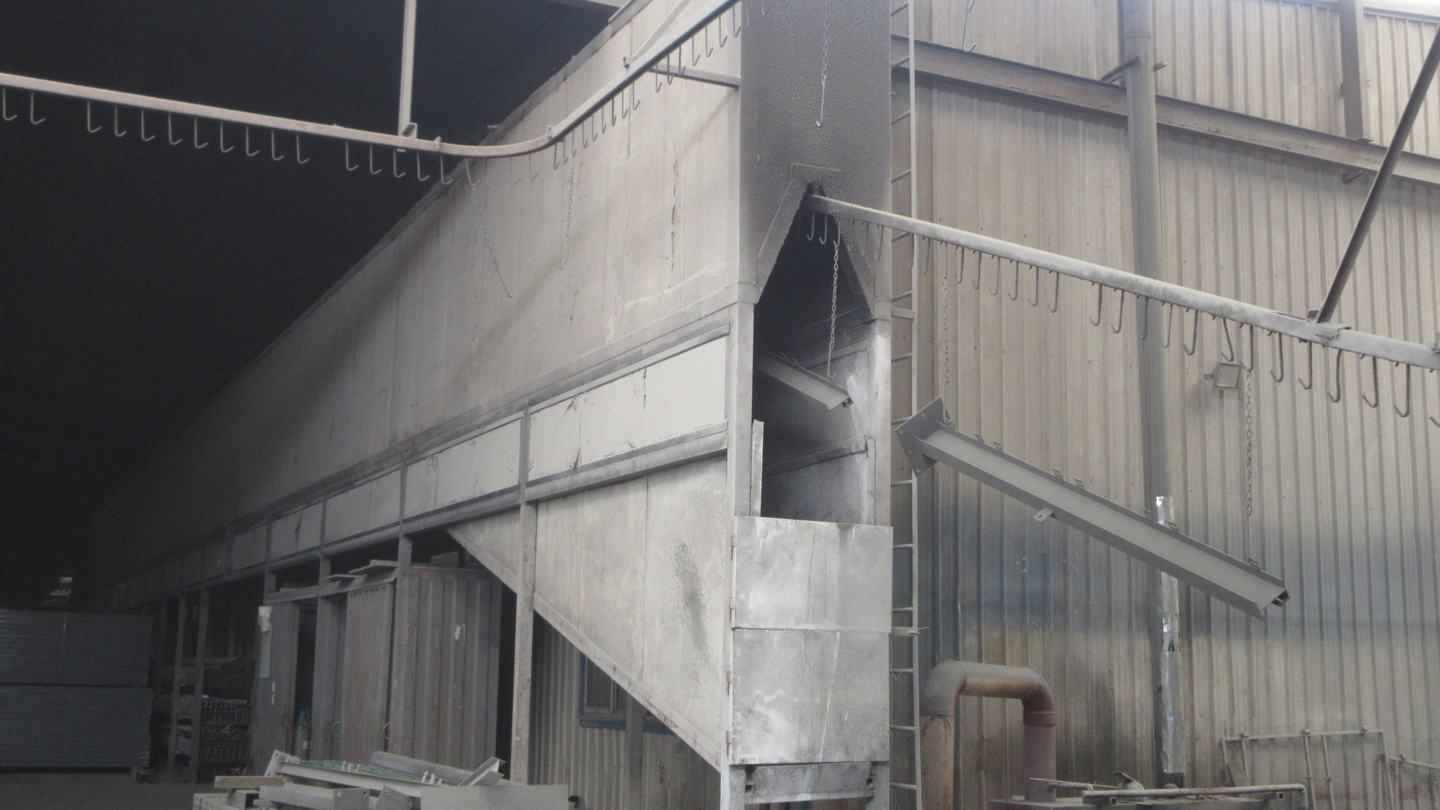
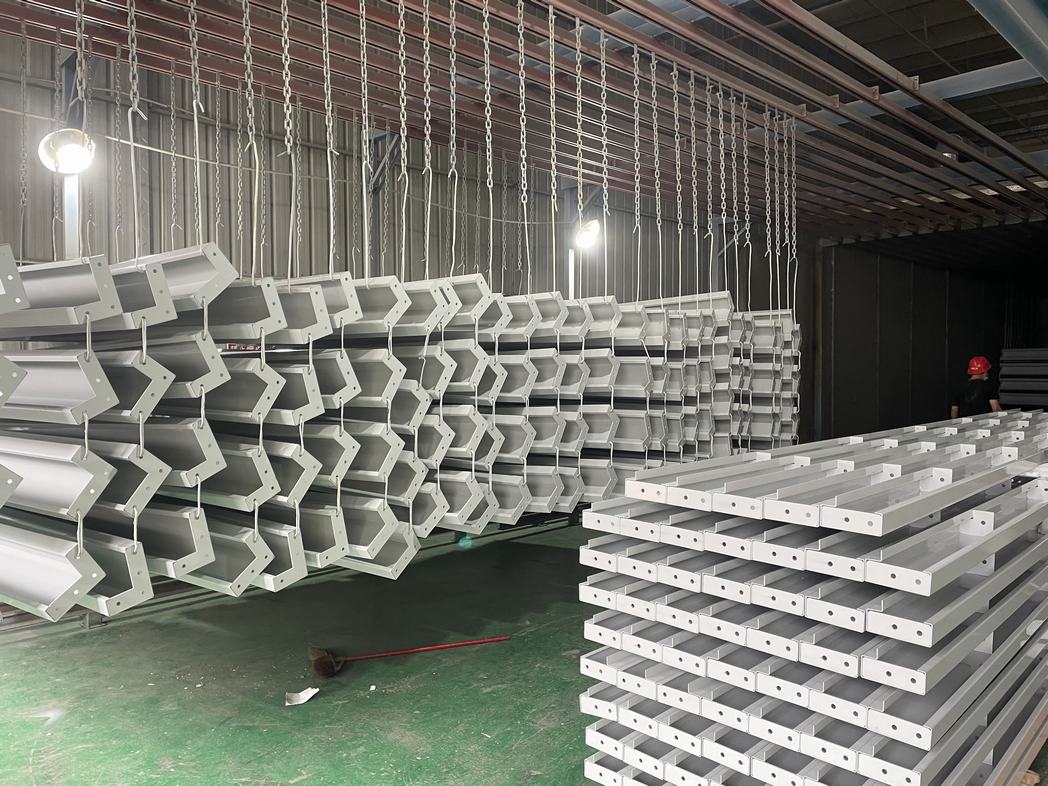
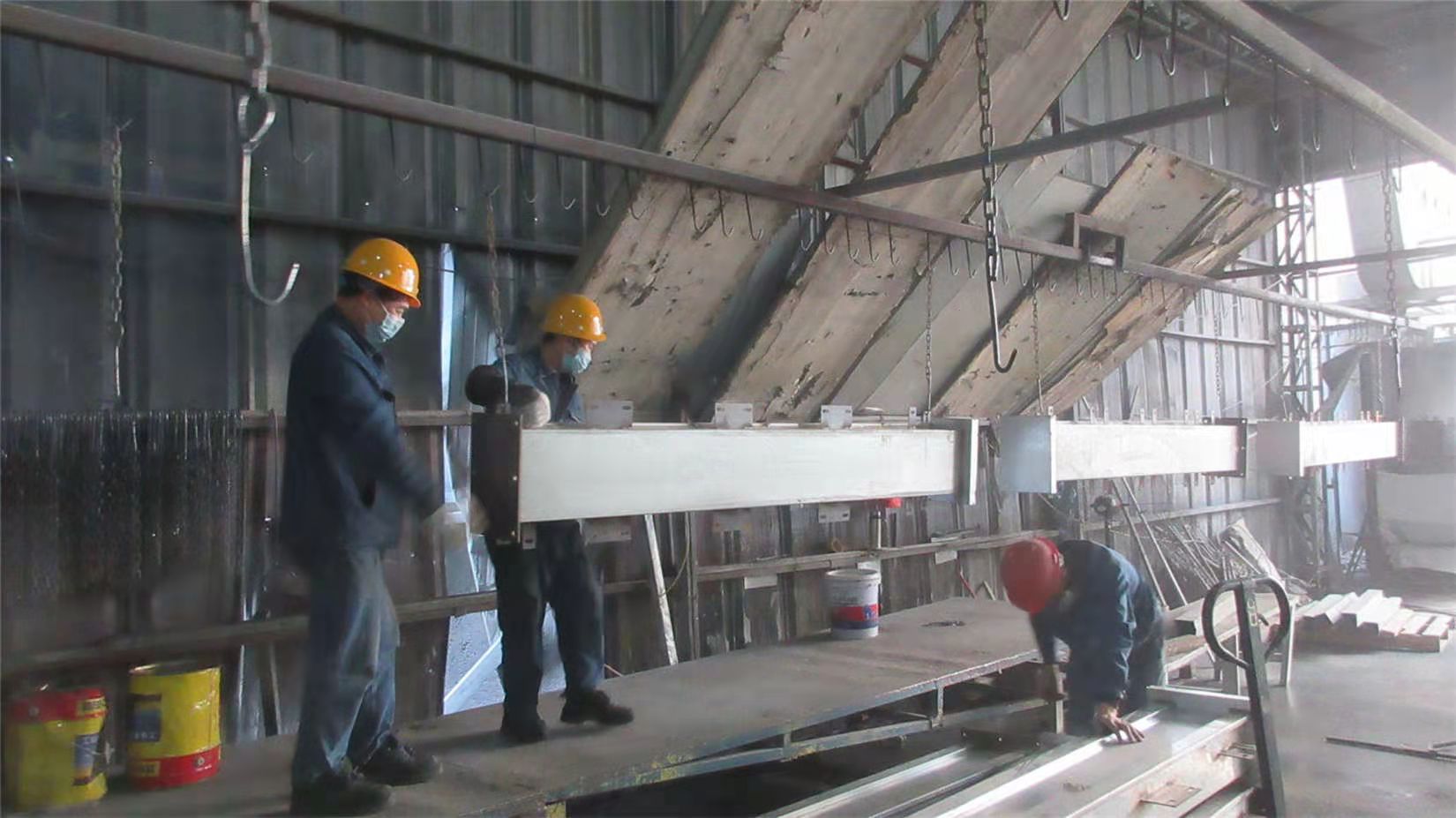
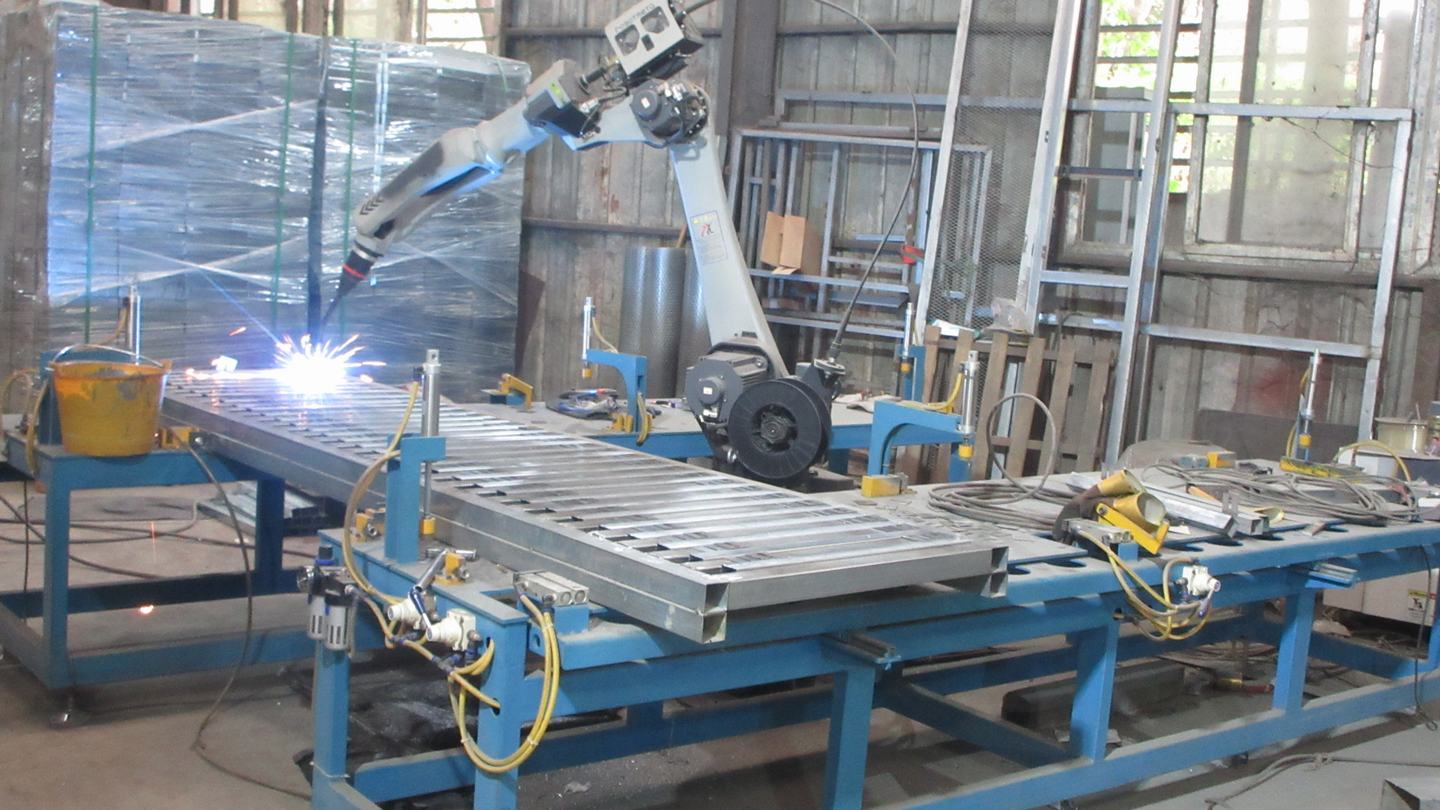
Spray Coating Line Prefab House Factory Robot Welding Machine Prefab House Factory

China Factory 4.0: Supply Chain Resilience & Precision

Manufacturing modular buildings that stand up to coastal salinity requires advanced engineering automation and high-precision welding.

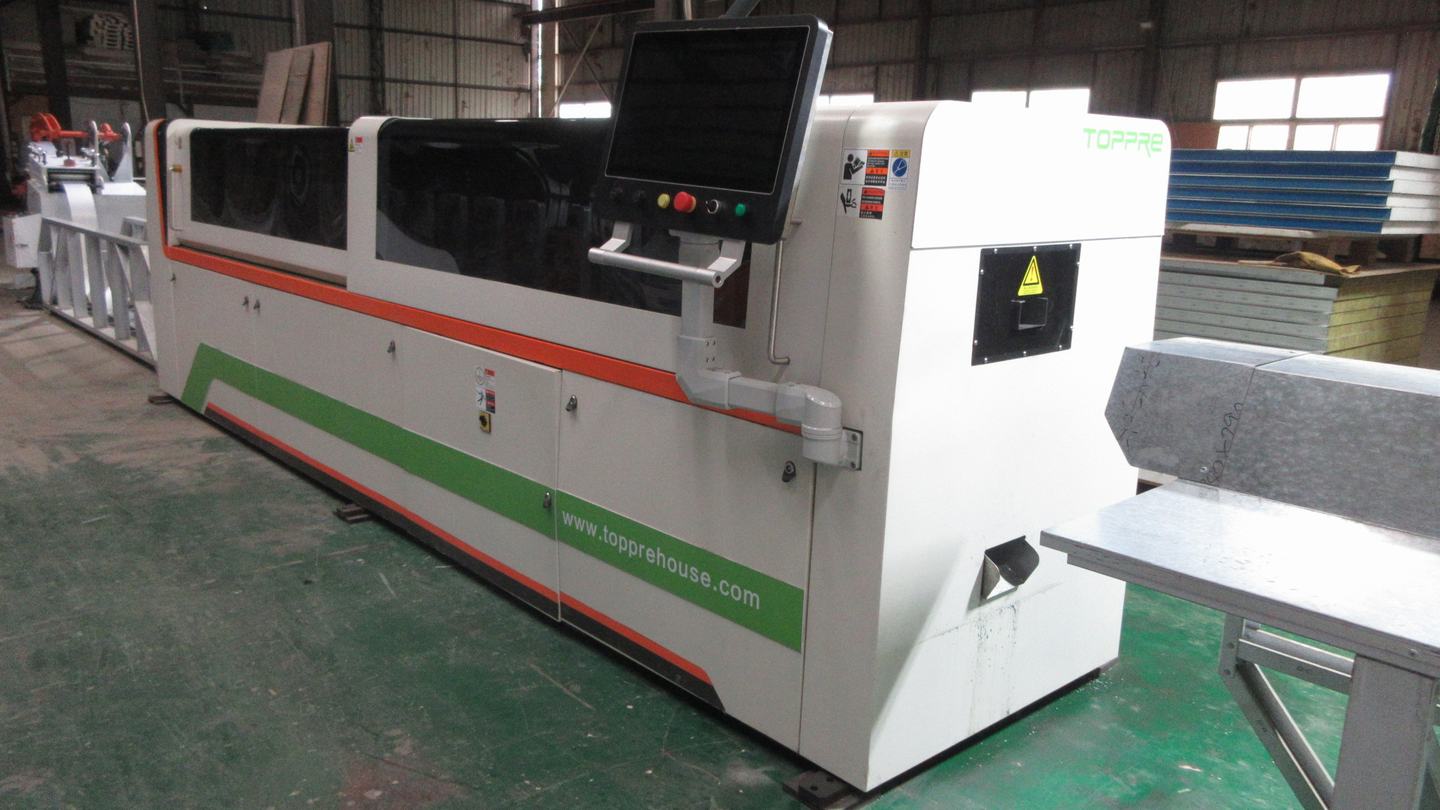
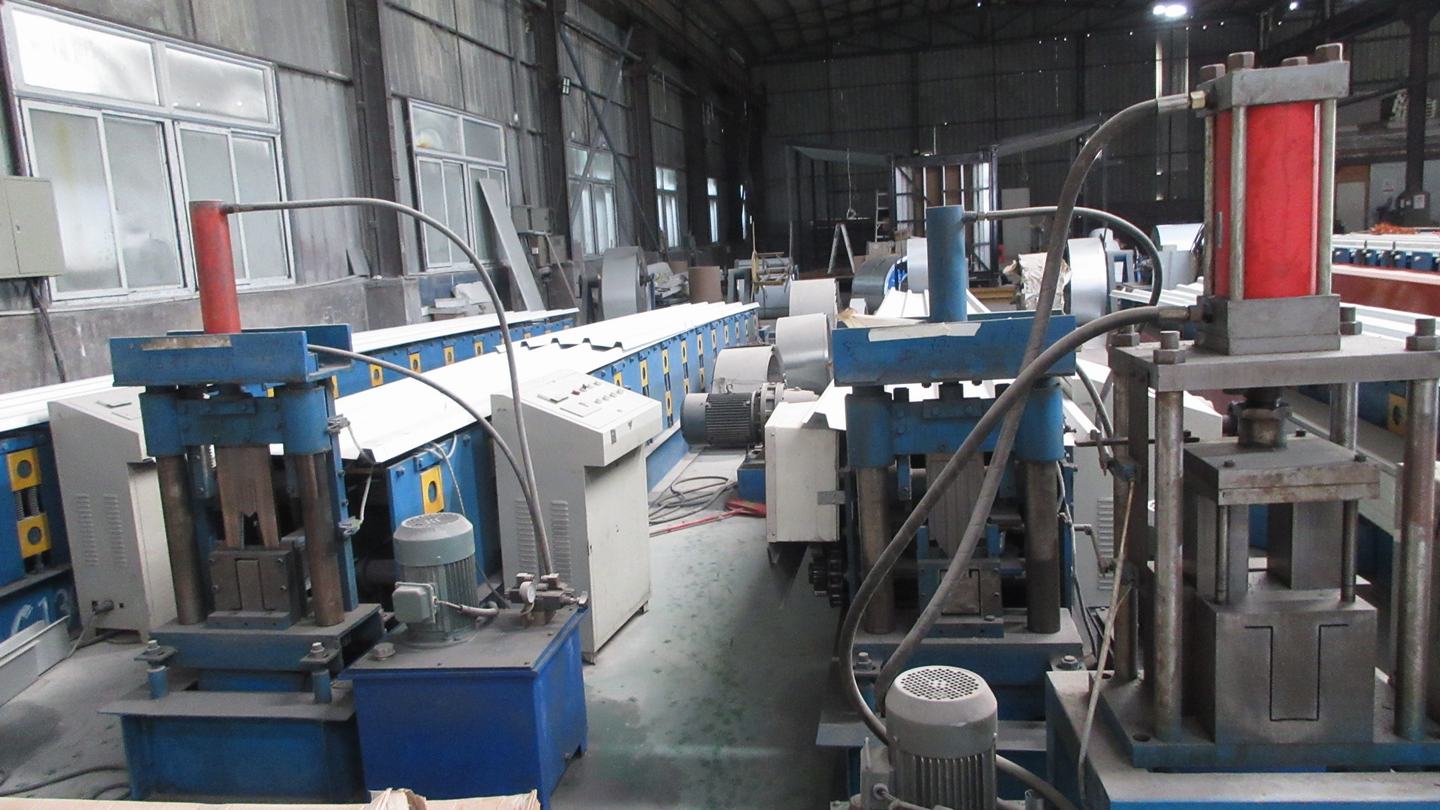
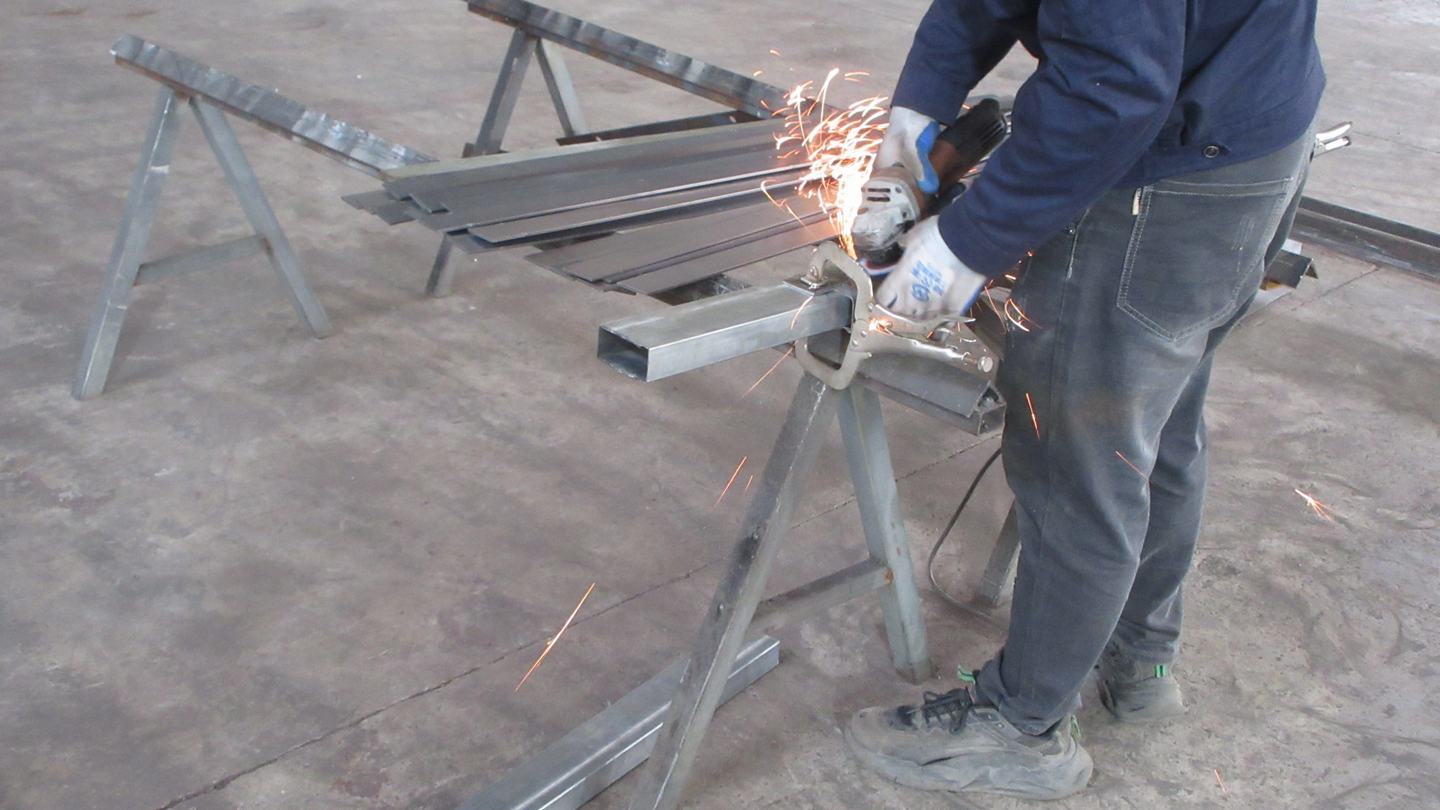
Operating out of our specialized prefabricated house complex in southeast China, we leverage automated smart technology lines. This starts with automated profile cutting, robotic structural welding, and multi-stage continuous spray coating lines to apply protective polymer coatings evenly.

By integrating all manufacturing stages in-house—from cold-roll forming to structural frame coating and custom interior paneling—we guarantee consistent batch compliance, structural rigidity, and faster lead times than traditional construction methods.

Global Export Efficiency

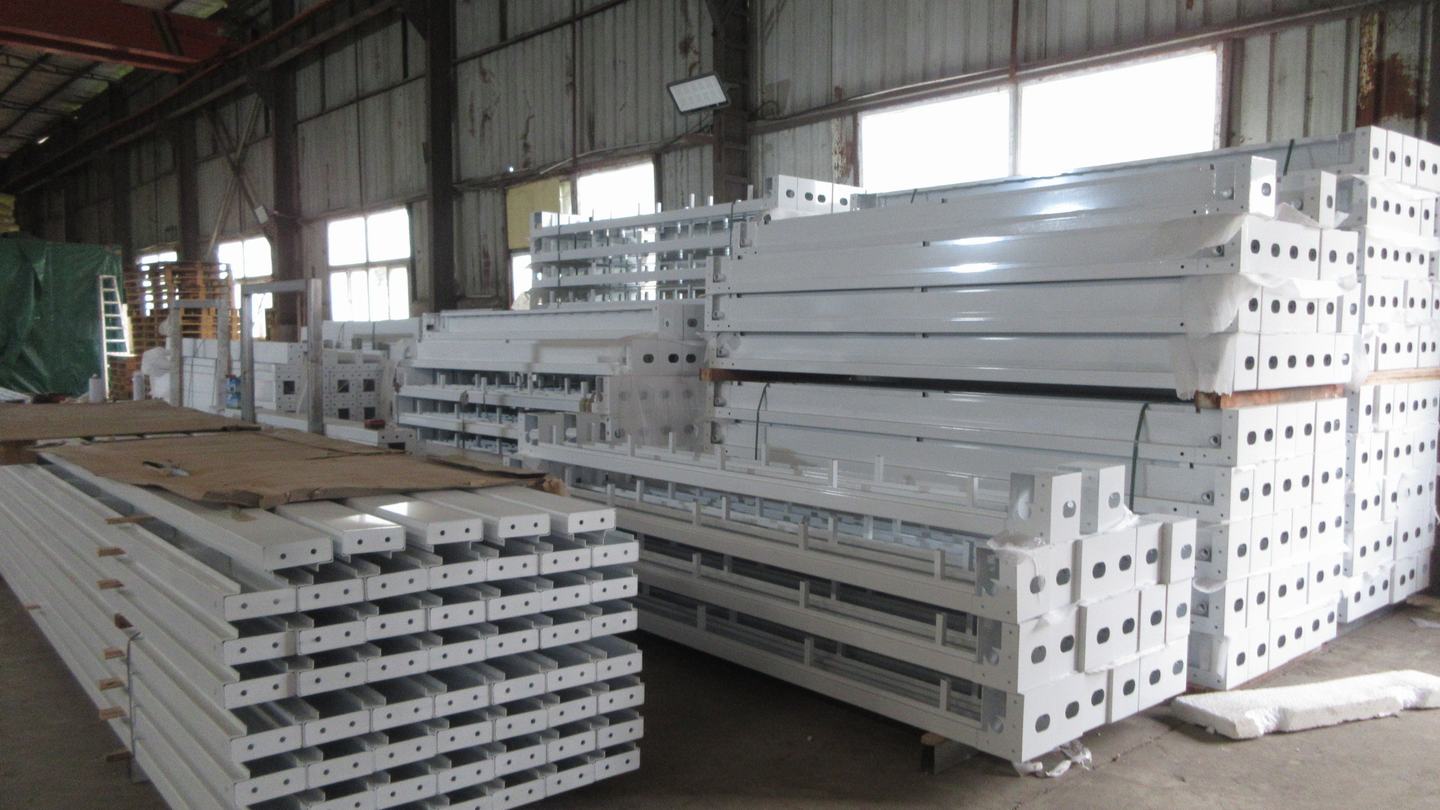
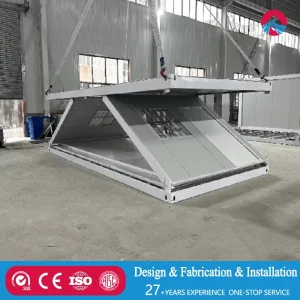
Our system supports flat-pack configurations. Four flat-pack modules nest together to load directly as one 20FT ISO shipping container space. This reduces maritime freight costs to South American ports like Puerto Cabello by up to 75%.

Target Applications Across Venezuela

Versatile pre-engineered building systems designed to support core local sectors: energy camps, resort tourism, and civic facilities.

Mining & Energy Field Camps

Heavy-duty staff accommodations, site control offices, and secure field storage. Easy to disassemble, load, and relocate to follow site excavation zones.

Coastal Tourism & Eco-Resorts

Waterproof, visually modern cabins for islands like Margarita and Los Roques. High resistance to humidity and ocean wind rust, minimizing yearly maintenance.

Emergency & Social Housing

Quick-deployment housing modules for communities impacted by seasonal heavy rain, storms, or landslides. Rapid setup requires only basic tools.

Rigorous Manufacturing

Step-by-Step Quality and Production Flow

From raw material sourcing to structural profiling and final coating, our processes are optimized for marine-grade durability and seismic safety.
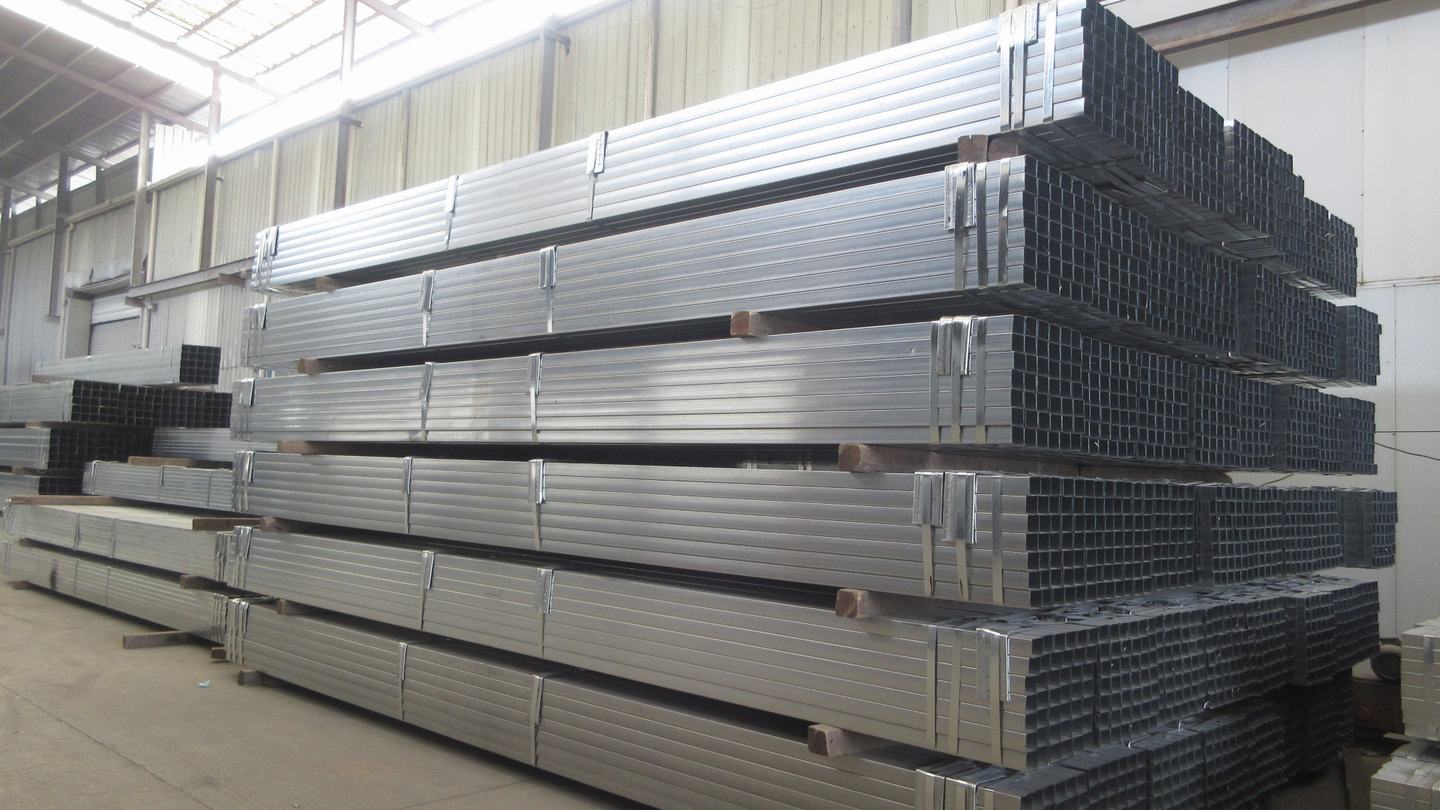
Raw Material Inspection
Step 01
Raw Material Sourcing
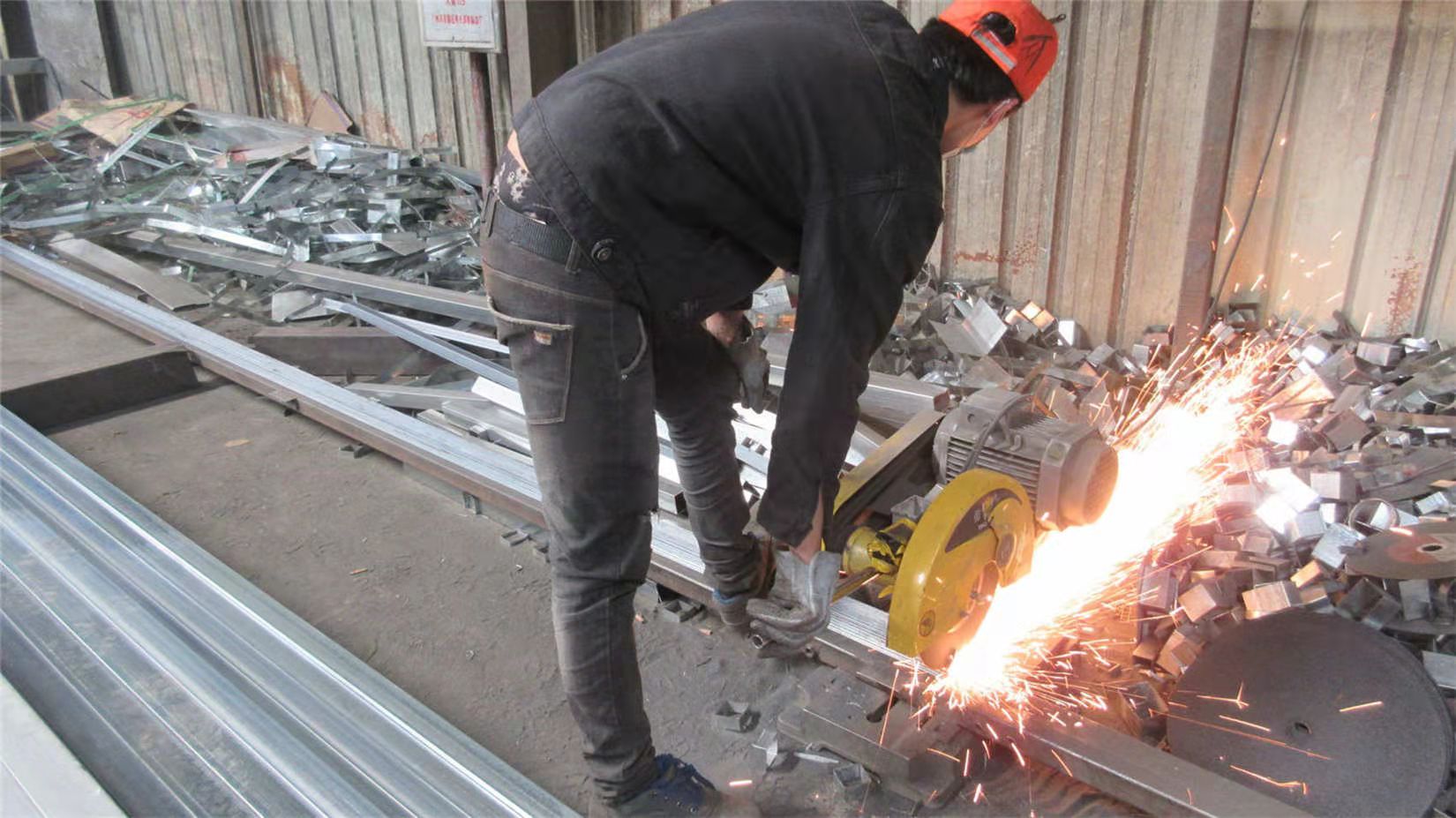
Laser Cutting Frame
Step 02
Precision Profile Cutting
Structural Frame Welding
Step 03
Manual & Robot Welding
Preliminary Painting Anti-Rust
Step 04
Preliminary Anti-Rust Primer
Secondary Painting Protective Coat
Step 05
Secondary Seal Painting
Final High-Polymer Painting
Step 06
Final C5 Anti-Corrosion Spray
Finished Modules Assembly Testing
Step 07
Finished Products Inspection
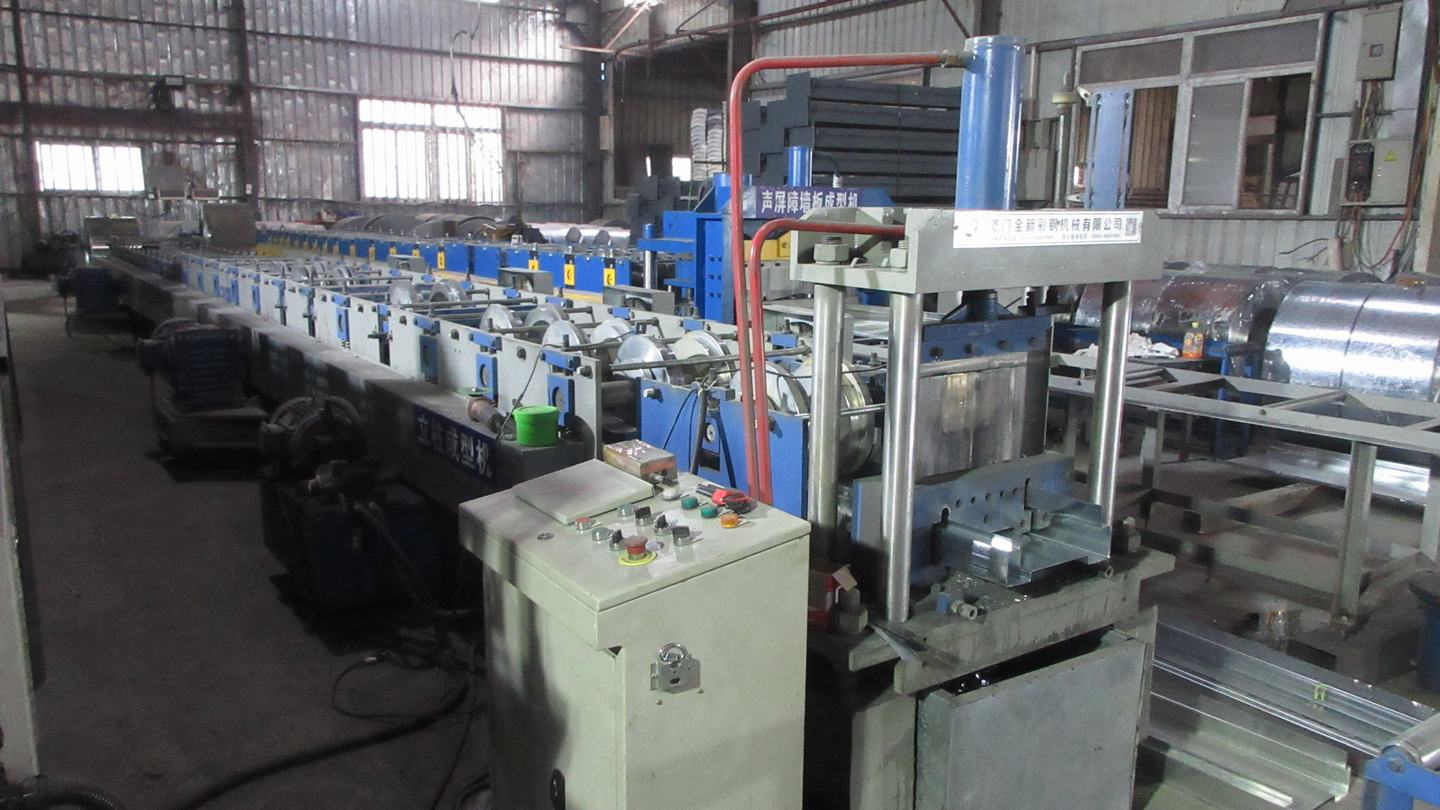
Steel Keel Machine Molding
Step 08
Steel Keel Rolling & Forming
Bending Machine Frame Profiles
Step 09
Automated Bending Lines
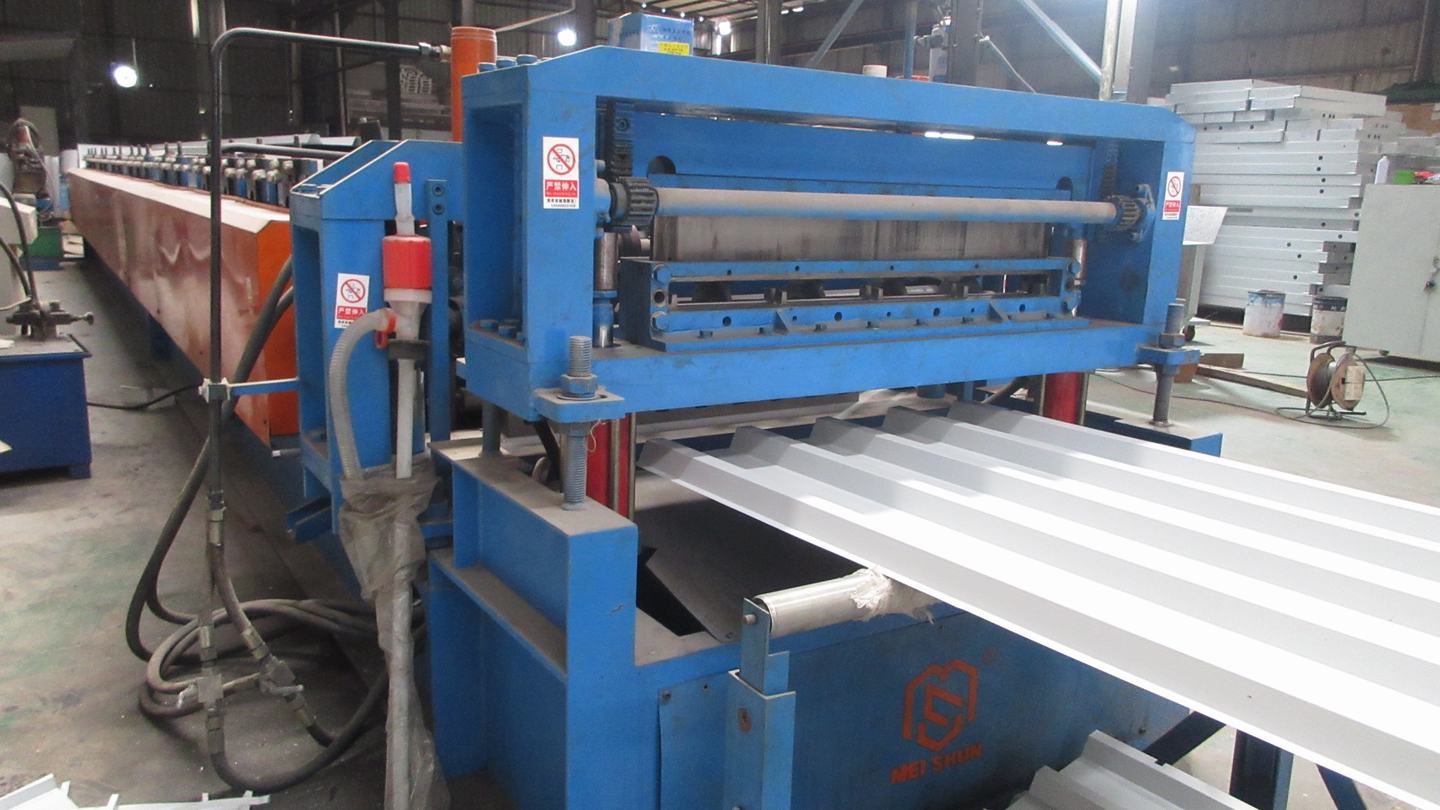
Roof Corrugating Machine Structure
Step 10
Roof Corrugating & Sealing
Profile Machine Processing
Step 11
Profile Machine Optimization
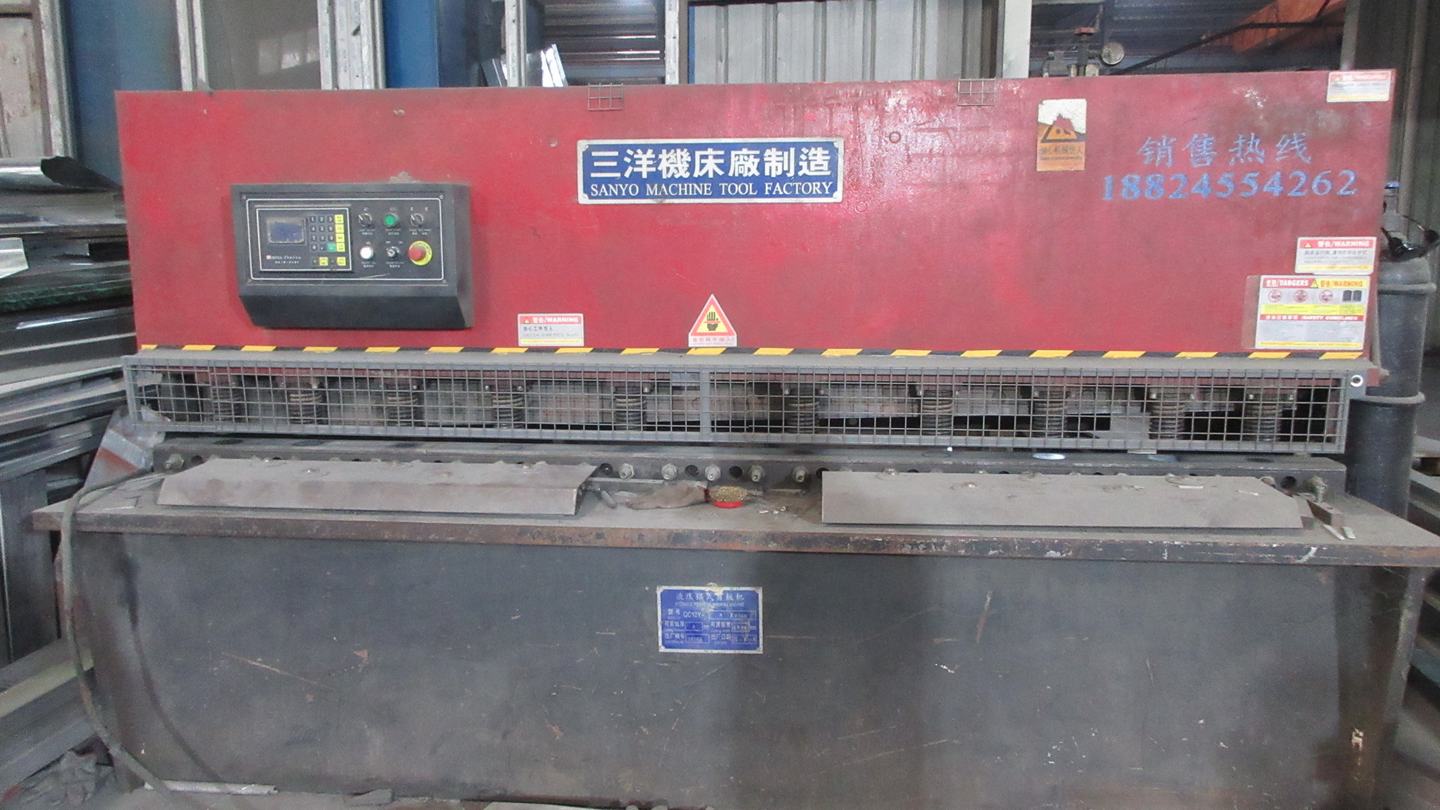
Shear Machine Press
Step 12
Precision Shearing & Sizing
Robot Welding Station
Step 13
Robot Welder Multi-Axis Line
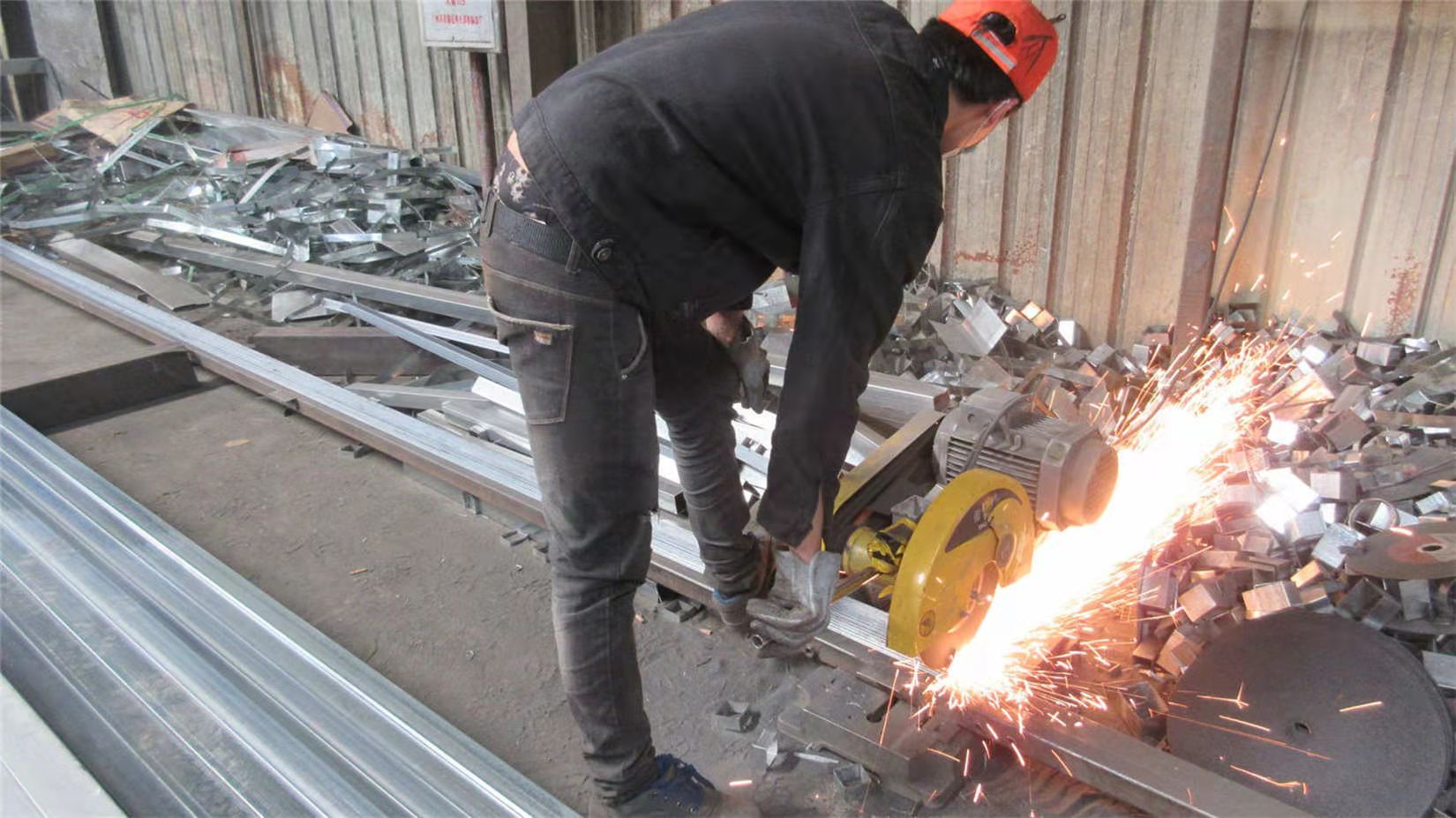
Cutting Machine Shop
Step 14
Advanced Material Cutting
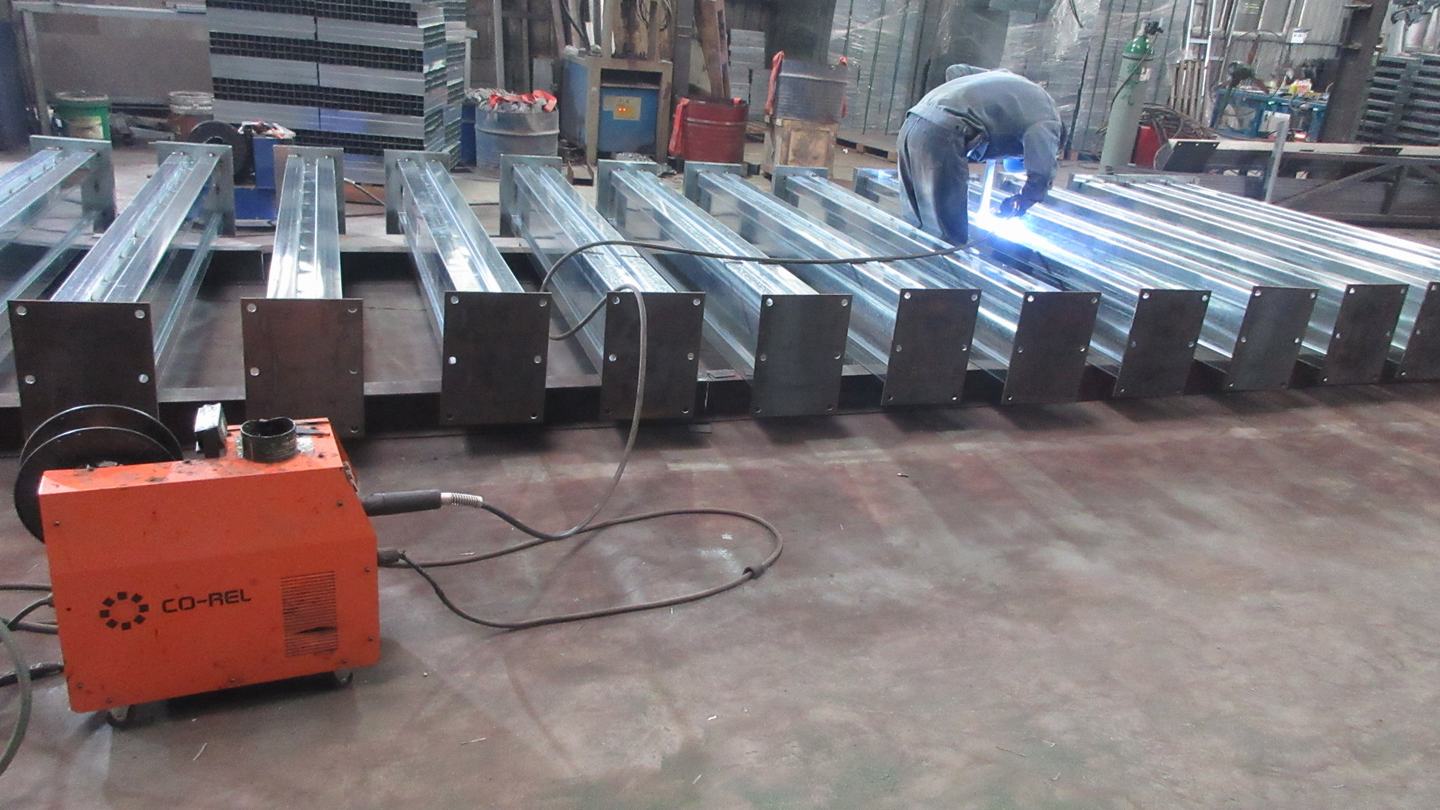
Manual Welder Finishing
Step 15
Manual Welding Reinforcements
Spray Coating Paint Cabin
Step 16
Automated Spray Coating Line
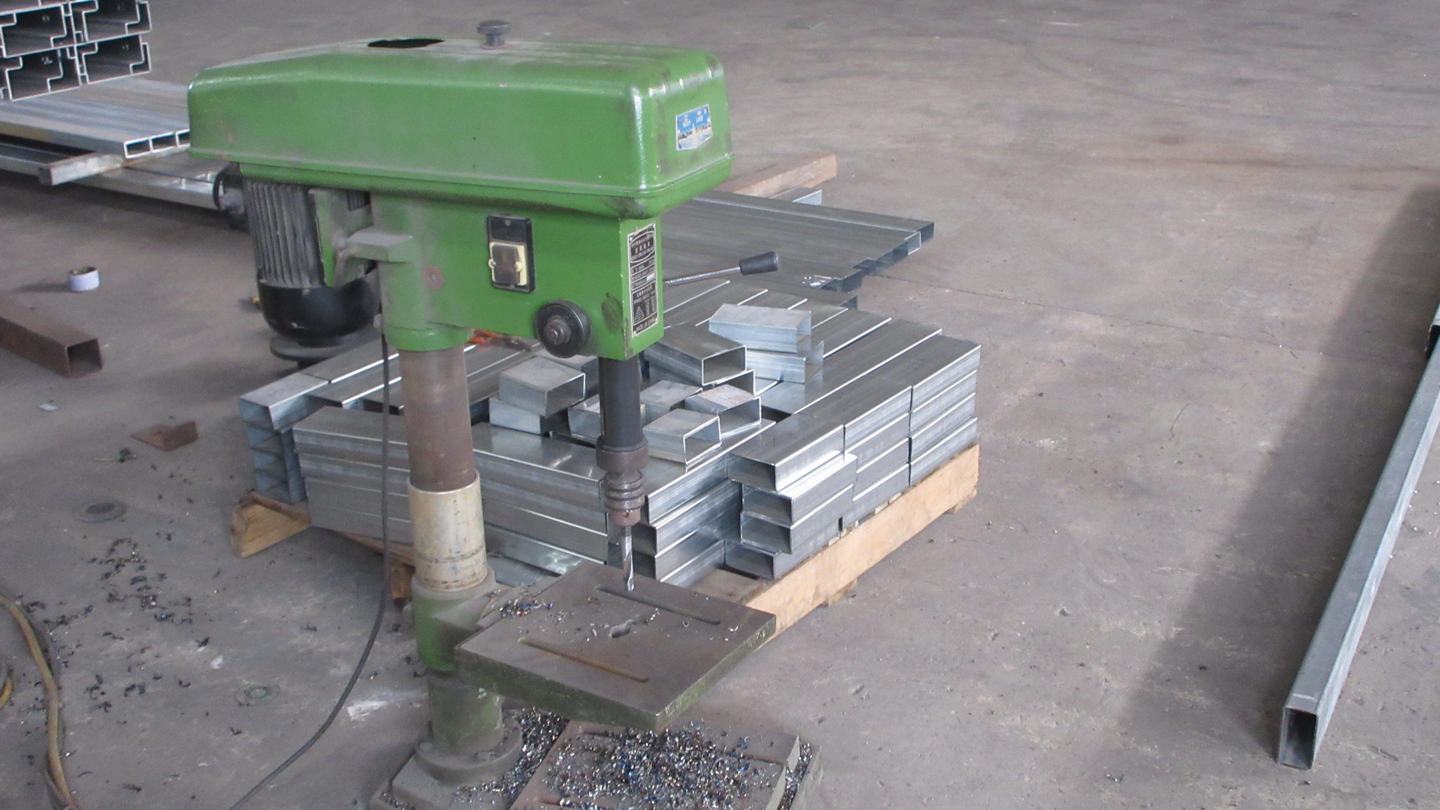
Punch Hole Press Setup
Step 17
Punch Hole Automation
Final Assembly Verification
Step 18
Final Quality Audits

Full Equipment Catalog

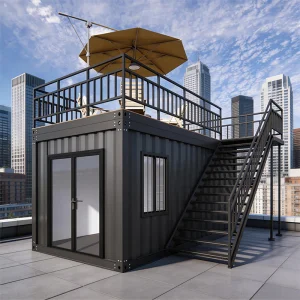
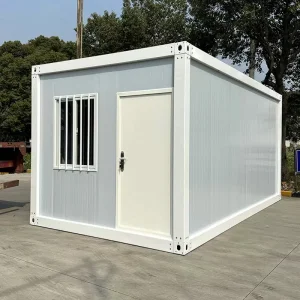
Robust Prefabricated Structural Catalog

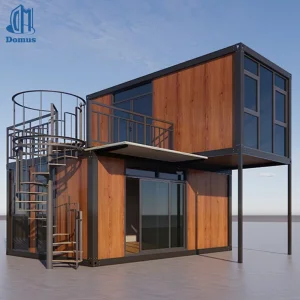
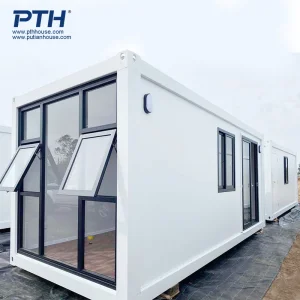
Standard models optimized for marine trade channels, mining camp operations, and temporary commercial facilities.
Technical FAQ

Engineering & Logistics Insights

Addressing high-intent structural design, shipping setups, and site preparation queries for importers in South America.

How do your prefabricated houses prevent rusting in coastal areas like Puerto Cabello or Margarita Island?
We use Q235B structural carbon steel frame members that undergo hot-dip galvanization (minimum coating mass of 120-180g/m²). This is followed by a marine-grade primer and topcoat polyurethane spray system, totaling a minimum dry film thickness of 120μm. This paint schedule achieves Class C4/C5 durability ratings, effectively isolating the structural metal from high atmospheric salinity and humidity.
What is the structural wind load capacity? Can they withstand hurricanes?
Yes. Our standard prefabricated structures are engineered to withstand wind pressures up to 0.6 kN/m², which translates to Grade 12 winds (approximately 117-133 km/h). For storm-prone areas, we provide customized frame reinforcements and ground anchor systems to handle higher loads.
What insulation and interior temperature control options are available?
We offer three wall insulation panel core options: Polyurethane (PU/PIR), high-density Rockwool, or EPS. For the tropical climate of Venezuela, we recommend 75mm or 100mm PU panels. These offer a low thermal conductivity rating of 0.022-0.028 W/(m·K), keeping interiors cooler and lowering AC power demand by up to 40%.
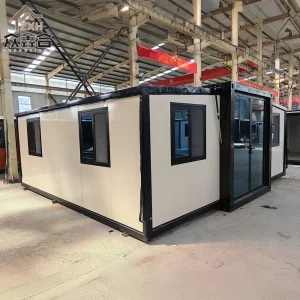
How are the folding or flat-pack houses packaged and loaded for ocean freight?
For folding houses (Z-type), the panels fold down flat, allowing 10 to 12 units to fit inside a single 40FT HQ shipping container. For standard container frames, 4 flat-packs package together as one SOC (Shipper Owned Container) unit, matching a standard 20FT container size. This makes cargo loading quick and reduces port handling costs.
What type of foundation is required on-site?
Our modular prefab designs don't require heavy concrete foundations. A simple strip concrete foundation, pier foundation blocks, or steel screw piles are sufficient. The subframe must be level to guarantee quick wall connection and long-term waterproof sealing.

Ready to Optimize Your Industrial Housing Project?

Get in touch with our design engineers for detailed drawings, wind load calculations, and tailored container cargo quotes.