Ruifa Modular House Ruifa Modular House

Premium Modular Construction & Engineering

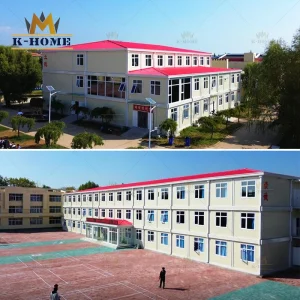
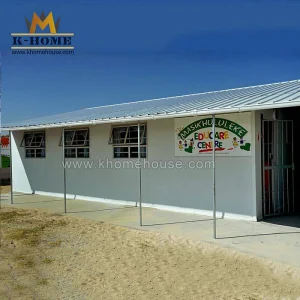
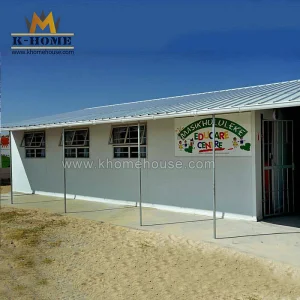
Prefabricated School Classroom Building Manufacturers & Factories serving the Castries market

Engineering Specifications for St. Lucia's Climate

Our prefabricated steel structures are specifically custom-engineered to withstand tropical maritime climates, seismic events, and wind categories common in the Eastern Caribbean.

180 MPH
Wind Load Resistance
C5-M
Corrosion Protection
R-30
Thermal Insulation Value
Zone 4
Seismic Design Code

Hurricane & Wind Resilience

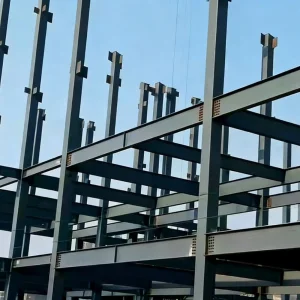
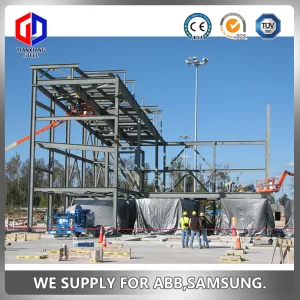
Specially reinforced chassis and high-tensile steel frame nodes ensure structural integrity under extreme wind loads, meeting Caribbean structural mandates.

Thermal & Acoustic Comfort

Equipped with high-density polyurethane (PU) or rockwool core sandwich panels to effectively isolate heat and eliminate external noise during rainstorms.

Rapid On-Site Assembly

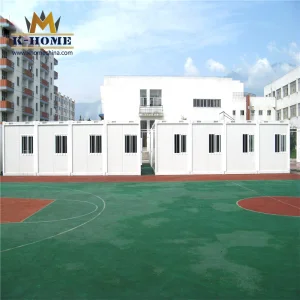
Precision-manufactured components allow local contractors in Castries to assemble complete modular units within days, reducing overall project timelines.

The Strategic Transition to Modular Classrooms in Castries, St. Lucia

The capital city of Castries, characterized by its vibrant coastal commercial zones and inland hilly educational areas, is currently facing an infrastructure bottleneck. Traditional brick-and-mortar educational facilities require extensive, disruptive building cycles. Furthermore, the local humid maritime environment accelerates concrete degradation and carbonation, while the persistent threat of tropical disturbances demands structural resilience beyond standard thresholds. Our prefabricated school classroom buildings provide a rapid-deployable, seismically sound, and cost-efficient alternative.

Local Educational Infrastructure Challenges in St. Lucia

Schools across Castries and neighboring communities like Gros Islet require dynamic spaces that can scale rapidly to keep up with demographic shifts and urbanization. The regional geography introduces logistics and construction challenges, specifically regarding standard concrete pouring, aggregates transportation, and skilled onsite labor shortages. Through off-site manufacturing, school authorities and non-governmental entities can bypass seasonal wet weather constraints, executing construction phases inside highly controlled factory facilities.

Structural Compliance & Hurricane Adaptation

Our prefabricated classroom solutions comply directly with the Caribbean Uniform Building Code (CUBiC) and local Saint Lucian developmental regulations. We integrate several specific regional adjustments:

  • Anti-Corrosive Finishing: Marine-grade powder coatings and hot-dip galvanized steel frames protect classrooms from salt-spray damage in coastal Castries zones.
  • Elevated Substructures: Elevating classroom floors using custom steel piers minimizes inundation risks during severe tropical downpours and low-lying coastal flooding events.
  • Engineered Truss Systems: Roof structures are reinforced to sustain negative pressure suction associated with high-velocity wind loads.

Global Modular Trends and the Caribbean Blueprint

Globally, educational ministries are transitioning from heavy permanent concrete builds to flexible modular campus designs. The reduction of carbon emissions during the manufacturing phase aligns with Saint Lucia's national commitments to sustainability and climate resilience. The integration of high-performing insulation materials reduces long-term reliance on heavy air-conditioning systems, yielding continuous operational savings for Castries educational boards.

Technical Fabrication Roadmap

We operate a state-of-the-art production pipeline spanning raw steel processing to final anti-rust surface spray painting. By utilizing high-tech robotic welding, automated panel compression, and precise metal forming, we maintain structural consistency across thousands of manufactured units. This level of quality control is simply unachievable through traditional in-situ building methods.

Why Partner With Us?

Decades of Manufacturing Expertise: We manage every step in-house, ensuring robust quality and rapid supply chains to Caribbean ports.

End-to-End Solutions: From architectural steel framing design to internal MEP (Mechanical, Electrical, Plumbing) pre-fittings, we supply complete turnkey configurations.

Sustainable and Green: Recyclable steel profiles, low VOC materials, and efficient thermal ratings provide a healthier learning environment.

Get a Project Quote

Advanced Production Line & Raw Material Processing

As a leading prefabricated building manufacturer, we deploy a complete R&D, manufacturing, and quality control system utilizing computerized heavy machinery.
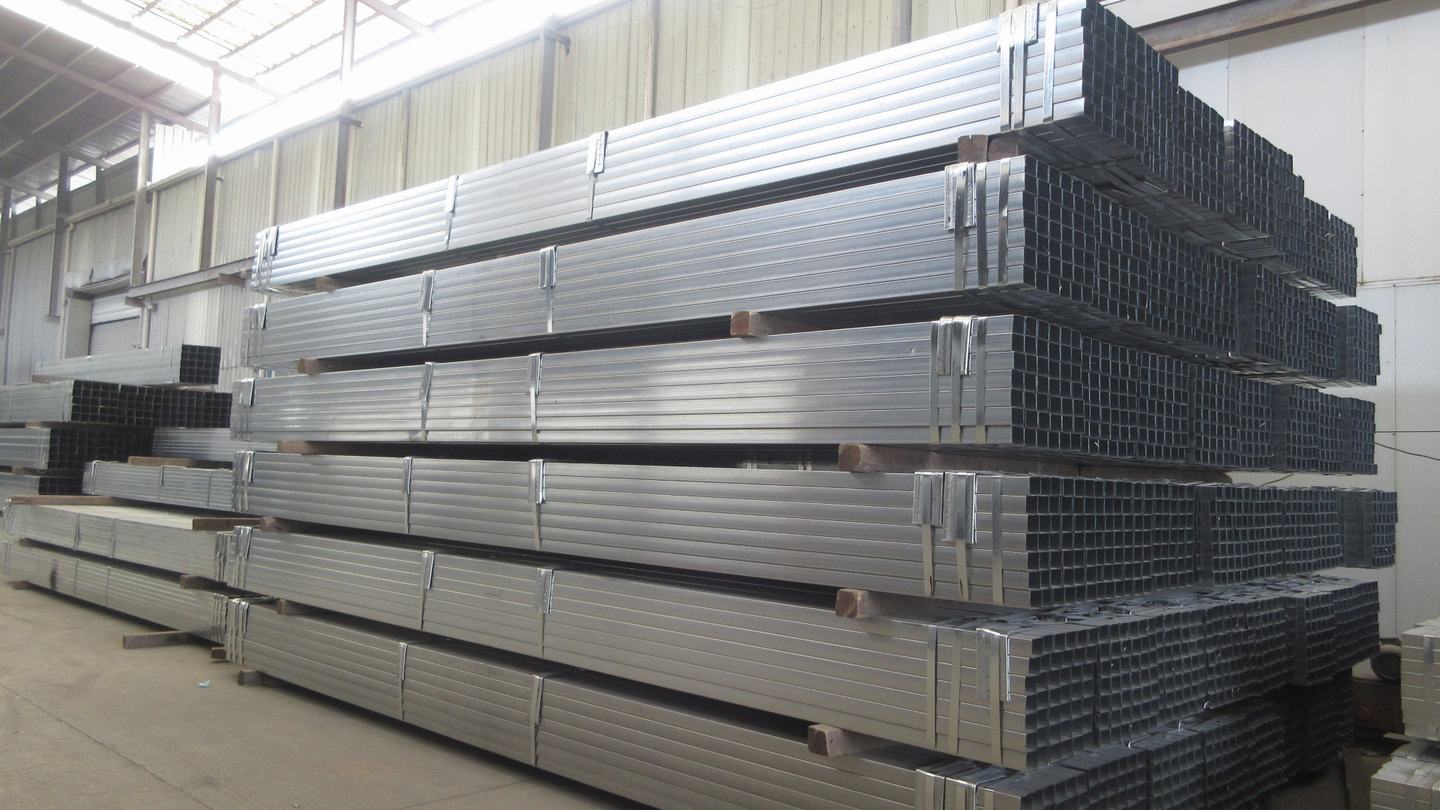
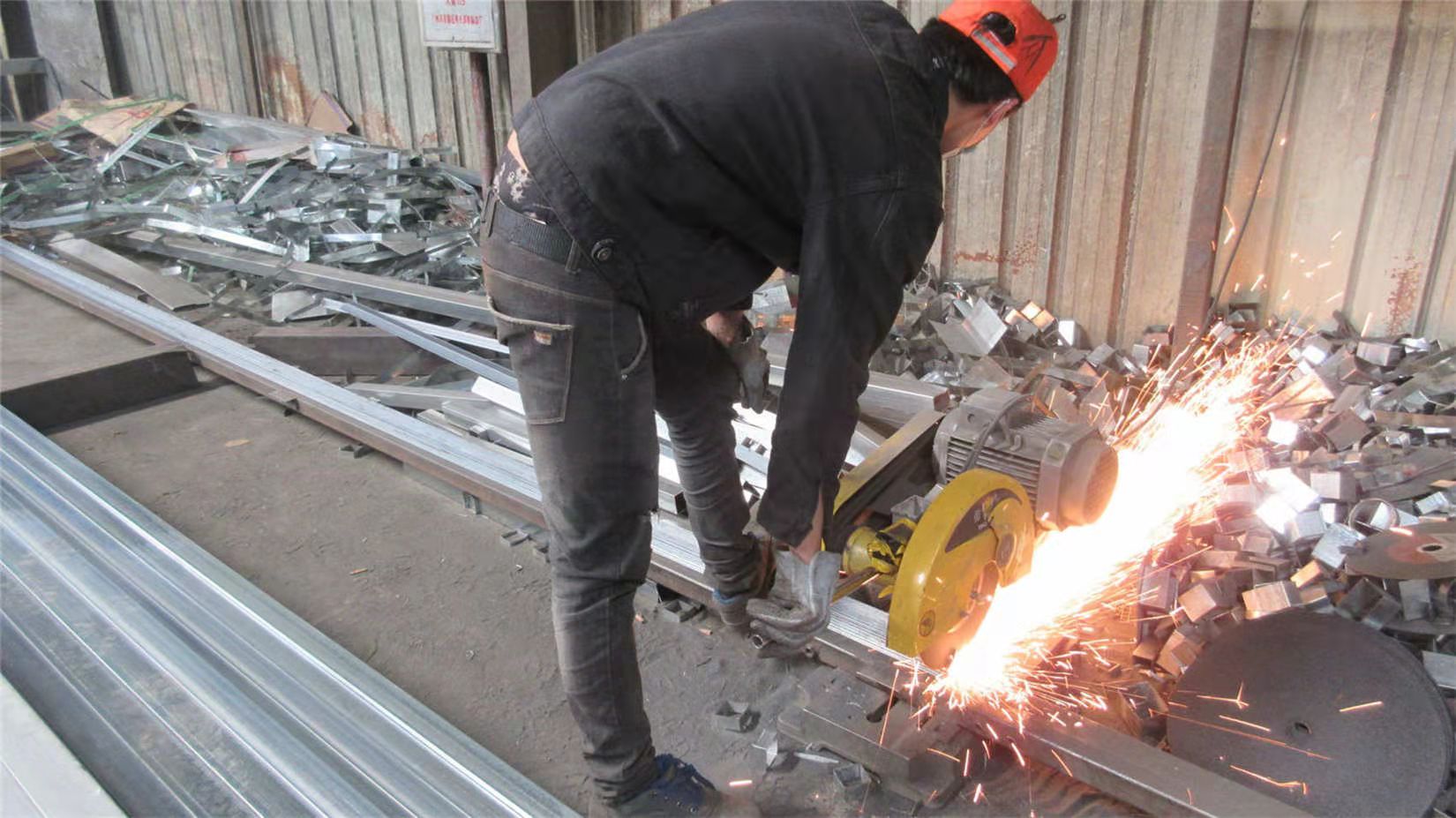
Raw Material processing for prefabricated buildings
Raw Material Storage & Inspection
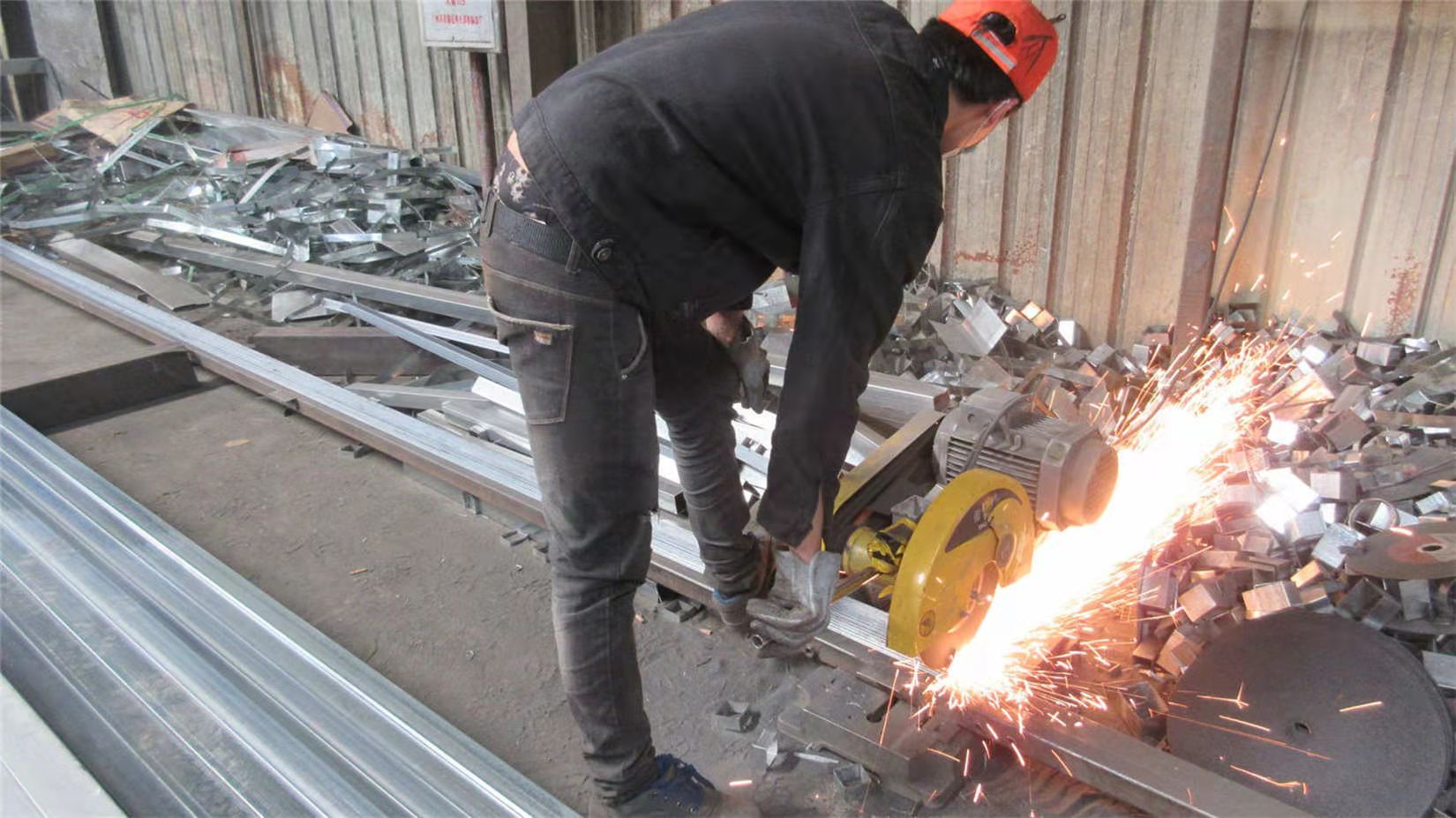
Cutting process of steel components
High Precision Steel Cutting
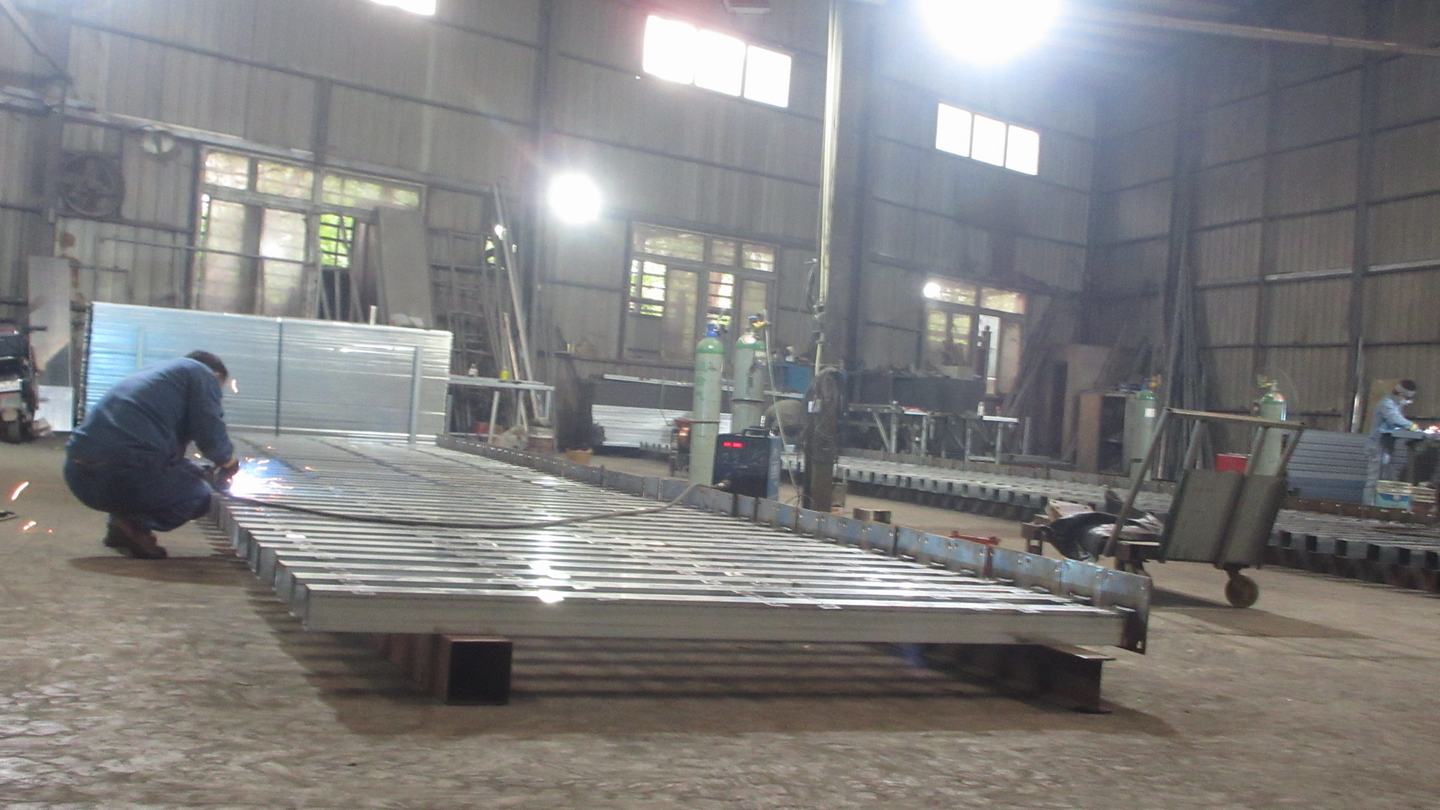
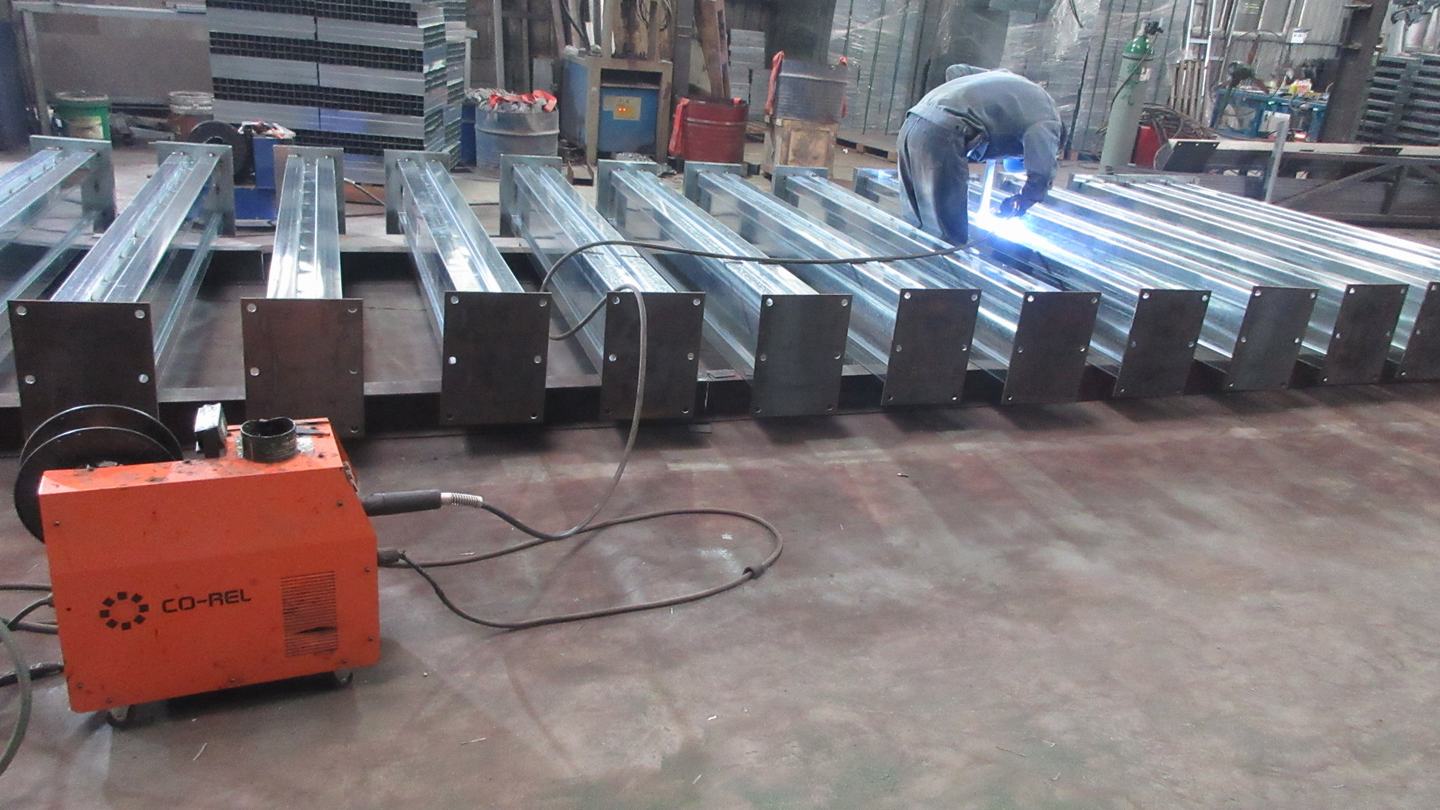
Welding steel frames for classroom structures
Heavy-Duty Frame Welding
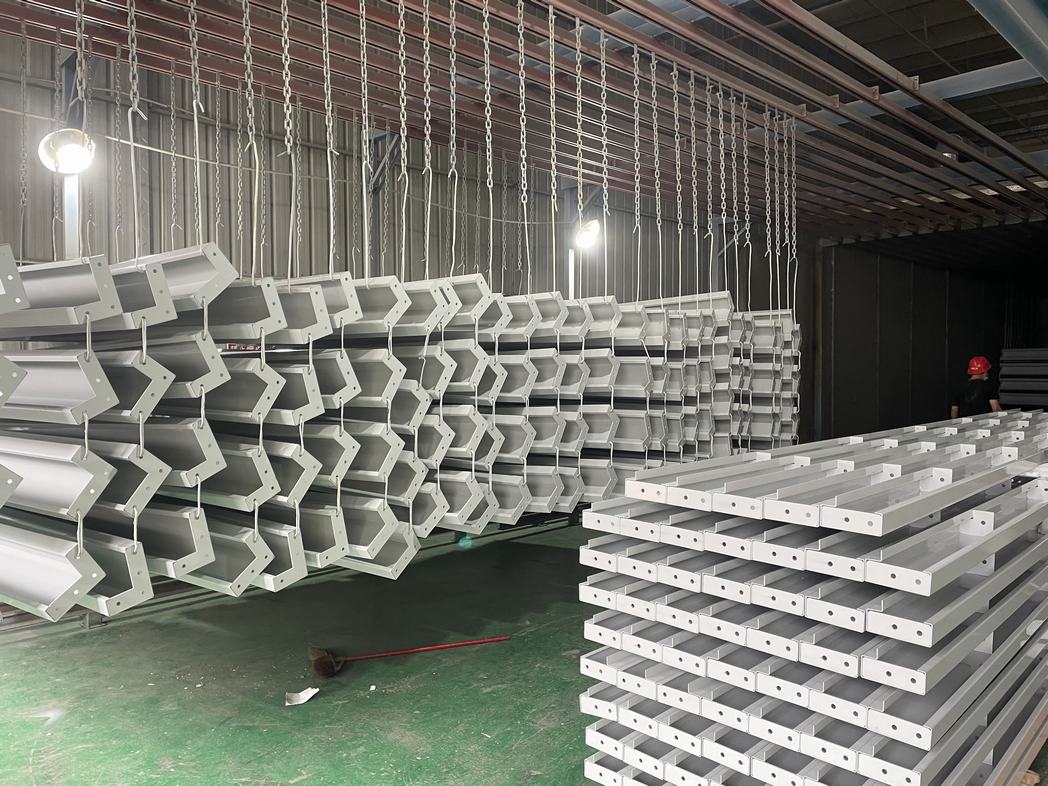
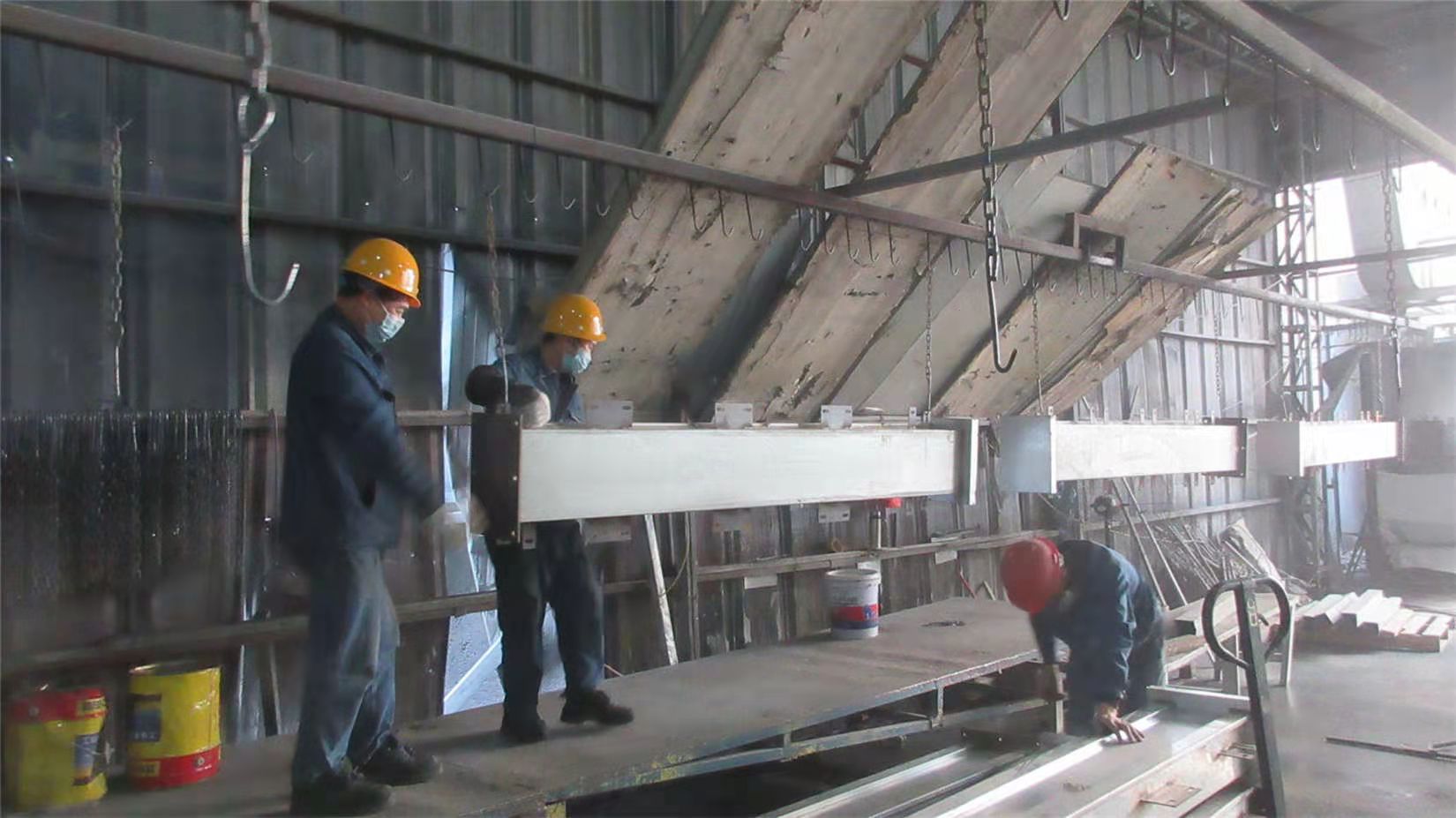
Preliminary painting for steel corrosion prevention
Preliminary Anti-Rust Painting
Secondary painting coating for modular classrooms
Secondary Coating Application
Final painting line for weather protection
Final Weatherproof Top-Coat
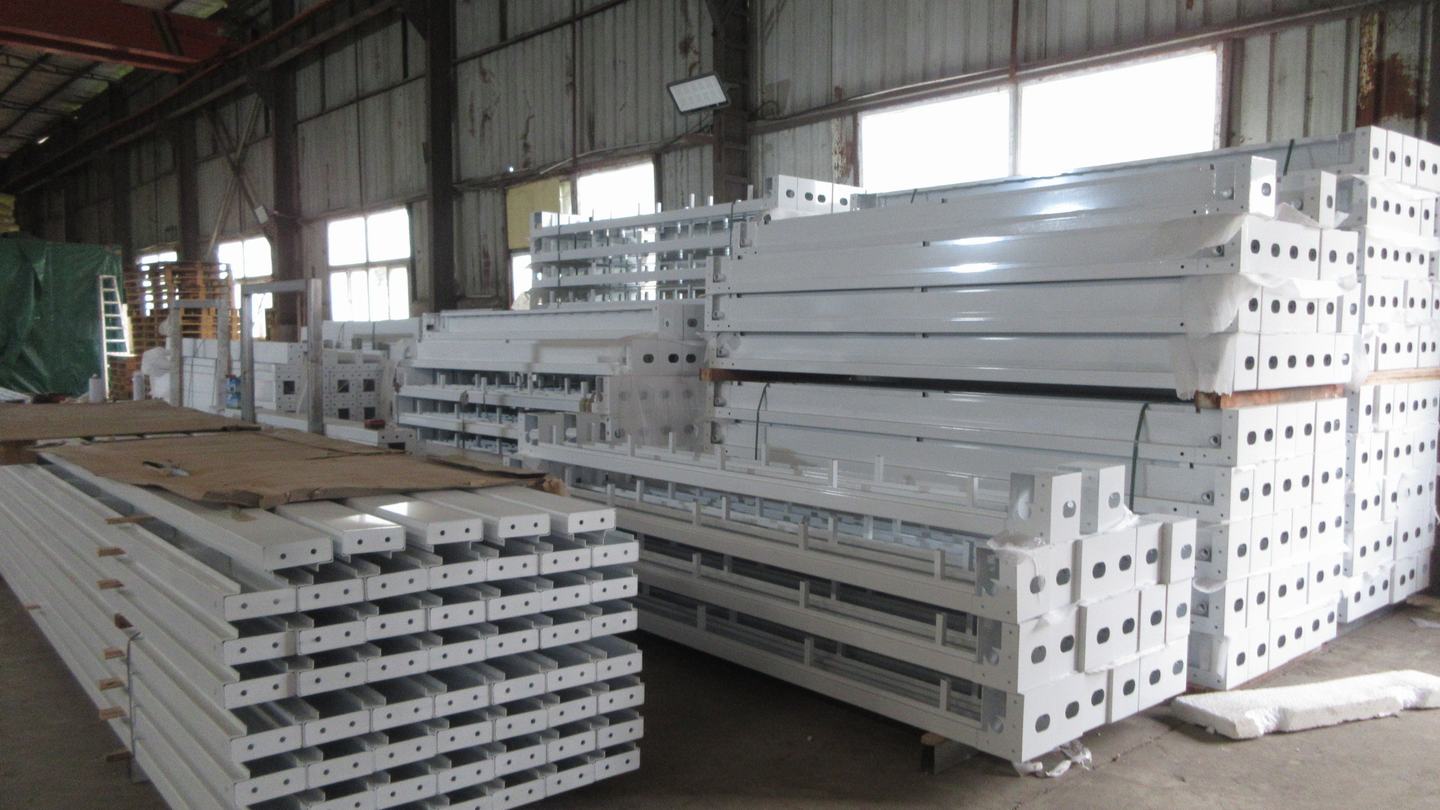
Finished prefabricated products
Finished Product Quality Control
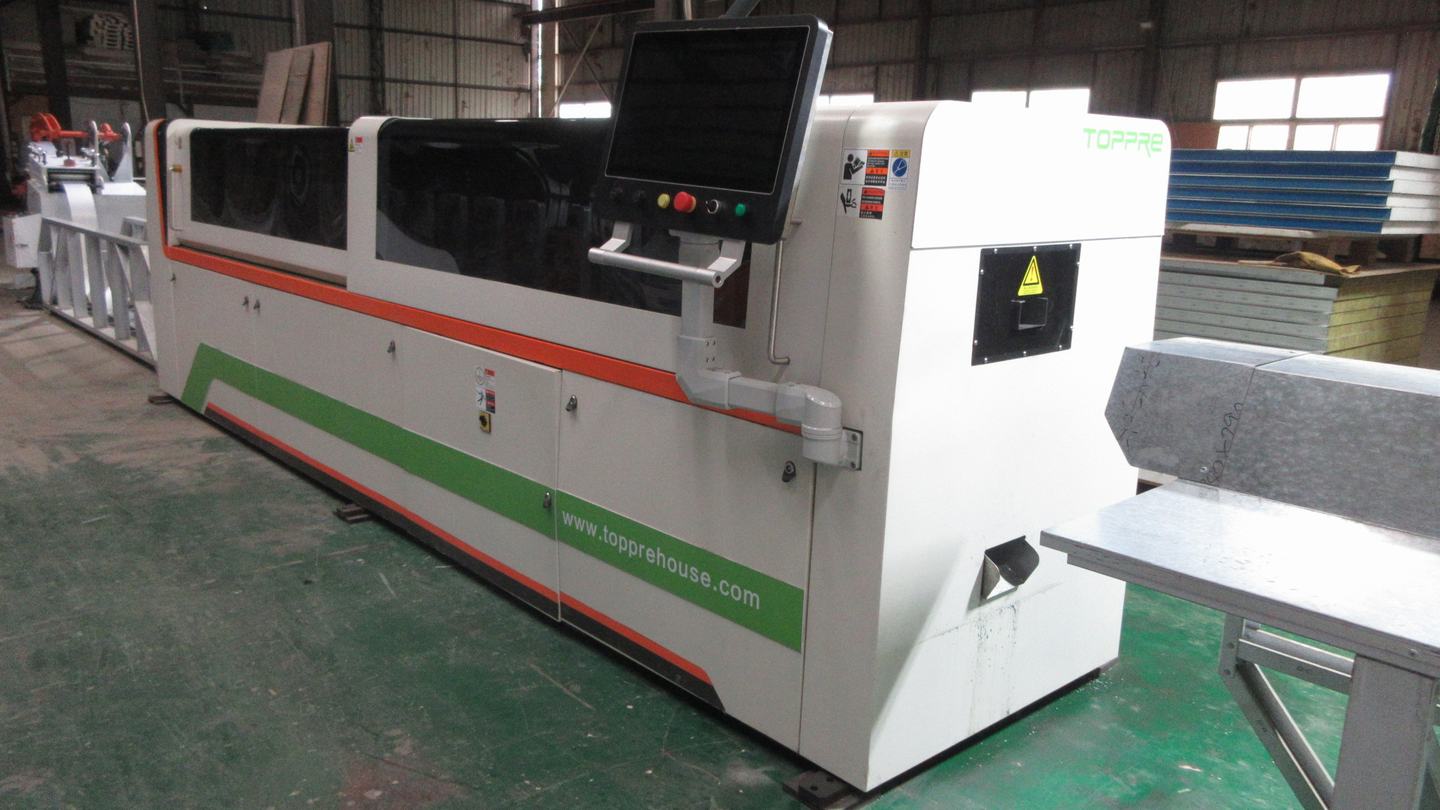
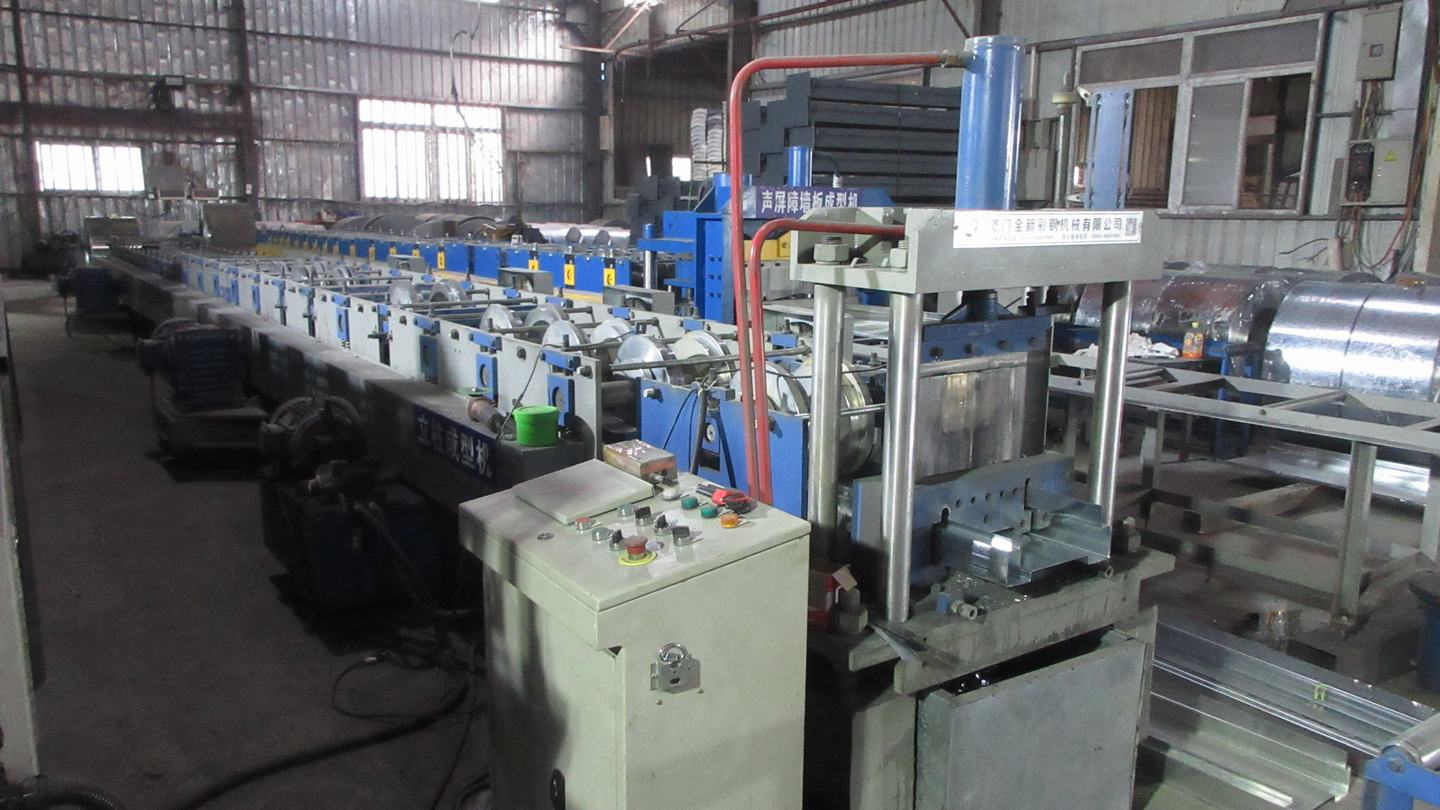
Steel Keel Machine operations
Steel Keel Rolling Machine
Bending Machine for structural steel profiles
Automated Bending Station
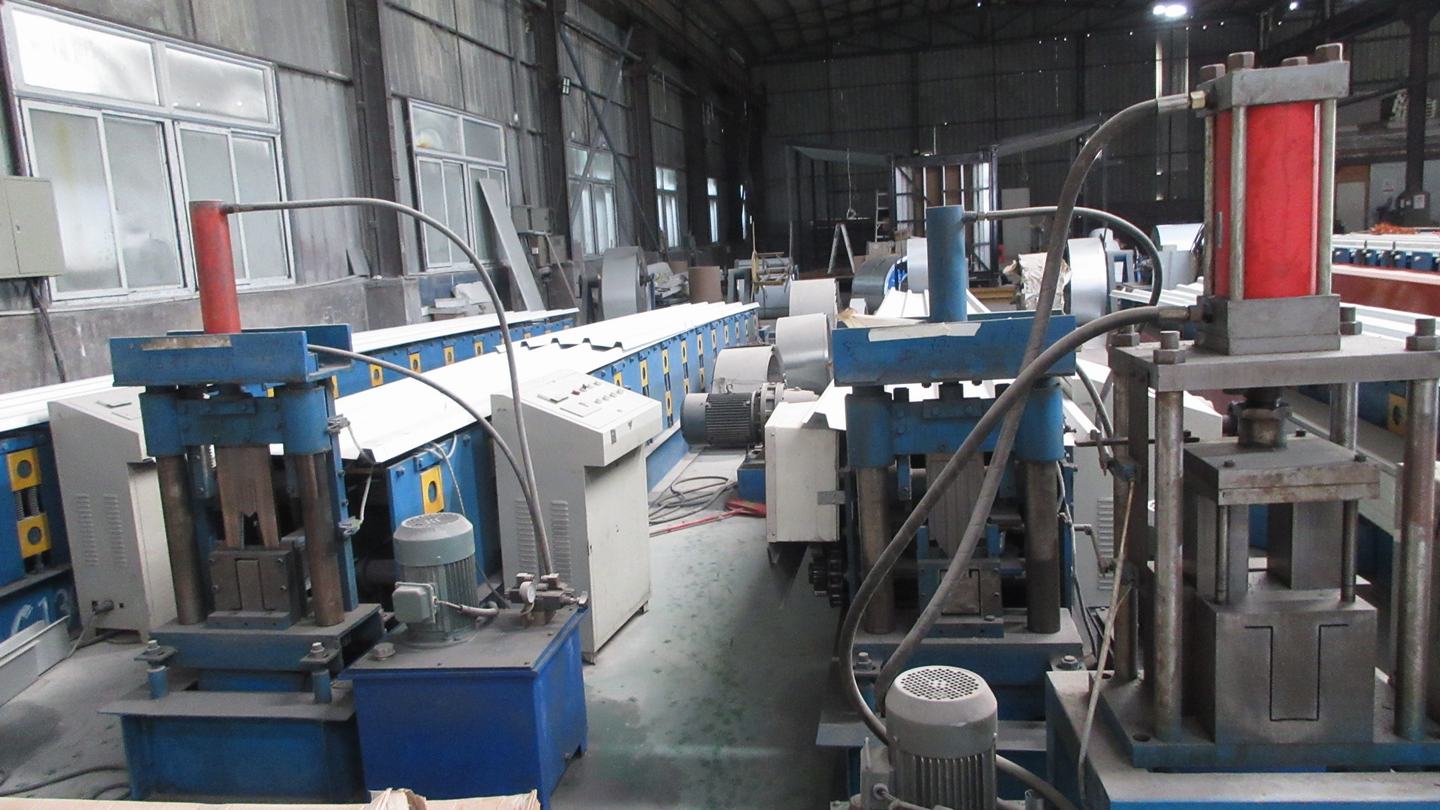
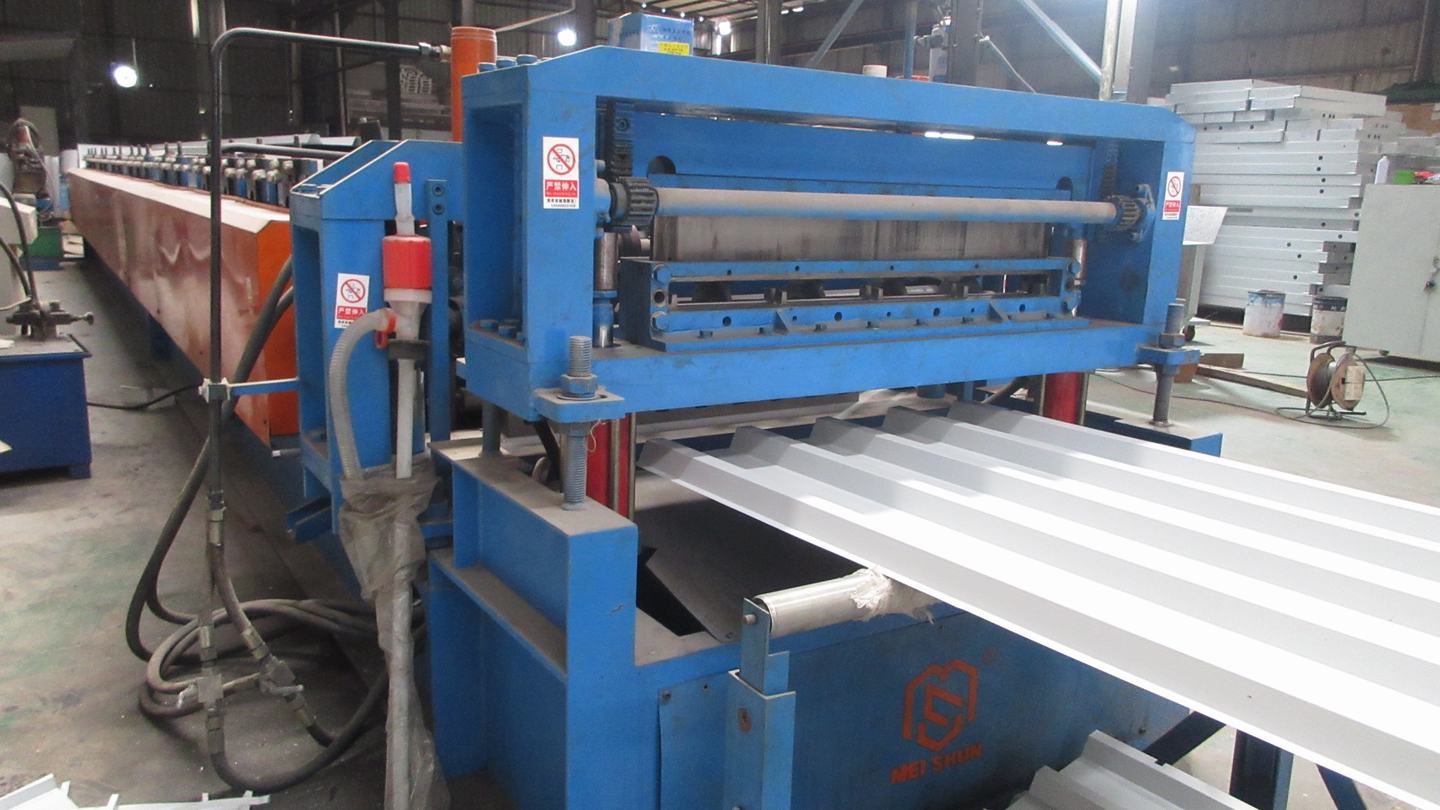
Roof Corrugating Machine
Roof Panel Corrugation
Profile Machine processing
Heavy Column Profile Milling
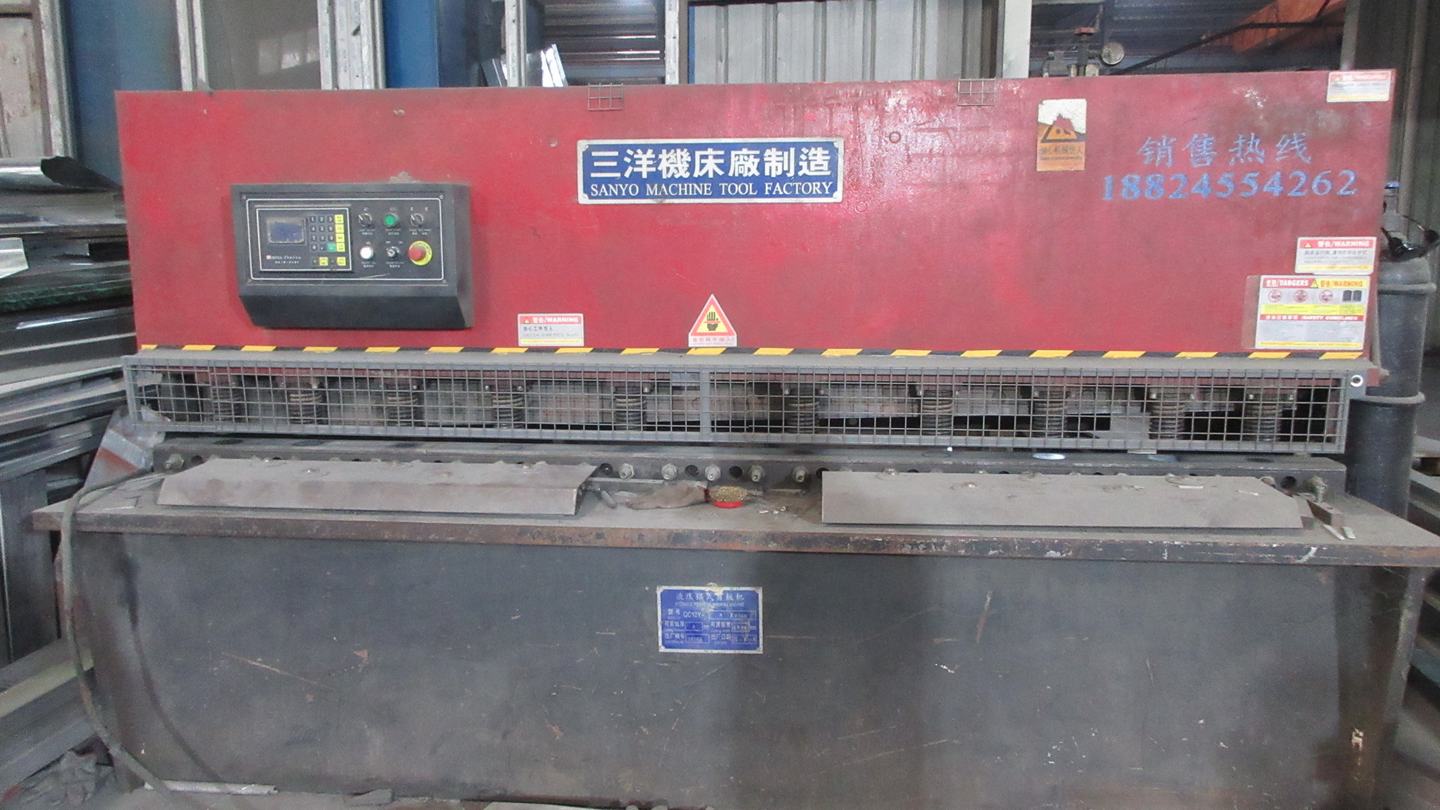
Shear Machine cutting steel plates
CNC Steel Shearing Unit
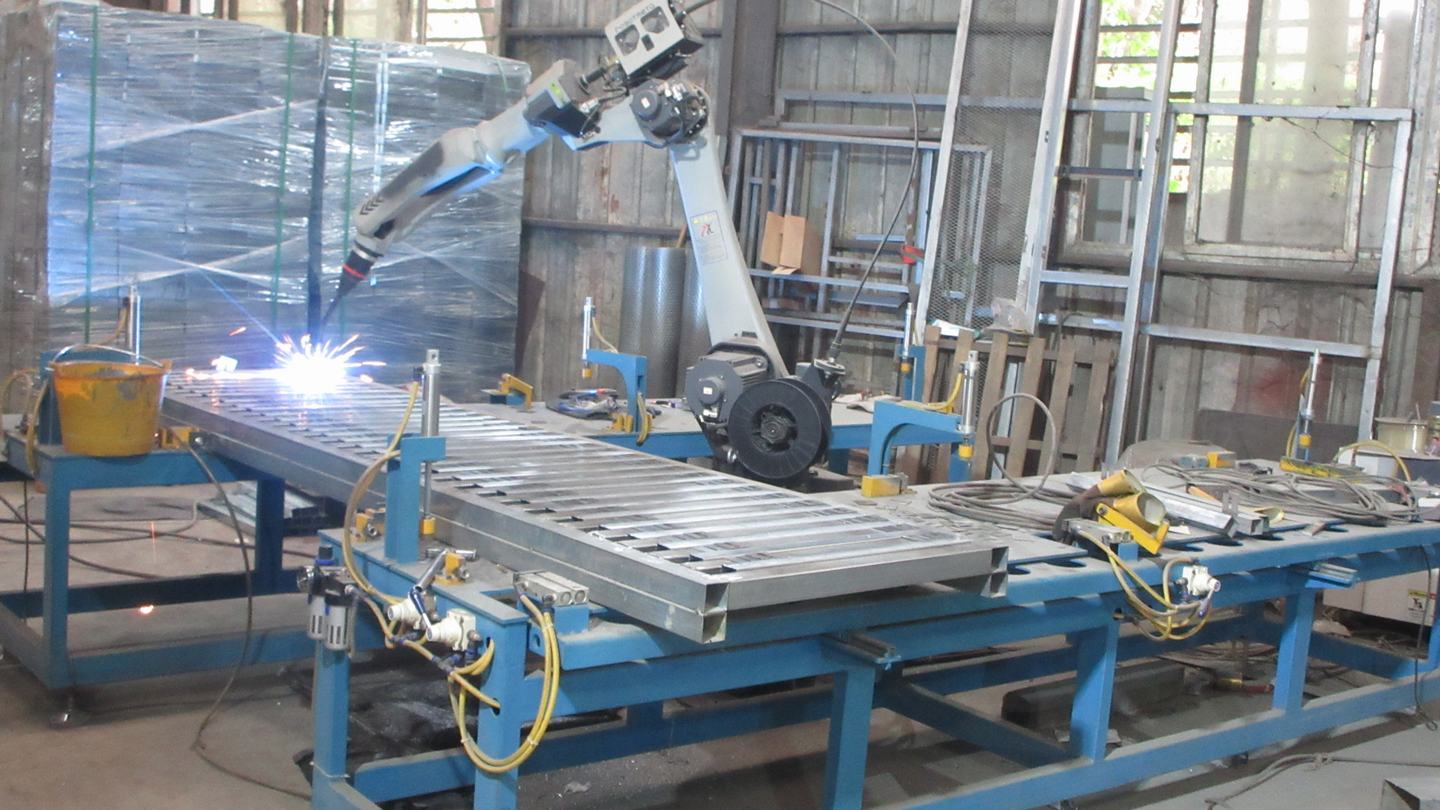
Robot Welding Machine operating on structural joints
Robotic Precision Welding
CNC Laser Cutting Machine
Fiber Laser Cutting System
Manual welding validation
Certified Structural Welding
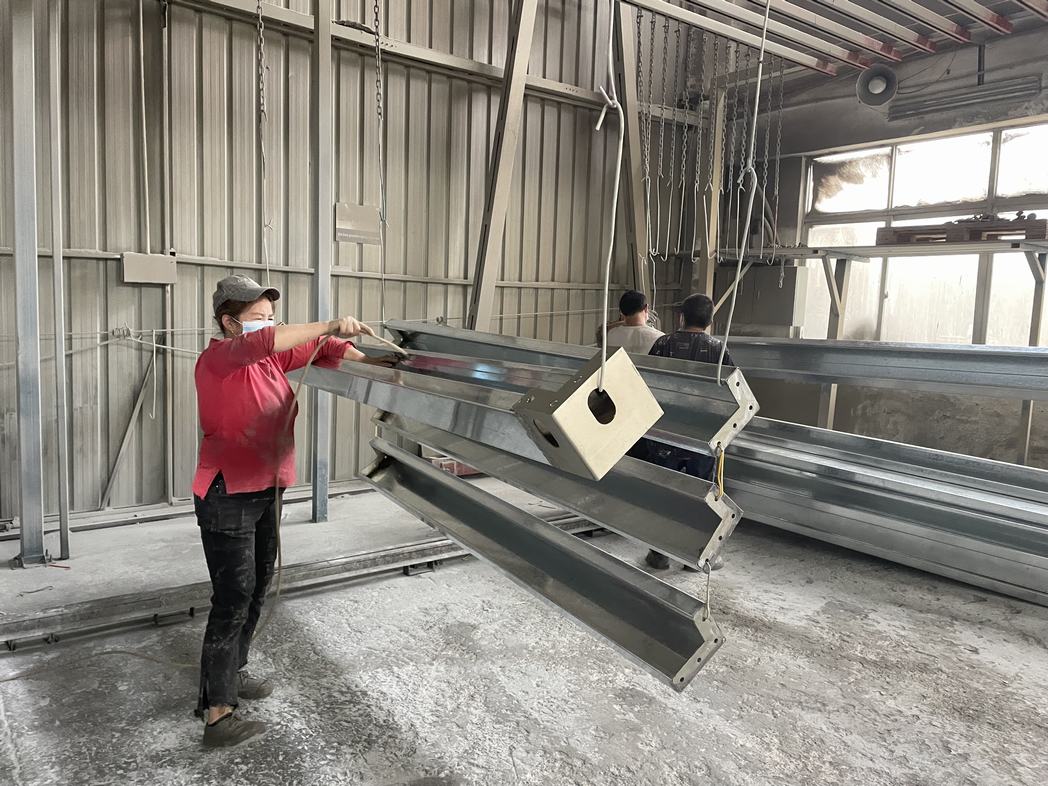
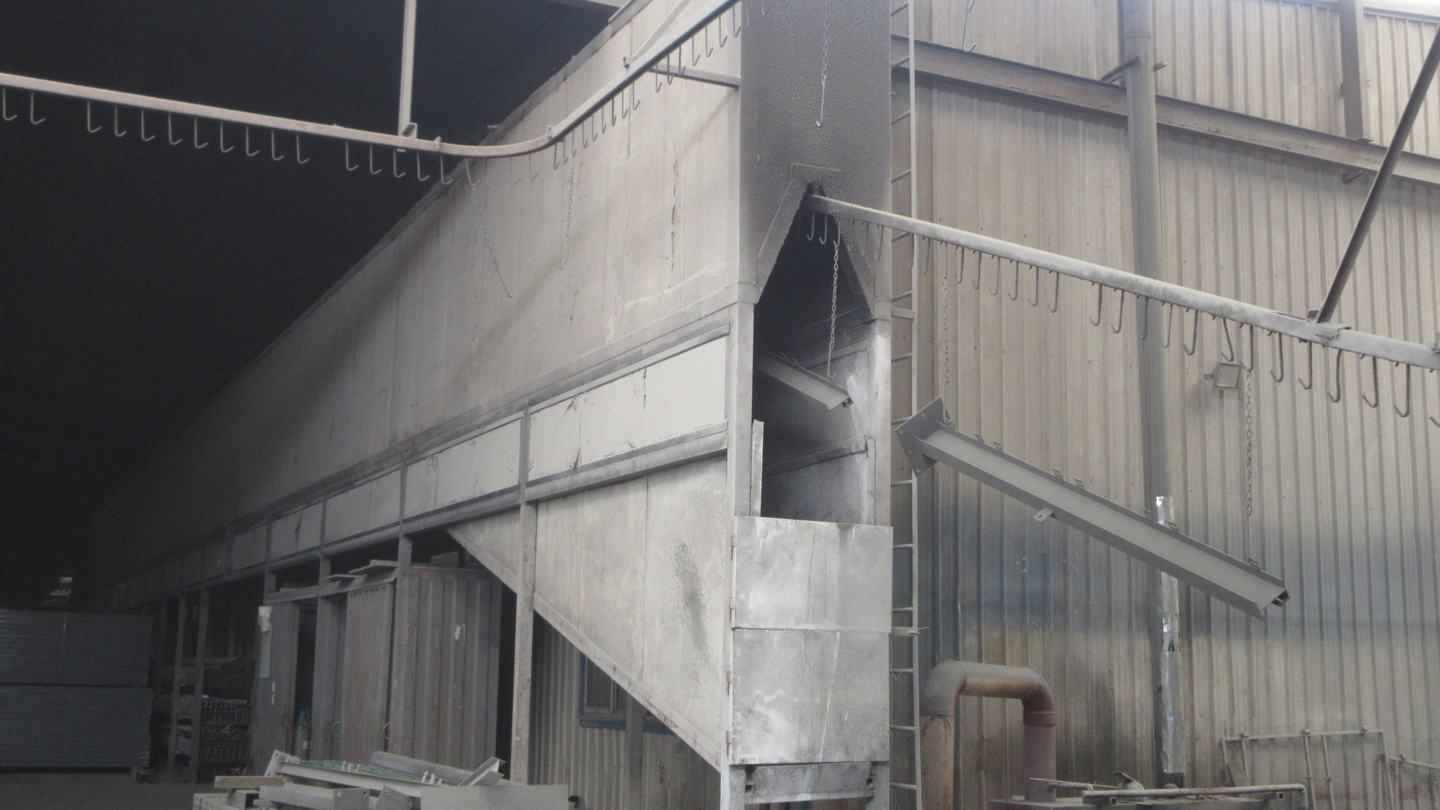
Spray Coating Line processing frames
Electrostatic Powder Coating
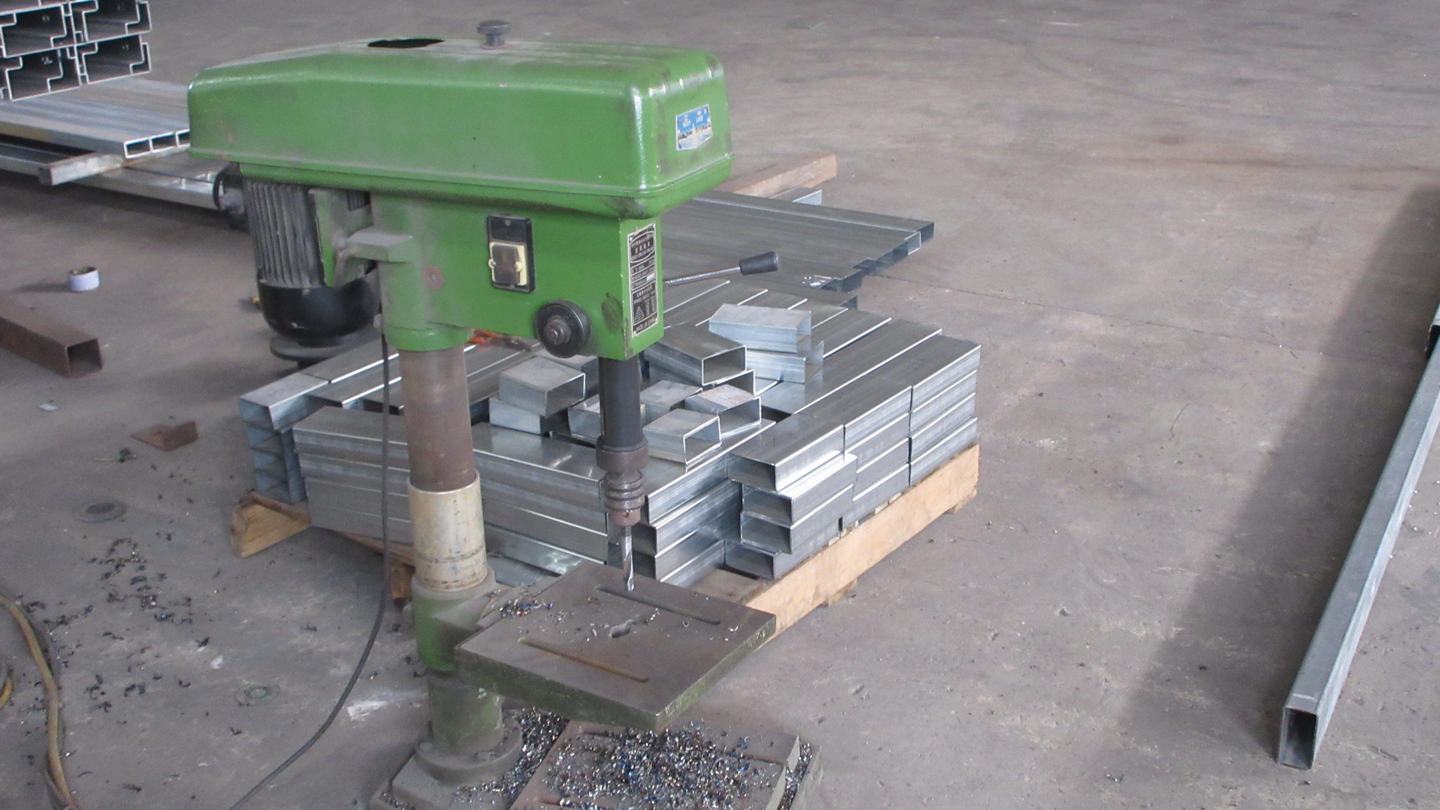
Punch Hole Machine

Automated Punch Hole Station

Securing standardized dimensions and hole patterns for error-free bolt connections during field construction.

Frequently Asked Questions

Discover details regarding compliance, structural engineering, delivery, and installation processes for the St. Lucia educational market.

Q1: How do you transport modular classrooms to Castries, St. Lucia?
All components are packed as flat-pack units or pre-assembled modules in standard shipping containers. They are shipped directly to the Port of Castries. From the port, standard container flatbed trailers deliver the modules directly to the school site for fast assembly.
Q2: Can these classrooms handle St. Lucia's high temperatures and humidity?
Yes. We construct the walls using dense, fire-retardant Polyurethane (PU) or Rockwool core panels. These provide excellent thermal insulation (low thermal transmittance value), preventing hot outdoor temperatures from penetrating the room. High-durability anti-corrosive coatings also prevent damage from humidity and salty sea air.
Q3: Do these modular buildings comply with local building regulations?
Absolutely. Our modular school classrooms are engineered to meet the requirements of the Caribbean Uniform Building Code (CUBiC) and are verified to resist tropical storm winds of up to 180 mph. They are also designed with seismic protection for Zone 4 classifications.
Q4: What is the typical installation time frame for a classroom block?
Once the foundations (concrete pads or steel screw piles) are ready, a team of 4 to 6 local workers can assemble a standard classroom building within 3 to 5 days, including internal wiring and flooring finishing.
Q5: Can these prefabricated modules be customized or relocated?
Yes. The modular design allows for future additions, changes in layout, and even relocation to a different site. This makes it an ideal investment for schools experiencing varying enrollment sizes.