Ruifa Modular House Ruifa Modular House

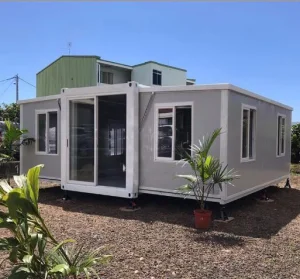
Light Steel Prefabricated House Factories & Supplier in Namibia

Providing high-efficiency, durable, and cost-effective prefabricated light gauge steel building solutions tailored to Namibia's mining, commercial, and residential sectors.

Send Inquiry Now Explore Factory Advantage

Premium Prefabricated Solutions

Engineered for energy efficiency and fast assembly under extreme African climatic conditions.
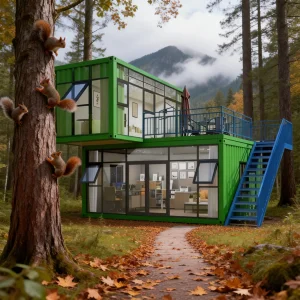
Namibian Commercial & Industrial Construction Landscape

Namibia is experiencing a major transition in infrastructure development. Key sectors such as mining (uranium exploration in Erongo, diamond mining near Lüderitz), logistics driven by the Expansion of the Port of Walvis Bay, and high-growth eco-tourism in the Namib Desert demand high-speed, environmentally non-intrusive construction technologies. Traditional concrete and brick-and-mortar methodologies struggle with remote logistics, lack of local water resources, and inflated material costs due to heavy reliance on imported cement.

Climatic Challenges: From the coastal moisture and high salinity in Swakopmund to the intense diurnal temperature fluctuations in the Kalahari hinterlands, structures must be designed with corrosion-resistant framing and superior thermal envelopes. Light gauge steel (LGS) framing, combined with advanced insulation panels, naturally addresses these hurdles.

  • Zero water footprint during the structural assembly phase.
  • Galvanized/Aluzinc coating (AZ150+) to combat coastal saline corrosion.
  • R-value optimized walls preventing heat entry during the day and retaining warmth at night.

The Housing Gap: The Windhoek municipal area and emerging mining hubs face acute residential shortages. Prefabricated modular systems provide rapid-deploy housing units for workers, administrative offices, and high-end residential suburbs, shrinking completion timelines by up to 60% compared to wet-construction methods.

  • Low structural weight reduces foundation cost in sandy Namibian soil.
  • Modular pre-engineered components bypass local skilled labor shortages.
  • Scalable camp solutions for exploration and heavy civil projects.

Global Status & Trends of Light Gauge Steel (LGS) Construction

The global construction sector is rapidly moving toward Offsite Manufacturing (OSM) and Design for Manufacture and Assembly (DfMA). Light gauge cold-formed steel is the leading material choice for this revolution due to its strength-to-weight ratio, structural predictability, and 100% recyclability. Around the world, developers are ditching heavy masonry for steel framing to comply with strict green building standards, lower carbon footprints, and minimize logistics overheads.

60%
Shorter Build Times
90%
Less Jobsite Material Waste
70+
Years Structural Lifespan
100%
Recyclable Structural Steel

China's Supply Chain & Manufacturing Superiority

Pioneering light steel prefabrication with integrated advanced production systems.

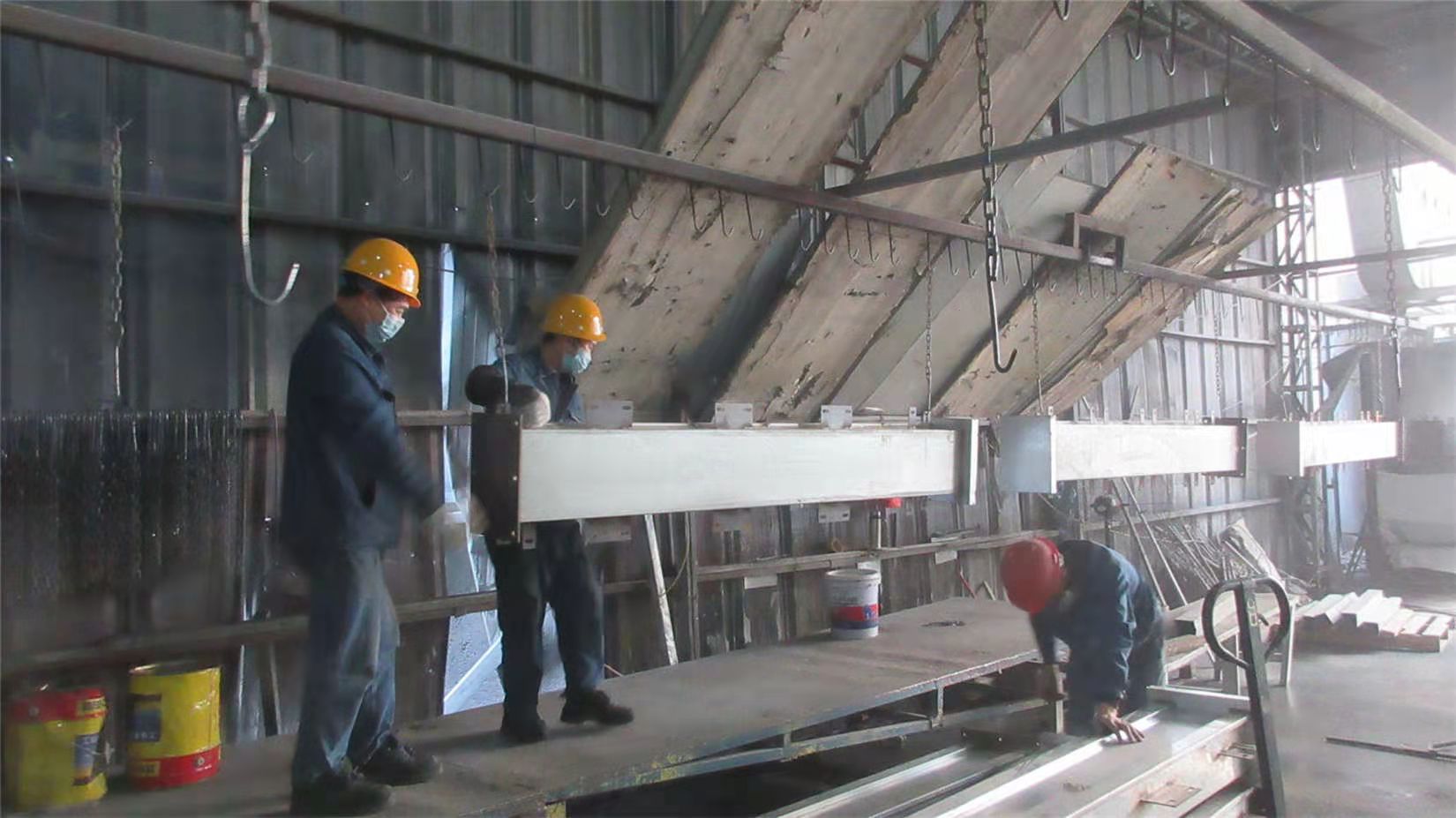
About Us: As one of the most professional prefabricated house manufacturers in south-east China, we provide customers with all kinds of integrated housing solutions. The company has a complete new modular housing R&D system, technology system, manufacturing system, and operation and maintenance system. Now it has a full set of production facilities such as small parts.

By leveraging China's dense industrial supply chain, we procure premium raw materials and utilize highly automated fabrication processes. This allows us to supply Namibia with world-class light steel frame buildings at a fraction of the cost of European or regional African alternatives, while maintaining strict compliance with ISO, CE, and South African National Standards (SANS).
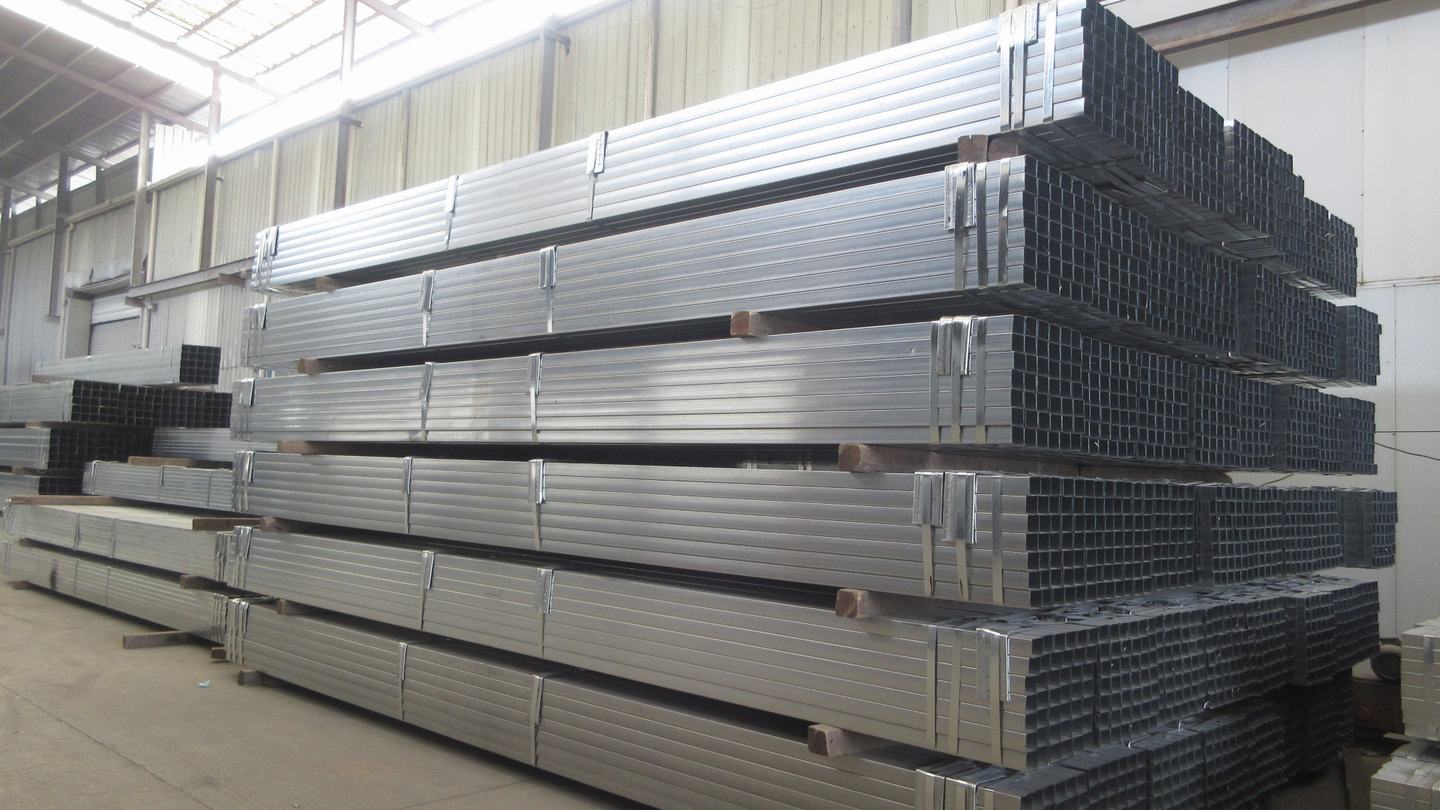
Raw Material Inspection in South-East China Factory
Premium Structural Steel Raw Material Quality Control

Our Integrated Manufacturing Process & Machine Lineup

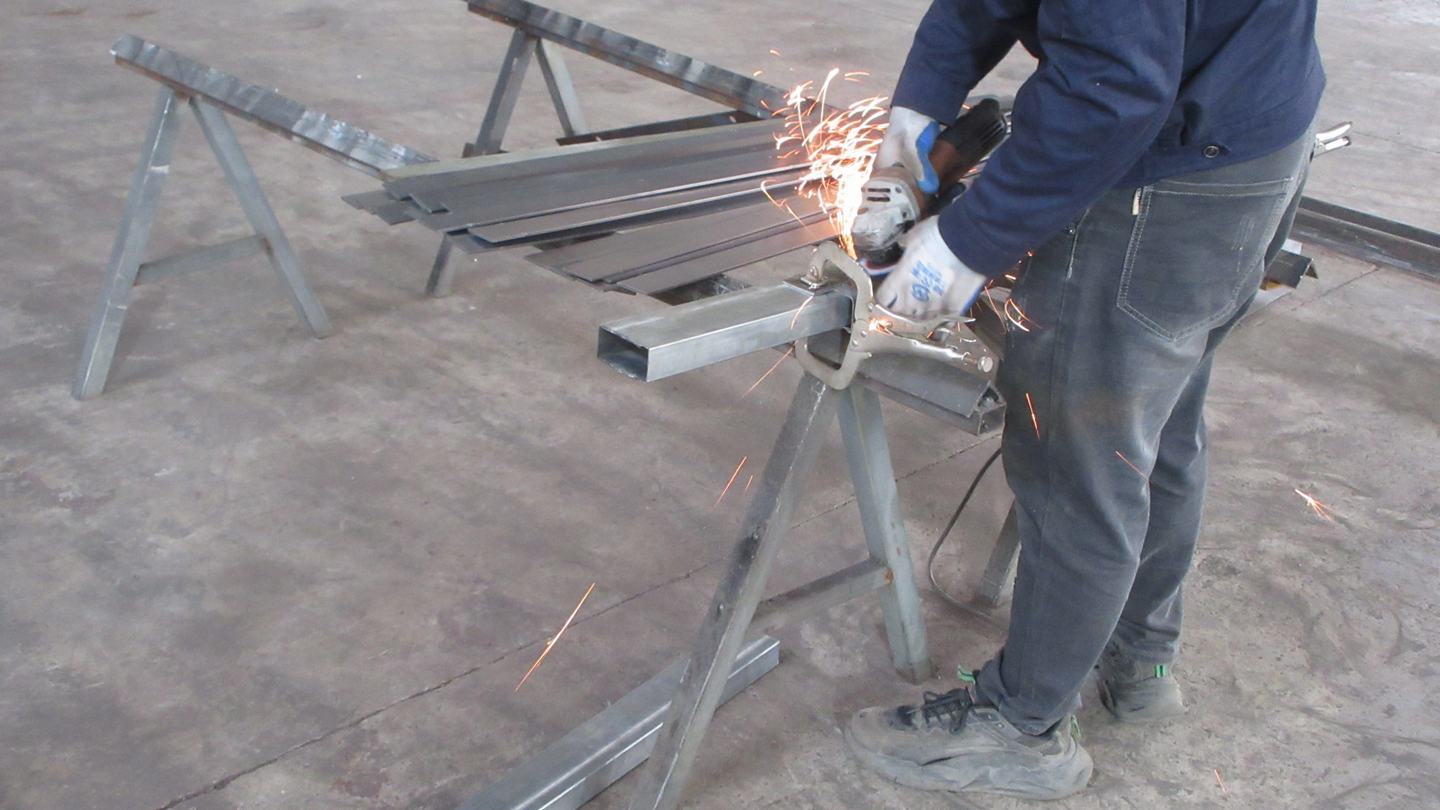
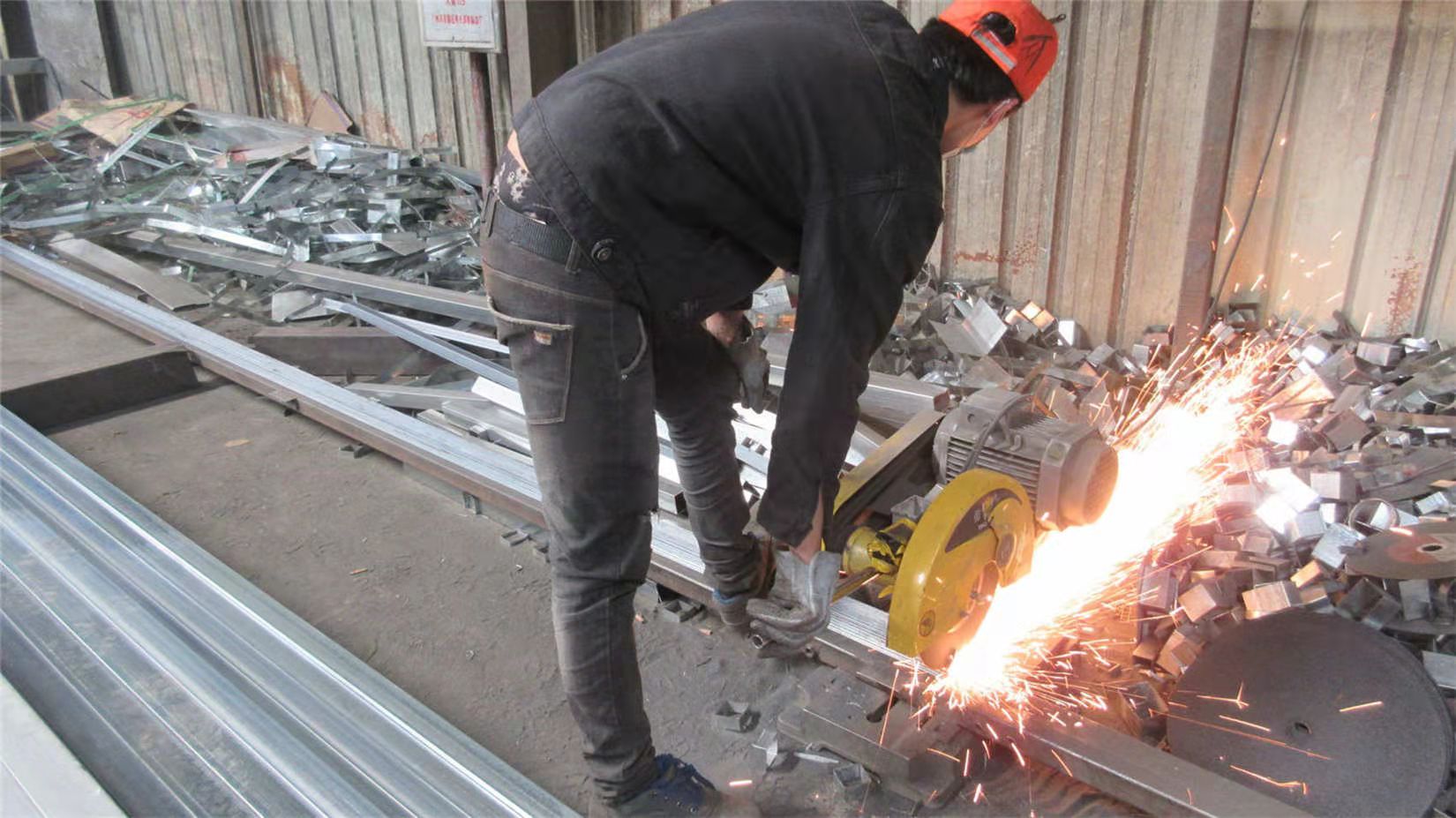
Cutting Process
High-Precision Cutting
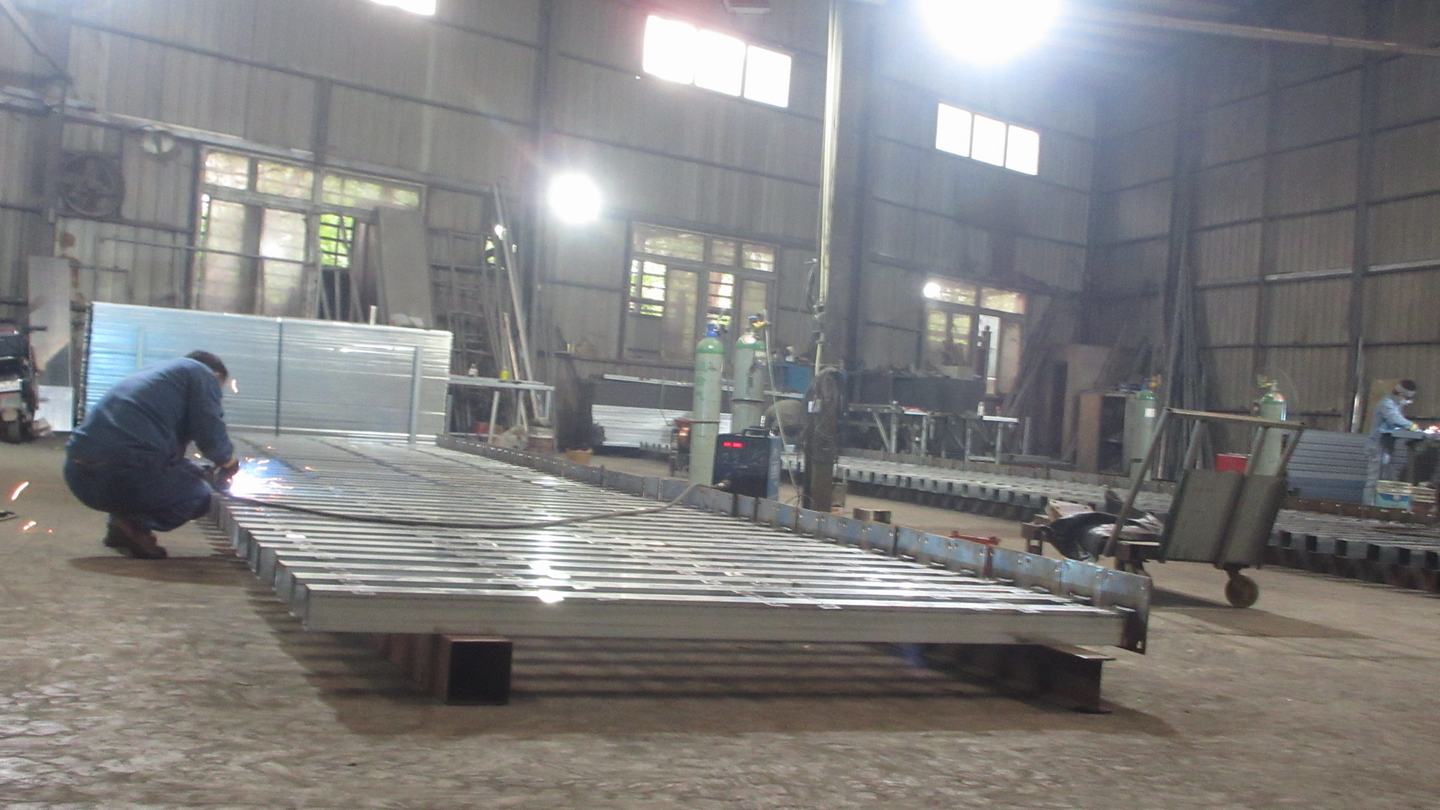
Welding Process
Structural Frame Welding
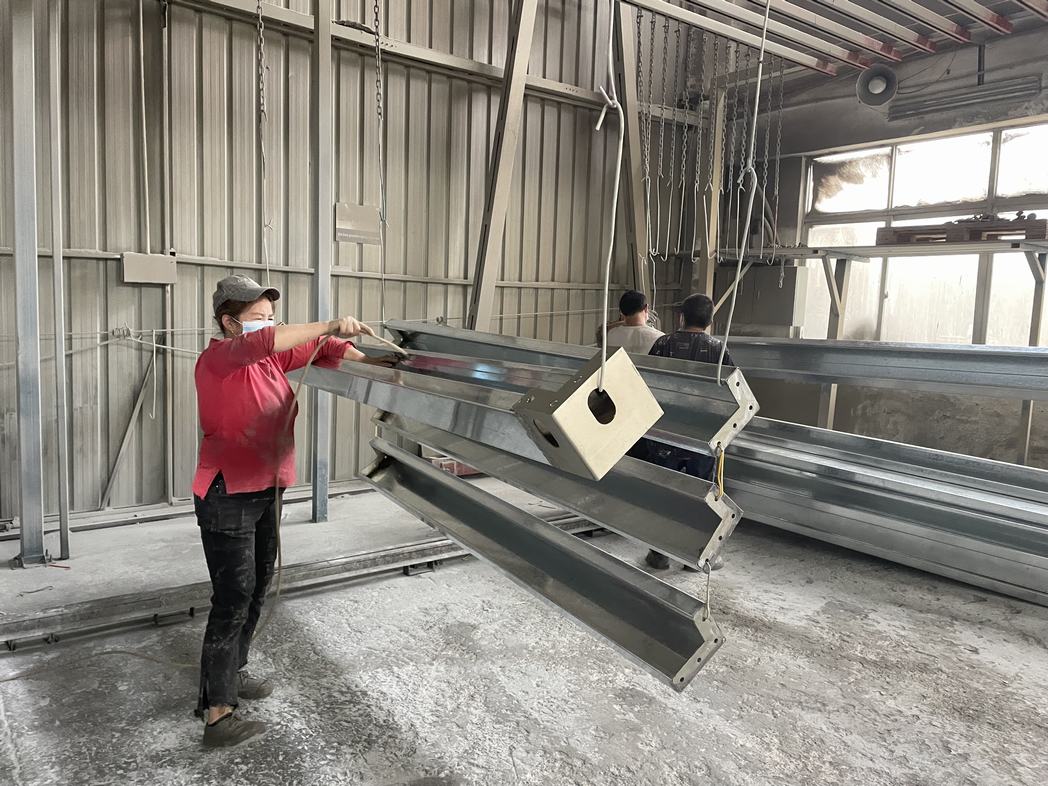
Preliminary Painting
Preliminary Anti-Rust Painting
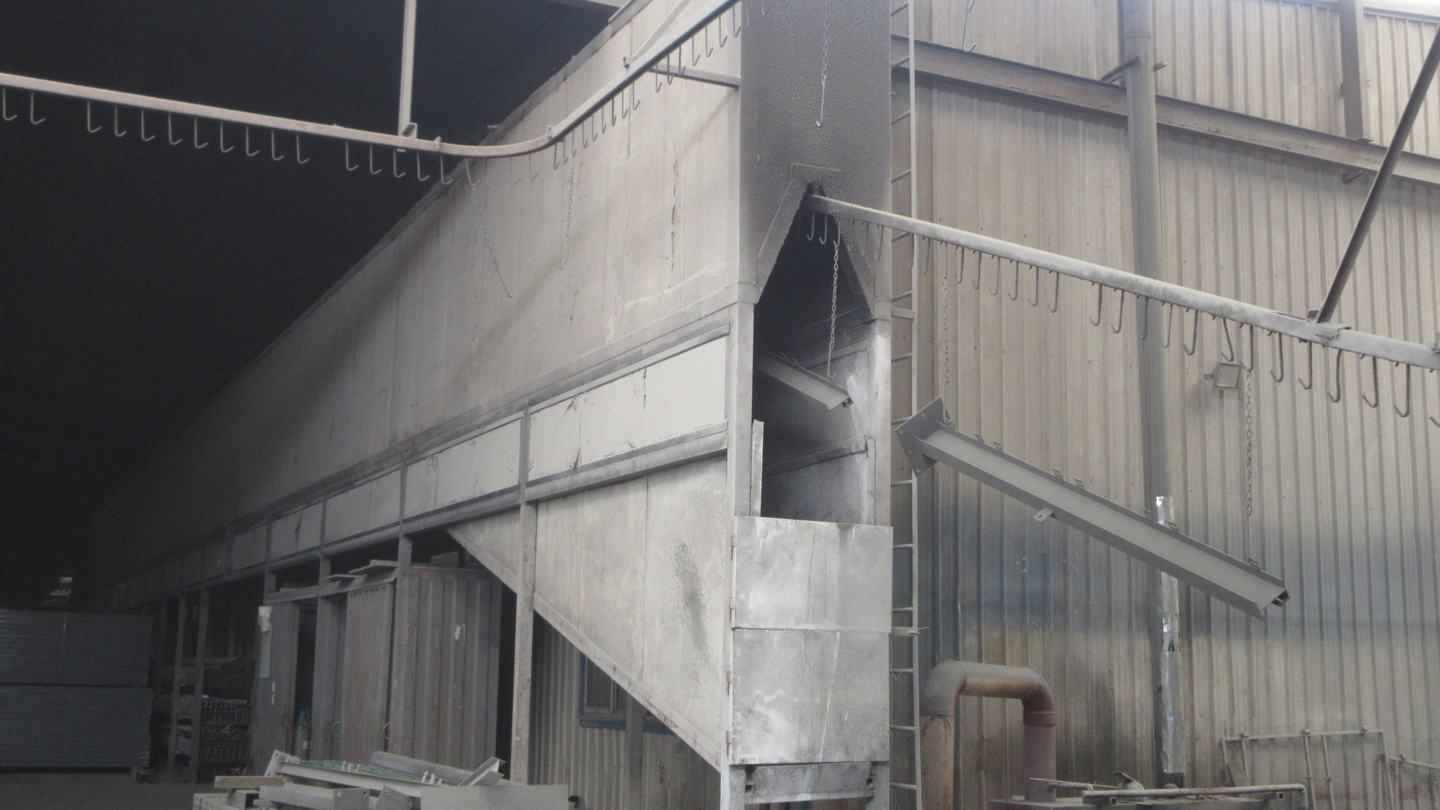
Secondary Painting
Secondary Protective Barrier
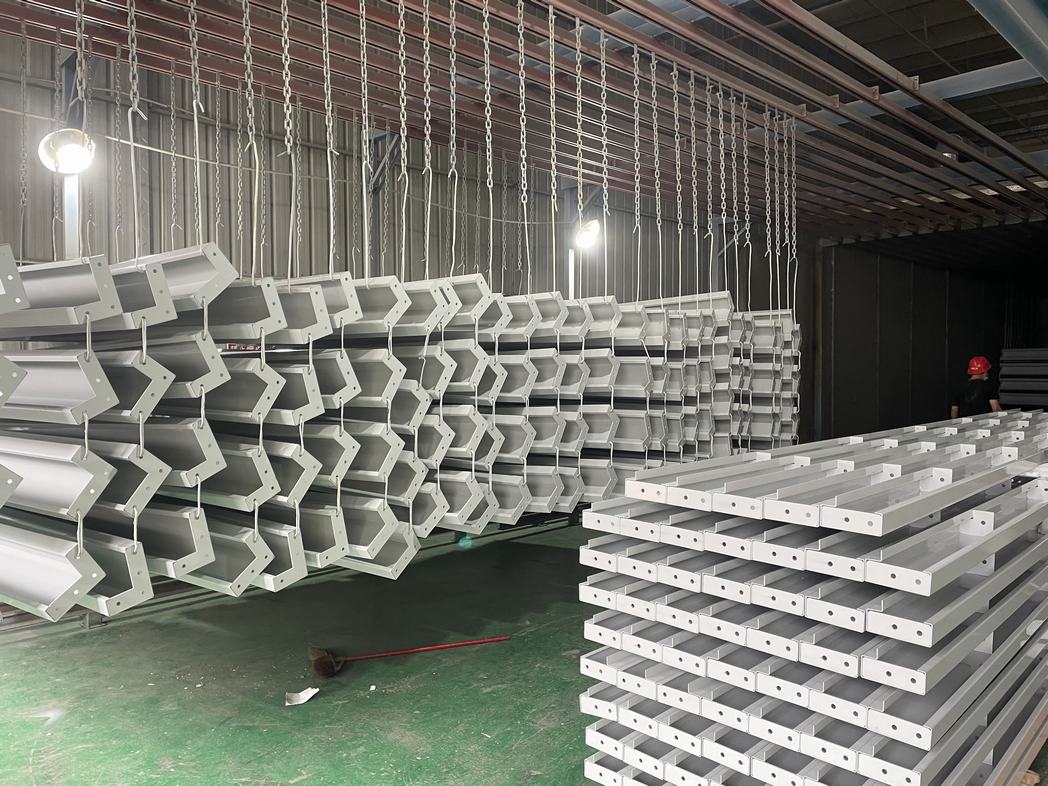
Final Painting
Marine-Grade Final Coating
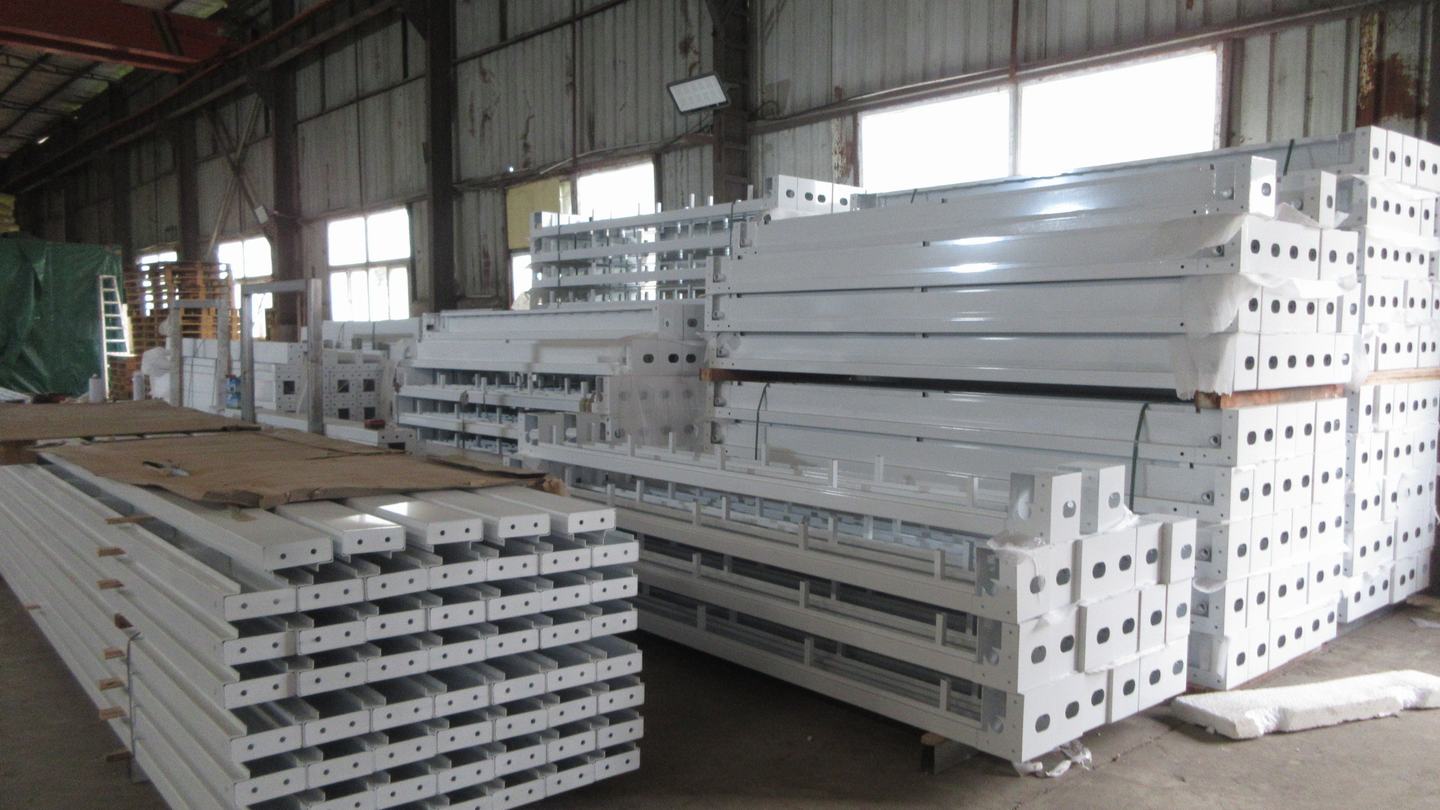
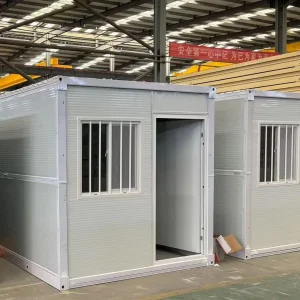
Finished Products Showcase
QC Passed Finished Structures
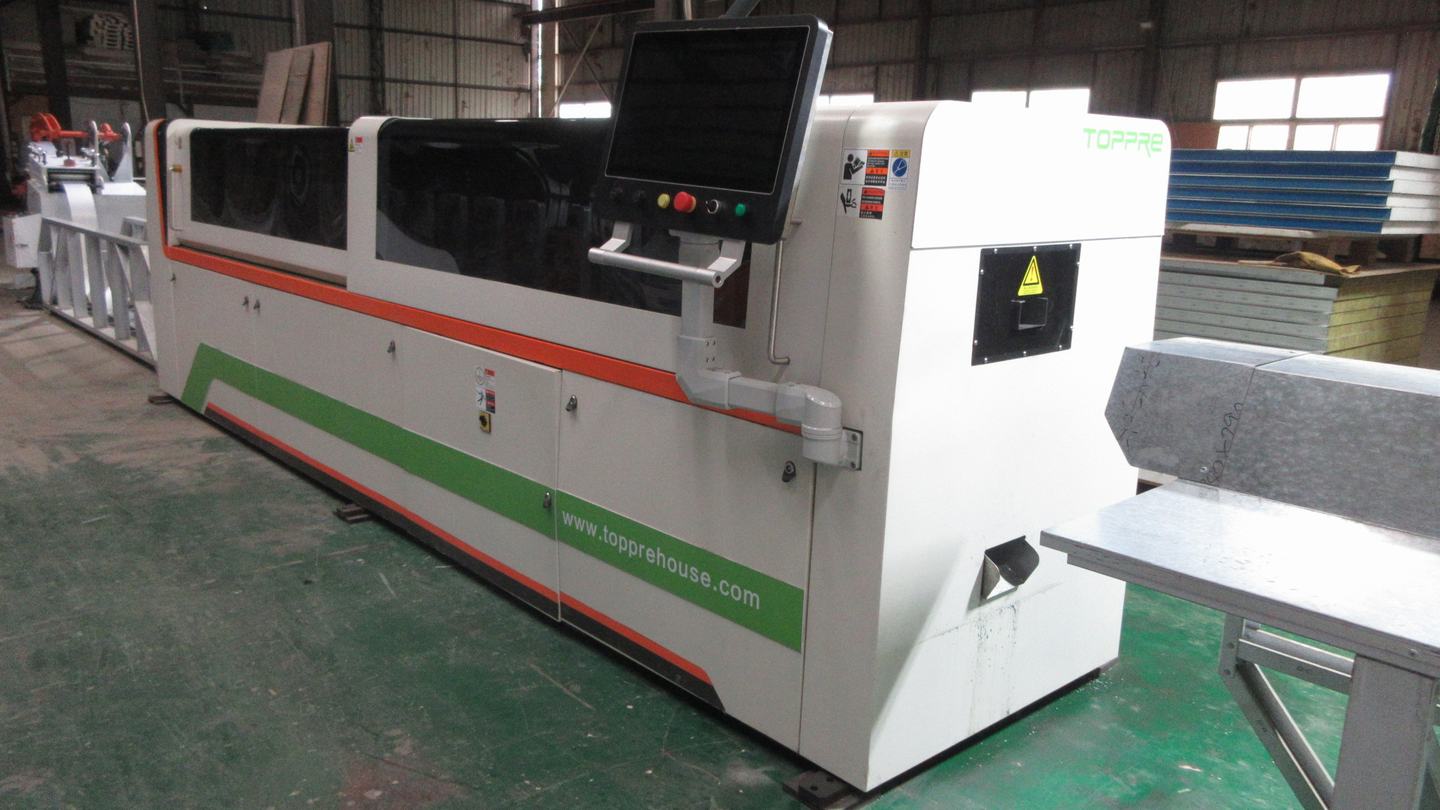
Steel Keel Machine
CNC Steel Keel Machine
Bending Machine
Heavy-Duty Bending Machine
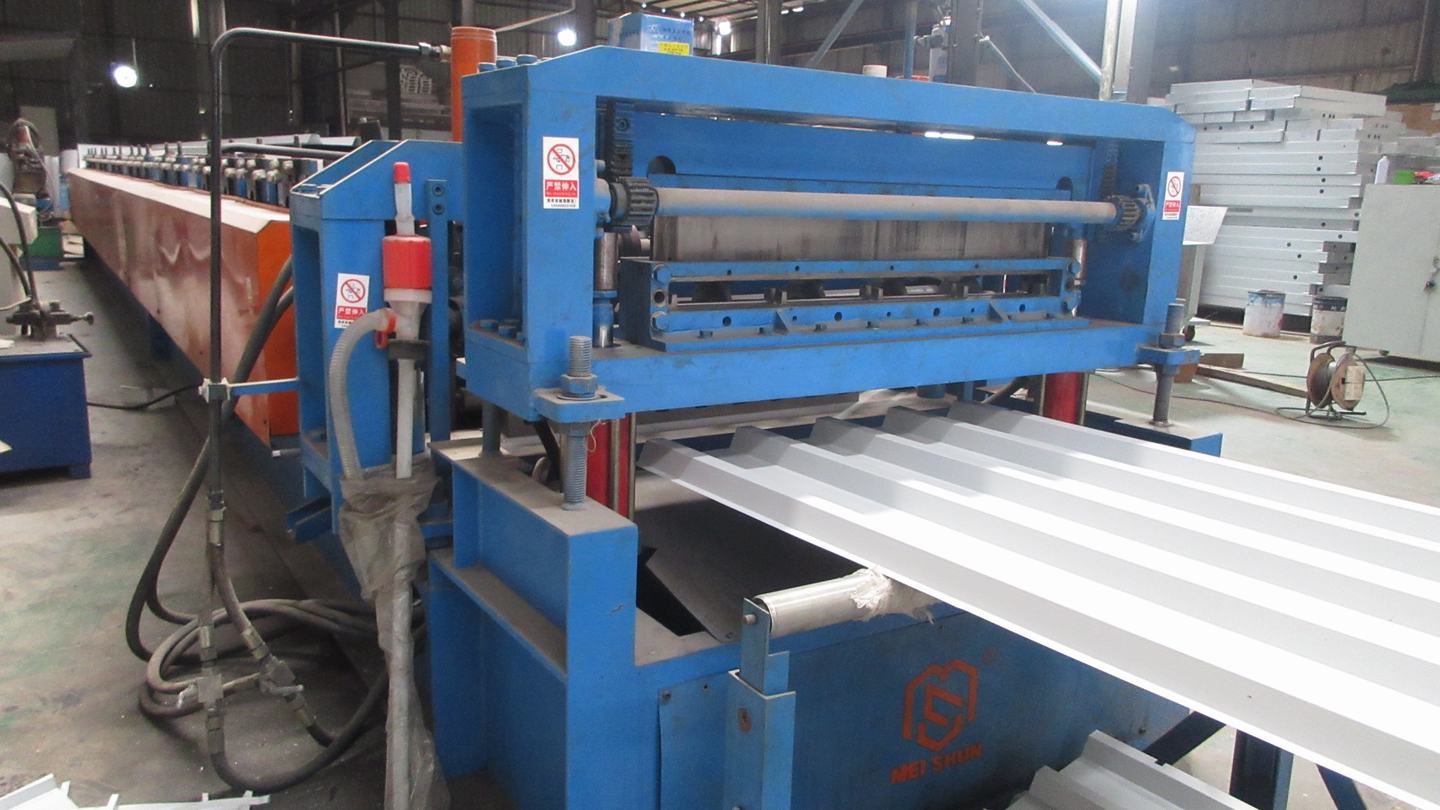
Roof Corrugating Machine
Roof Corrugating Line
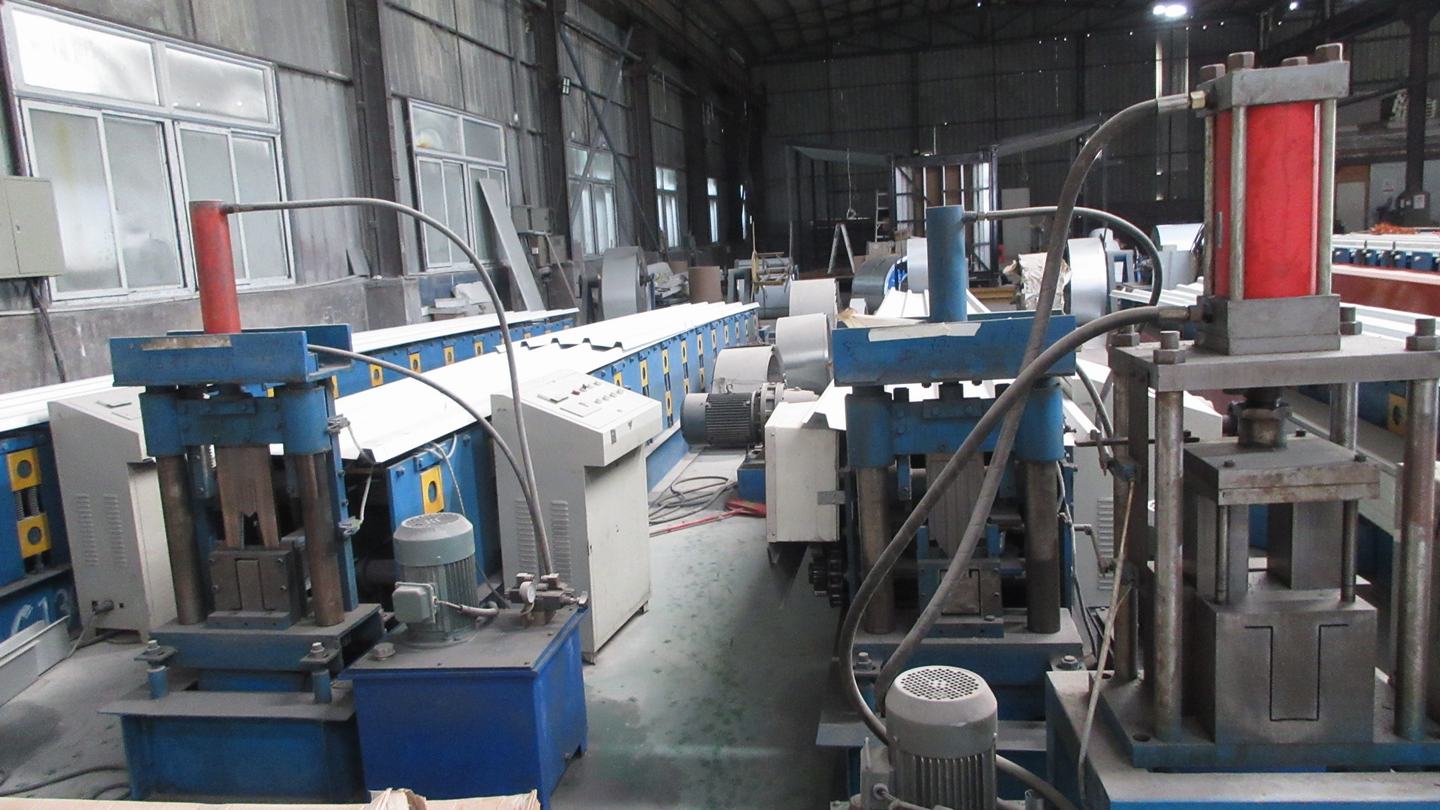
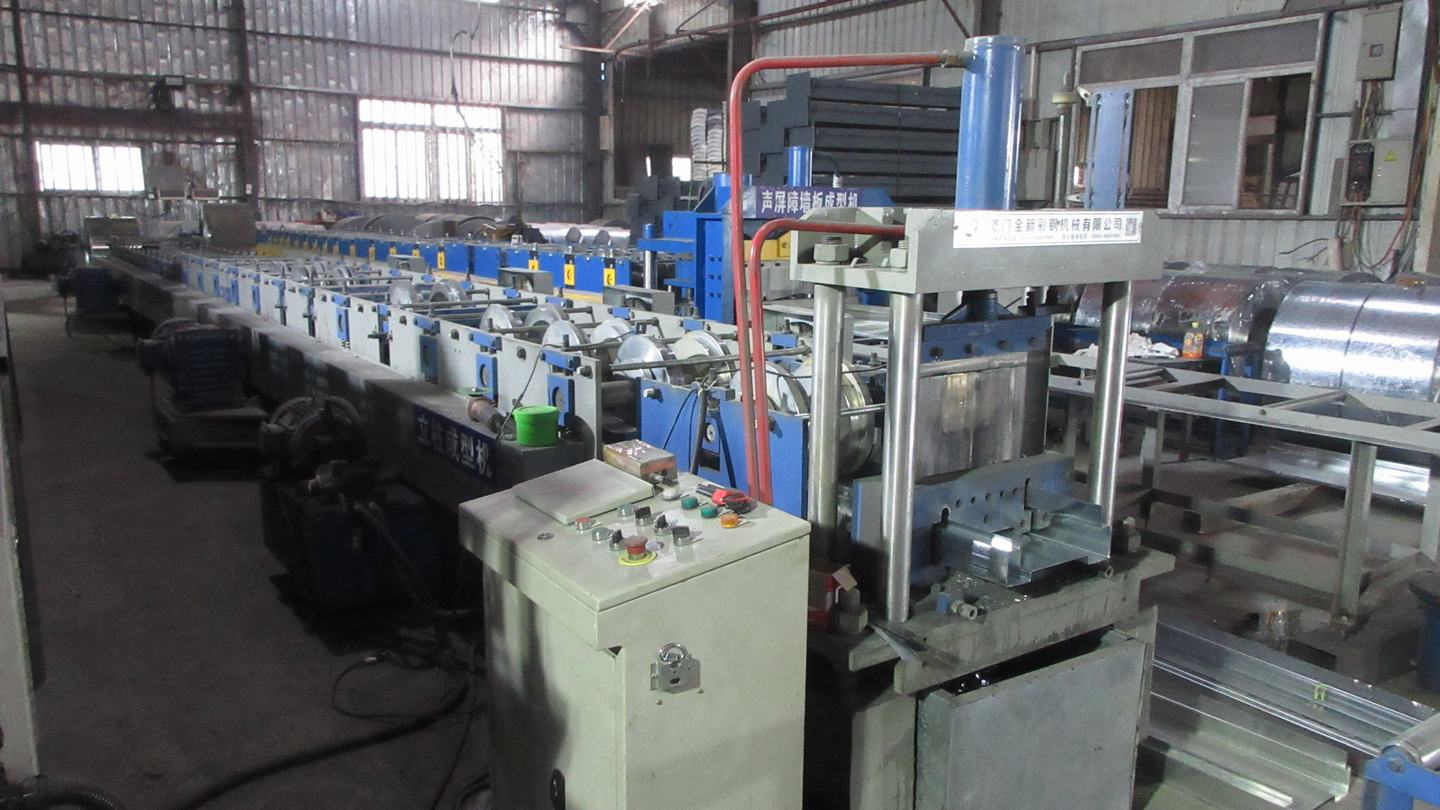
Profile Machine
Precision Profiling Machine
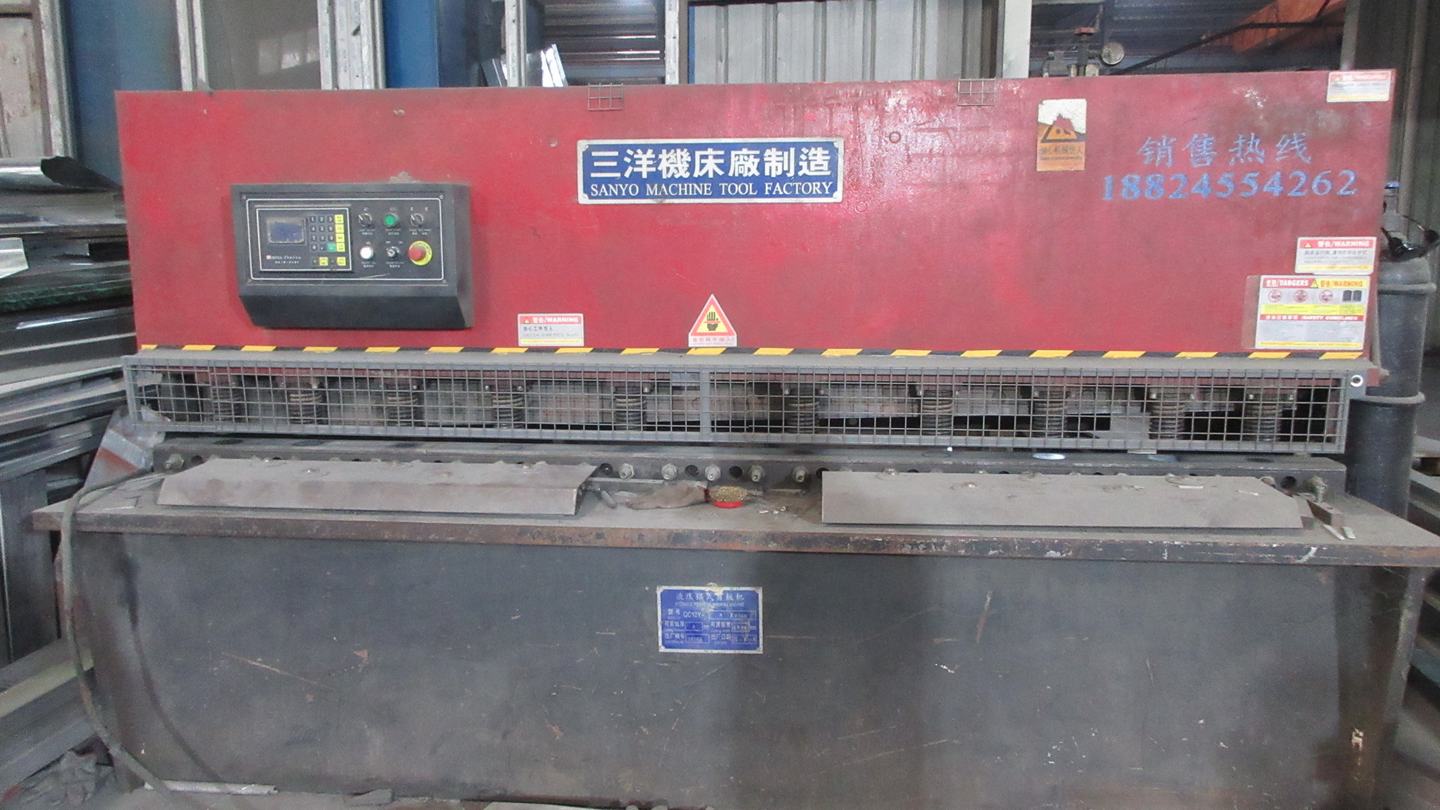
Shear Machine
Automated Shear System
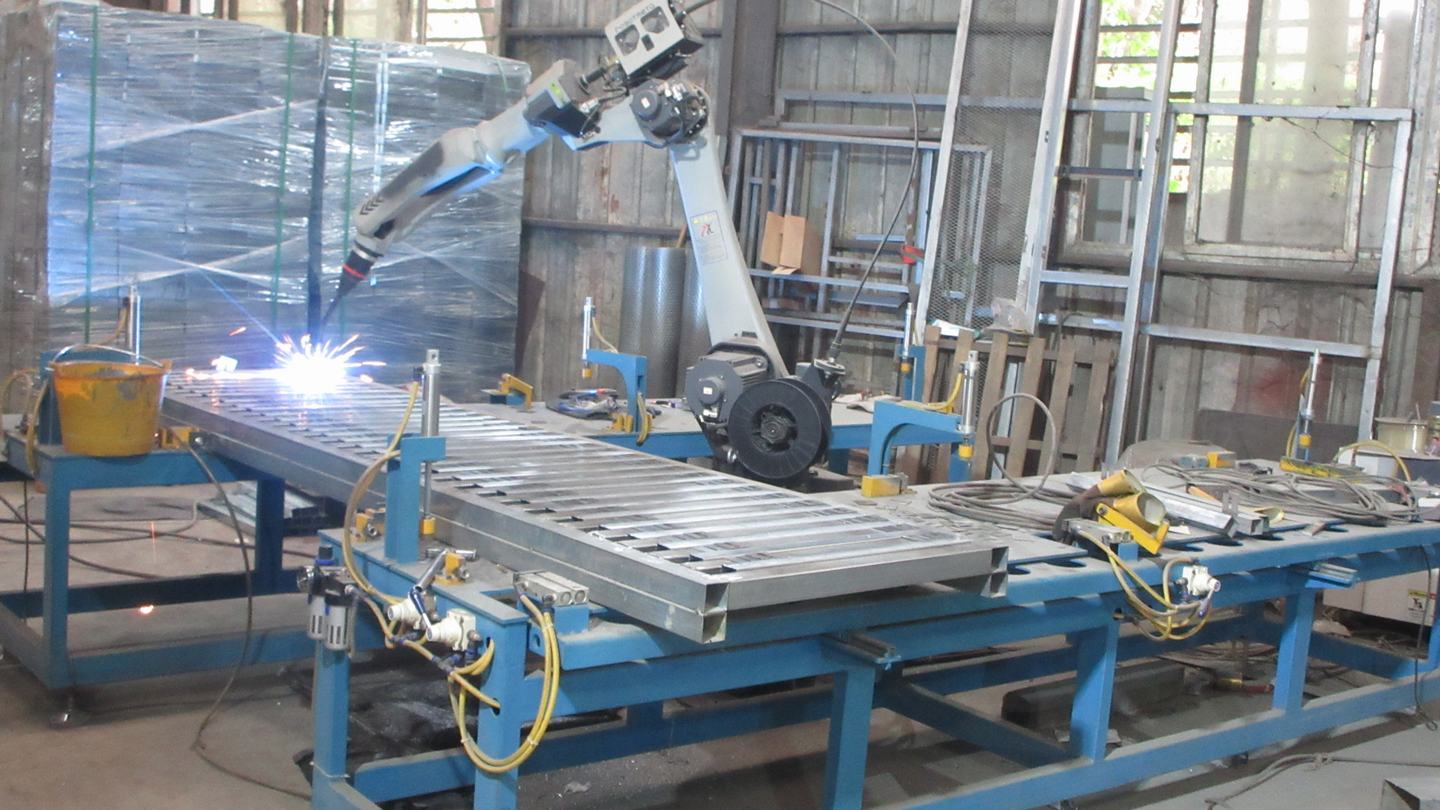
Robot Welding Machine
AI Robotic Welding Cell
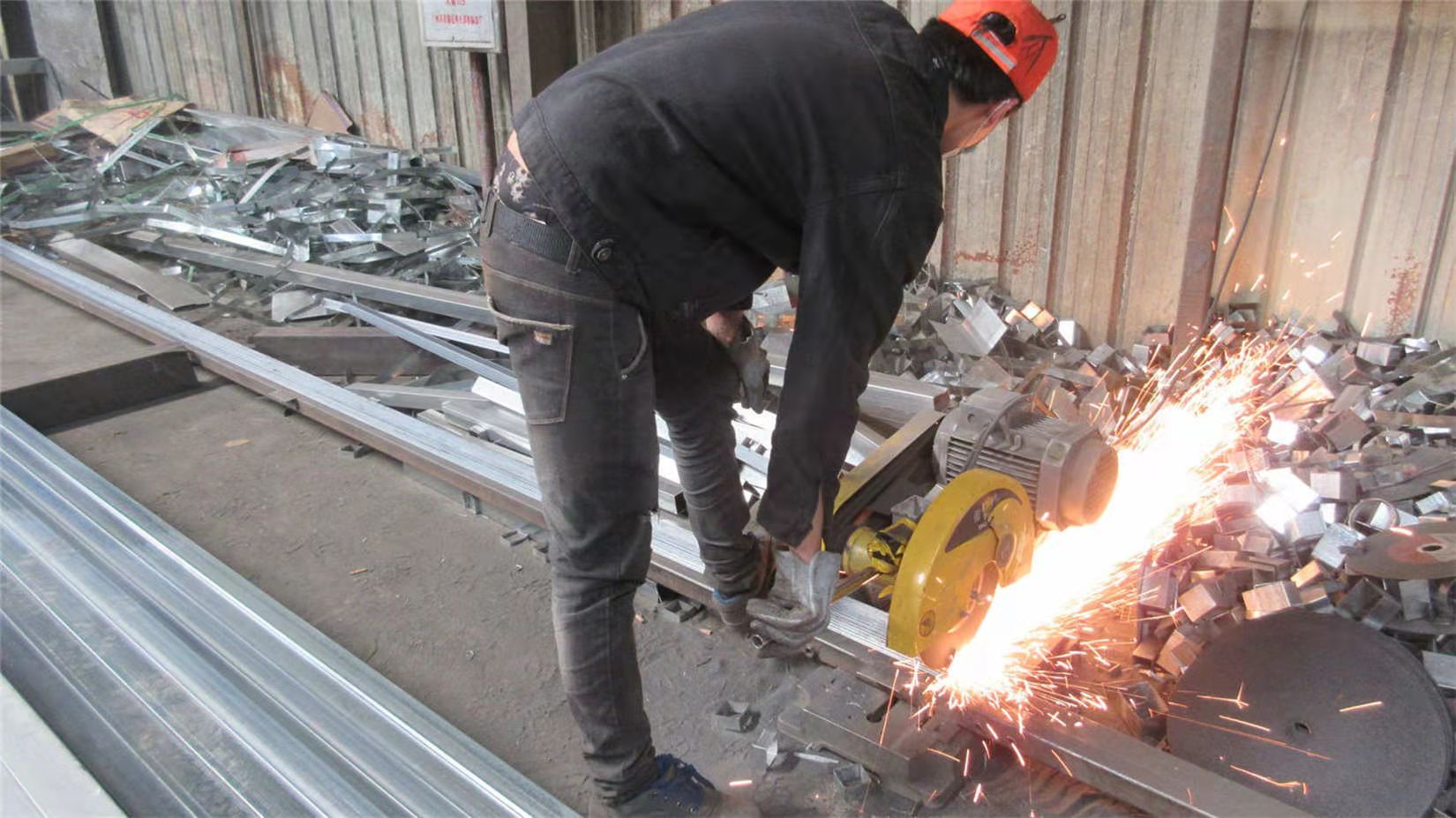
Cutting Machine
Automated Cutting Machine
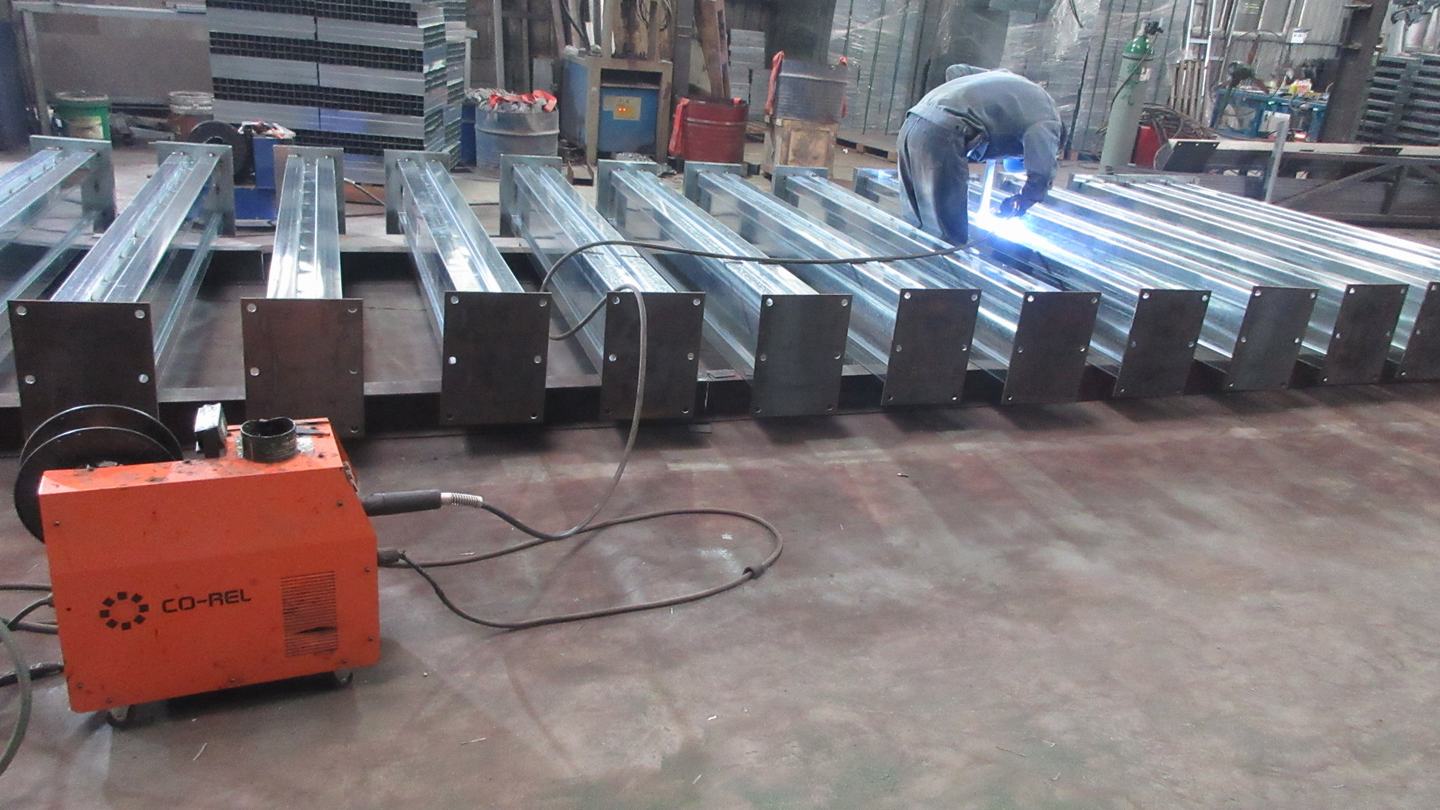
Welding Machine
Standard Welding Assembly
Spray Coating Line
Automated Spray Coating Line
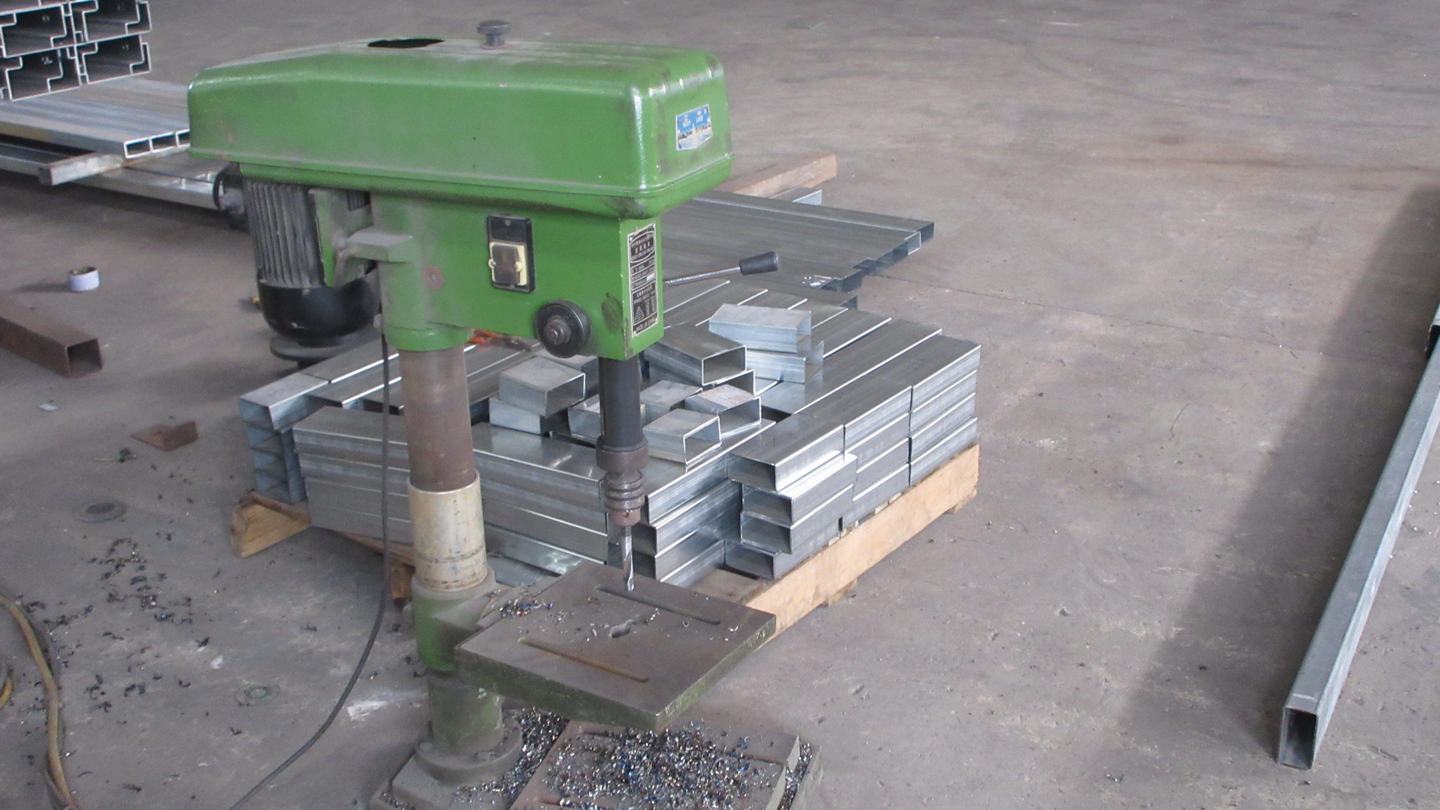
Punch Hole Machine
Multi-Station Punch Hole Machine
Processing Unit Background

Targeted Applications Across Namibia

Custom engineering options adapted for extreme local environmental demands.

1. Mining Camp Accommodation & Offices

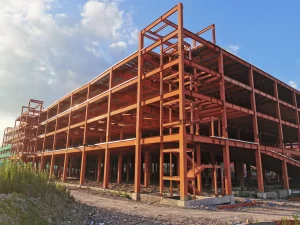
Rapid deployment of single or multi-story structures for remote mining environments like Karibib or Otjiwarongo. The steel structures require no on-site curing, drastically shortening the project path to production.

  • Flat-pack modules ensure minimal shipping volume.
  • Fire-resistance classes conforming to international safety standards.
  • Demountable design permits relocation to secondary extraction sites.

2. Premium Eco-Tourism Lodges

Building in ecologically sensitive zones like Sossusvlei or along the Skeleton Coast requires minimal site disturbance. Light gauge steel foundations can be mounted on screw piles, keeping the local landscape intact.

  • Flexible architectural capability allows for glass facades.
  • Minimal water consumption protects local eco-systems.
  • Termite, mold, and rot-proof building materials.

Logistical Execution & Walvis Bay Customs Integration

Importing light steel structures from China to Namibia is a well-established supply route. Our factory coordinates directly with international shipping lines operating out of major Chinese ports (Ningbo-ZH, Shanghai, Shenzhen) to secure space and route cargo directly to the Port of Walvis Bay. The Namport terminal handles containerized steel frames with high efficiency, which are then easily transported inland via the Trans-Kalahari or Trans-Caprivi corridors.

Strict Quality Inspections: Every structural run is pre-assembled in our factory to guarantee zero-defect tolerance. Framing members are clearly coded with Inkjet marking systems, corresponding to detailed 3D step-by-step layout blueprints for easy local construction.

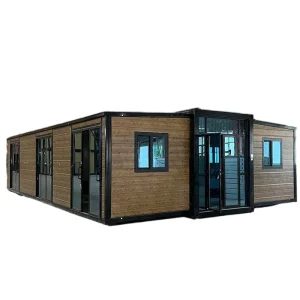
Cost-Efficient Containers: Flat-pack configuration allows up to 150 square meters of wall panels and ceiling structures to fit in a single 40ft High Cube container, significantly dropping logistics costs compared to traditional modular units.

Frequently Asked Questions

Answers to engineering and procurement queries regarding light steel structures in Namibia.

1. How does a light steel house perform under Namibia's harsh sun and heat?
Our light steel prefabricated structures utilize advanced double-layer wall configurations. A high-efficiency insulation core (glasswool, rockwool, or PIR) is placed within the wall cavity, paired with reflective radiant barrier foils. This design completely eliminates thermal bridging and prevents ambient heat from penetrating the interior during high daylight hours, maintaining cool interior spaces.
2. How are these buildings protected against coastal corrosion in places like Walvis Bay and Swakopmund?
We use high-grade hot-dip galvanized or Aluzinc steel (AZ150 minimum, options up to AZ275) for all structural light steel framing. This coating provides active sacrificial protection against saline-rich sea breezes, preventing oxidation and rust. For structural connections near the sea, marine-grade fasteners and specialized exterior finishes are recommended.
3. Do light steel structures comply with Namibian and South African Building Regulations (SANS)?
Yes. Our structures are engineered to meet international structural steel framing design standards, including SANS 517 (Light Gauge Steel Framing in South Africa/Namibia) and SANS 10162. We provide complete engineering documentation and structural calculation files for submission to local municipalities for construction permits.
4. What is the expected delivery timeframe from China to the job site in Windhoek?
Manufacturing typically requires 15 to 25 days depending on project scale. Shipping transit times from South-East Chinese ports to Walvis Bay Port average 30 to 35 days. Inland transport and customs clearance generally add another 7 to 10 days, bringing the total timeframe to approximately 55-70 days from design sign-off to site arrival.

Complete Structural Catalog

Explore our full line of prefabricated residential, industrial, and commercial light steel solutions.
Start Your Prefabricated Project in Namibia

Contact our engineering and sales department today to receive a complete structural design consultation, detailed costing sheets, and logistics pricing to your site.

Send Inquiry Now