Ruifa Modular House
Ruifa Modular House
Ruifa Modular House
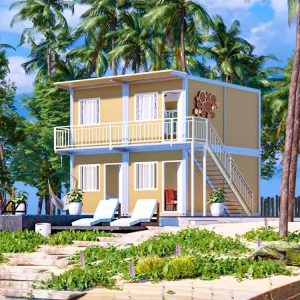
The global real estate development and hospitality sectors are undergoing an unprecedented structural transition. Traditional onsite wet construction, long characterized by chronological delays, unpredictable labor markets, fluctuating environmental conditions, and high material waste percentages, is rapidly giving way to high-precision Offsite Modular Manufacturing (OMM). At the forefront of this industrial evolution are CE Certified Prefabricated Hotel Apartment Units.
E-E-A-T Technical Insight: CE Certification is not merely a trading label; it constitutes structural validation. In compliance with EN 1090-1 (Execution of steel structures) and Regulation (EU) No 305/2011 (Construction Products Regulation), every prefabricated structural load-bearing frame must undergo Factory Production Control (FPC) audits, physical destructive/non-destructive weld testing, and comprehensive mechanical load capacity evaluations. Selecting a CE-certified manufacturer is the ultimate insurance policy for institutional buyers securing municipal permits and structural sign-offs globally.
For large-scale hotel brands, multi-family apartment developers, and corporate housing syndicates, volumetric modular construction compresses traditional construction timelines by up to 50%. This accelerated schedule is achieved because onsite groundworks, excavation, foundation placement, and MEP (Mechanical, Electrical, Plumbing) hookup preparations run concurrently with factory assembly lines. By producing modular living units in a highly controlled environment, manufacturers achieve millimeter-level tolerance accuracy, structural predictability, and superior resource efficiency.
South-East China has established itself as the world’s epicenter for advanced modular fabrication, boasting deep-water ports, state-of-the-art robotic processing centers, and an integrated supply chain that remains unmatched globally. Sourcing from this geographic powerhouse delivers distinct operational, commercial, and technical advantages:
Direct proximity to premium national steel mills guarantees rapid access to graded structural structural steel (e.g., S355JR, Q355B). Procurement of structural glass, eco-friendly mineral wool insulation, and integrated MEP systems occurs within localized industrial hubs, eliminating global transport dependencies for sub-components.
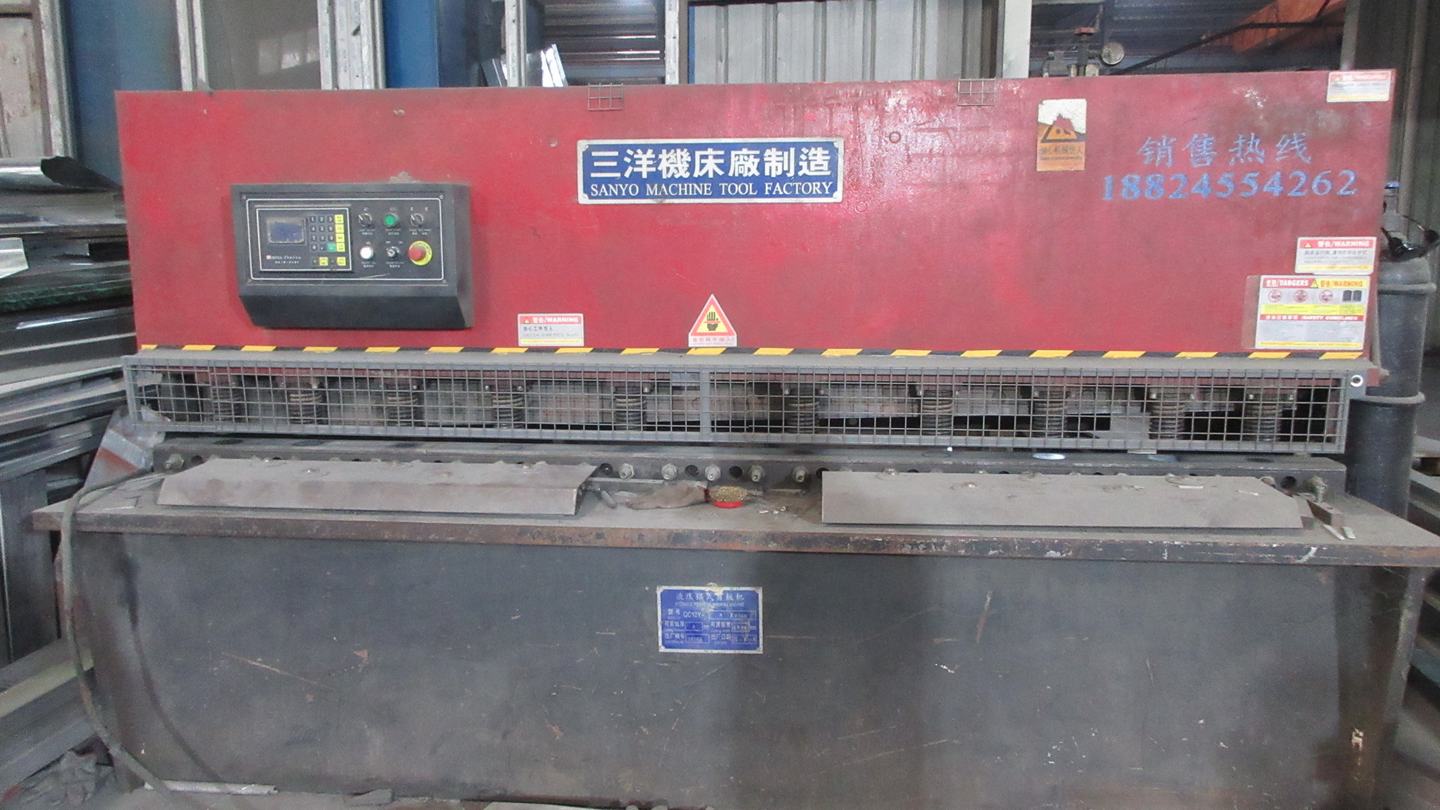
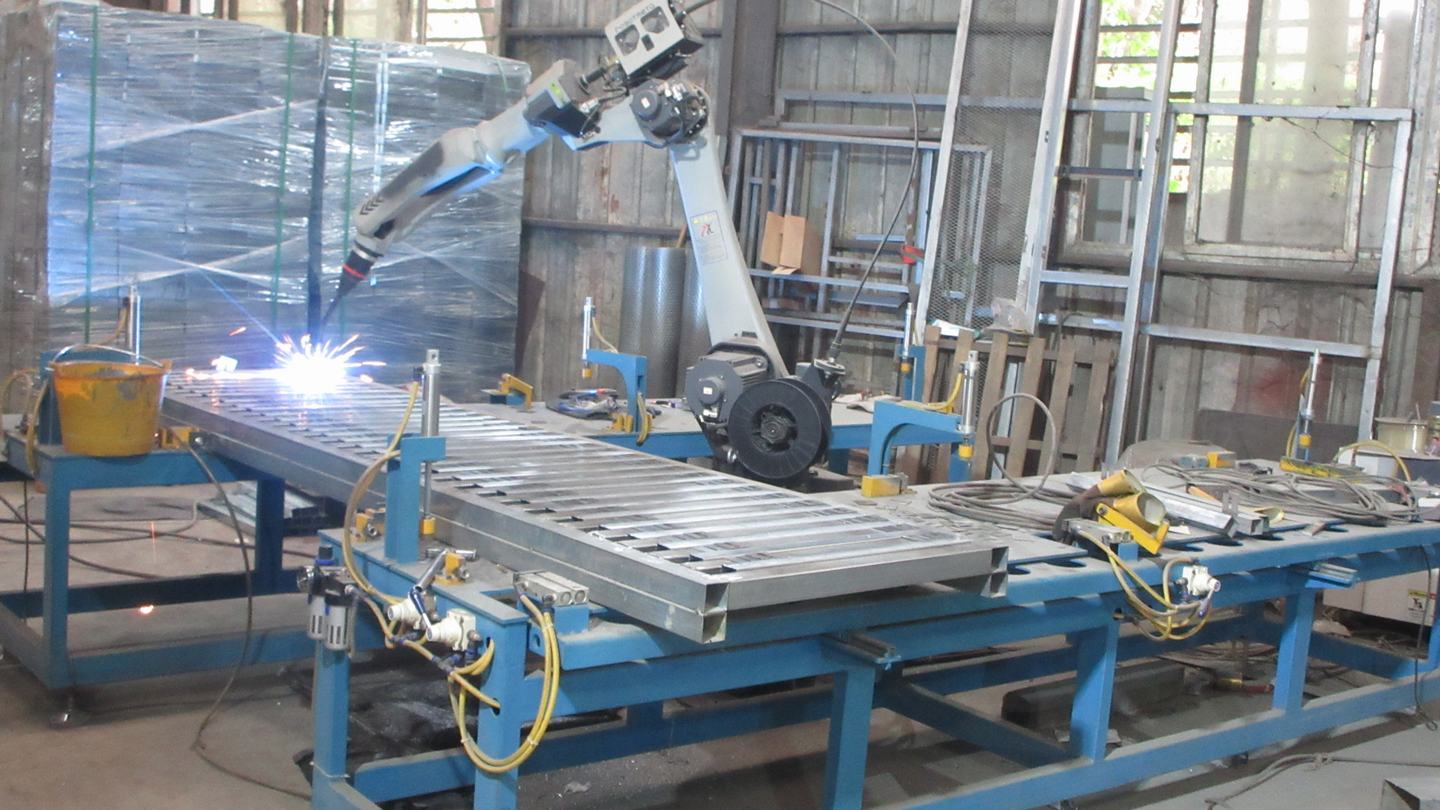
Unlike traditional regional builders, top manufacturers in south-east China employ advanced industrial robotics, such as automated laser cutting lines, high-precision bending tools, and robotic multi-axis welding chambers. This ensures consistent tolerances within ±1mm across thousands of modules.
Situated in close proximity to major deep-water ports like Ningbo-Zhoushan and Shanghai, these manufacturing plants facilitate smooth containerized and flat-pack shipping. Strategic access to global shipping lines optimizes freight rates and minimizes transport times to Europe, the Americas, and Australasia.
Furthermore, the competitive advantage of South-East Chinese factories extends beyond material costs. The deep institutional knowledge of local design departments in structural calculations (complying with Eurocodes, AS/NZS codes, and IBC standards) enables seamless engineering transitions from conceptual architectural blueprints to factory-ready BIM (Building Information Modeling) programs. This minimizes engineering redesign loops and guarantees first-time-right fabrication results.
The global construction market is experiencing massive structural shifts driven by economic, demographic, and regulatory vectors. Developers who understand these micro and macro trends are positioned to capture exponential capital returns by adopting prefabricated apartment and hotel units:
In highly developed markets like North America, Western Europe, and Australia, the scarcity of certified carpenters, electricians, and plumbers has driven labor costs to historic highs. By transferring up to 90% of the construction workflow to our controlled factory floor in South-East China, developers limit their onsite labor requirement to simple foundation preparation and modular crane hoisting, reducing vulnerable labor cost dependencies.
Traditional construction sites generate substantial waste, release high local particulate emissions, and cause persistent noise pollution. Prefabricated modular factories utilize closed-loop recycling processes, precise raw material optimization, and eco-certified wall board panels. Additionally, structural steel frames are 100% recyclable at the end of their operational lifecycle, helping developers achieve prestigious LEED Gold/Platinum, BREEAM, or DGNB certifications.
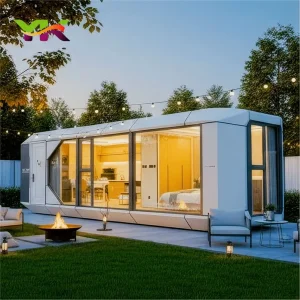
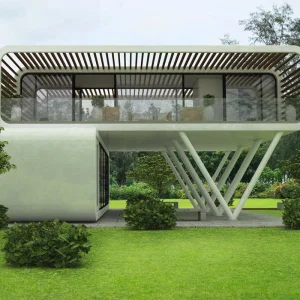
Modern consumers demand unique, nature-integrated accommodation experiences, from desert glass pods to forest canopy cabins. Constructing conventional buildings in ecological or remote zones is highly disruptive and financially prohibitive. Smart modular units (such as Apple Cabins and Space Capsule Pods) allow operators to deploy luxury, weather-insulated accommodations in delicate ecosystems with minimal earthworks and zero environmental footprint.
Prefabricated modular units represent a highly versatile solution class. Their modular design makes them highly adaptable to varied physical environments and local municipal demands. The following table showcases typical global application scenarios and localized engineering adjustments:
| Target Scenario | Key Local Challenge | Engineering Specifications Applied | Operational Benefit |
|---|---|---|---|
| Urban Infill Apartments (e.g., Las Vegas, USA) | Strict regional seismic codes, high wind-load ratings, fire-resistant boundaries. | Heavy-gauge cold-formed steel framing, high-density fire-barrier gypsum boards, sound dampening floor membranes. | Fast local permit approvals, maximum rental space density, excellent structural acoustic isolation. |
| Remote Mining & Construction Accommodation | Extreme temperature swings, remote delivery logistics, high occupancy abuse. | Polyurethane/Rockwool sandwich core panels (U-value ≤ 0.22 W/m²K), high-wear vinyl flooring. | Rapid setup on-site, minimized HVAC energy consumption, robust 20+ year wear-and-tear lifespan. |
| Eco-Tourism Capsule Hotels (e.g., European Alps) | Extreme alpine snow loads, ecological zoning laws, smart automation expectations. | Aerodynamic structural capsule curves, triple-glazed thermal low-E glass, integrated smart IoT control networks. | Premium nightly room rates, minimal site ecological disruption, low-carbon off-grid power readiness. |
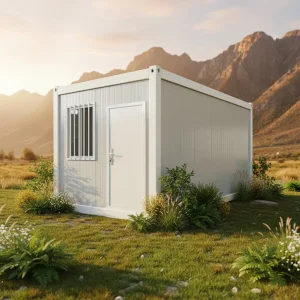
| Disaster Relief & Emergency Shelters (e.g., Venezuela) | Extremely rapid setup requirement, humid climate, limited local tools. | Flat-pack design optimization, highly corrosion-resistant galvanizing layer (275 g/m²), tool-free bolt design. | Cost-effective bulk shipping, non-technical local labor assembly, reliable wind and rain protection. |
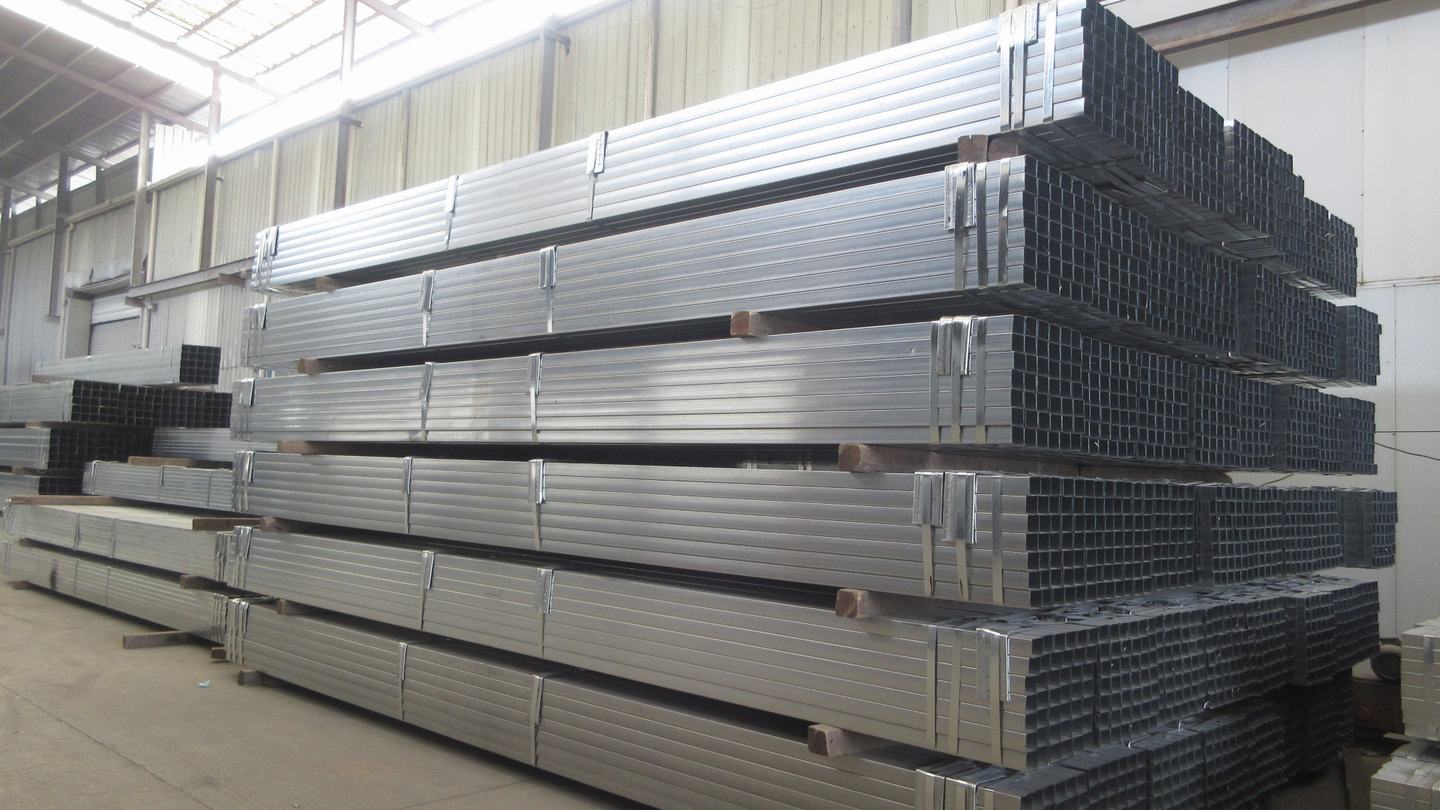
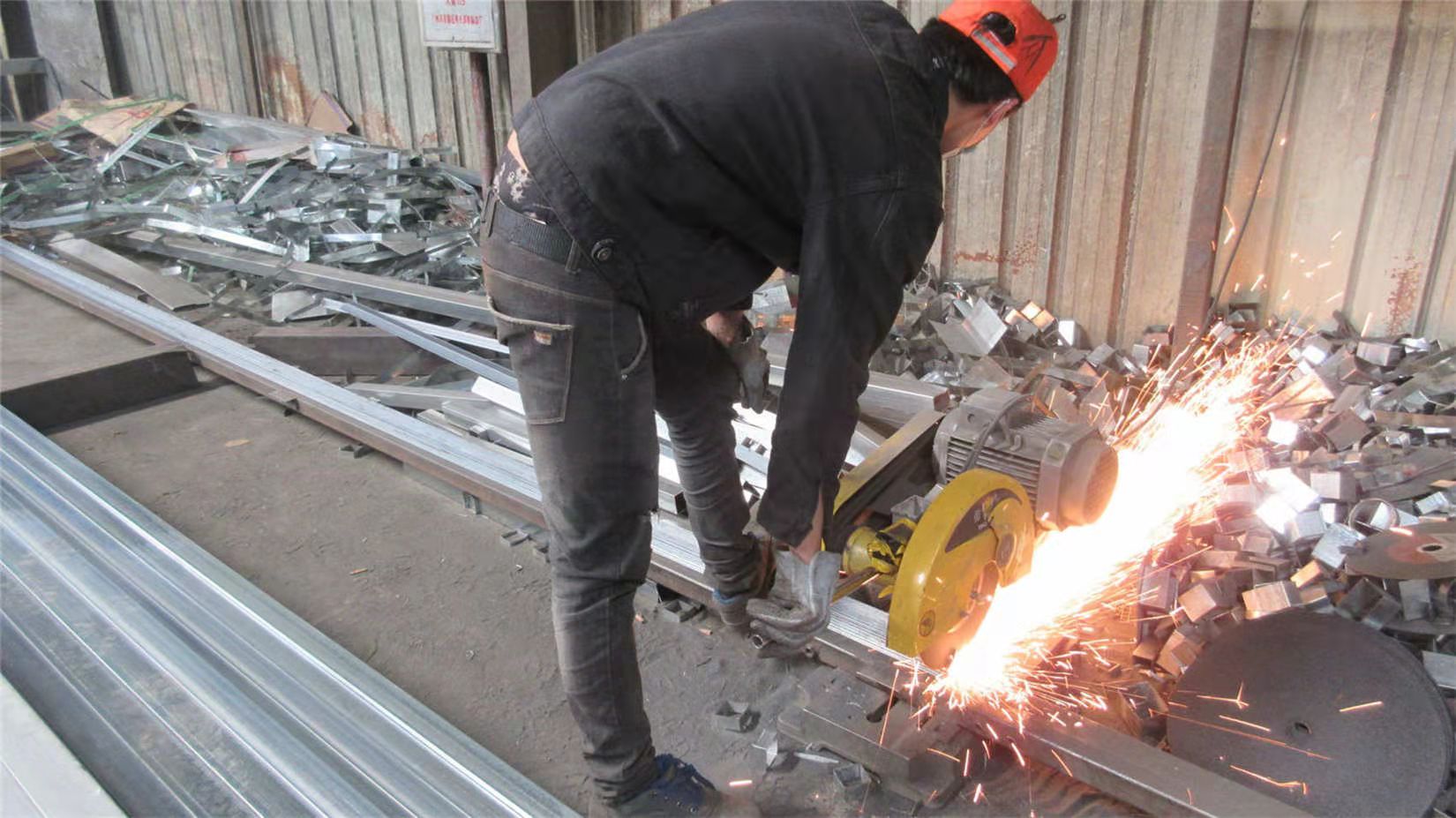
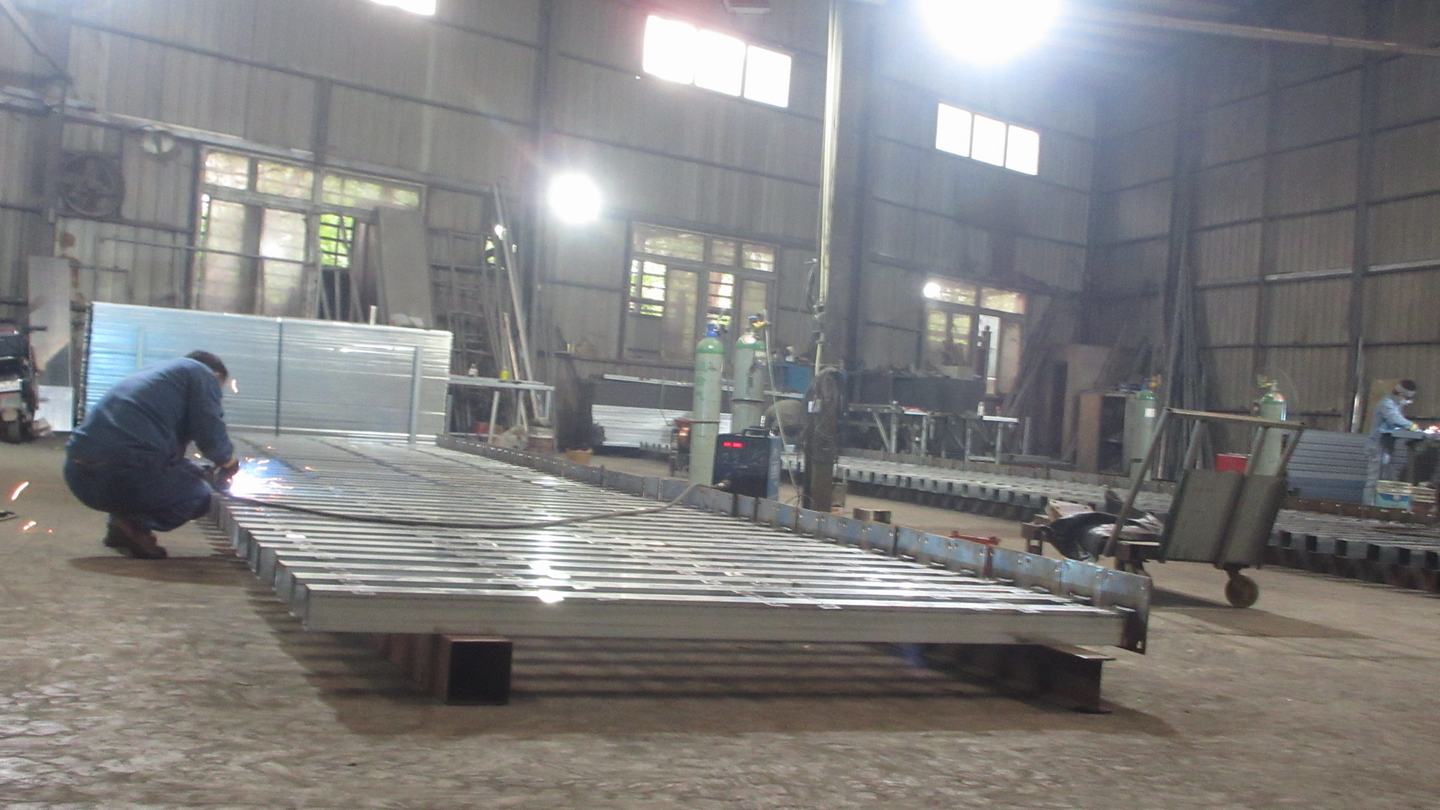
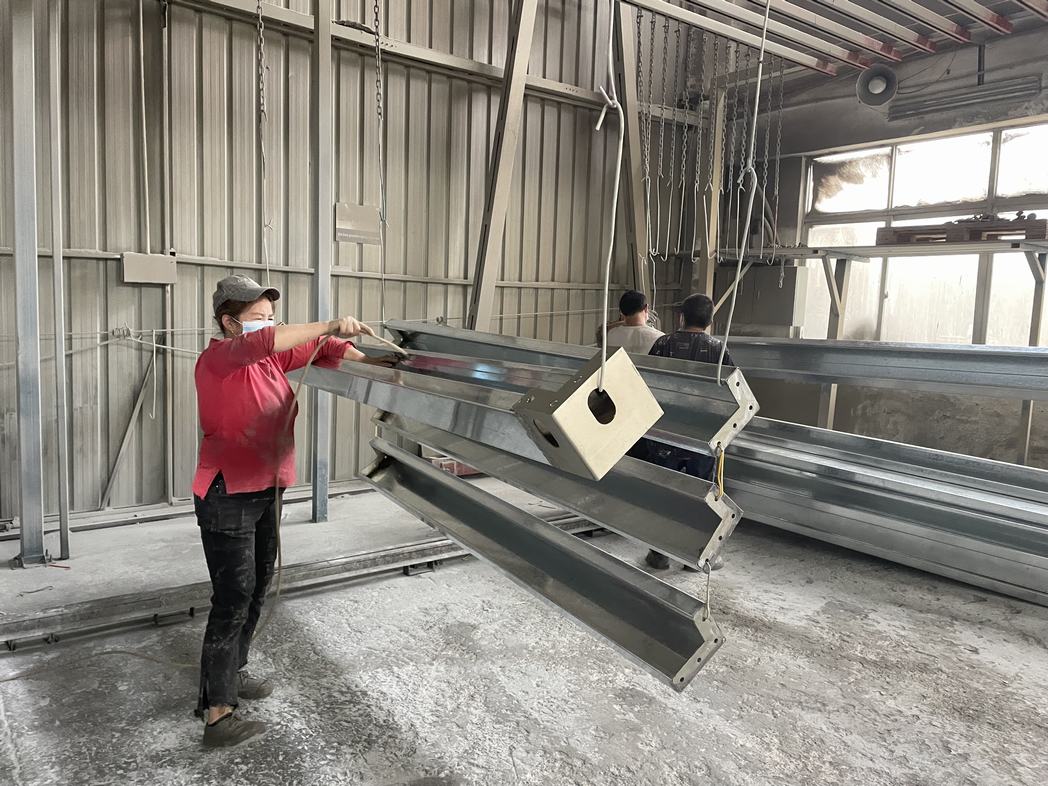
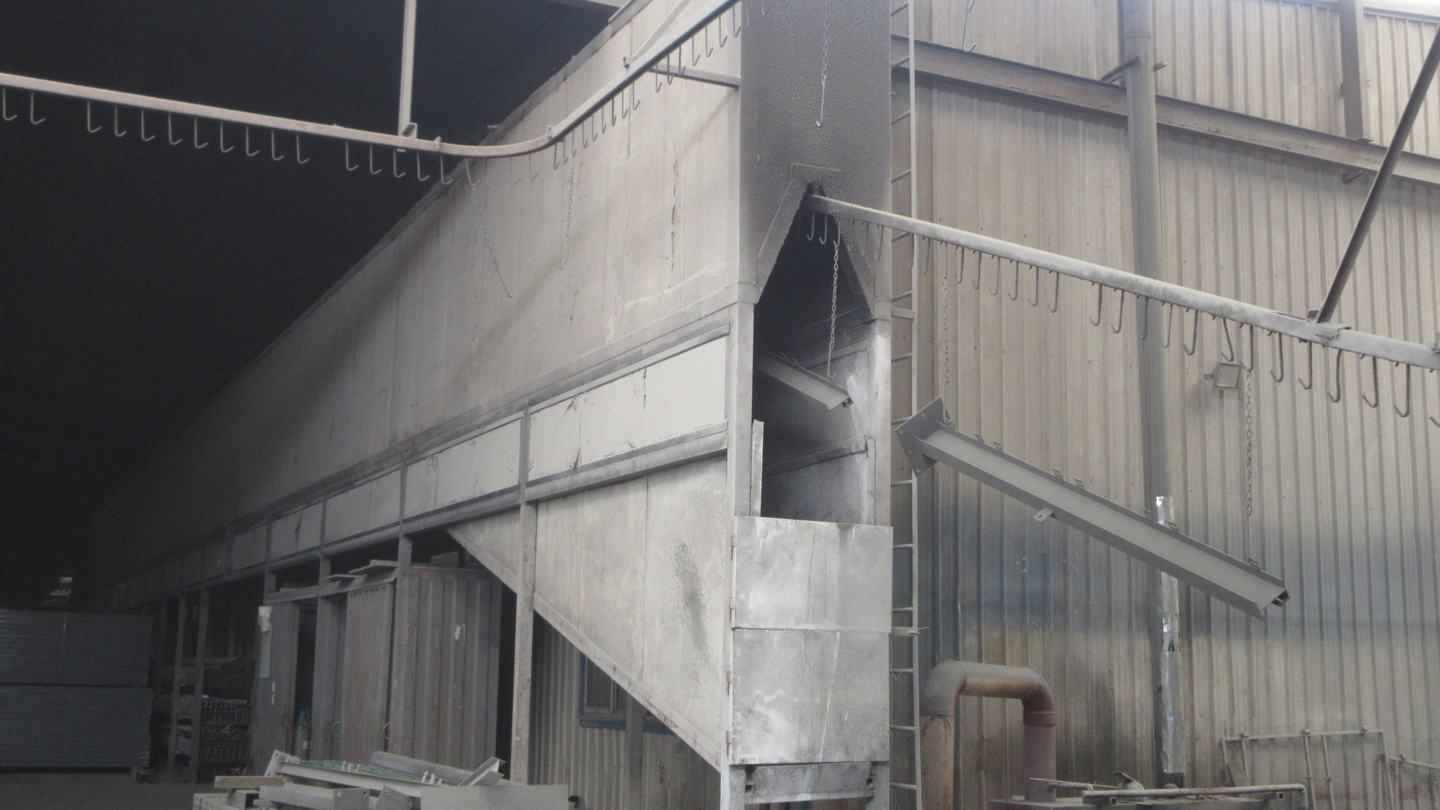
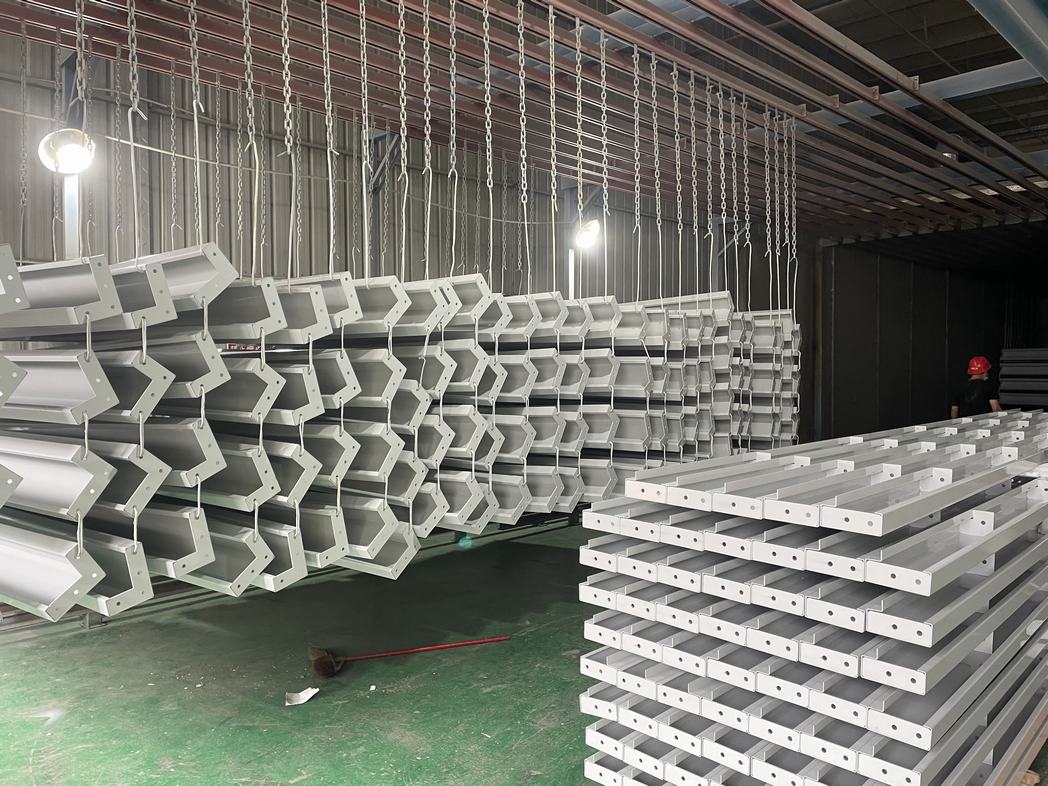
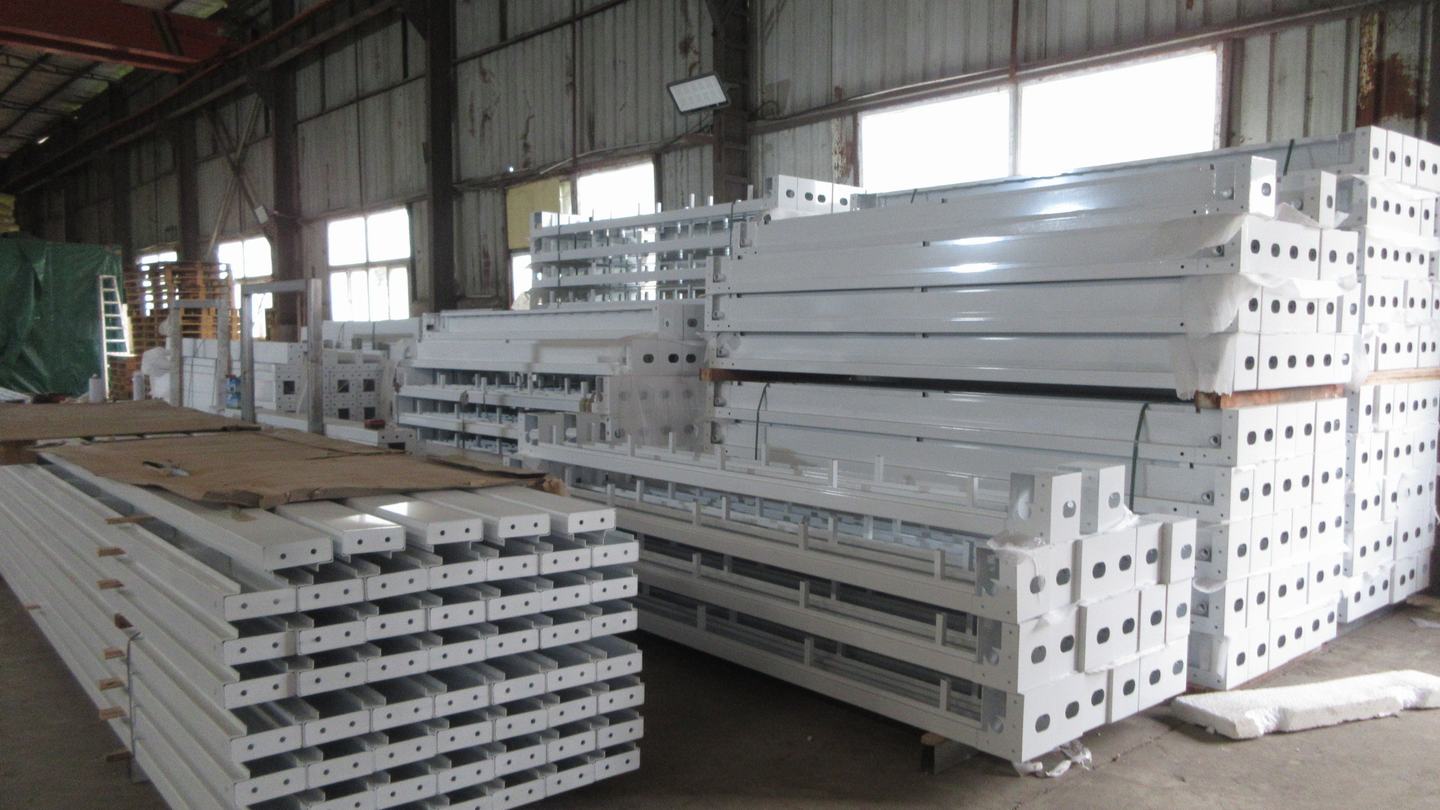
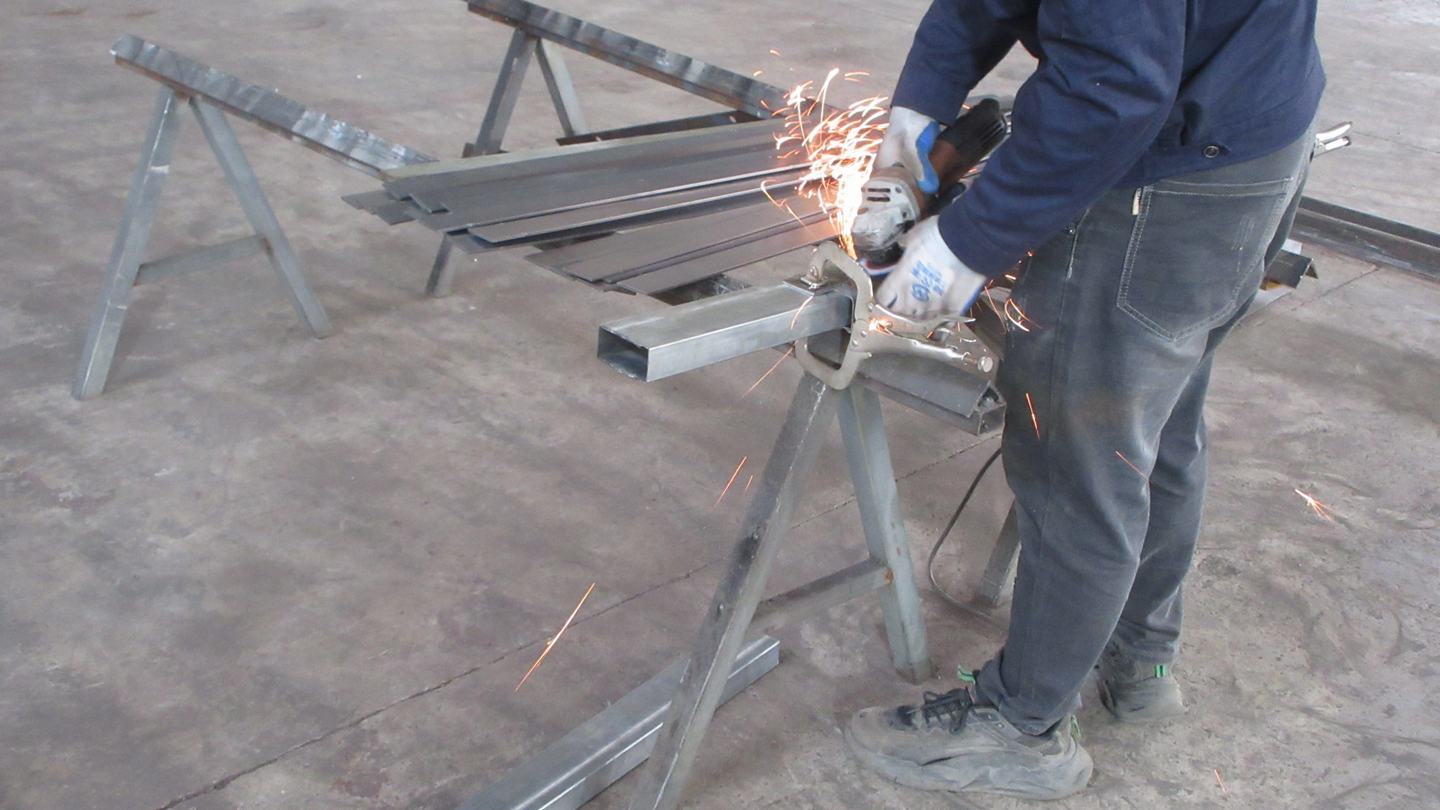
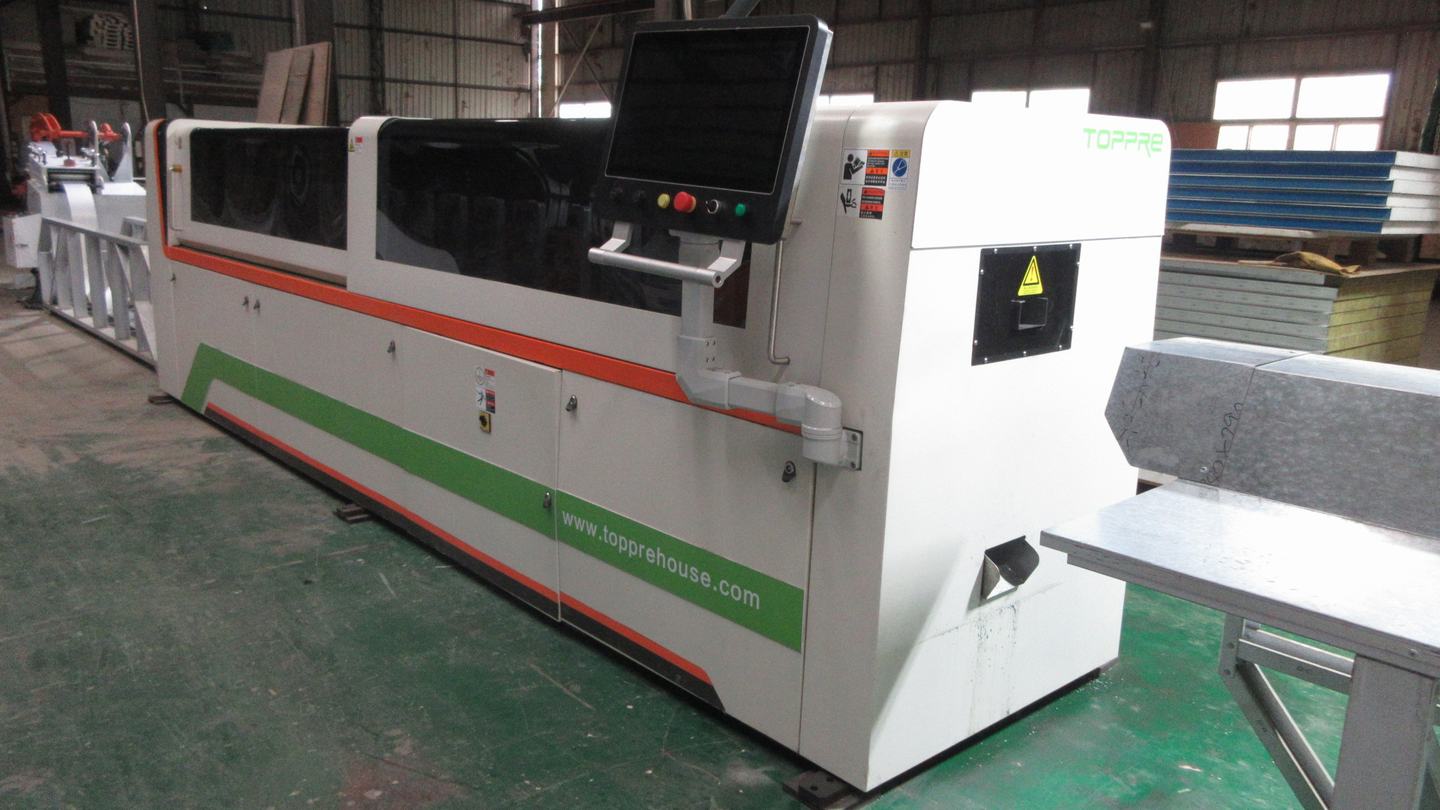
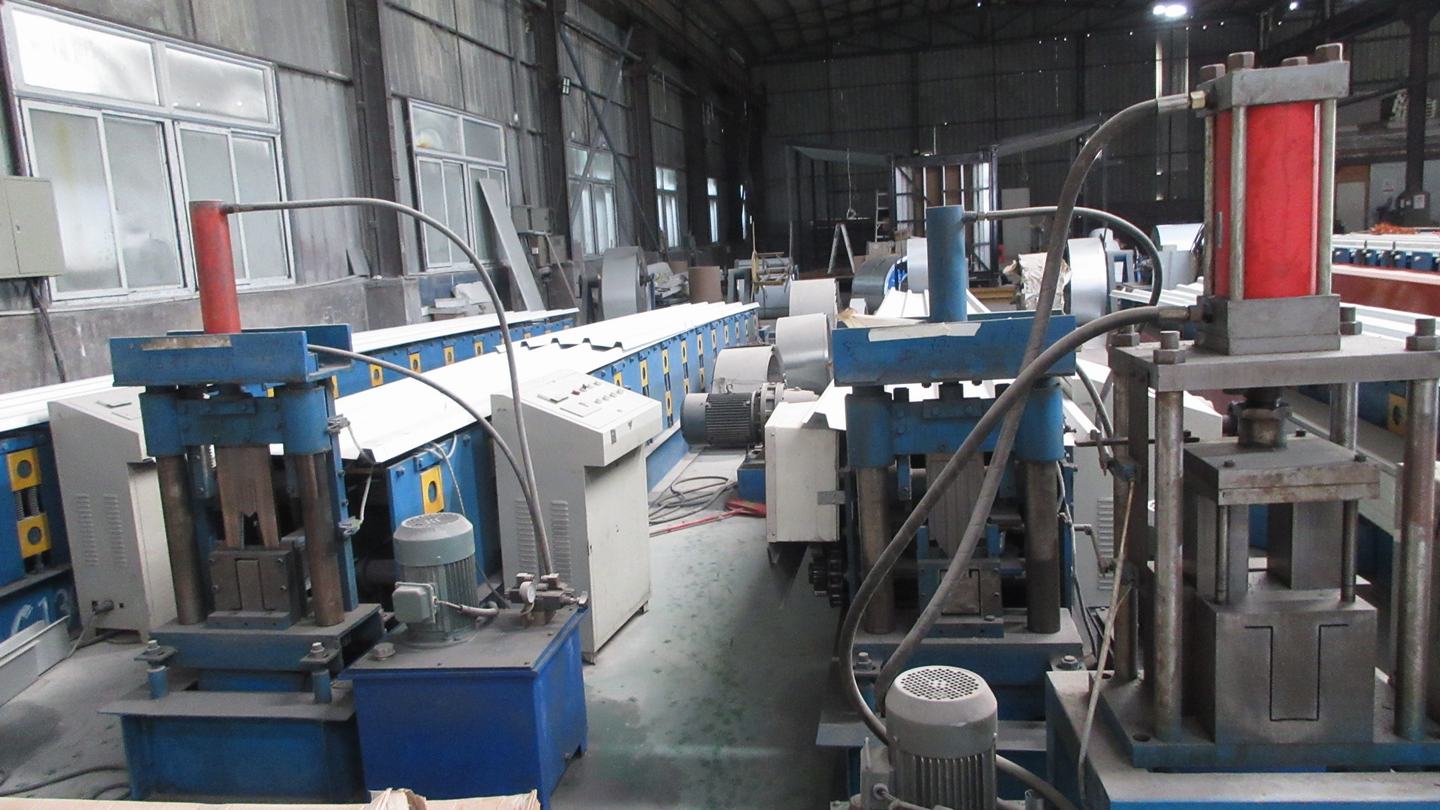
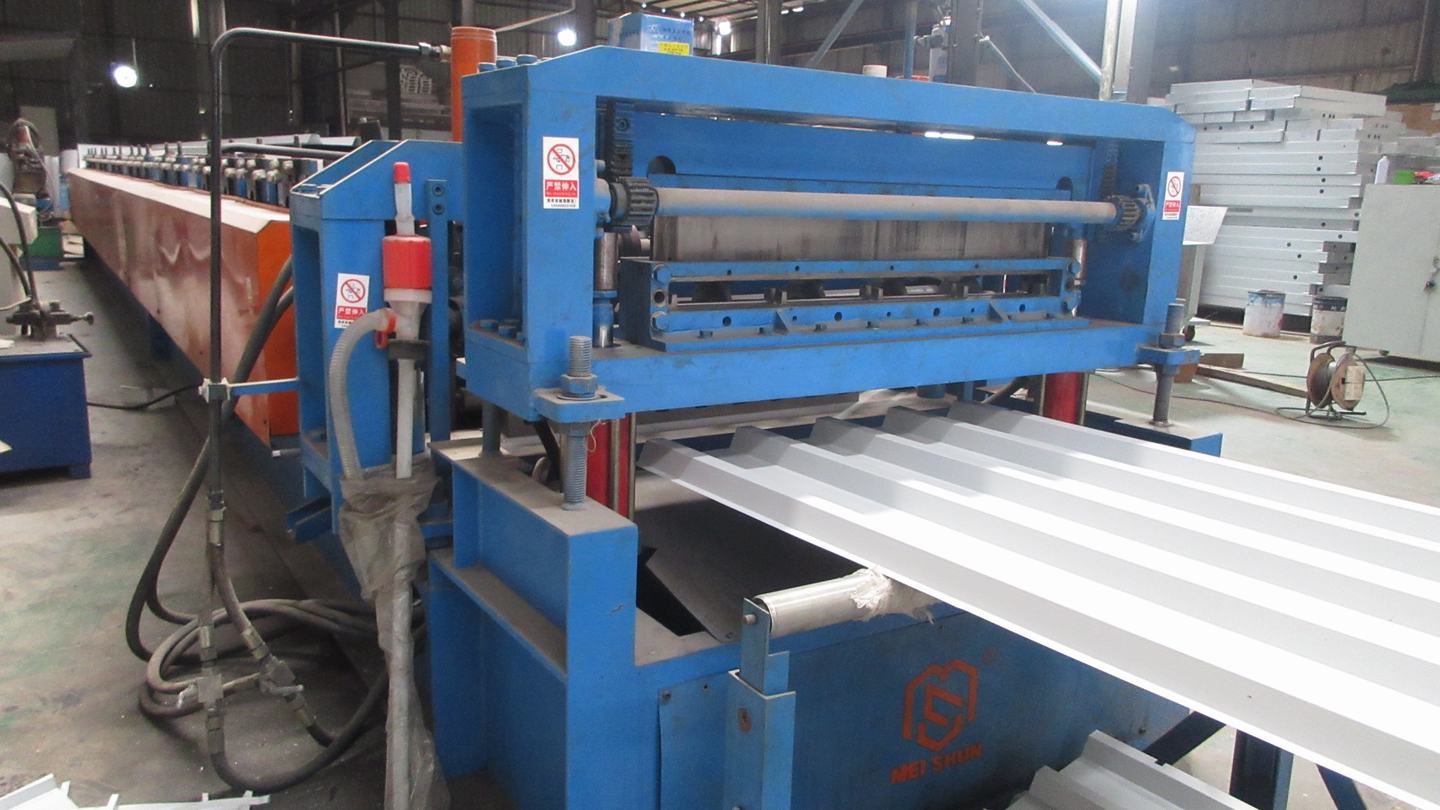
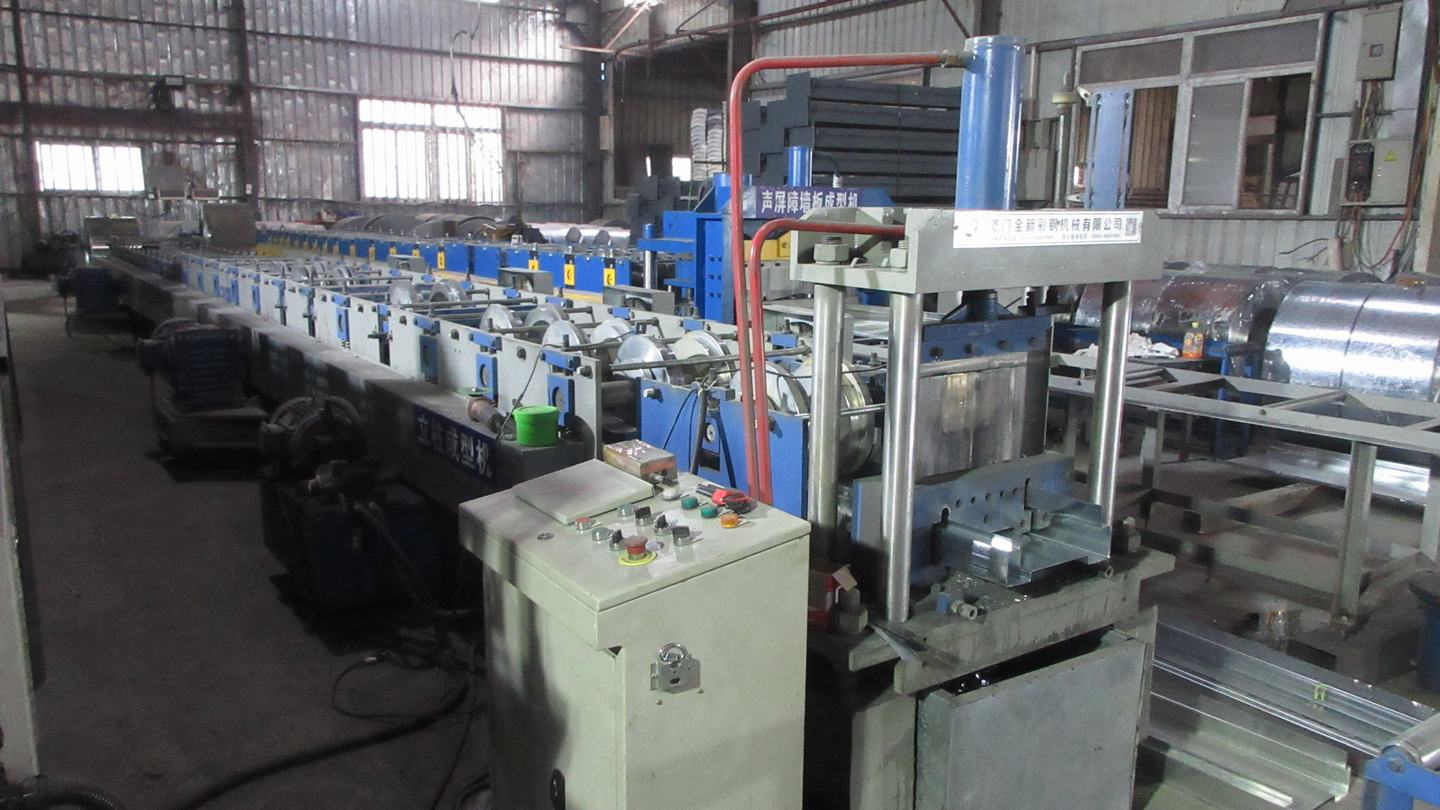
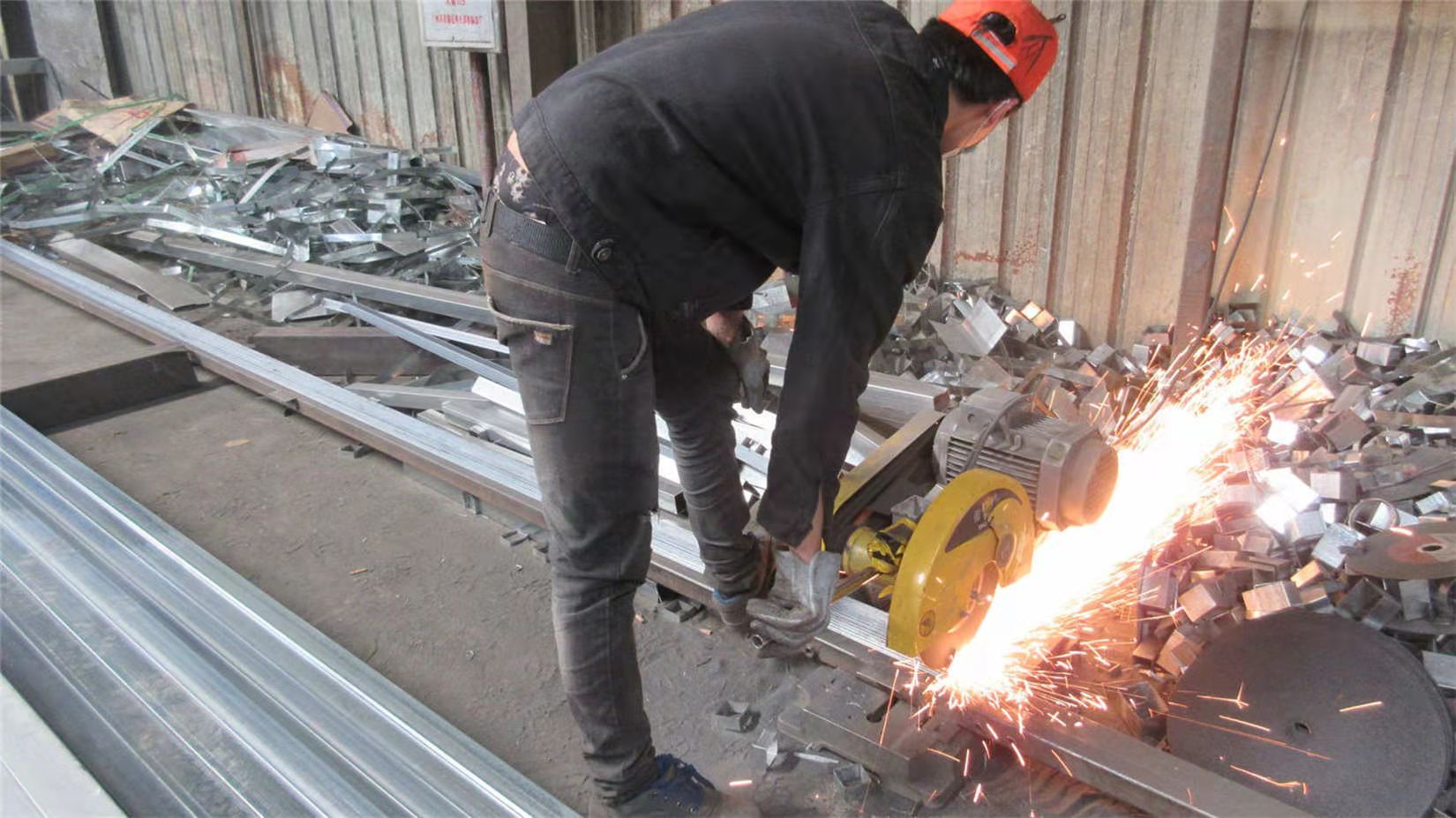
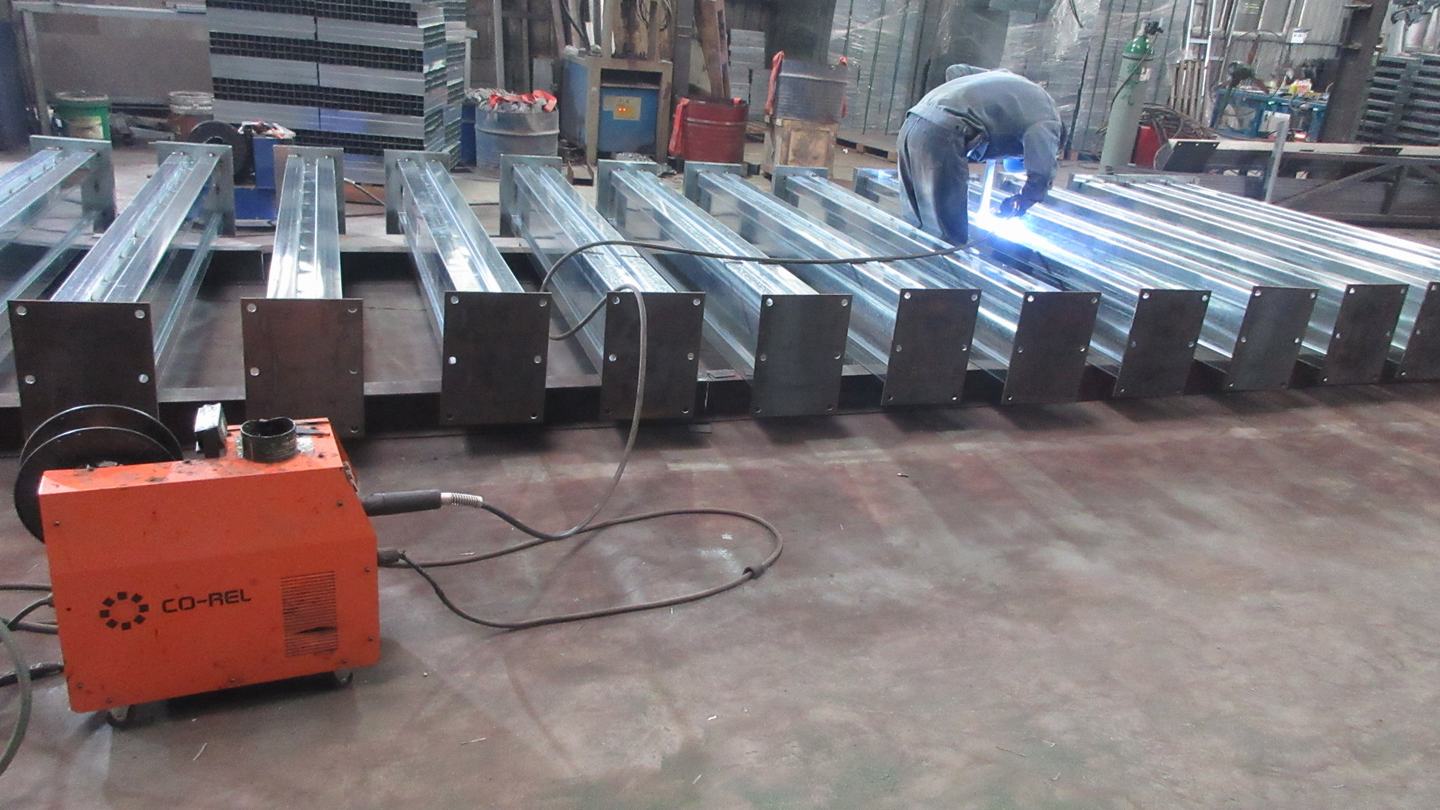
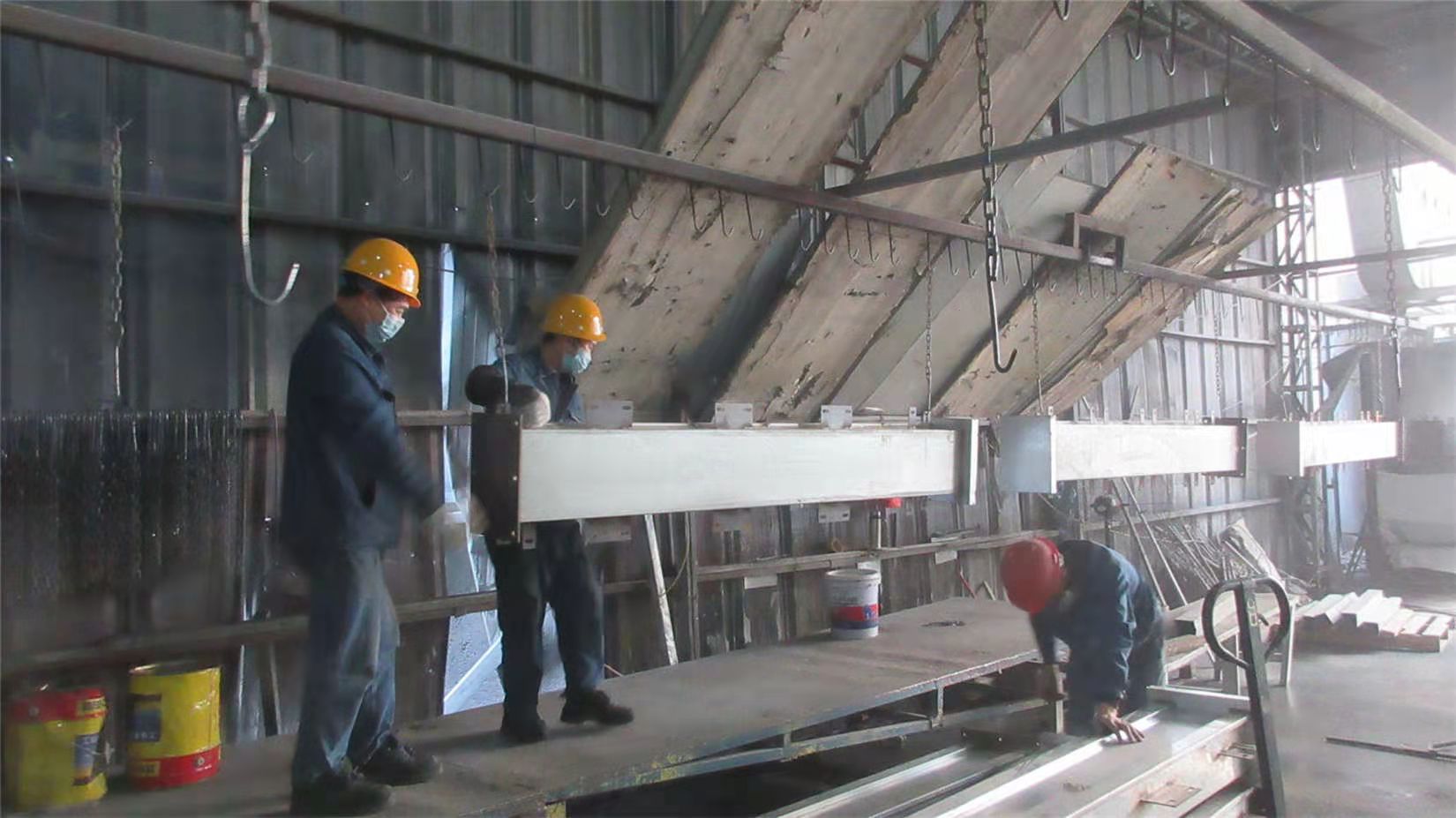
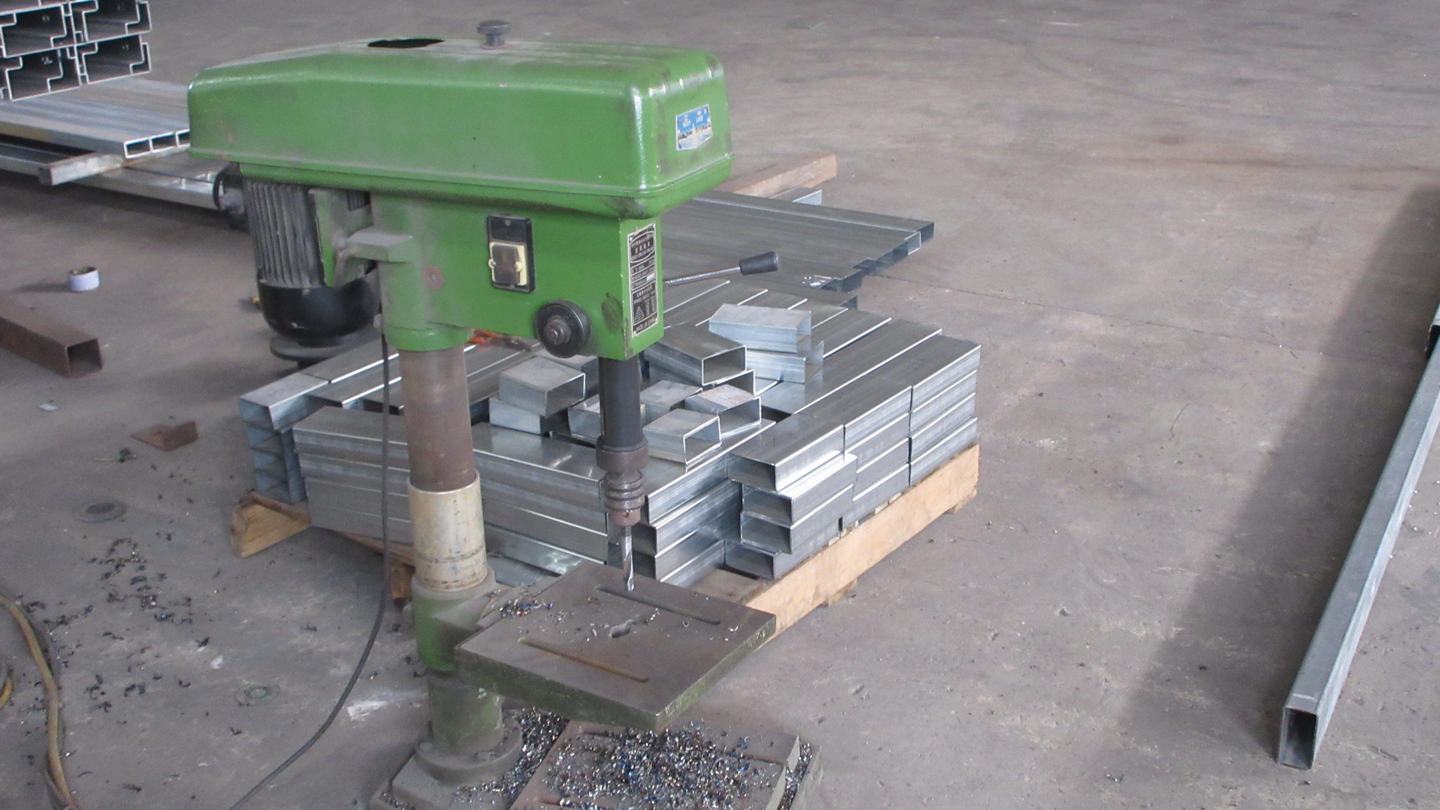
As a leading engineering-led manufacturer, our organizational framework operates on the absolute integration of E-E-A-T (Experience, Expertise, Authoritativeness, and Trustworthiness) principles. When dealing with global B2B procurement, our clients require more than generic marketing pitches; they need verified structural compliance and proven materials chemistry:
Our heavy-gauge steel structures undergo rigorous structural modeling using software like SAP2000 and STAAD.Pro to calculate dynamic wind load coefficients. Depending on destination requirements (e.g., Caribbean hurricane zones or extreme oceanic exposures), structures are engineered to withstand winds of up to 250 km/h and high ground-snow loads without structural deflection.
Using premium non-combustible materials, our wall assembly sandwich cores incorporate high-density basalt mineral wool or specialized flame-retardant polyurethane class-1 insulation cores. This construction creates a highly efficient passive fire barrier, preventing horizontal or vertical flame propagation across residential apartment corridors.
Multi-family apartments and premium boutique hotels require excellent acoustic privacy. We integrate decoupling metal furring channels, multi-layer acoustic sealants, and dense interior wall linings to achieve a Sound Transmission Class (STC) rating of ≥ 54 dB, reducing acoustic transfer between adjacent units to absolute imperceptibility.
For international procurement directors, the successful execution of an offsite project hinges on supply chain management and logistical precision. We support procurement teams through a streamlined, risk-mitigating process workflow:
We convert architectural drawings into structured 3D BIM models, resolving MEP clashes prior to production. This guarantees perfect fitment of embedded plumbing conduits and electrical channels in the factory.
For large multi-unit hotel projects, we build a physical mock-up module at our plant. Clients can inspect spatial ergonomics, verify MEP performance, and review finish materials via high-definition video link or in-person visits.
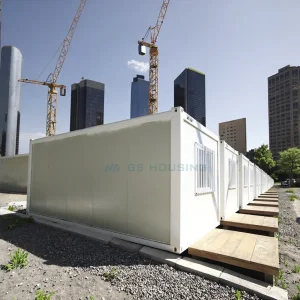
We design our prefabricated units to fit standard shipping configurations (e.g., 40ft HQ Sea Containers or Flat-Rack platforms). Professional packing procedures prevent dynamic shifting and saltwater corrosion during maritime transit.
How does your CE certification guarantee compliance with European local construction authorities?
Our CE certification satisfies the European Union's Harmonized Standard EN 1090-1 and the Construction Products Regulation (CPR). When shipping modules to the EU, we supply complete Declaration of Performance (DoP) certificates, raw-material mill test reports, and non-destructive weld testing data. This provides local structural engineers and building inspectors with verified documentation to issue permits quickly.
What insulation materials are used to meet localized thermal performance regulations (like Part L in the UK or EnEV in Germany)?
We use advanced double-layer rockwool panels or high-density PIR/polyurethane core insulation in custom thicknesses (e.g., 100mm to 200mm). This configuration achieves extremely low thermal transmittance values (U-values ≤ 0.18 W/m²K), meeting strict winter heating and summer cooling energy-efficiency requirements in high-latitude countries.
How are the internal MEP systems (Mechanical, Electrical, and Plumbing) customized for domestic standards?
We customize all MEP components in our factory to match your local market specifications, such as UL/CSA-listed wiring for North America, CE/VDE-certified wiring for Europe, and SAA-approved systems for Australia. Plumbing lines are constructed with premium PEX/PPR pipes and pre-engineered to match local municipal outlet locations, ensuring simple onsite hookup.
What is the estimated design lifespan of a prefabricated steel hotel apartment unit?
Our structural frames are fabricated using high-strength hot-dip galvanized steel with a protective zinc coating density of ≥ 275 g/m², which is further protected by specialized anti-corrosion primer and finish paints. This advanced multi-layer coating system delivers a structural design service life of over 50 years under standard environmental conditions.
How do you manage overseas freight logistics and prevent structural damage during ocean transit?
Modules are engineered to withstand the dynamic forces of international shipping. Glass panels, delicate interior trims, and sanitary fixtures are secured using protective foam liners, shrink-wrap layers, and structural bracing. We load units using reinforced sea container systems or flat-pack frameworks with lifting lugs, ensuring safe handling at ports and worksites.