Ruifa Modular House
Ruifa Modular House
Ruifa Modular House
Explore our leading-edge configurations for residential, commercial, and emergency accommodation.
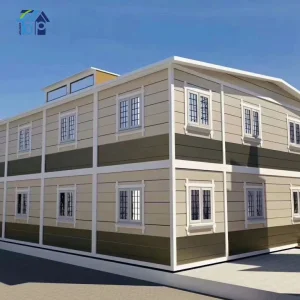
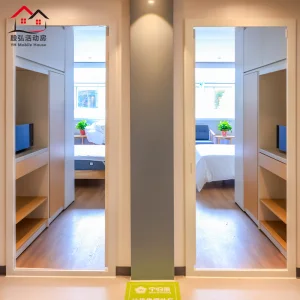
A Whitepaper on Industrial Trends, Structural Dynamics, and Supply Chain Modernization
The global construction landscape is experiencing a fundamental paradigm shift toward Volumetric Modular Construction. Driven by severe skilled labor shortages, stringent environmental regulations, and the need for compressed project timelines, real estate developers are adopting offsite prefabrication. Industrialized modular design meets global building standards (CE, SGS, American IBC), ensuring that structural safety criteria are maintained in diverse geographic conditions.
Modern prefabricated living structures utilize advanced insulated sandwich panels (PU, EPS, Rockwool) integrated directly into high-durability light-gauge steel frames. By eliminating thermal bridges, these components minimize operational energy footprints, aligning with net-zero construction regulations worldwide. This high thermal performance enables modular capsules and container structures to adapt effortlessly to both arctic environments and desert climates.
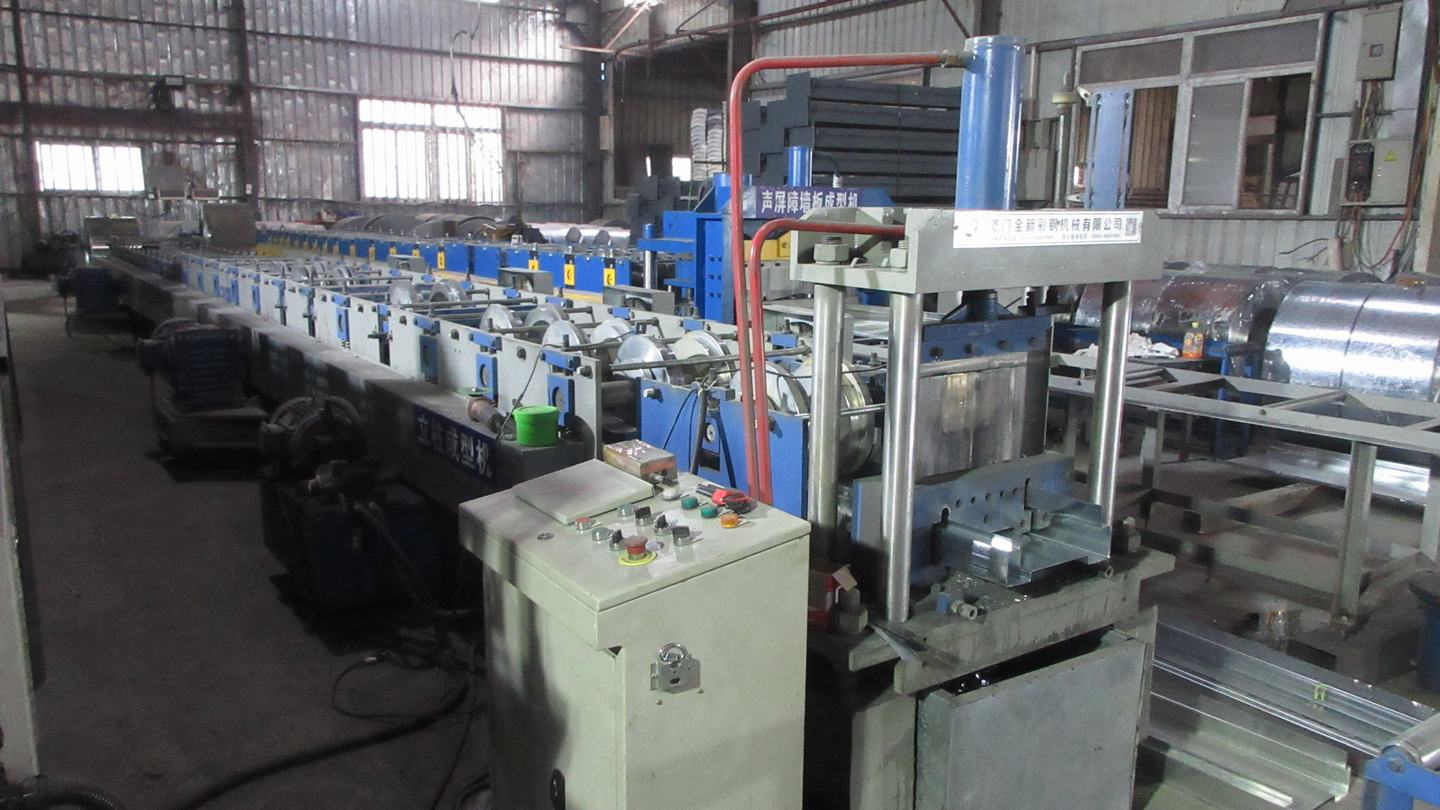
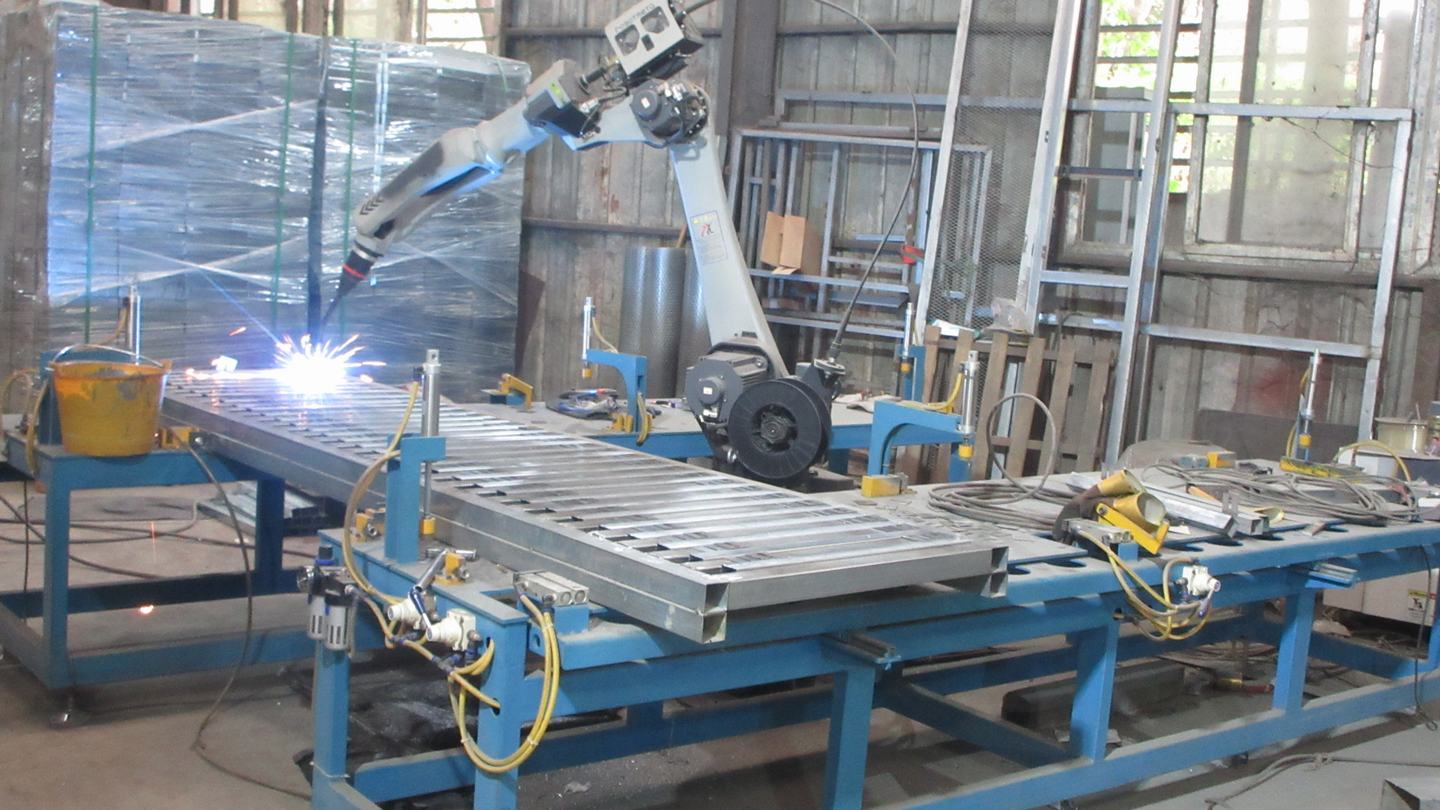
China's South-East manufacturing corridors lead the global market by integrating upstream raw material processing with advanced robotic welding and precision component assembly lines. By centralizing metallurgy, frame rolling, CNC cutting, and automated coating lines in one ecosystem, factories achieve scale efficiencies. The result is rapid deployment timelines and reduced material waste, lowering overall capital expenditure for global buyers.
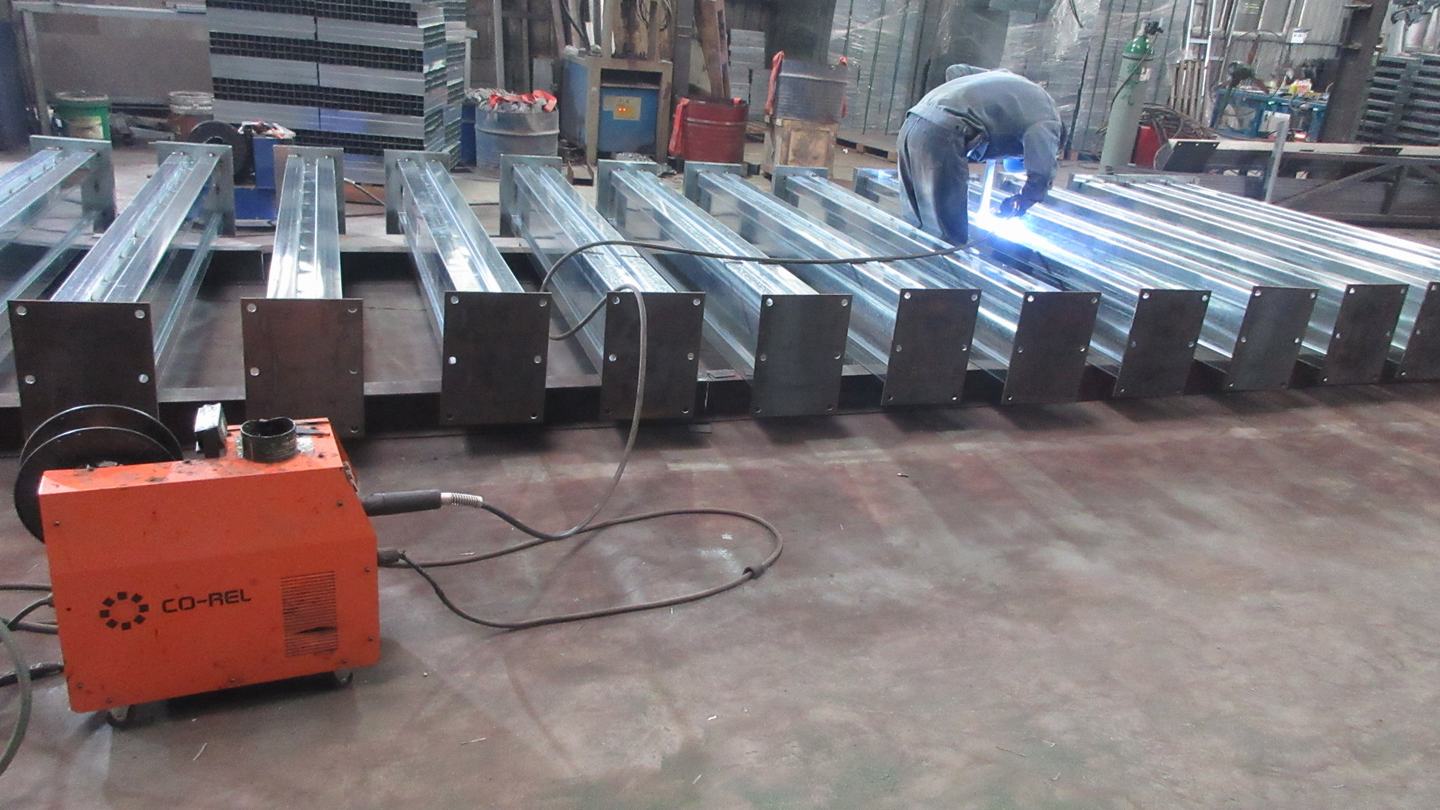
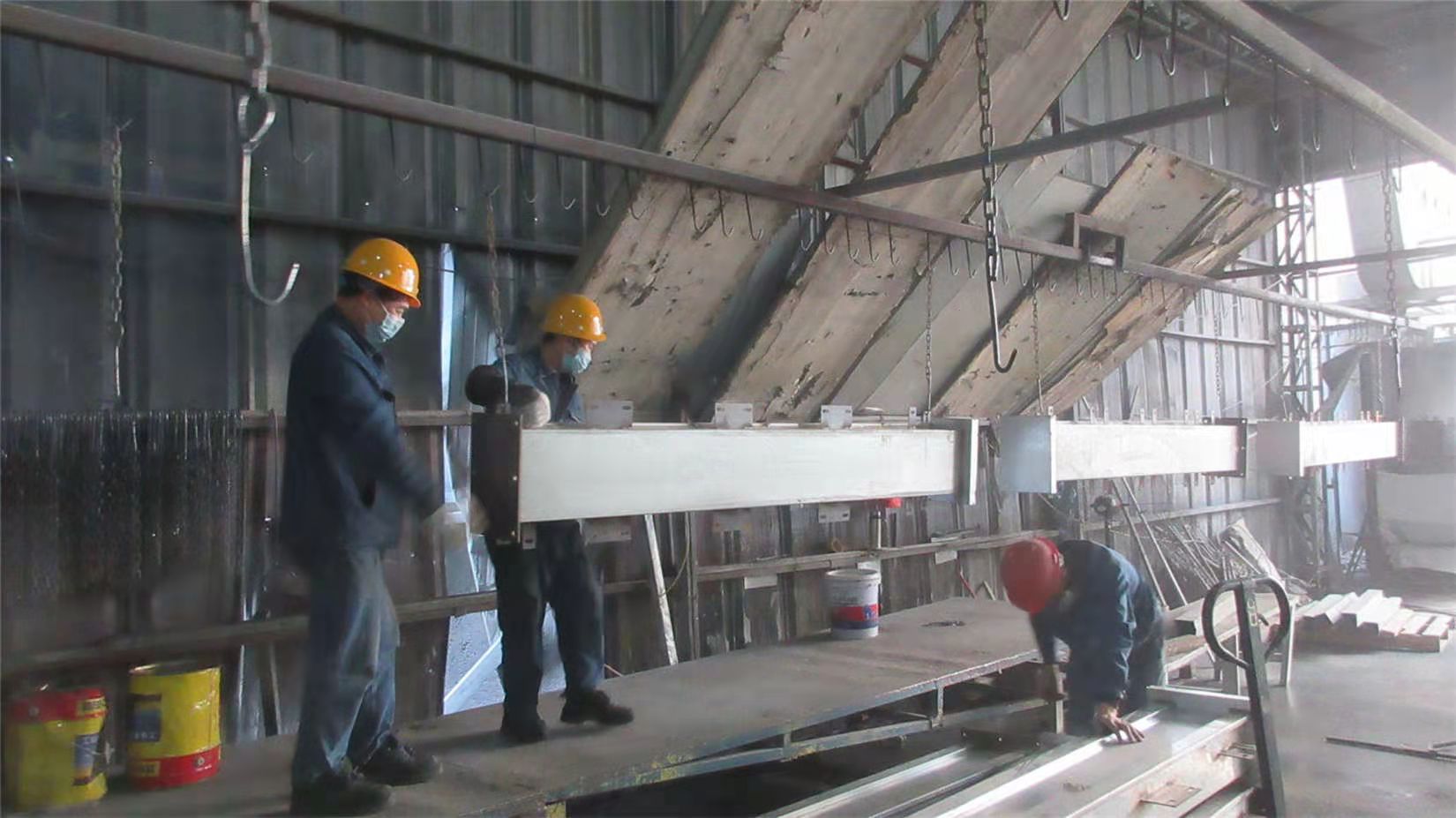
Our structured, vertically integrated factory processes ensure trace-ability, high structural tolerance, and precision engineering.
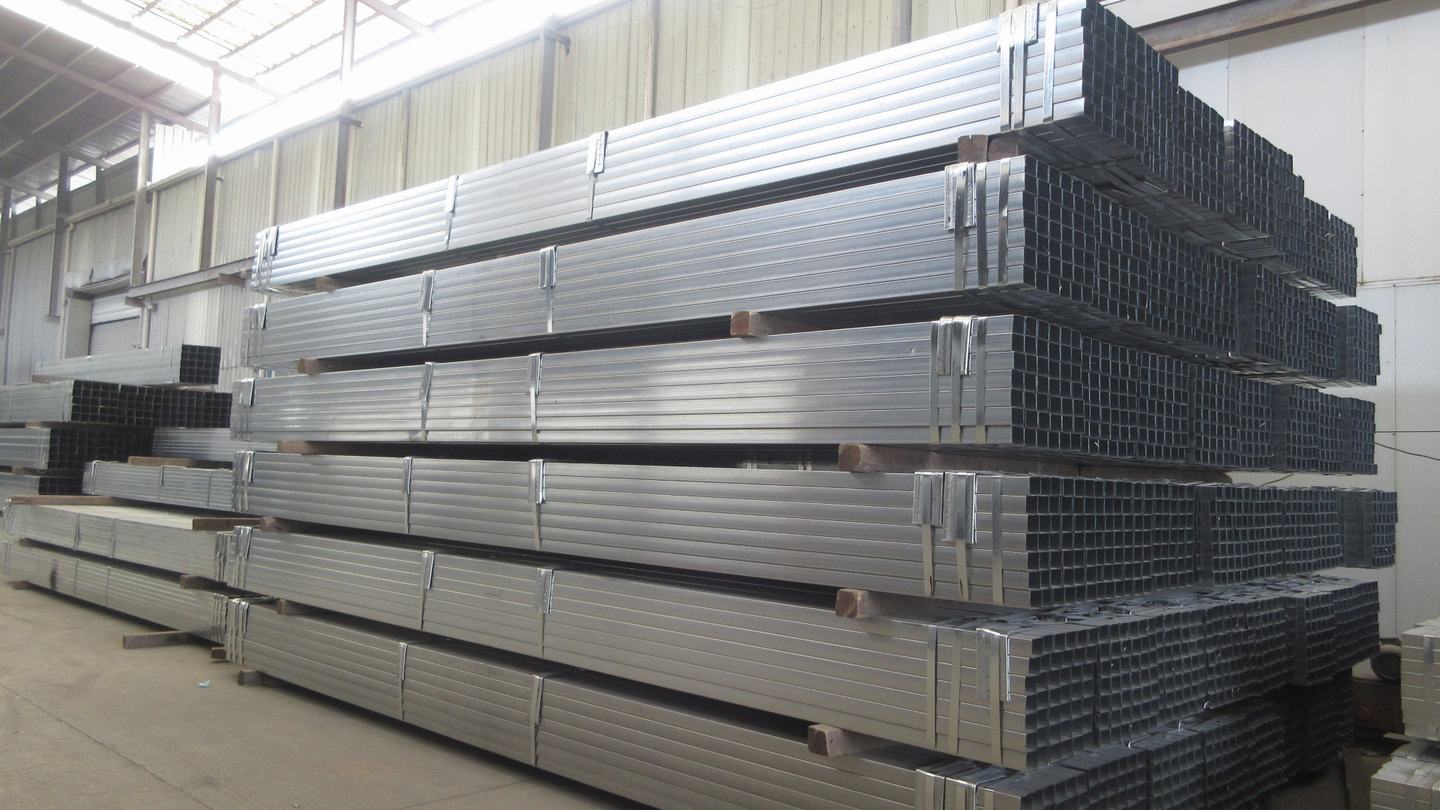
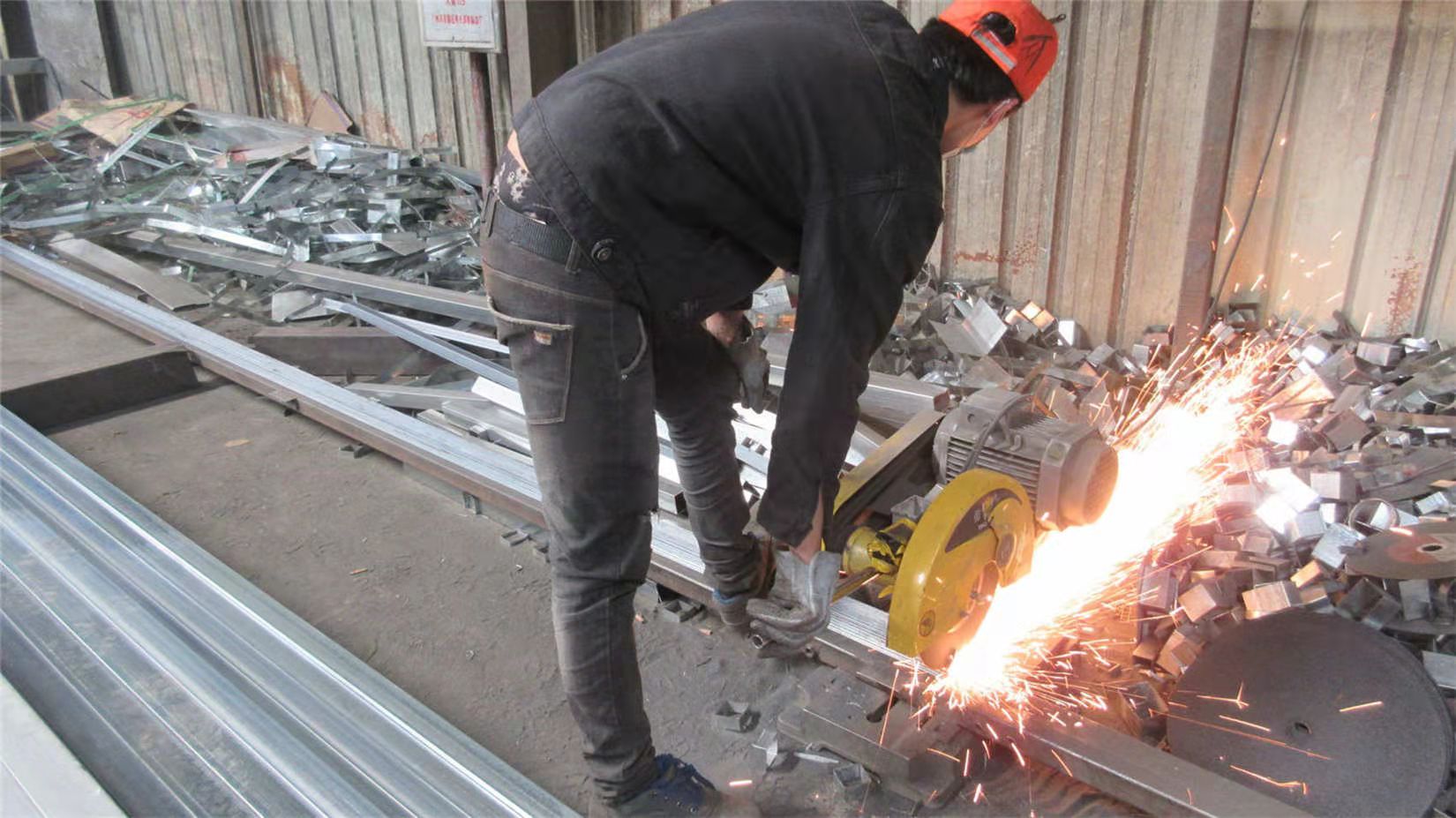
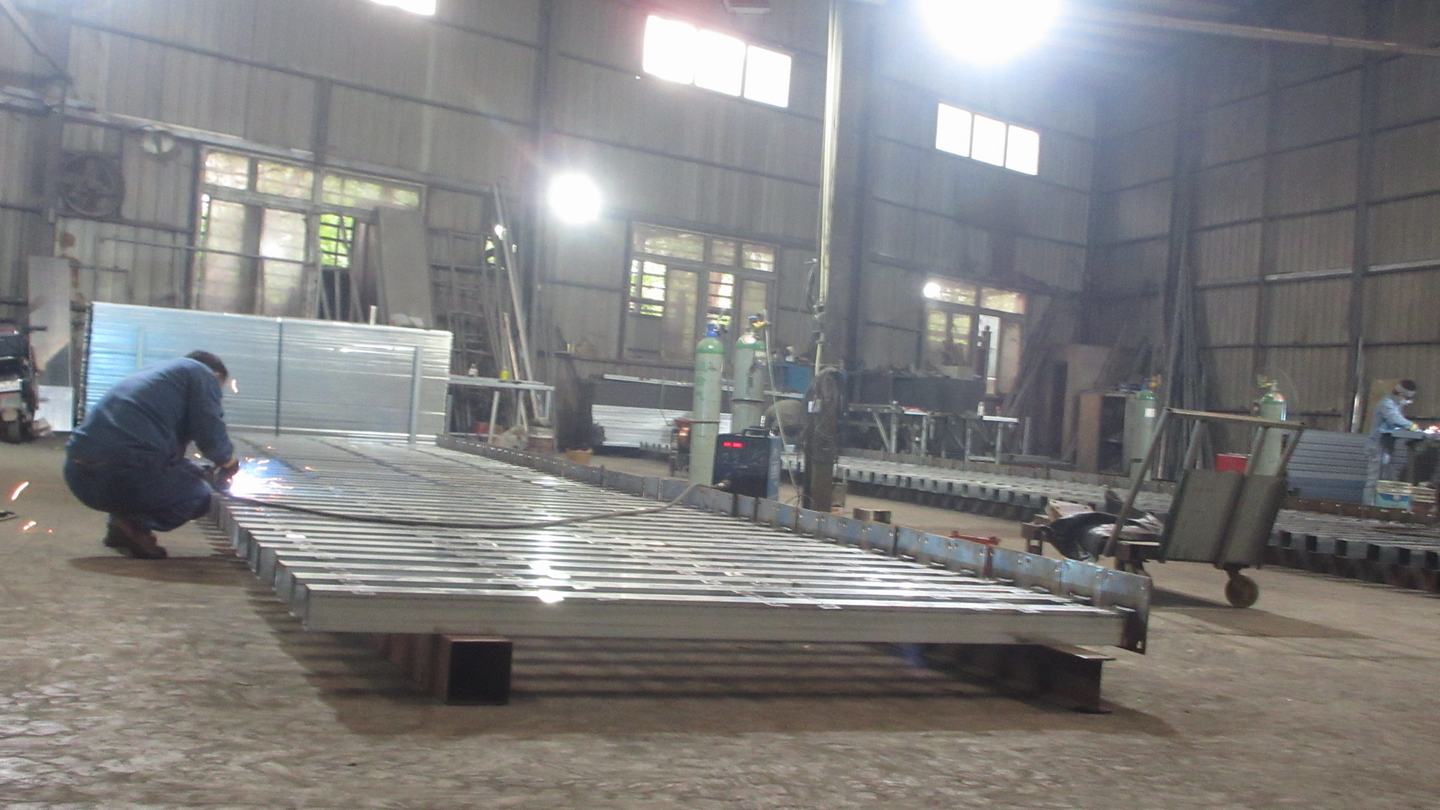
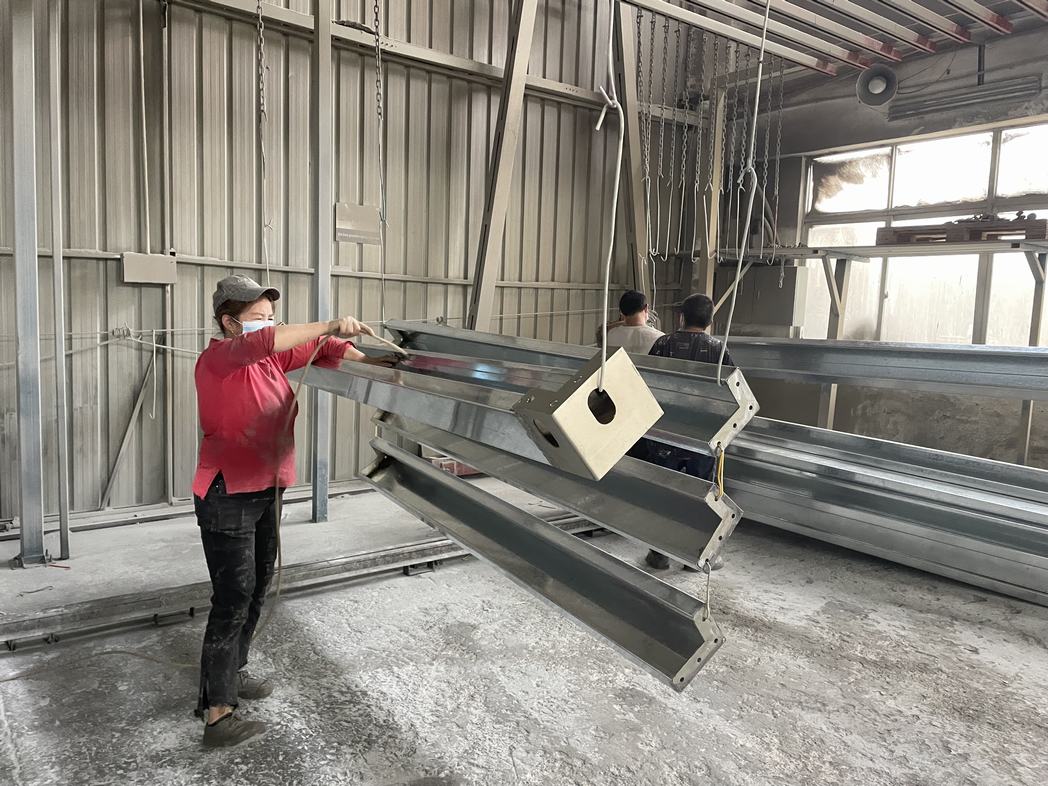
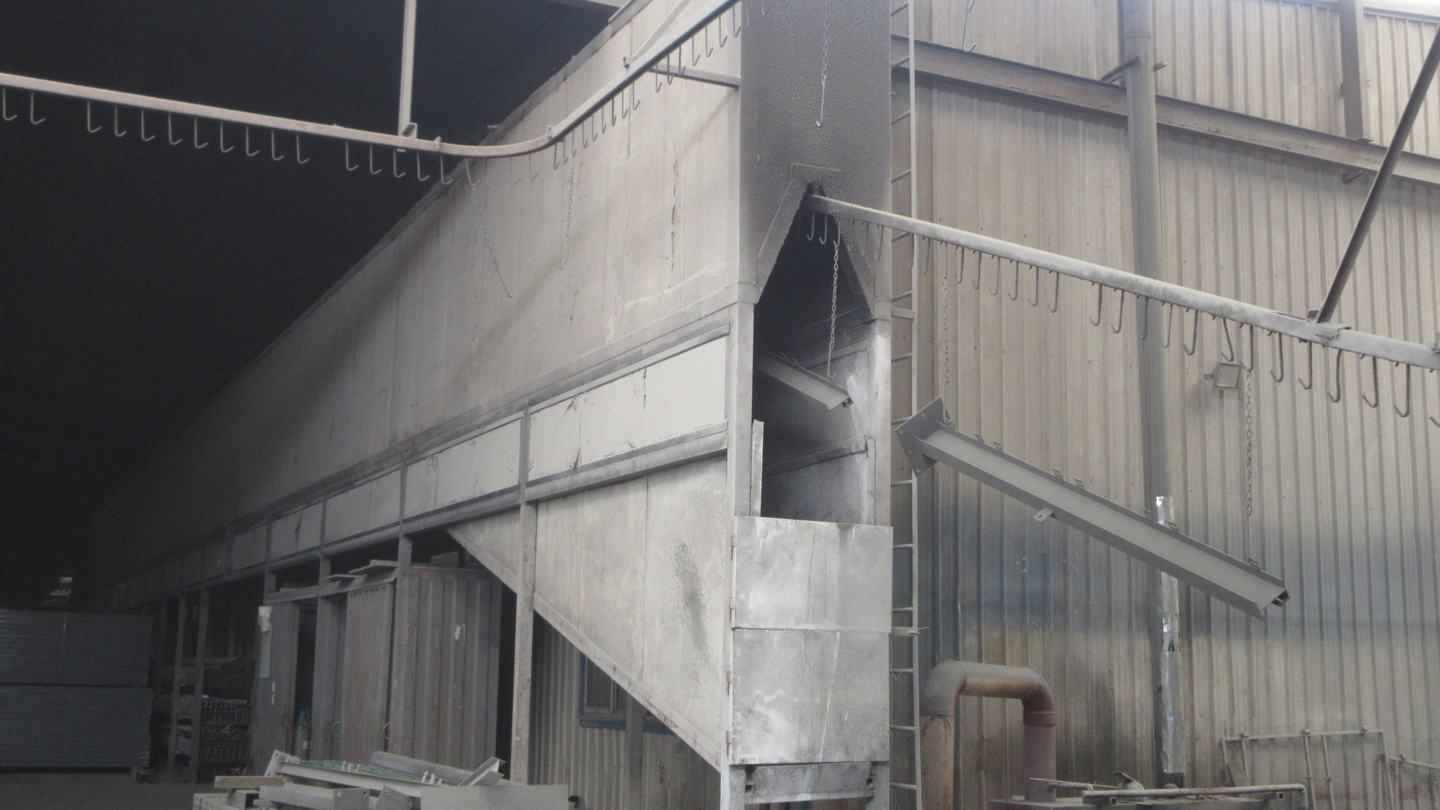
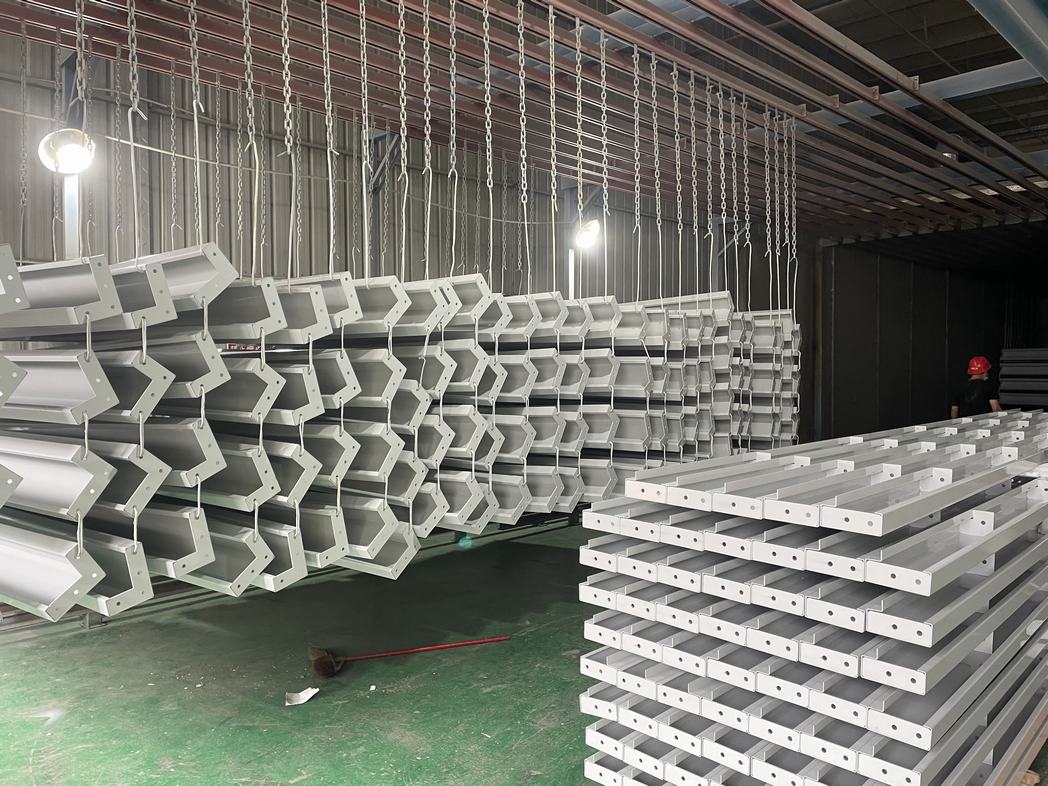
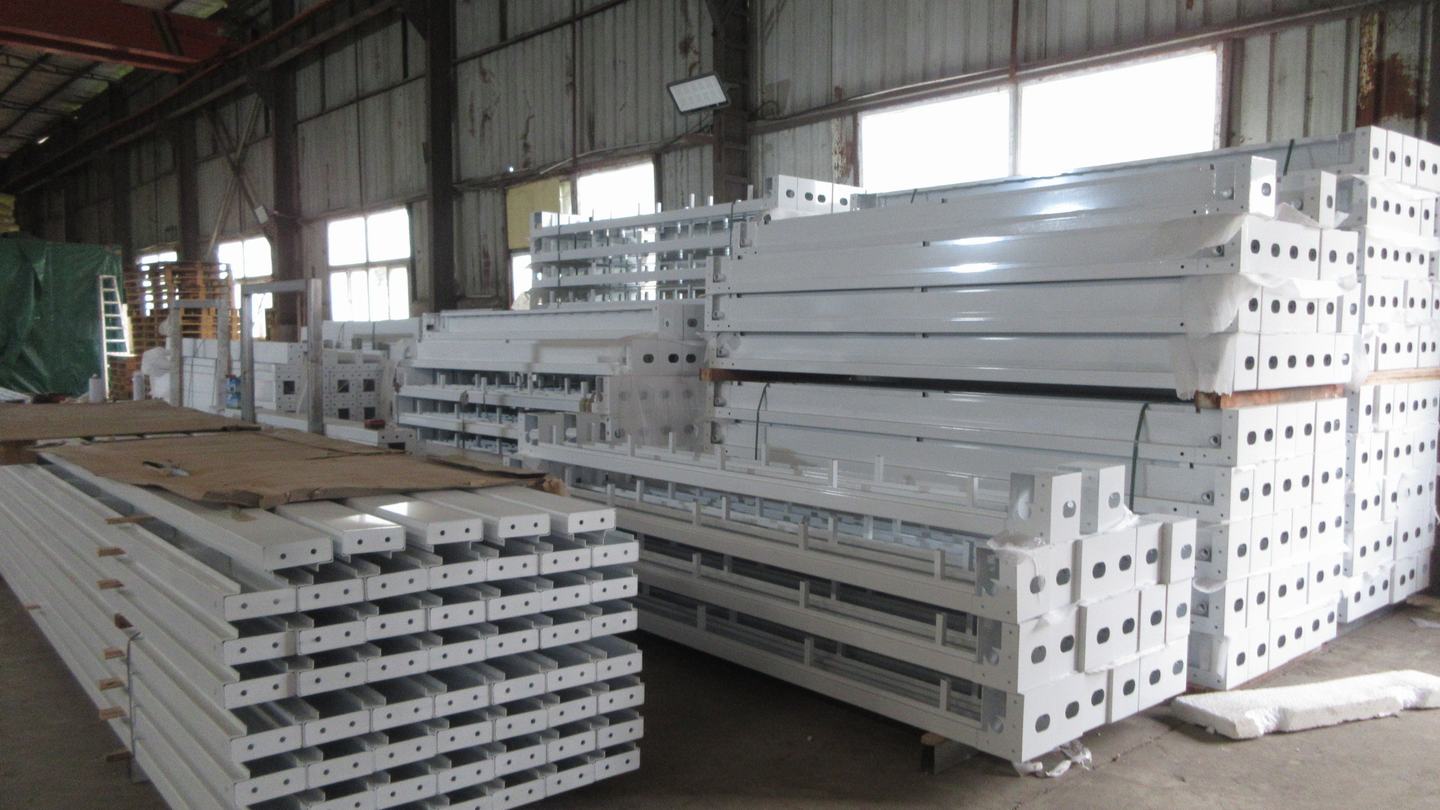
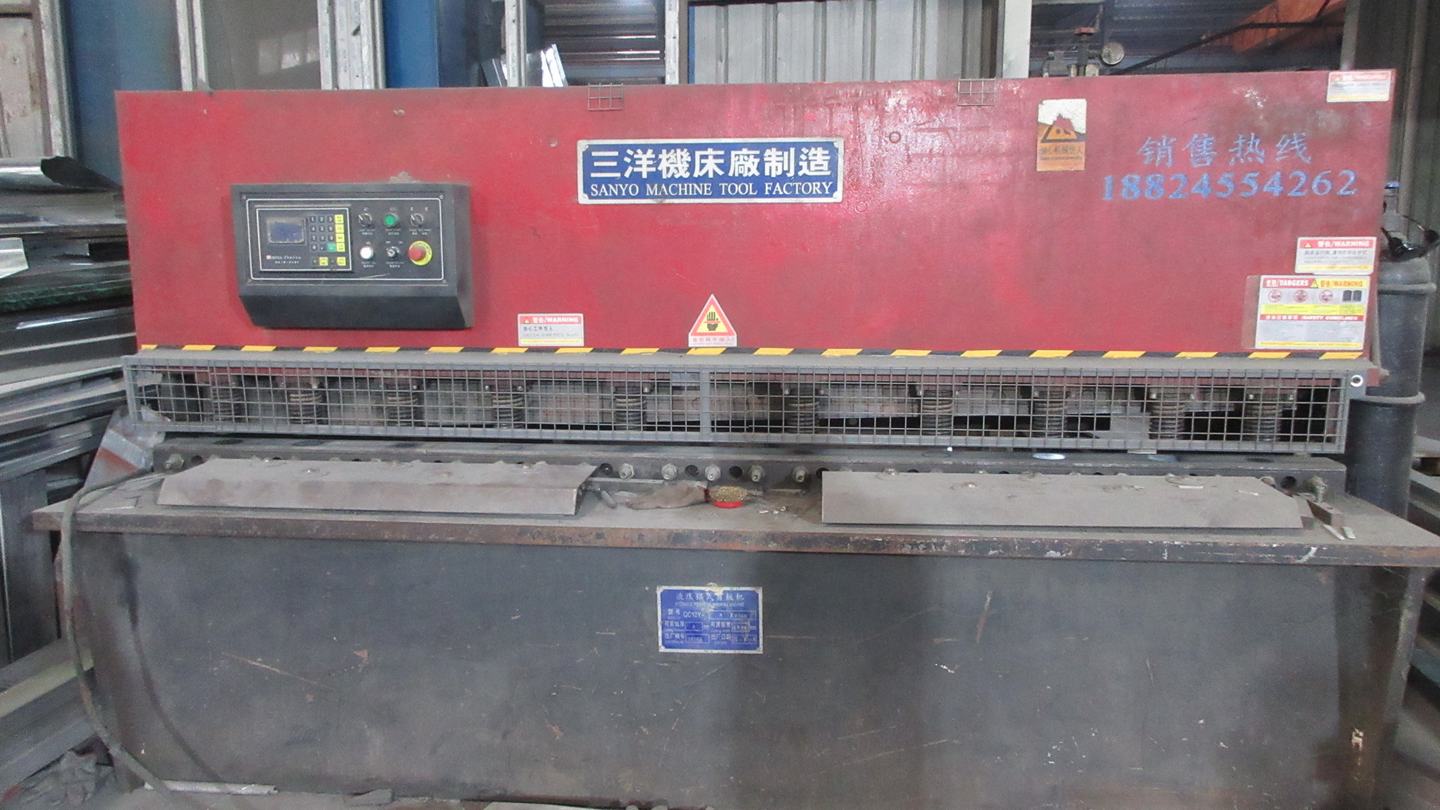
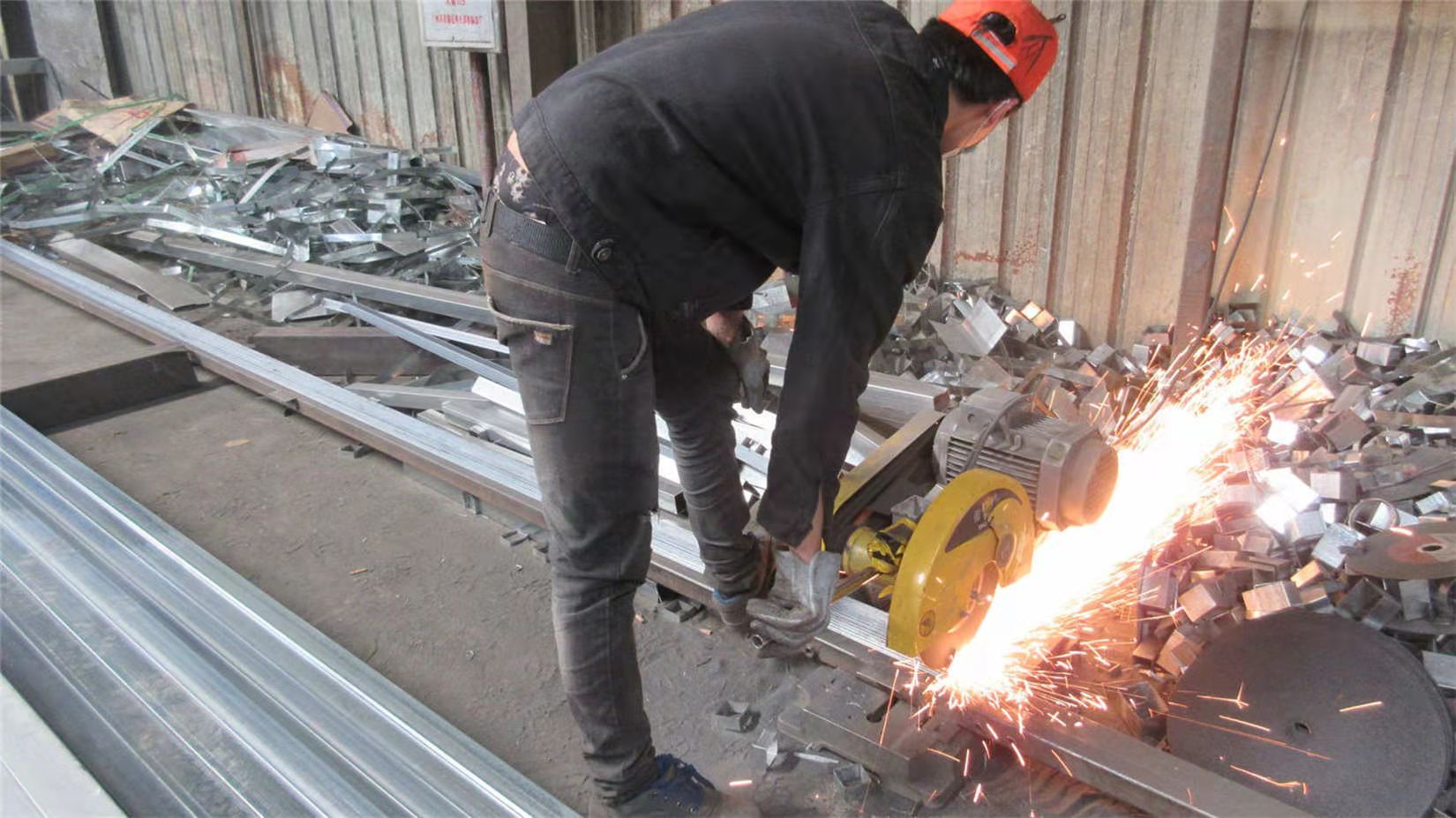
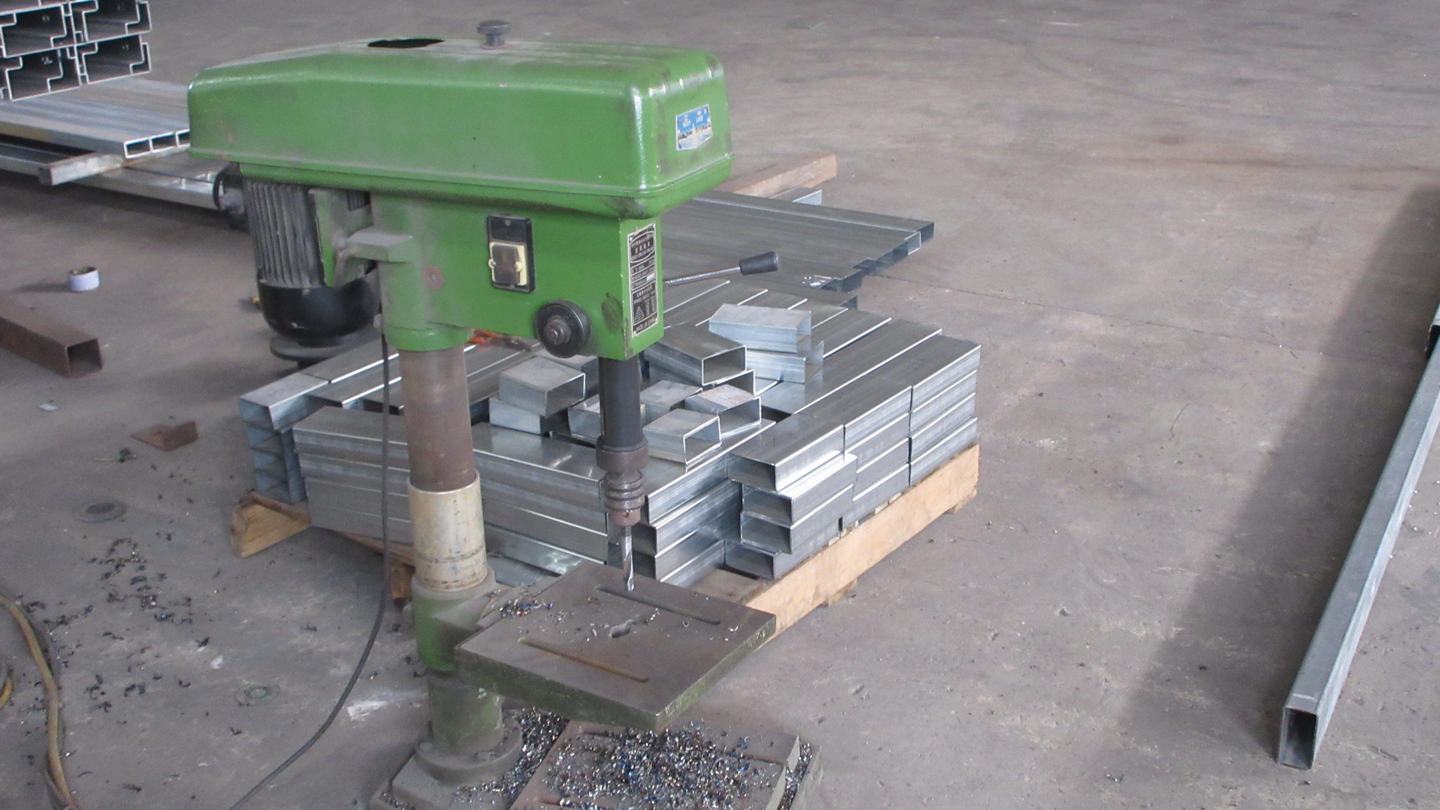
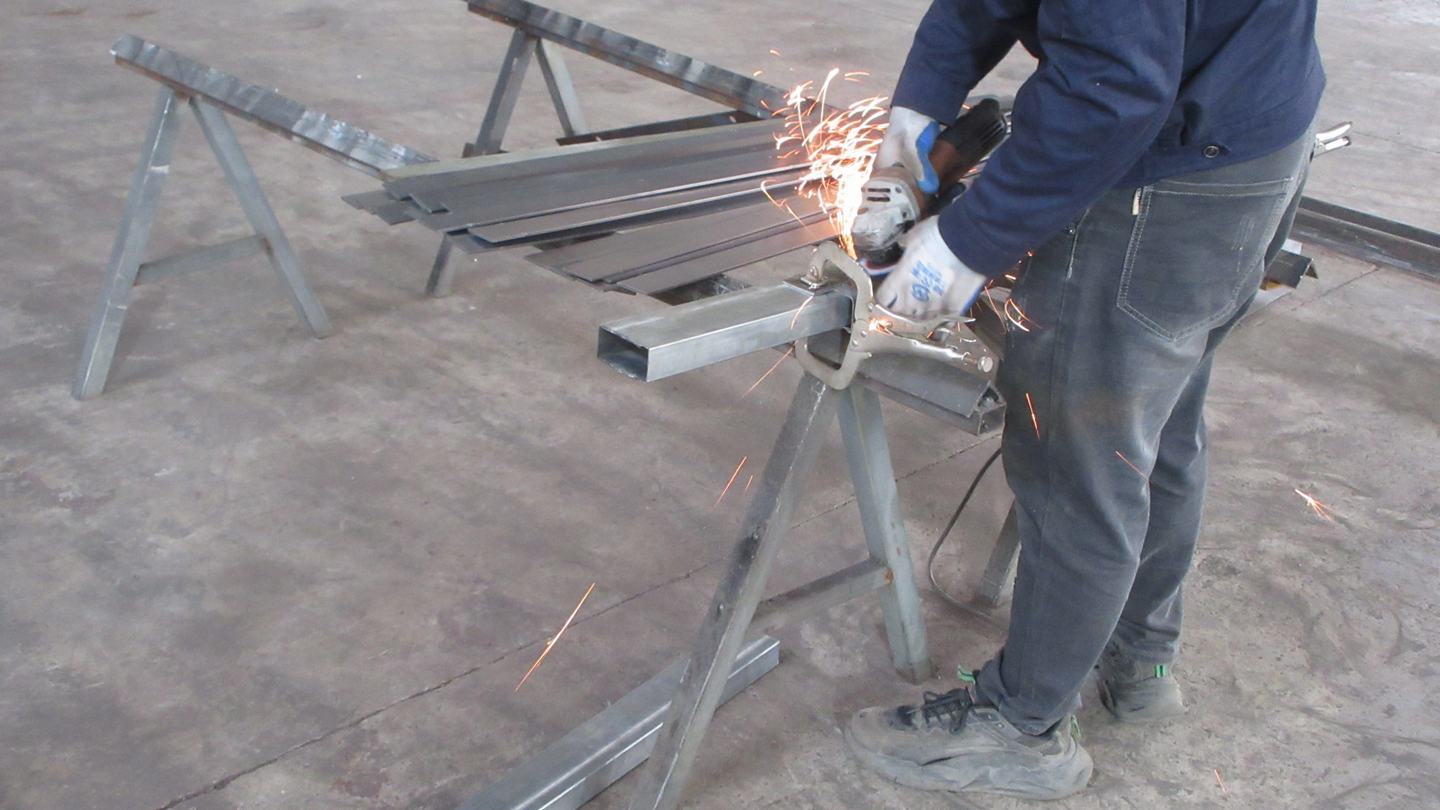
Our factory floor features state-of-the-art machinery capable of delivering high structural accuracy and repeatability.
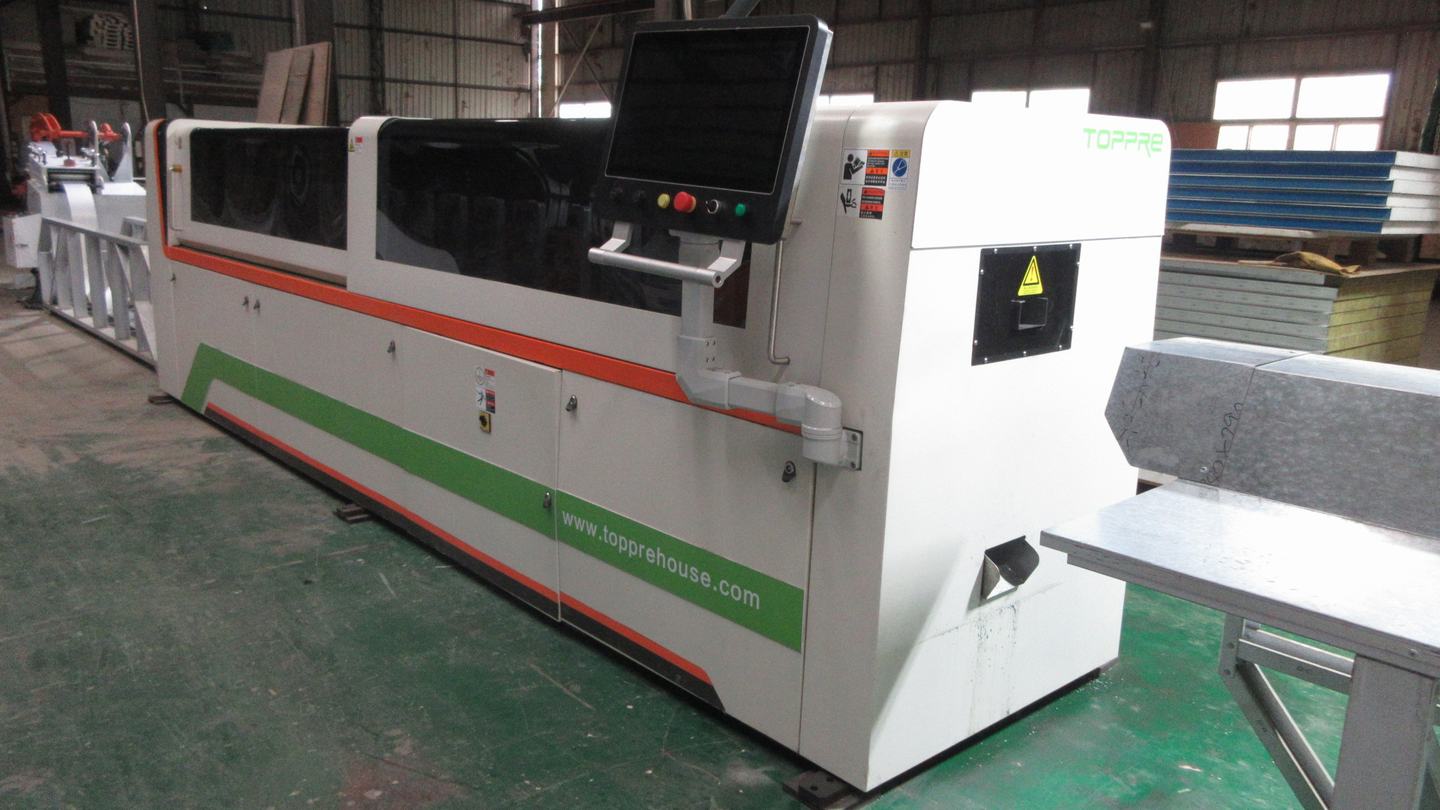
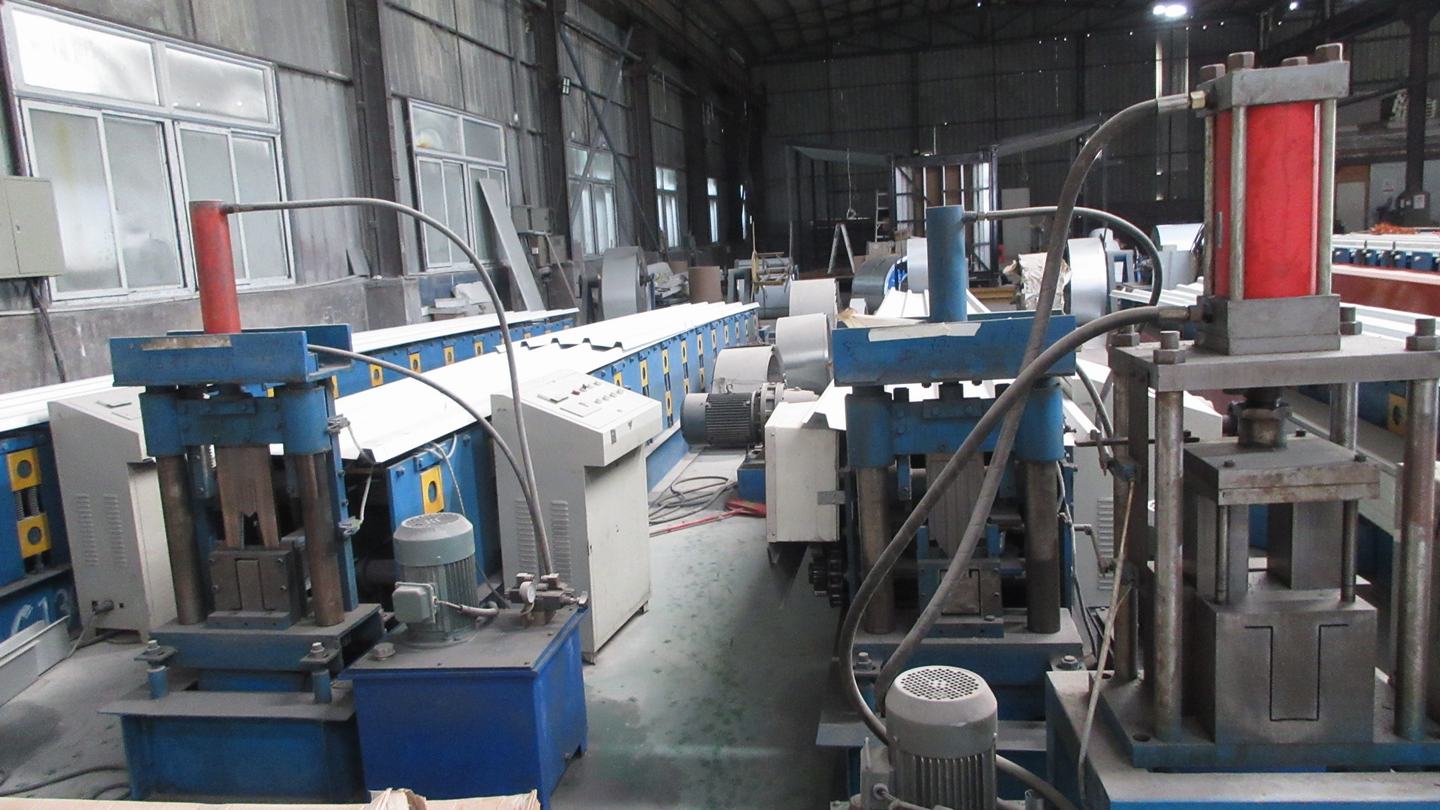
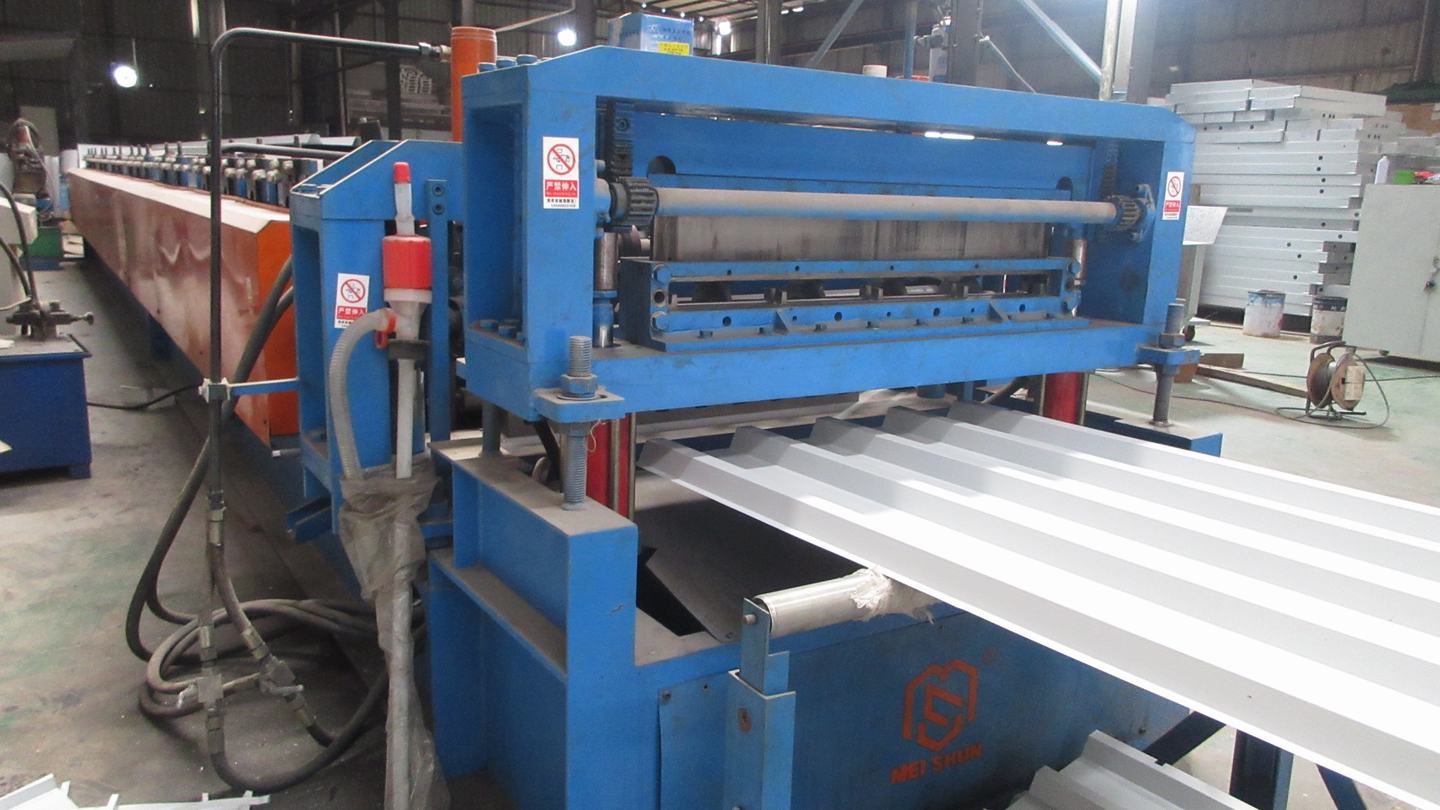
How modular architecture configures to specific regulatory and geographical conditions
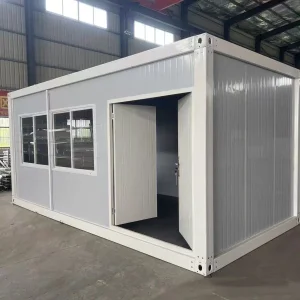
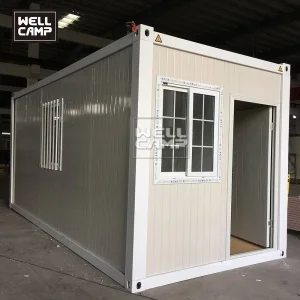
In highly dense metropolitan environments, time constraints limit traditional construction activities. Flat-pack modular assemblies and high-cube container offices (like the SGS-certified American modular units) allow for immediate assembly. Because units are certified beforehand under CE and SGS testing parameters, local engineering approvals are streamlined, allowing rapid development on-site.
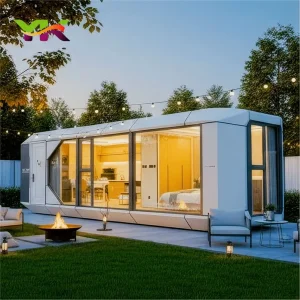
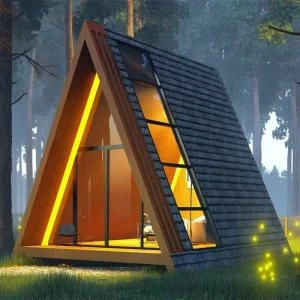
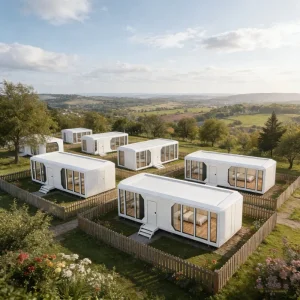
Smart Apple cabins, capsule systems, and modular luxury hotels are engineered for eco-tourism resorts. By integrating structural frames, double-glazed panels, and interior electronics in-factory, operators can deploy suites in pristine landscapes with minimal footprint. The modules are delivered complete, preventing environmental degradation on-site.
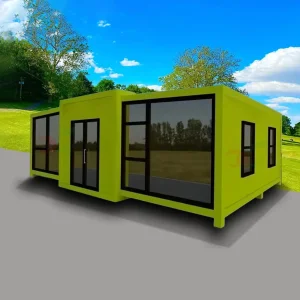
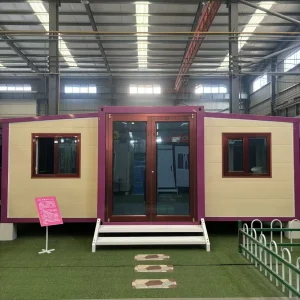
When disaster strikes or humanitarian logistics need rapid scaling, foldable, expandable structures serve as emergency clinics, temporary schools, and shelters. These models can pack flat to maximize truck and ocean shipping capacities, enabling non-technical personnel to set up a functional home in under an hour.
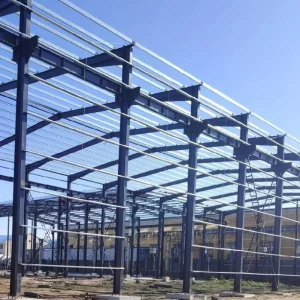
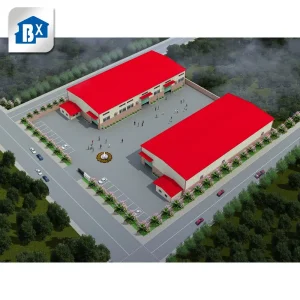
For large-scale warehouses and workshops, the structural configuration is designed using primary-frame steel portal systems. Prefabricating all steel joists, columns, and structural trusses ensures that erection is straightforward and minimizes engineering anomalies. These industrial structures offer clear span layouts designed to withstand severe wind and seismic activity.
Key metrics and engineering benchmarks that professional sourcing executives prioritize when selecting Chinese prefabricated partners.
Verify that structural hollow sections and steel frames comply with localized standards (e.g., ASTM A36, Q235B/Q355B structural steel, and AS/NZS codes). Standardizing hot-dip galvanization layers to min 275g/m² is critical for corrosion prevention in high-salinity coastal areas.
Sourcing teams must select insulation matching the target region's climate. Options range from PU (Polyurethane) sandwich panels for cold climates to rockwool cores for fire-rated zones. R-value and acoustic transmission properties should be specified prior to structural calculations.
Ensure modular units are designed for optimal container logistics. While flat-pack systems reduce land transport costs, volumetric space capsules require specialized shipping setups. Aligning structural dimensions to match ISO standard shipping dimensions reduces shipping overheads by up to 30%.
Coordinate electrical systems (including wiring runs, outlets, and panel boards) and plumbing assemblies with target country certifications (CE, UL, SAA, or WaterMark). Prefabricating these utilities into the modules ensures quick hookup on-site.
Vertically Integrated Offsite Prefabrication Specialist based in South-East China
As one of the most professional prefabricated house manufacturers in south-east China, we provide customers with all kinds of integrated housing solutions. The company has a complete new modular housing R&D system, technology system, manufacturing system, and operation and maintenance system. Now it has a full set of production facilities such as small parts to assure premium structural integrity and quality control.
Through our automated production facility, we execute precise rolling of structural steel members, assembly of wall panel components, and surface coatings in a single facility. This vertical integration allows us to keep dimensions consistent and manage delivery schedules for international commercial clients.
Browse our specialized selection of heavy-duty warehouses, eco-villas, and micro-living structures.
Technical responses covering construction metrics, logistics, materials, and code compliance
Our structures utilize hot-dip galvanized light steel frame configurations (such as Q355B steel) engineered to meet international building regulations (including ASCE 7 and Eurocodes). Standard designs support wind load capacities of up to 120-150 km/h (depending on structural framing parameters) and are structurally rated to withstand moderate-to-high seismic forces. We run finite element structural modeling beforehand to ensure connections meet engineering load metrics.
All core infrastructure, including conduits, piping runs, and distribution boxes, is pre-installed in-factory under strict quality controls. We layout these pathways in the wall panels before framing, ensuring components match localized compliance guidelines (such as AS/NZS, NEC, or CE). On-site work is limited to connecting localized service inputs to the pre-routed terminal connections.
We supply sandwich panel infills using PU (polyurethane), EPS (expanded polystyrene), and mineral rockwool depending on the application. Polyurethane offers high R-values for cold climates, while high-density rockwool provides structural sound-dampening and up to 4-hour fire ratings. Integrated thermal break strips prevent thermal transfer through the steel studs, improving interior HVAC efficiency.
All main structural frame members are hot-dip galvanized with zinc coat thicknesses exceeding 275g/m². This is followed by a multi-stage coating system, including a zinc-rich epoxy primer, secondary undercoats, and an acrylic polyurethane topcoat. This system resists rust, even in coastal marine environments with high humidity and salt spray.
When installed on an appropriate foundation and maintained under typical conditions, the structural steel chassis is rated for a lifespan of over 50 years. Interior claddings, secondary seals, and finishes can easily be refreshed over time, mimicking the durability cycle of traditional concrete or wood-frame buildings.