 Ruifa Modular House
Ruifa Modular House
Ruifa Modular House
Engineered with structural-grade lightweight framing profiles, offering maximum thermal efficiency, seismic resilience, and customizable spatial layouts.
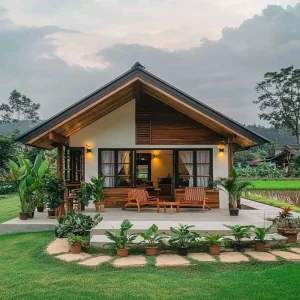
Advanced thermal insulation cladding combined with structural light steel frames for premium resort estates.
Request Technical Specs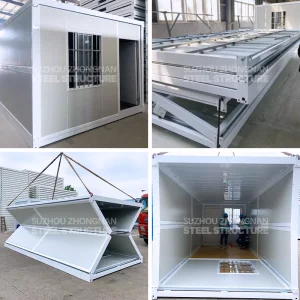
Folding structural steel mechanism designed for low shipping volume and rapid onsite setup.
Request Technical Specs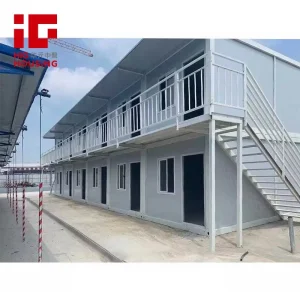
Cost-effective modular units with EPS panel insulation, ideal for commercial building site offices.
Request Technical Specs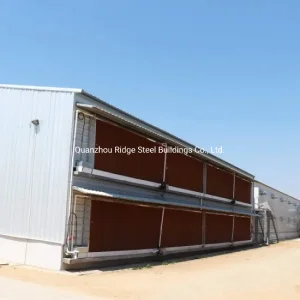
Robust agricultural structure engineered to house integrated ventilation systems and automated poultry lines.
Request Technical Specs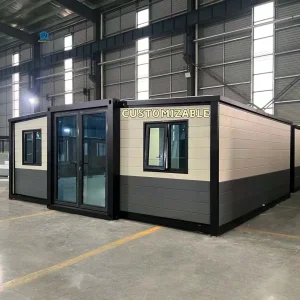
Spacious and comfortable residential layout optimizing local insulation and acoustic dampening guidelines.
Request Technical Specs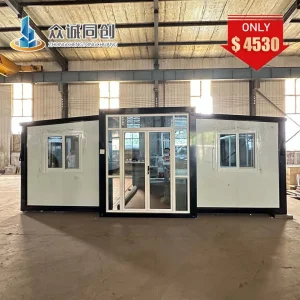
Eco-friendly building envelope featuring class-A non-combustible insulation and telescopic space frames.
Request Technical Specs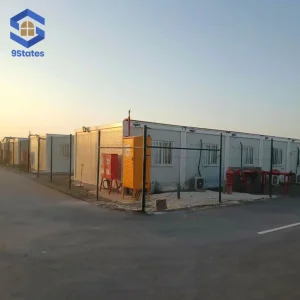
Optimized for quick deployments in emergency, flood, and seismic relief zones globally.
Request Technical Specs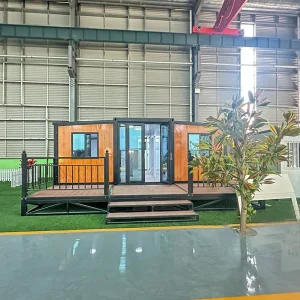
Next-generation expandable structure highlighting advanced multi-point seals and high structural rigidity.
Request Technical SpecsAn authoritative breakdown of light gauge steel (LGS) technology, international structural validation, and global macro-economic adoption trends.
The global construction industry is undergoing a paradigm shift towards Offsite Construction (OSC) and Design for Manufacture and Assembly (DfMA). Driven by regulatory requirements for lower carbon footprints (such as the EU Green Deal and net-zero emissions mandates), developers are moving away from traditional carbon-intensive brick and concrete. Lightweight steel structures (also known as cold-formed steel or light gauge steel framing) present a 90% recyclable option that reduces onsite assembly times by up to 60%.
In mature economies like the European Union, UK, North America, and Australia, lightweight steel structures have transitioned from emergency temporary housing to permanent multi-story residential developments, educational infrastructure, and commercial complexes. The structural stability, combined with its high strength-to-weight ratio, allows developers to achieve larger spans and unique architectural designs without imposing massive vertical load-bearing requirements on foundations.
To assist developers, engineers, and project managers in making informed material choices, the table below highlights key performance metrics based on standard engineering tests:
| Performance Indicator | Light Gauge Steel (LGS) | Hot-Rolled Structural Steel | Reinforced Concrete (RC) |
|---|---|---|---|
| Dead Weight Ratio | Extremely Low (~35-45 kg/m²) | High (~120-150 kg/m²) | Very High (~350+ kg/m²) |
| On-site Assembly Speed | Fast (Bolt and Screw systems) | Medium (Requires heavy welding/cranes) | Slow (Curing & Shuttering required) |
| Thermal Bridging Control | High (Utilizes continuous insulation) | Poor (Requires complex thermal breaks) | Moderate (High thermal mass, poor R-value) |
| Earthquake Resilience | Excellent (High elasticity & low mass) | Good (Ductile but heavy) | Variable (Needs costly seismic frames) |
| Recyclability & Circularity | 95% - 100% Recyclable | 90% Recyclable | Less than 20% (Mainly downcycled) |
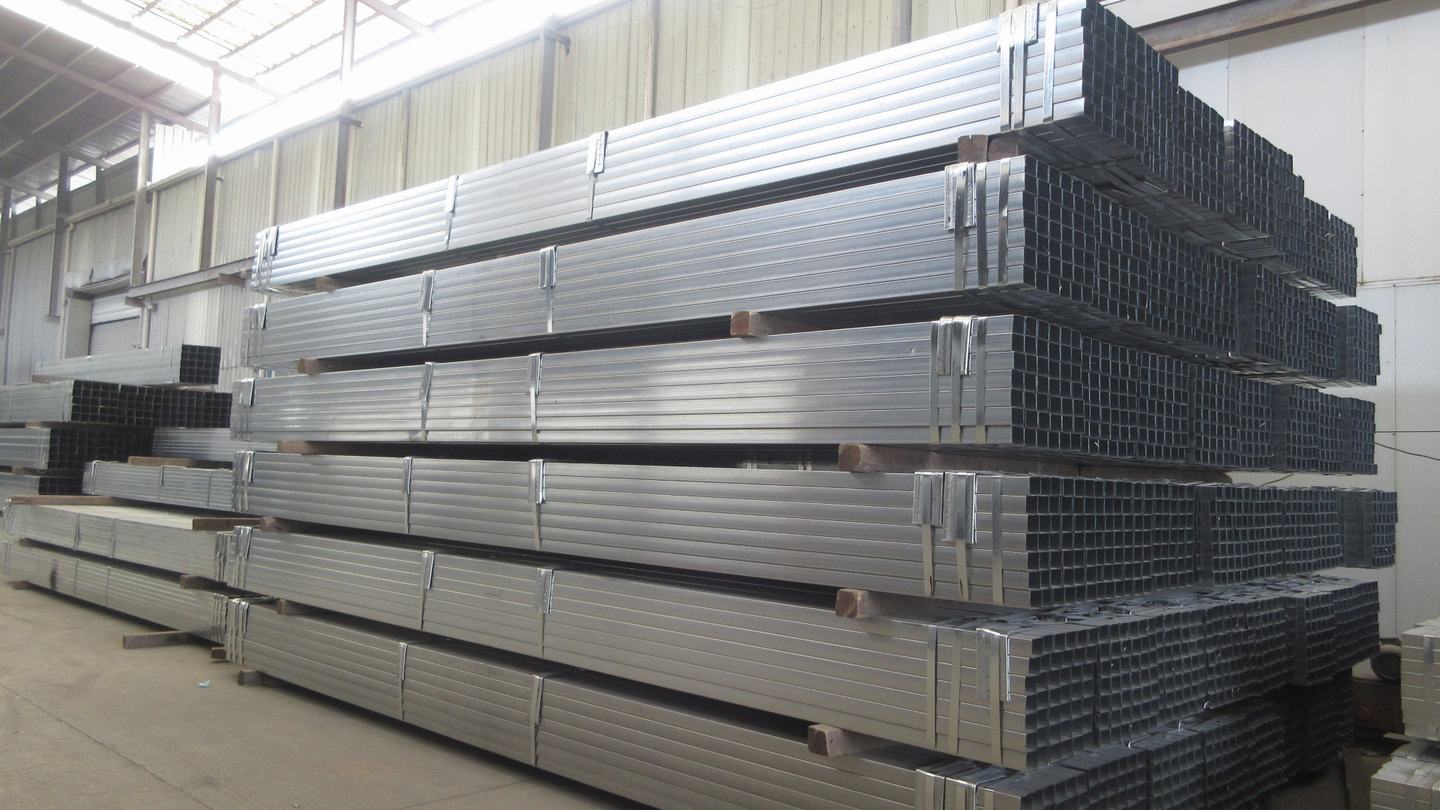
In structural steel engineering, safety and quality assurance cannot be compromised. As a premium manufacturer, our production conforms to EN 1090-1 (Execution of steel structures) and EN 1090-2, carrying the CE mark representing compliance with European safety, health, and environmental protection standards. The cold-formed steel sections are fabricated using continuous hot-dip zinc-coated steel sheets conforming to EN 10346 (yield strength up to S550GD+Z / G550 with an AZ150 zinc-aluminum coating).
This level of precision ensures that structural load capacities are calculated in accordance with Eurocode 3 (EN 1993) and Eurocode 8 (EN 1998) for seismic designs, providing developers, architects, and government contractors absolute security regarding mechanical resistance, stability, and serviceability limits.
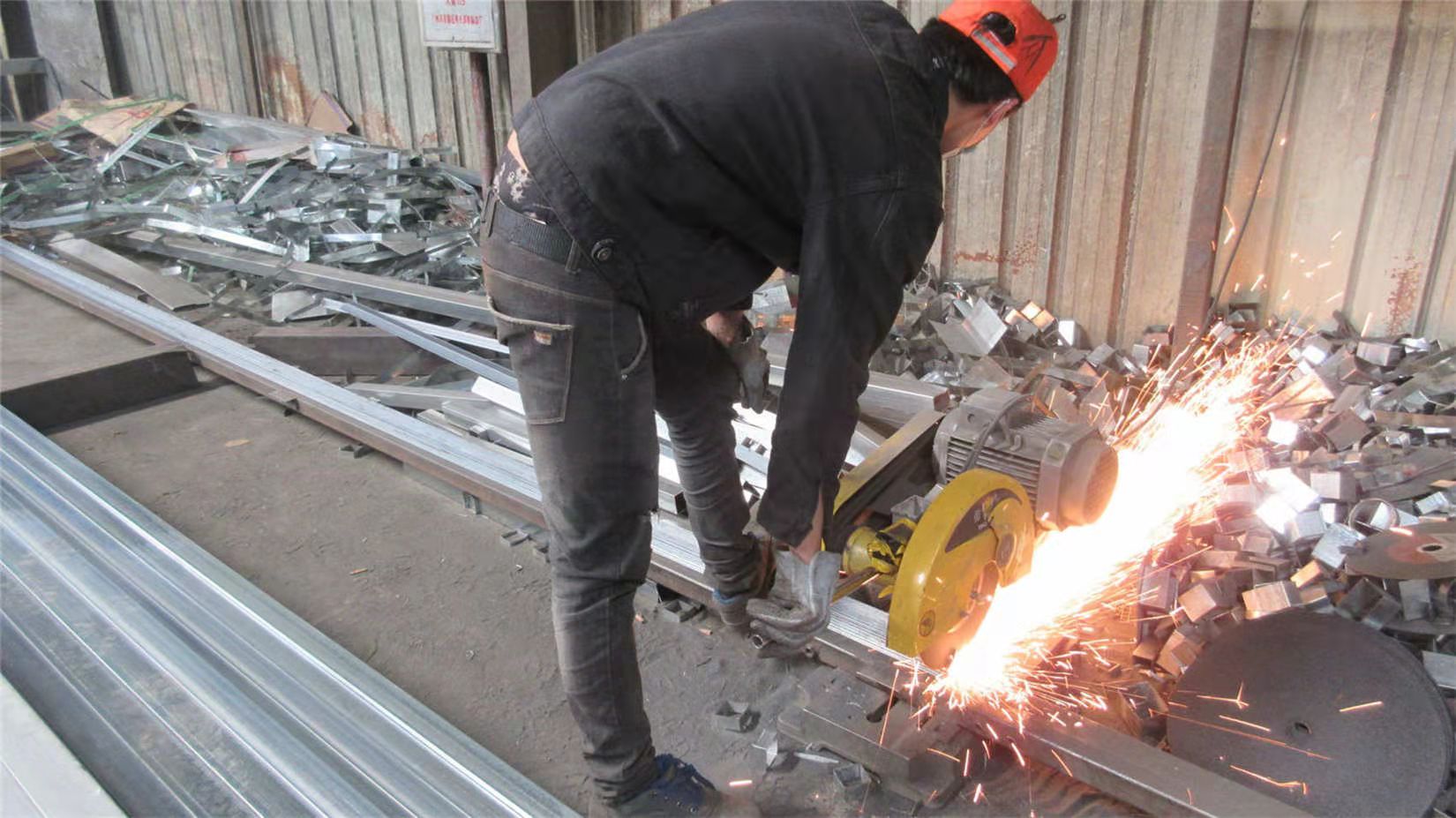
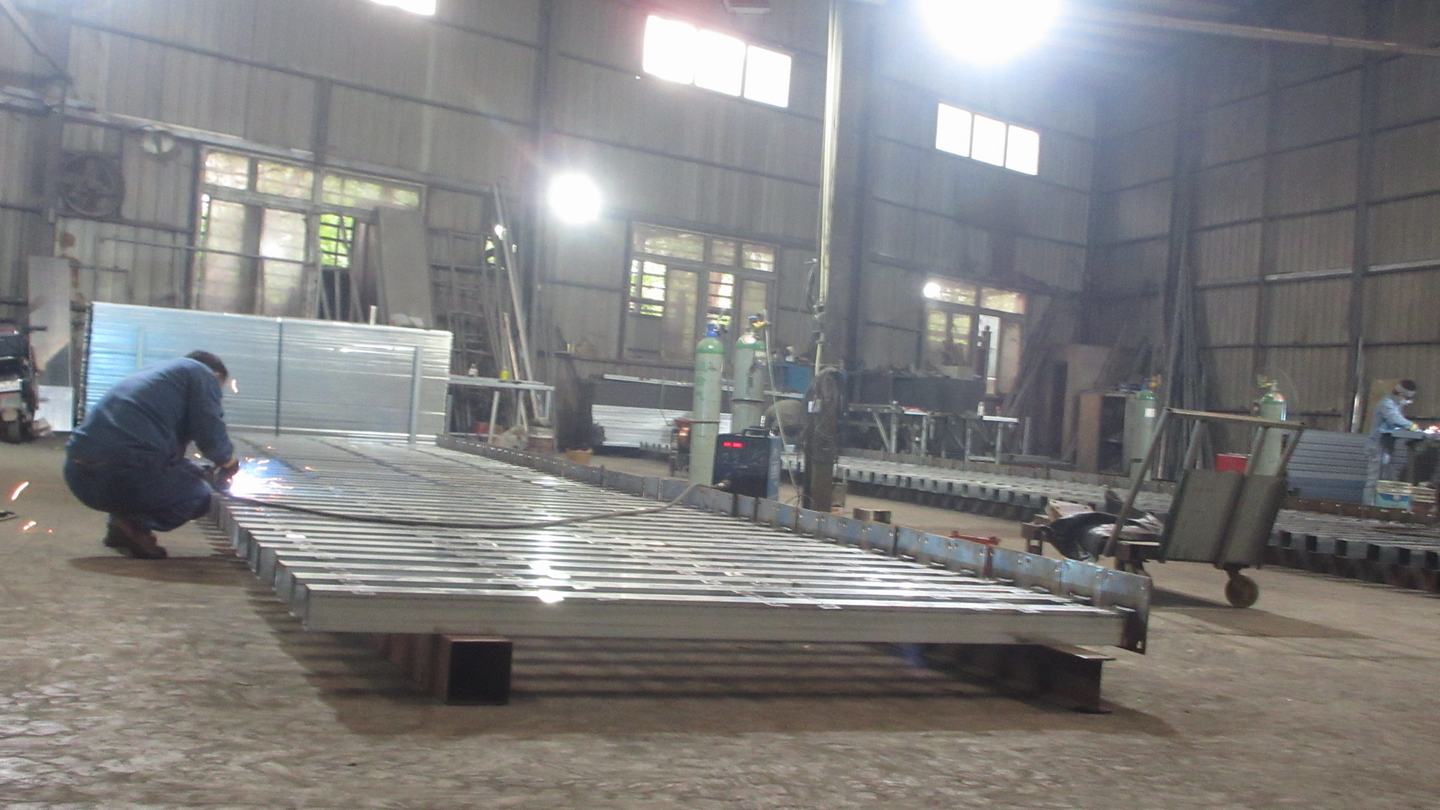
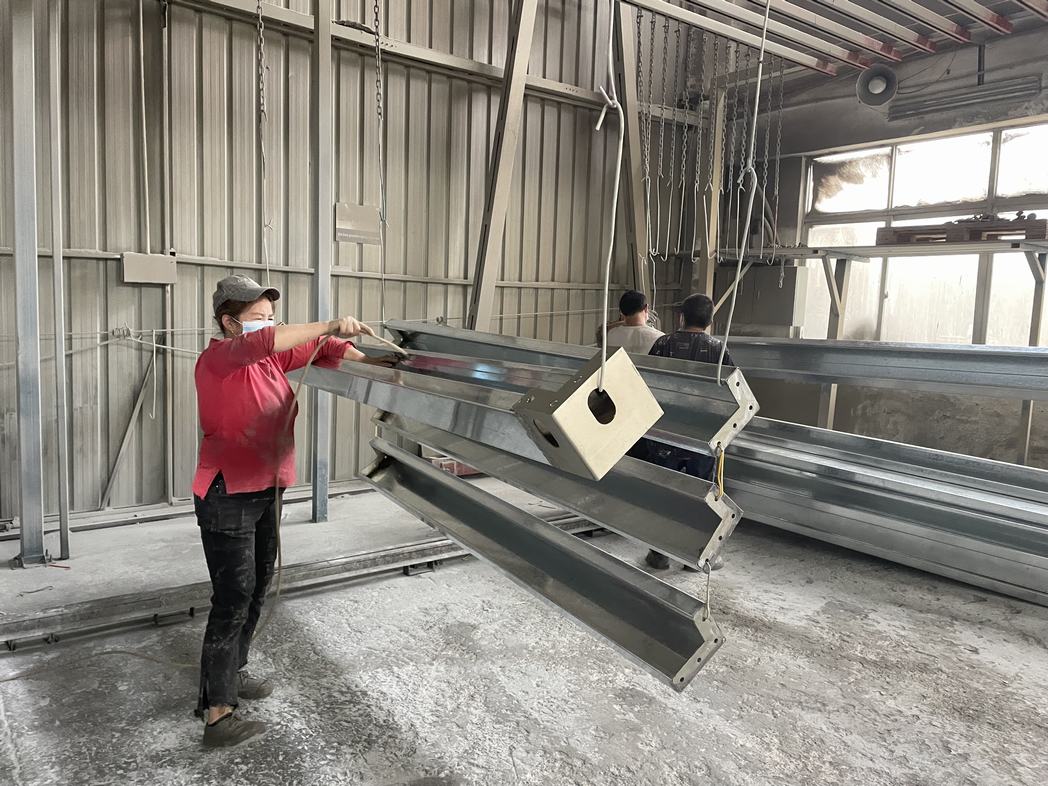
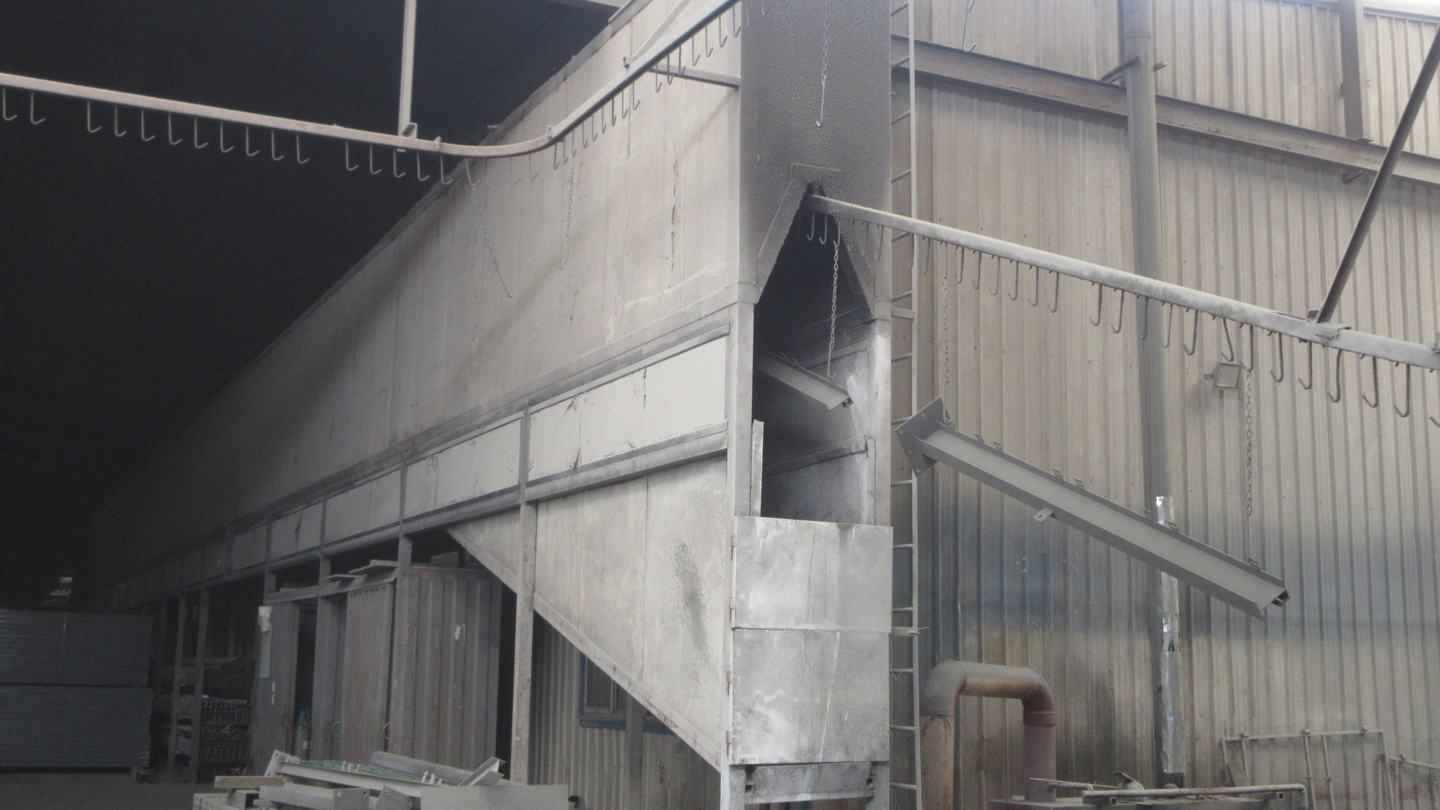
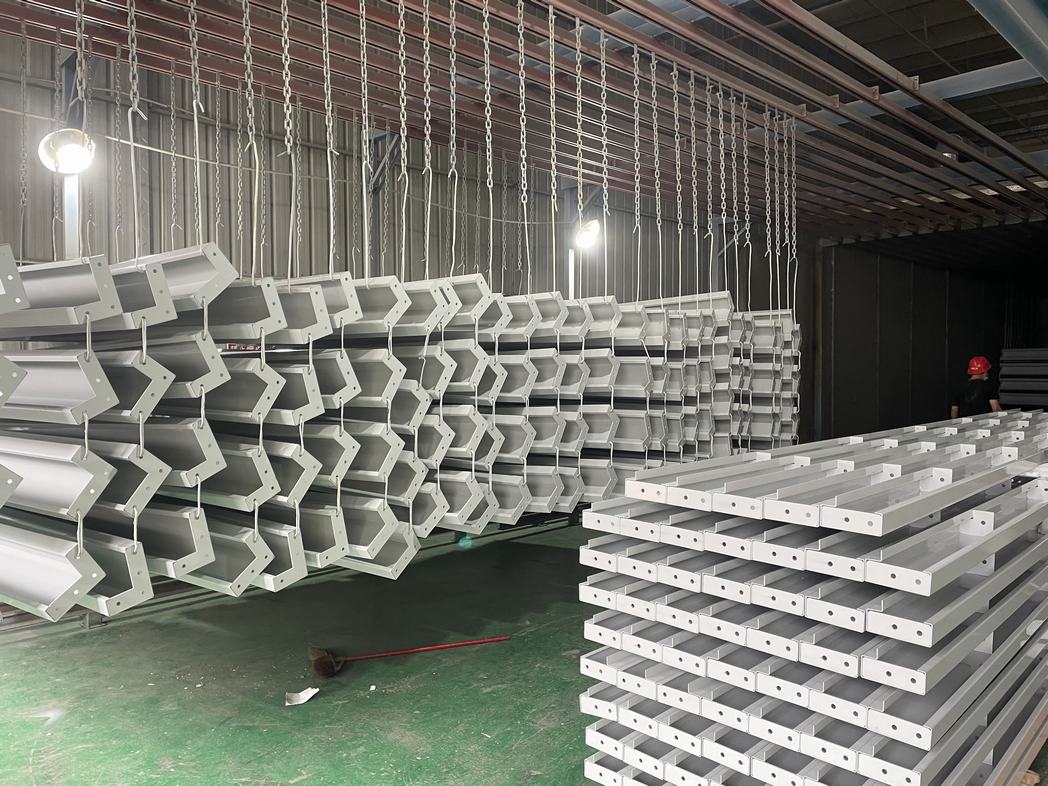
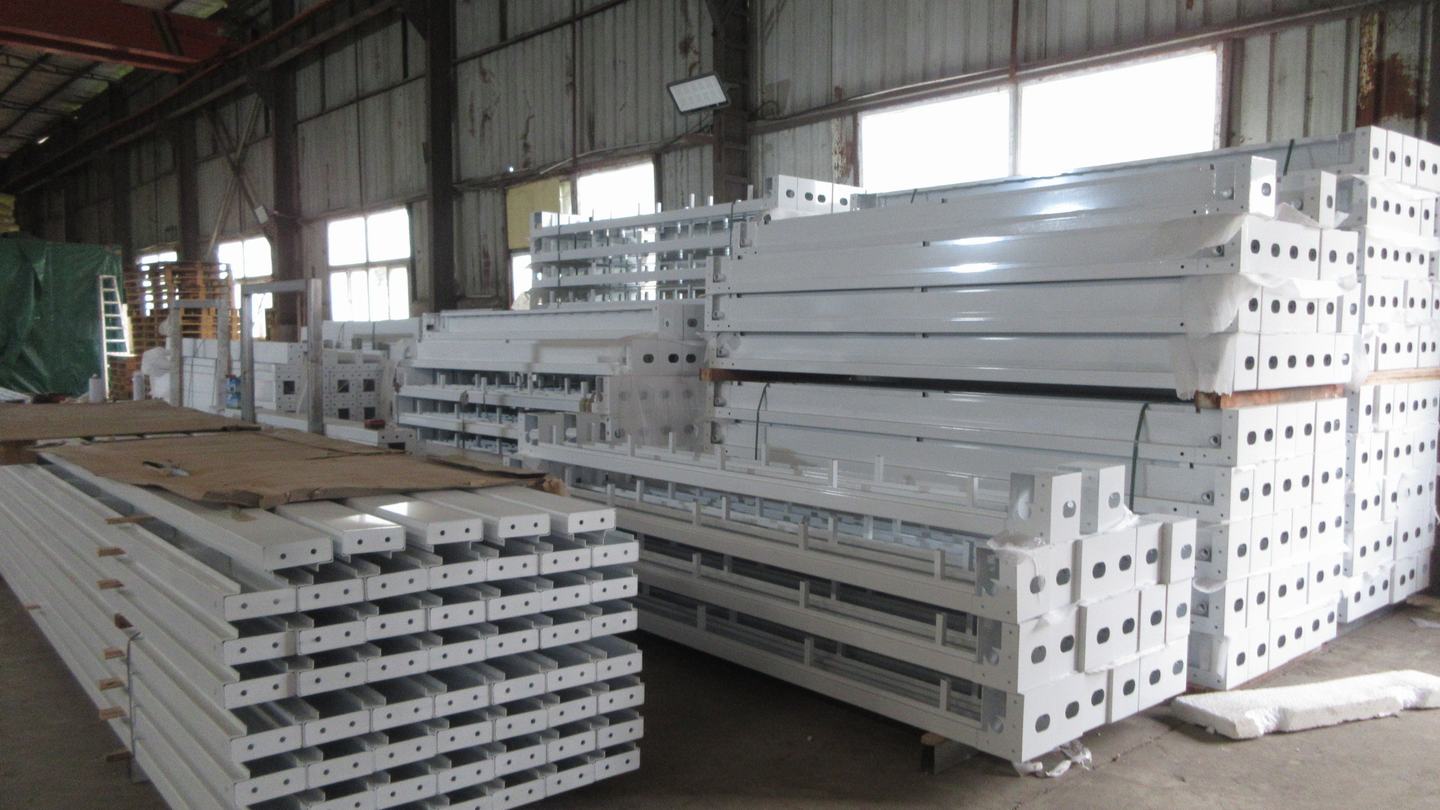
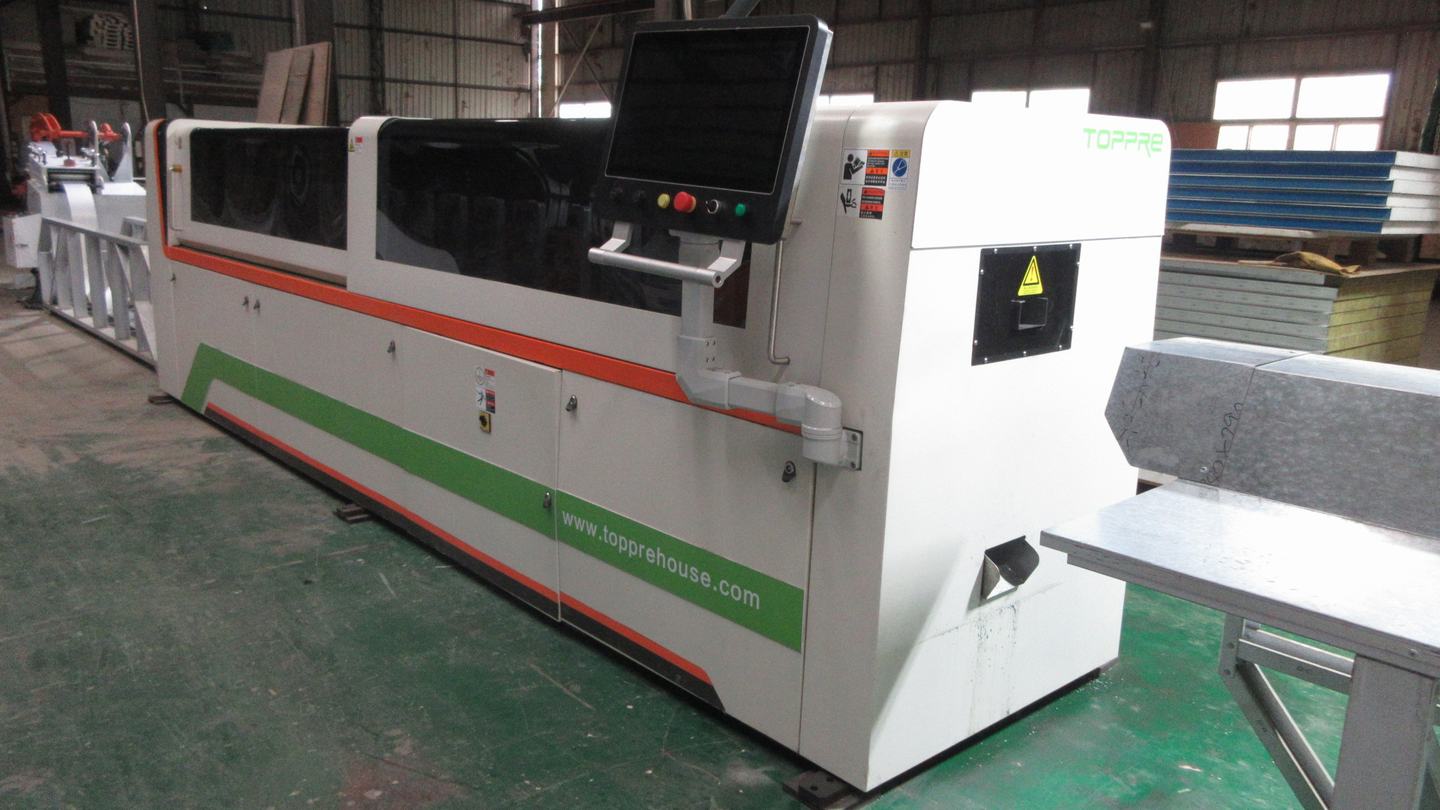
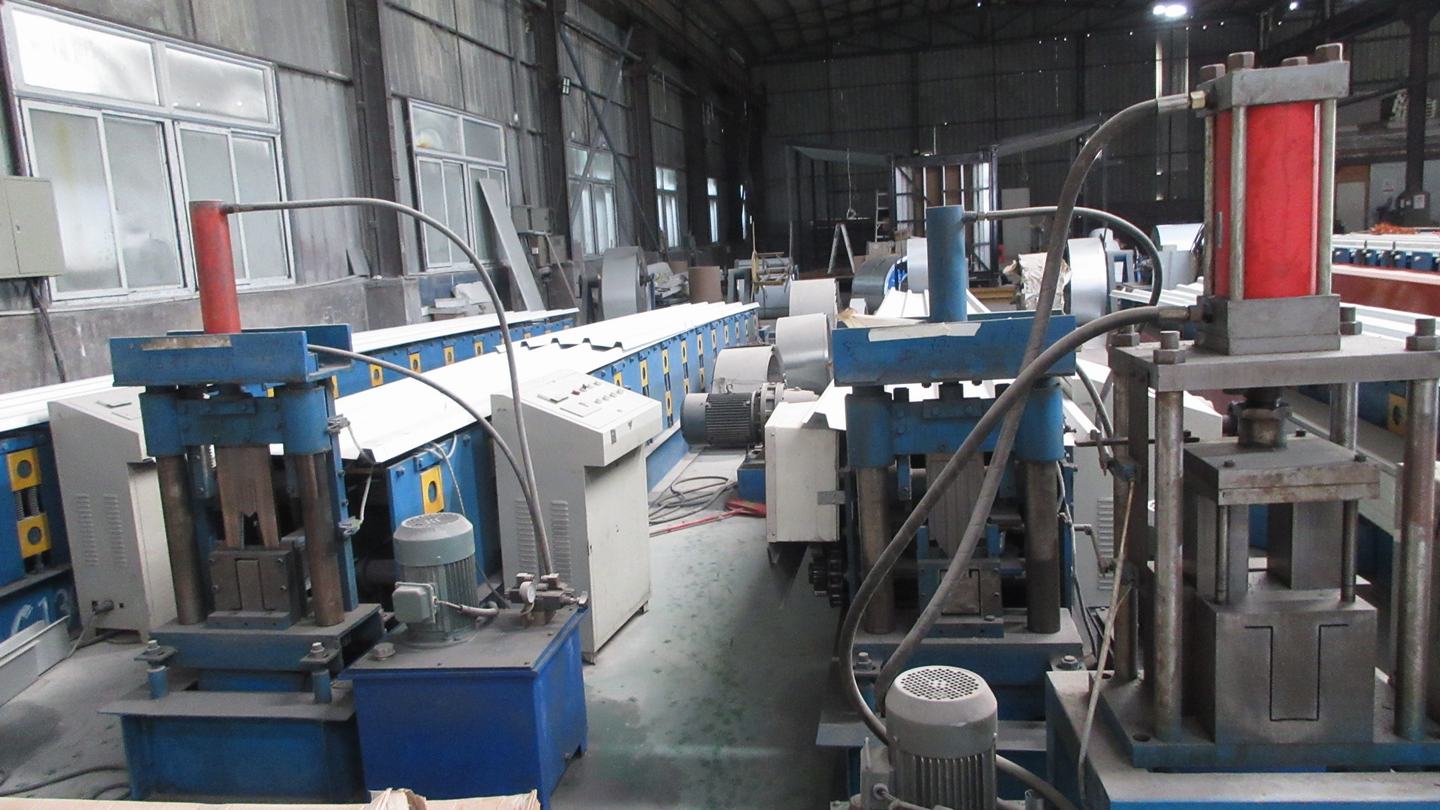
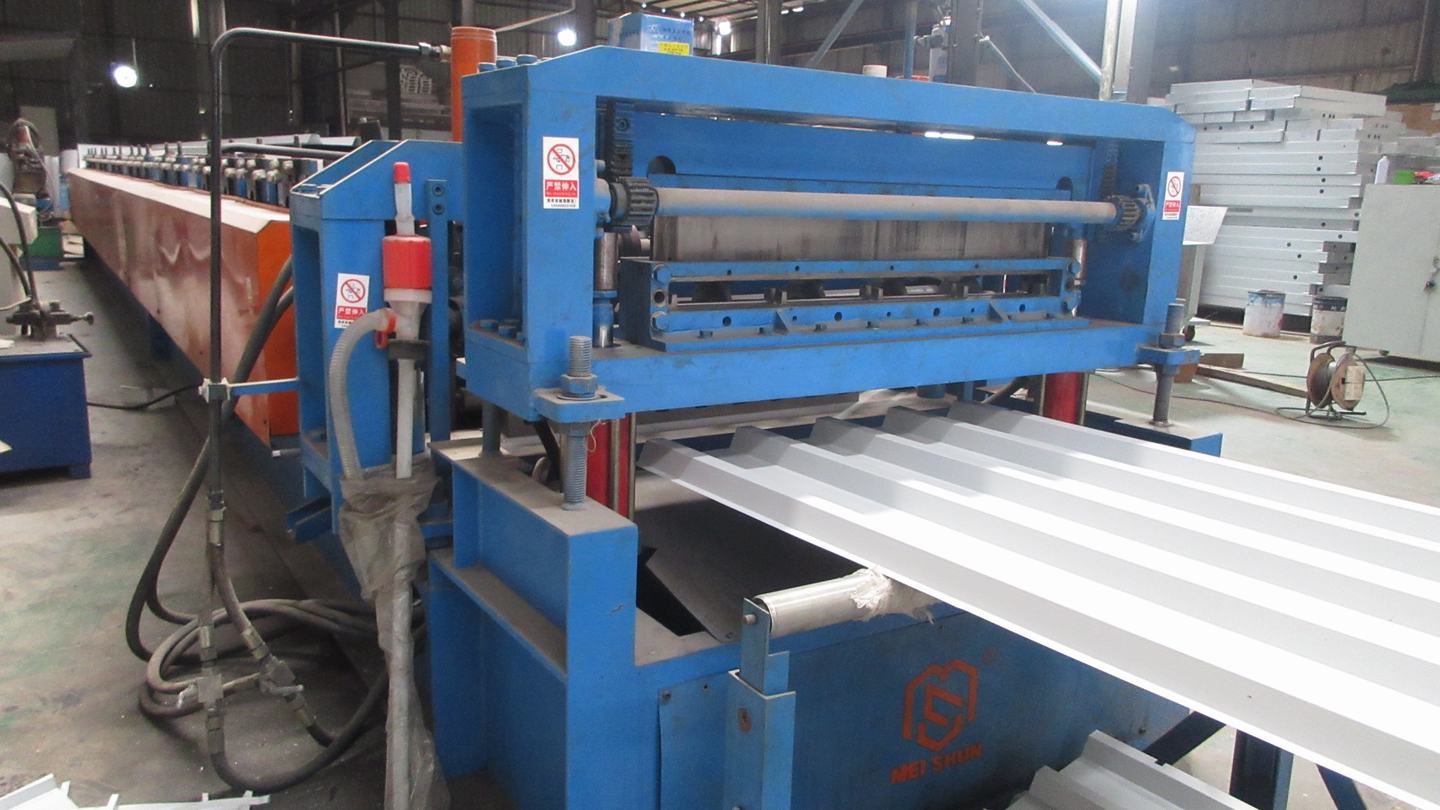
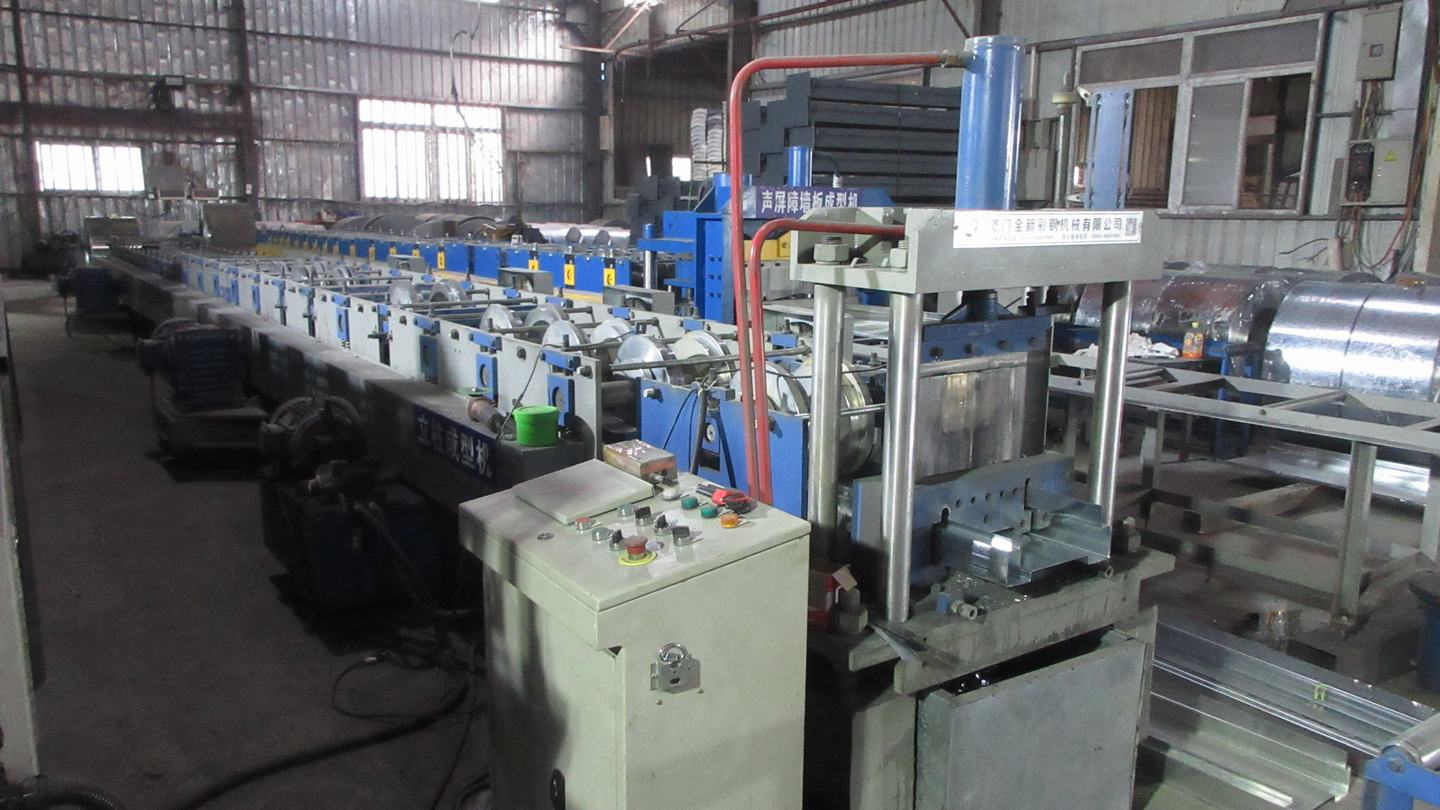
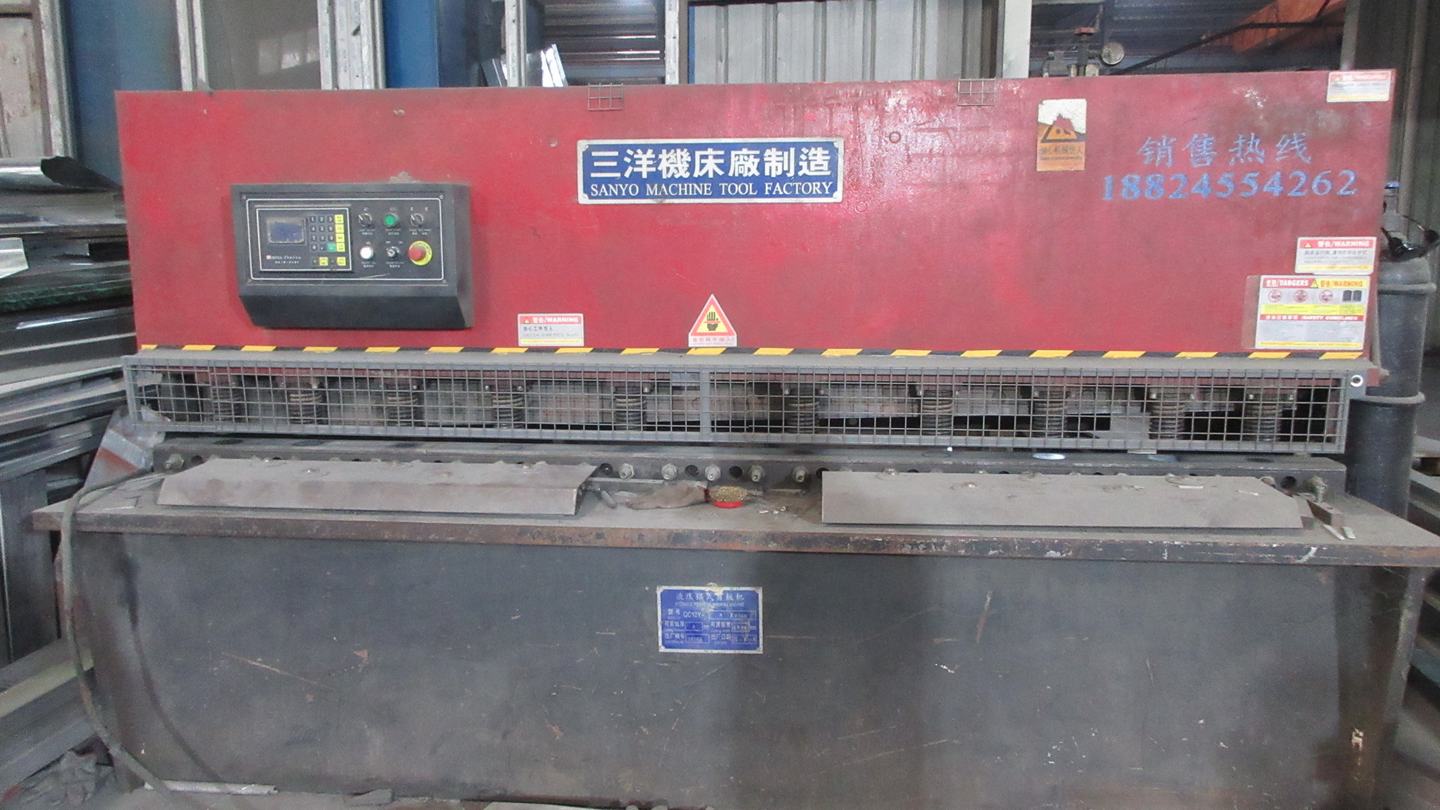
From primary coils to final structural profiles, our state-of-the-art facility utilizes CNC precision machinery to eliminate dimensional deviations.
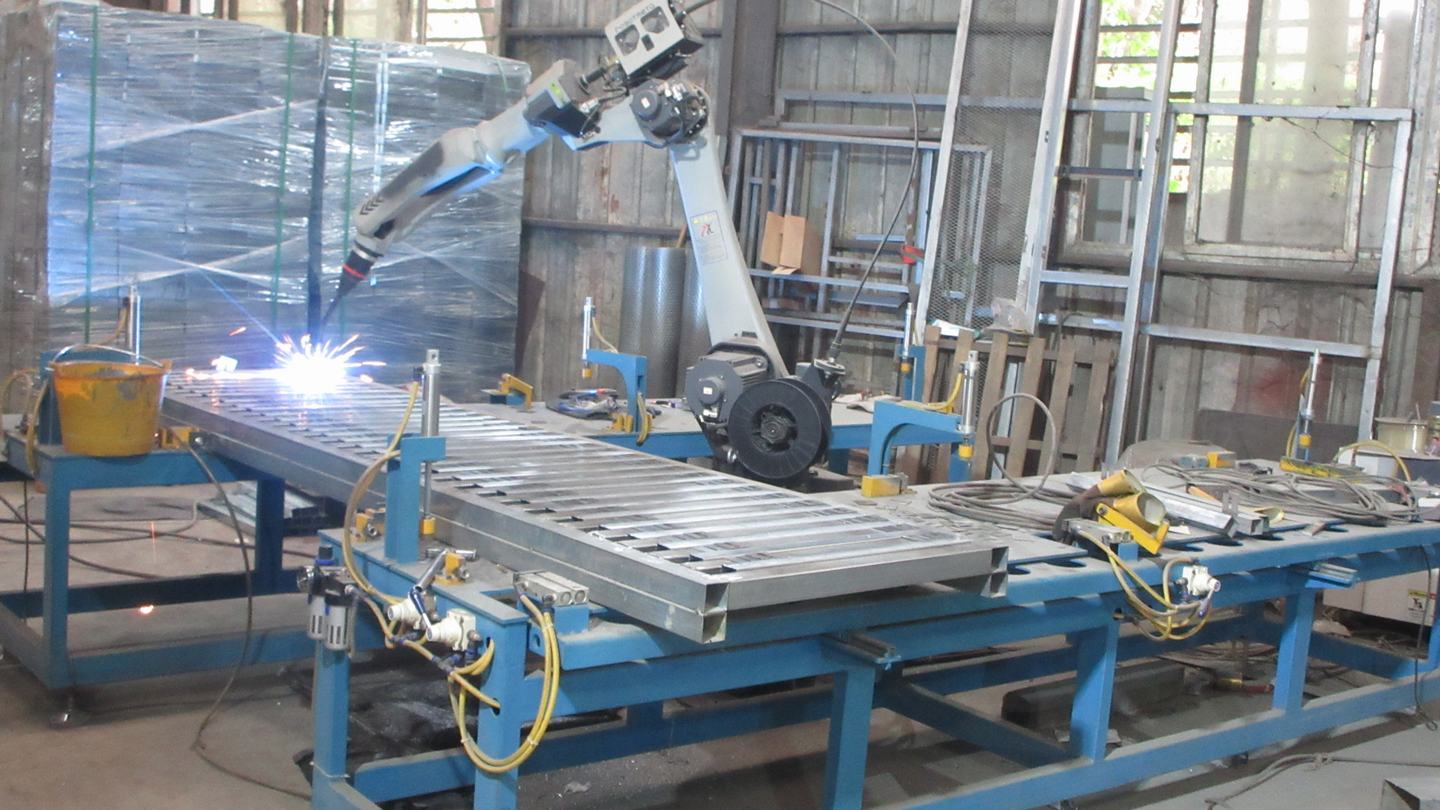
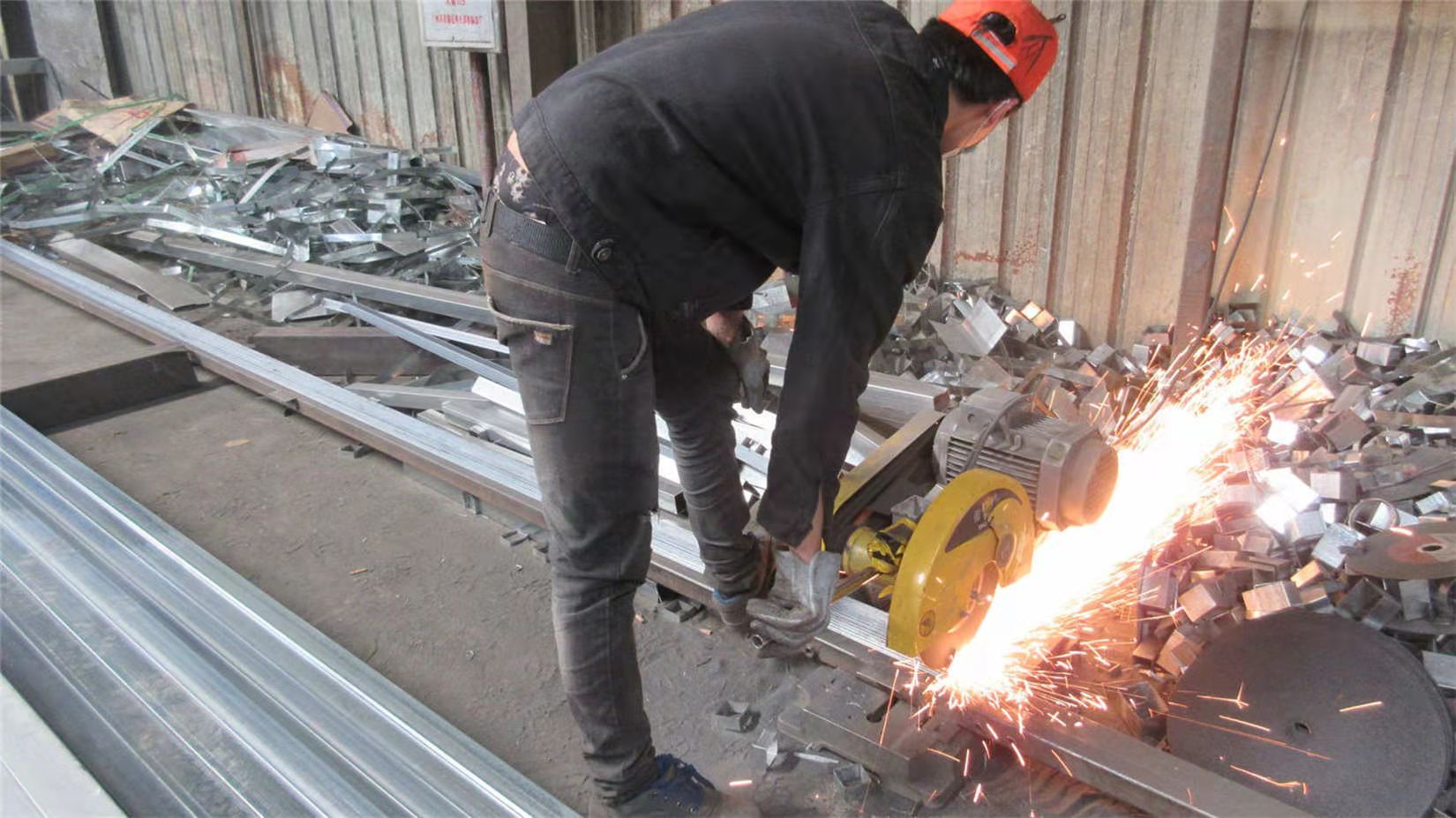
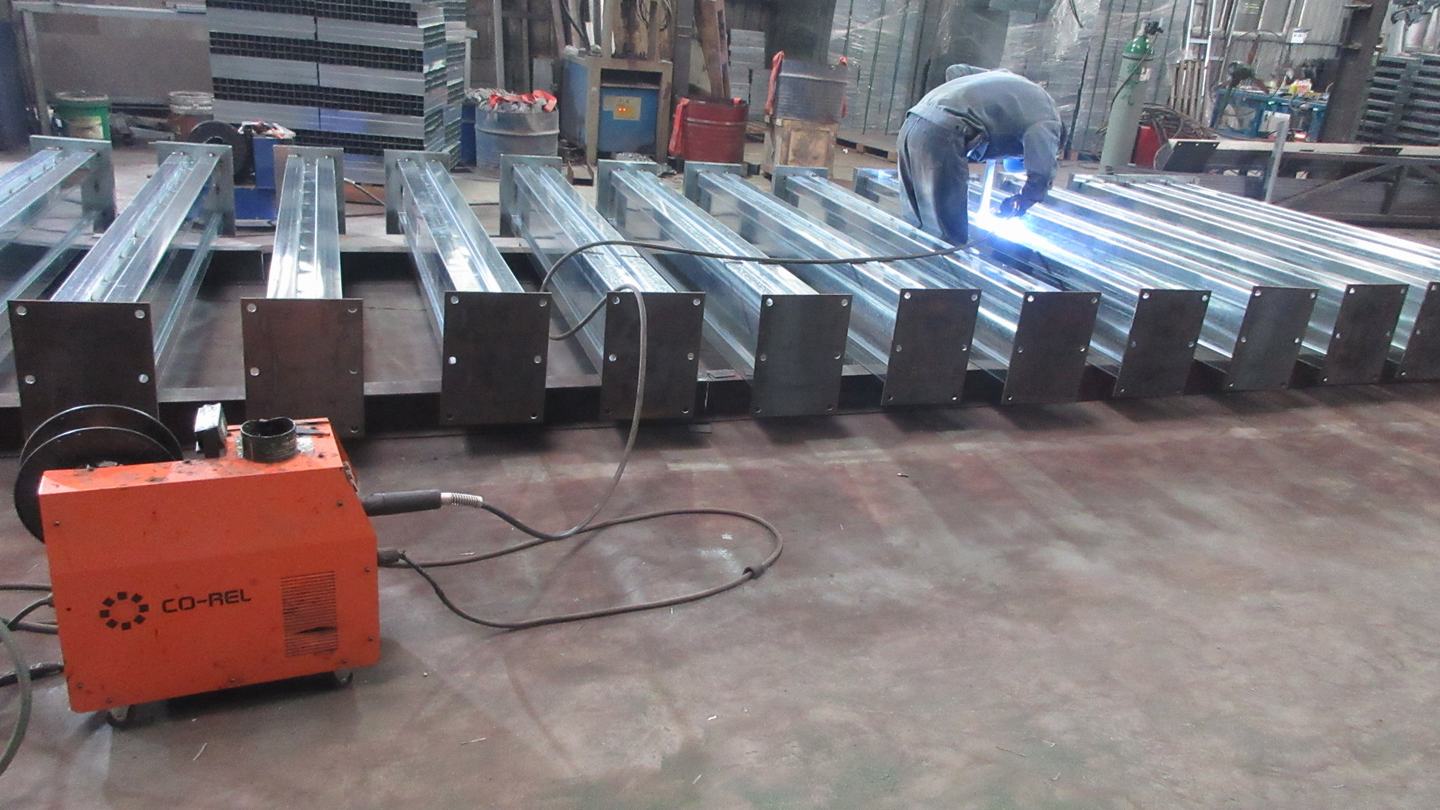
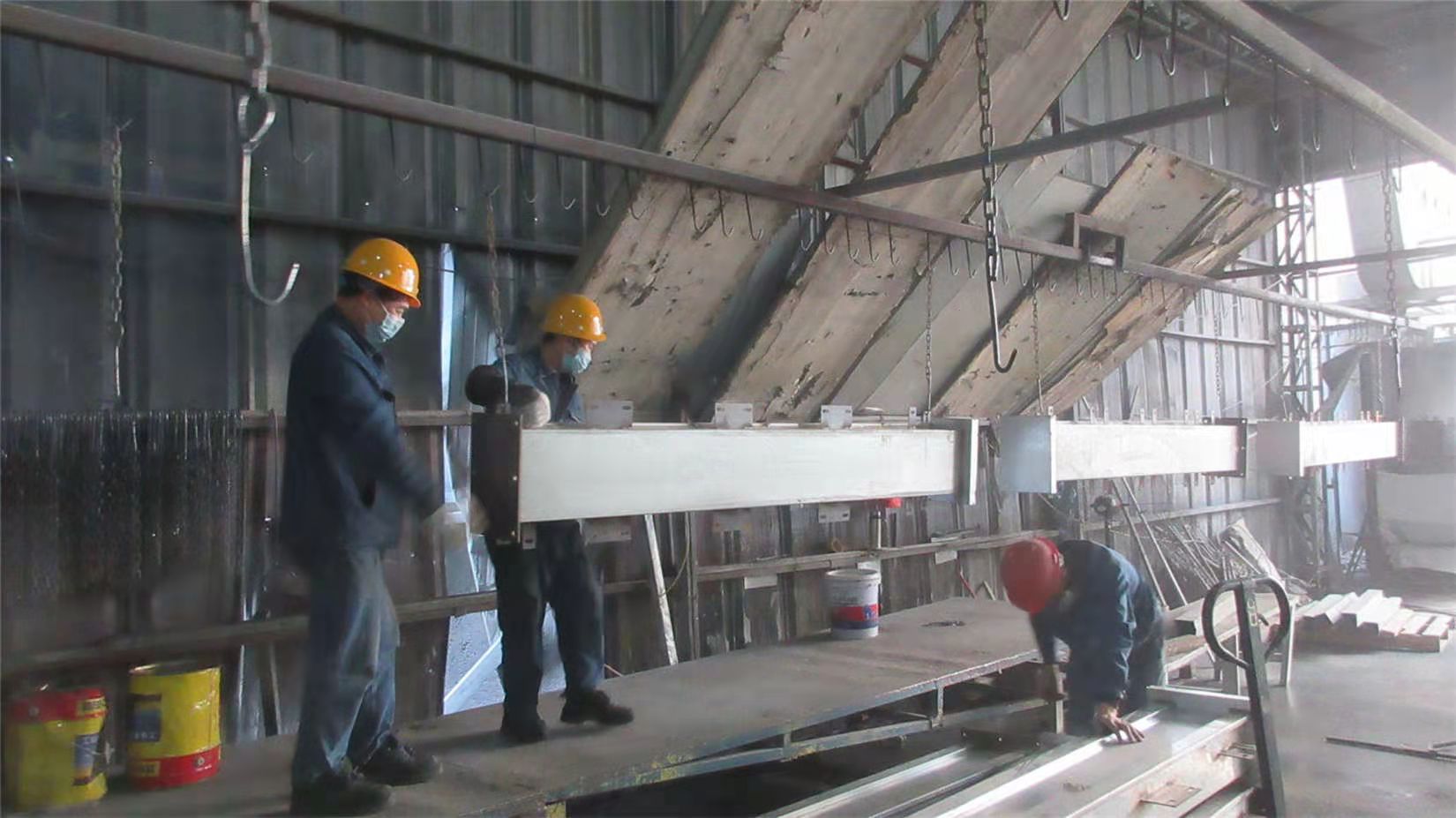
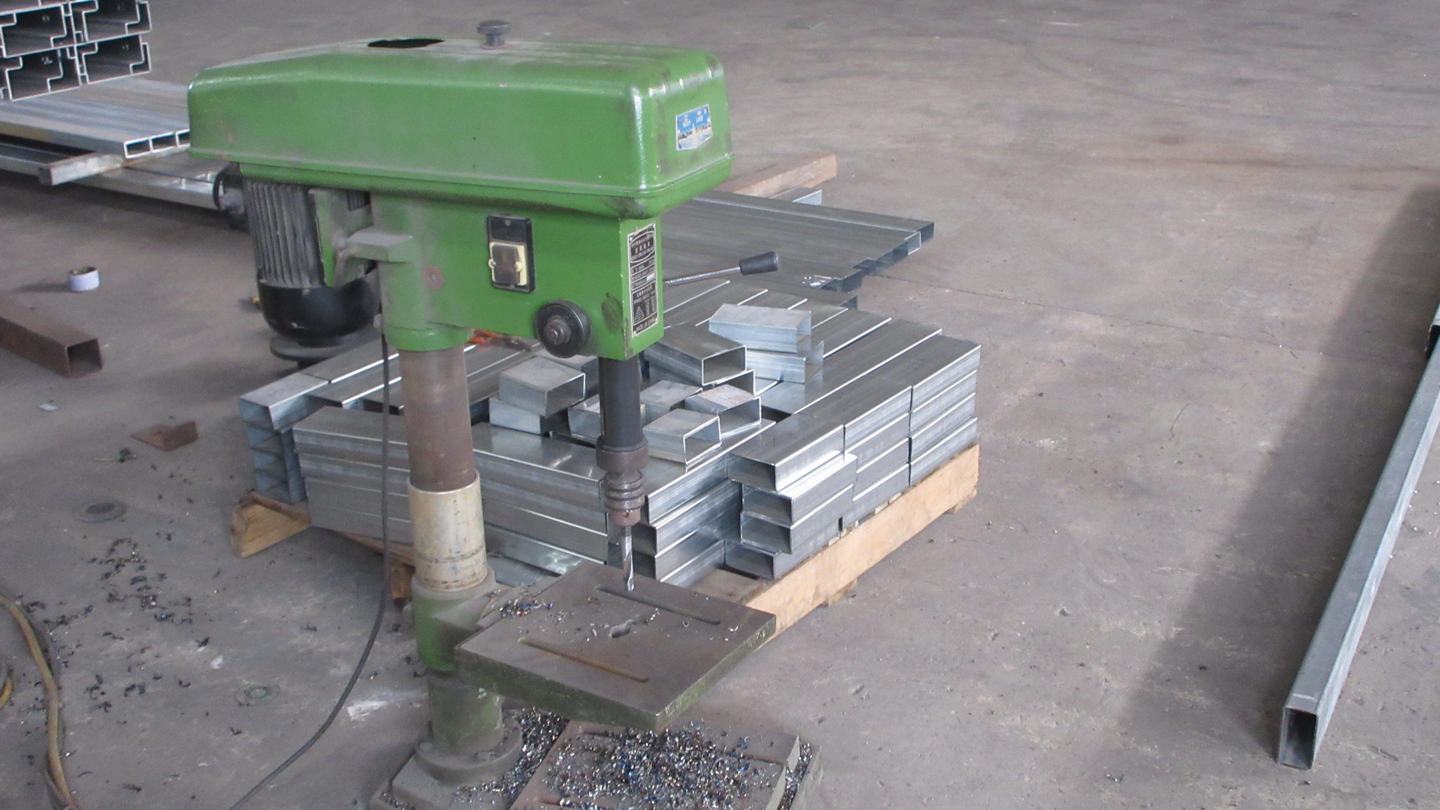
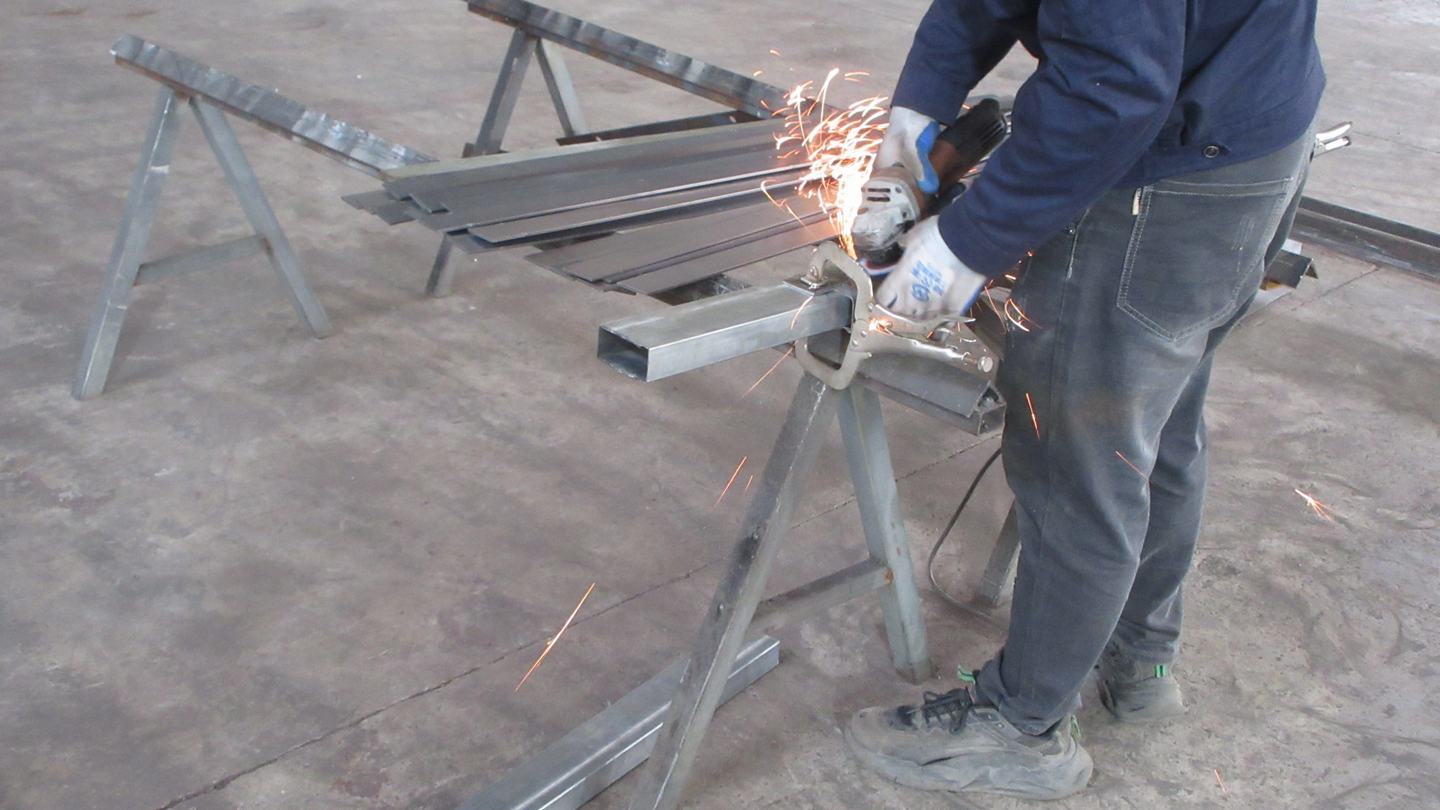
One of the primary advantages of lightweight steel structural engineering is its design flexibility to meet highly specific regional building codes and climatic conditions:
In regions demanding strict compliance with low U-values (e.g., U < 0.15 W/m²K in Sweden/Norway), our panels incorporate continuous exterior PIR insulation layer boards. This entirely eliminates thermal bridging through the steel studs and conforms to international passive house thermal metrics.
Designed with tight structural fasteners, shear walls, and horizontal diaphragms, these systems absorb lateral seismic energy. Structures are calculated to withstand seismic acceleration values up to Zone 4 and typhoon-force wind loads of up to 250 km/h, securing life safety ratings under extreme dynamic cycles.
For modular deployment where local crane access is limited, the panels are engineered with bolt-and-socket configurations. Rapid structural assembly relies simple hand-tools, completing flat-packed and expandable units within hours instead of weeks.
We are shifting light steel structure production towards a fully integrated digital twin framework. Our engineering team uses BIM (Building Information Modeling) software (Vertex BD / Tekla Structures) to model structural components. The software exports production scripts directly to our cold-forming steel keel machinery via CNC interfaces. This ensures a 100% accurate file-to-factory pipeline.
Our futuristic research focuses on incorporating phase-change materials (PCMs) within modular insulation cavities. This development aims to passive-regulate indoor temperatures and integrate Building Integrated Photovoltaics (BIPV) right into the light-gauge metal roof tiles, turning standard structural shells into net-positive energy homes.
Get professional clarification on technical, safety, structural, and import parameters regarding lightweight structural steel houses.
Our cold-formed structural members are hot-dip galvanized with a zinc-aluminum alloy (minimum AZ150 / 150g/m²). This protective layer forms an active barrier that prevents oxidation in humid and coastal environments. Under standard service environments (conforming to ISO 9223 category C1 to C3), our structural steel frames have an engineered design life exceeding 70 to 100 years without needing structural maintenance.
While steel does not burn, exposure to excessive heat can affect its structural properties. To meet Class A fire ratings, we clad our light steel frames with fire-rated glass-magnesium boards, gypsum boards, or mineral-wool sandwich panels. This provides up to 1 to 4 hours of fire-resistance rating (FRR), giving building occupants plenty of time to safely evacuate according to regional safety guidelines.
Yes. By decoupling outer and inner wall linings (known as staggered stud or double-stud configurations) and introducing acoustic isolation strips with high-density rockwool cavity insulation, our modular walls reach a Sound Transmission Class (STC) rating of 50 to 60 dB. This makes them ideal for multi-family residential projects and school classroom environments.
Our structures are optimized for maritime cargo. Expandable and folding container houses are configured to match standard ISO dimensions, allowing them to ship directly as standard sea freight. Flat-pack modular assemblies are bundled using protective wrapping, maximizing standard 40-foot High Cube (HQ) container volumes. This dramatically minimizes total shipping costs and onsite warehouse footprints.
Select from our heavy-duty, climate-tested, and internationally exported modular houses optimized for versatile applications.
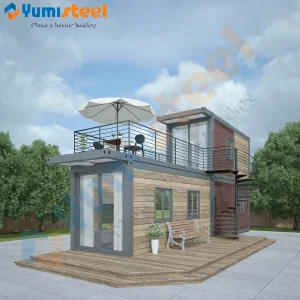
Minimalist, high-performance design utilizing robust anti-seismic node connections for premium residential safety.
Request Technical Specs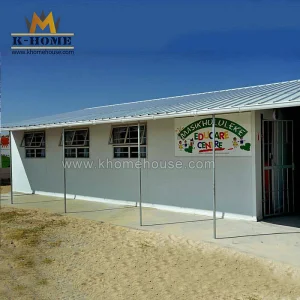
Educational infrastructure structures with high structural durability and excellent indoor air quality systems.
Request Technical Specs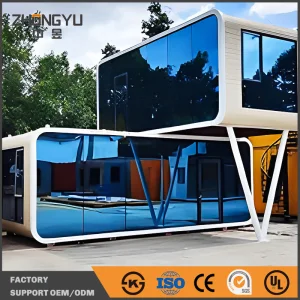
Curved design elements using structural space frames, ideal for glamping and backyard guest rooms.
Request Technical Specs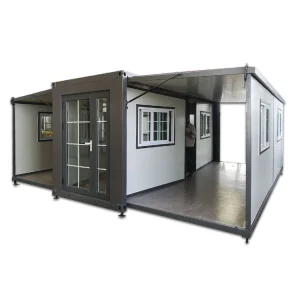
A modular building block design optimized for stackable site accommodations and corporate workspaces.
Request Technical Specs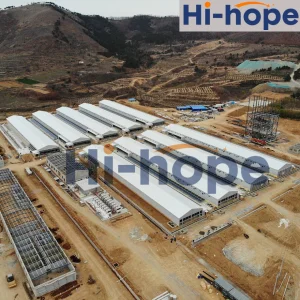
Bolt-connection assembly designed for remote farms and storage facilities with minimal foundation requirements.
Request Technical Specs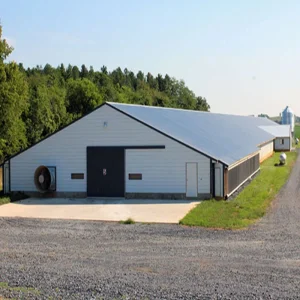
Corrosion-resistant profiles optimized to withstand chemical environments in high-volume livestock farming.
Request Technical Specs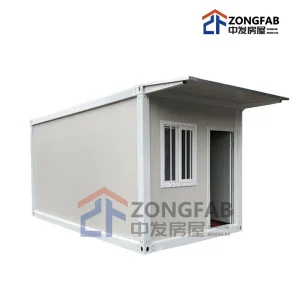
Fully integrated wiring, plumbing, and partitions tailored for disaster relief deployments.
Request Technical Specs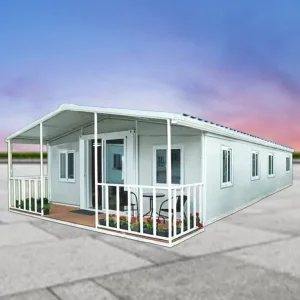
Premium expandable configuration offering a modern 2 to 5-bedroom layout with high-end thermal insulation.
Request Technical Specs