Ruifa Modular House
Ruifa Modular House
Ruifa Modular House
Engineered for architectural elegance, structural resilience, and rapid worldwide field assembly.
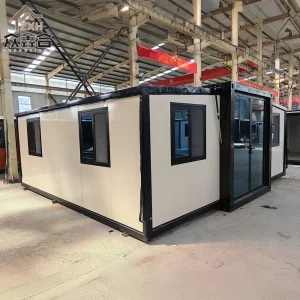
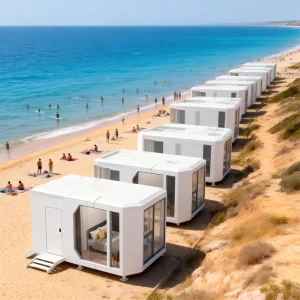
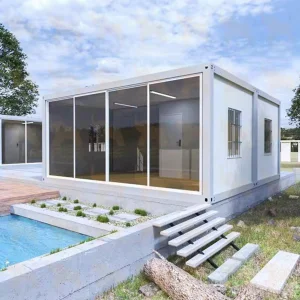
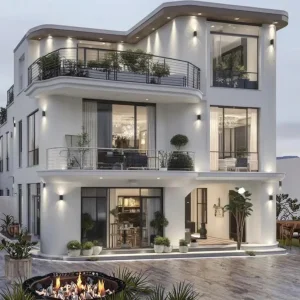
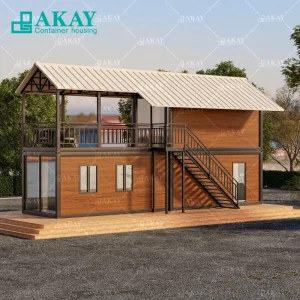
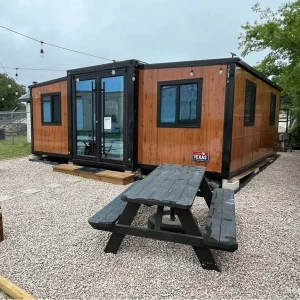
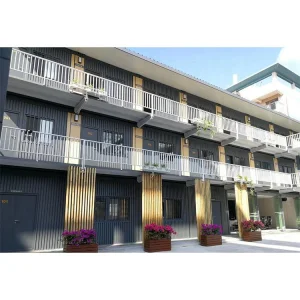
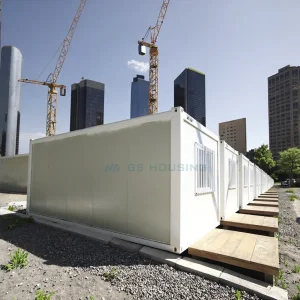
The global construction industry is undergoing an unprecedented structural transition. Conventional on-site masonry and stick-built timber constructions are increasingly challenged by mounting material costs, acute labor shortages, and stringent environmental mandates. As a leading Custom OEM Prefabricated Villa House Exporter, we provide a systemic response to these macroeconomic headwinds through Off-Site Construction (OSC) and Design for Manufacture and Assembly (DfMA) methodologies.
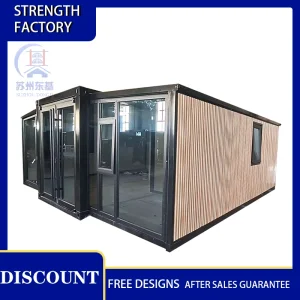
By transferring up to 90% of the construction lifecycle to a controlled, high-precision factory environment, we mitigate typical site environmental disruptions, optimize material consumption, and drastically compress project schedules. Our prefabricated integrated villa solutions combine lightweight structural steel framing with high-performance composite paneling, offering developers a predictable, highly scalable, and financially optimized path to asset delivery.
Strategic Value: Real estate developers and infrastructure agencies utilizing our off-site manufacturing program experience a documented reduction of up to 50% in field construction timelines, alongside a 30% reduction in overall material waste, significantly accelerating ROI.
The international market for modular villas is expanding across diverse geographic regions. In North America, the rising demand for accessory dwelling units (ADUs) and high-density workforce housing has positioned prefabricated steel-frame villas as a mainstream alternative to traditional timber frames. In the European Union, the transition toward Net-Zero Energy Buildings (NZEB) drives the adoption of structural insulated panel systems with superior thermal envelopes.
Meanwhile, in the Middle East and GCC region, luxury tourism, eco-resort expansions, and mega-projects like NEOM demand rapid hospitality structures that preserve delicate desert and marine ecosystems. Our export logistics network is specifically engineered to navigate these regulatory environments. We supply tailored modular structures that satisfy regional wind-load, seismic, and thermal requirements, ensuring seamless customs clearance and structural certification across all major global jurisdictions.
The reliability of our prefabricated modular systems is grounded in robust materials engineering. We utilize Cold-Formed Steel (CFS) framing with hot-dip galvanized structural profiles (yielding a minimum coating weight of Z275 g/m²). This prevents corrosion even in harsh coastal and industrial environments. Below is a detailed technical specification overview of our primary modular components:
| Structural Element | Material Engineering Specification | Performance Standard & Rating |
|---|---|---|
| Primary Frame | Q355B Hot-dip Galvanized & Painted Structural Steel, thickness 3.0mm – 4.5mm | ISO 12944 C4/C5 Corrosion Resistance Class |
| Secondary Wall Studs | Cold-Formed Light-Gauge Steel Frame (G550, yield strength 550 MPa) | ASTM A1003, AS/NZS 4600 Compliance |
| Wall Panel System | Double-sided Fiber Cement Board (10mm) + 100mm PU/Rockwool Core Insulation | Fire Resistance: Class A1 (EN 13501-1) |
| Roof Assembly | Corrugated Steel Sheet + Vapor Barrier + Glasswool Insulation + Decorative Ceiling | Waterproof Index: Grade 1, Wind Load: Up to 250 km/h |
| Thermal Performance | Low-E Double Glazed Windows, Thermal Break Aluminum Frame Profiles | U-value ≤ 1.8 W/(m²·K), R-value ≥ 30 (Custom Configurable) |
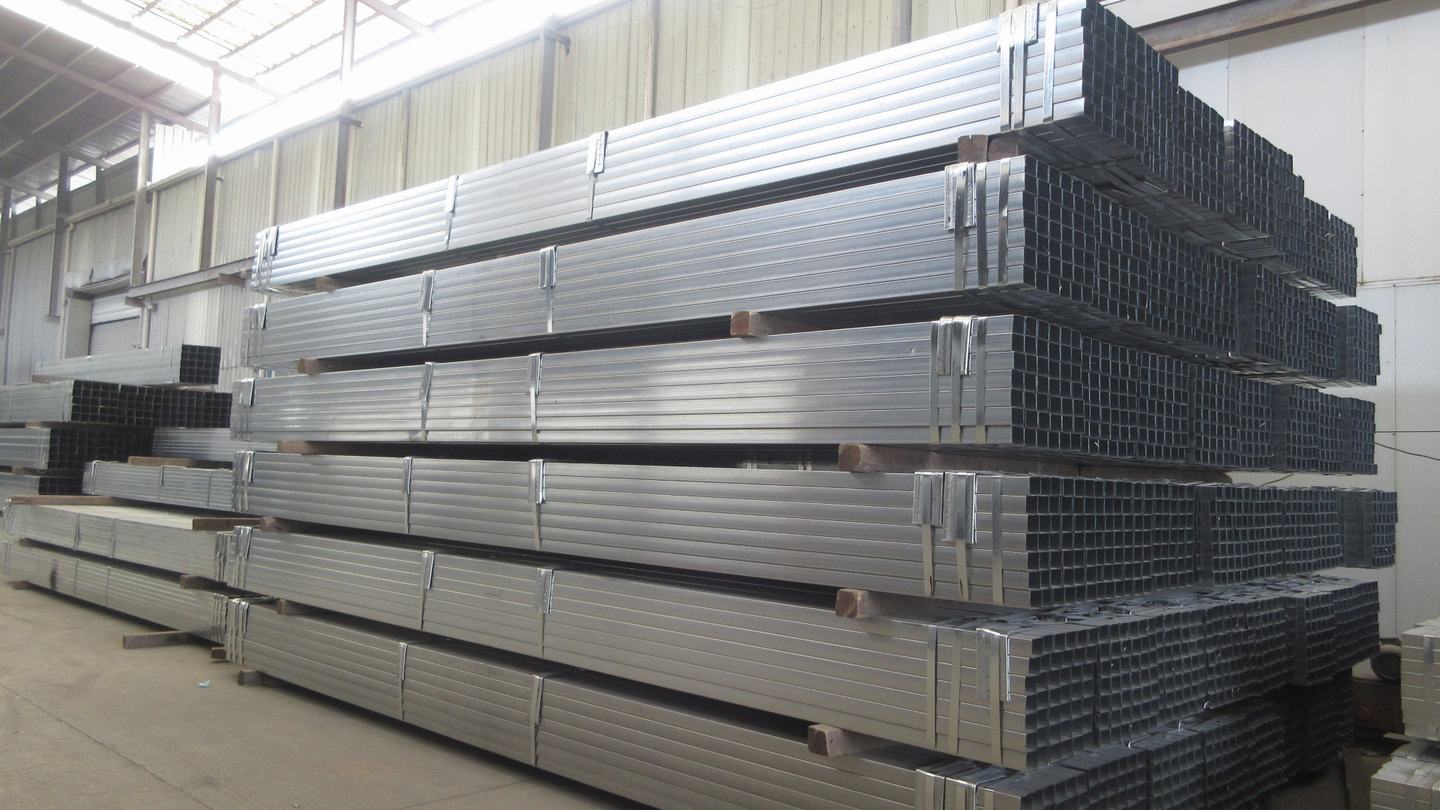
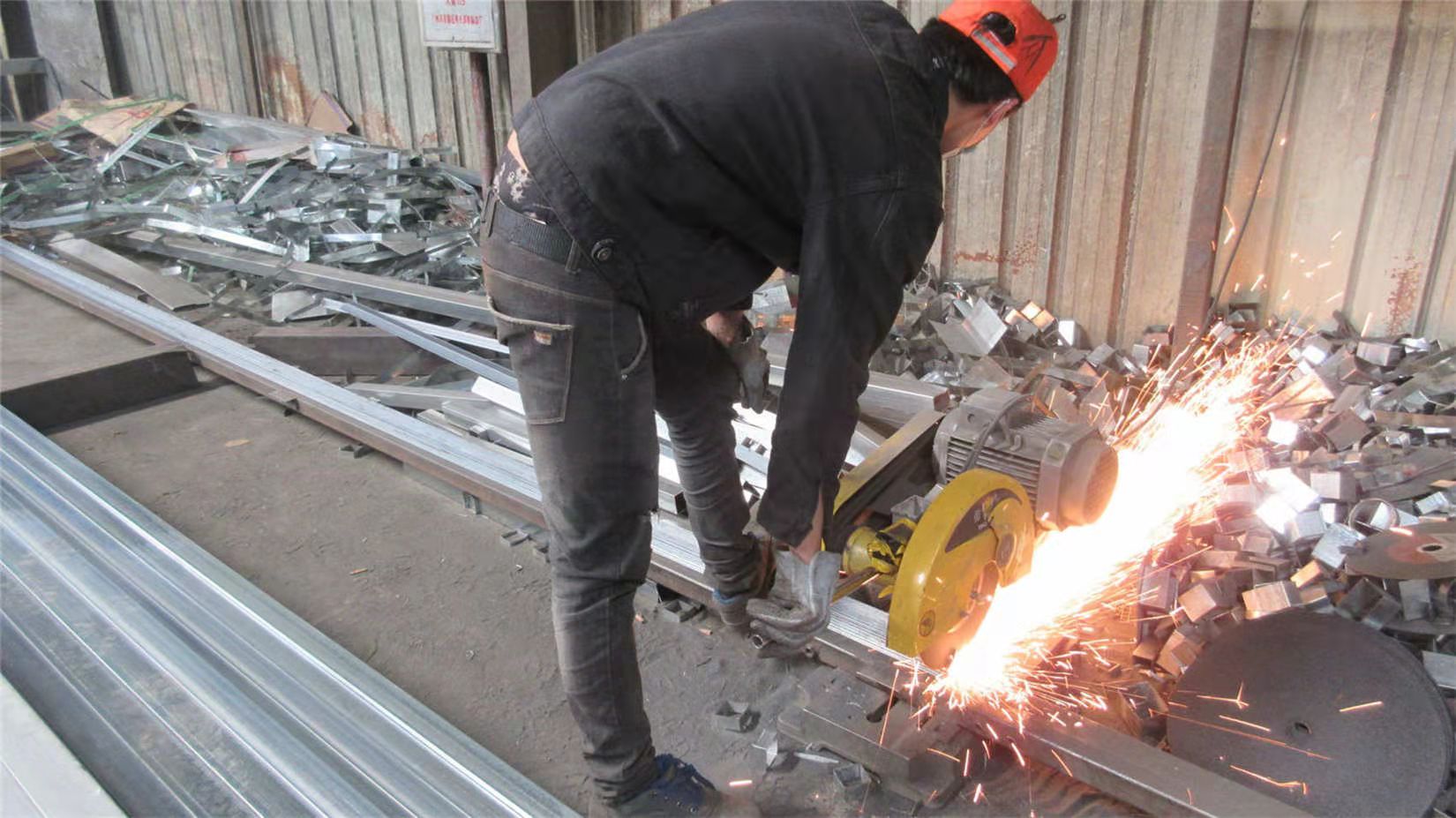
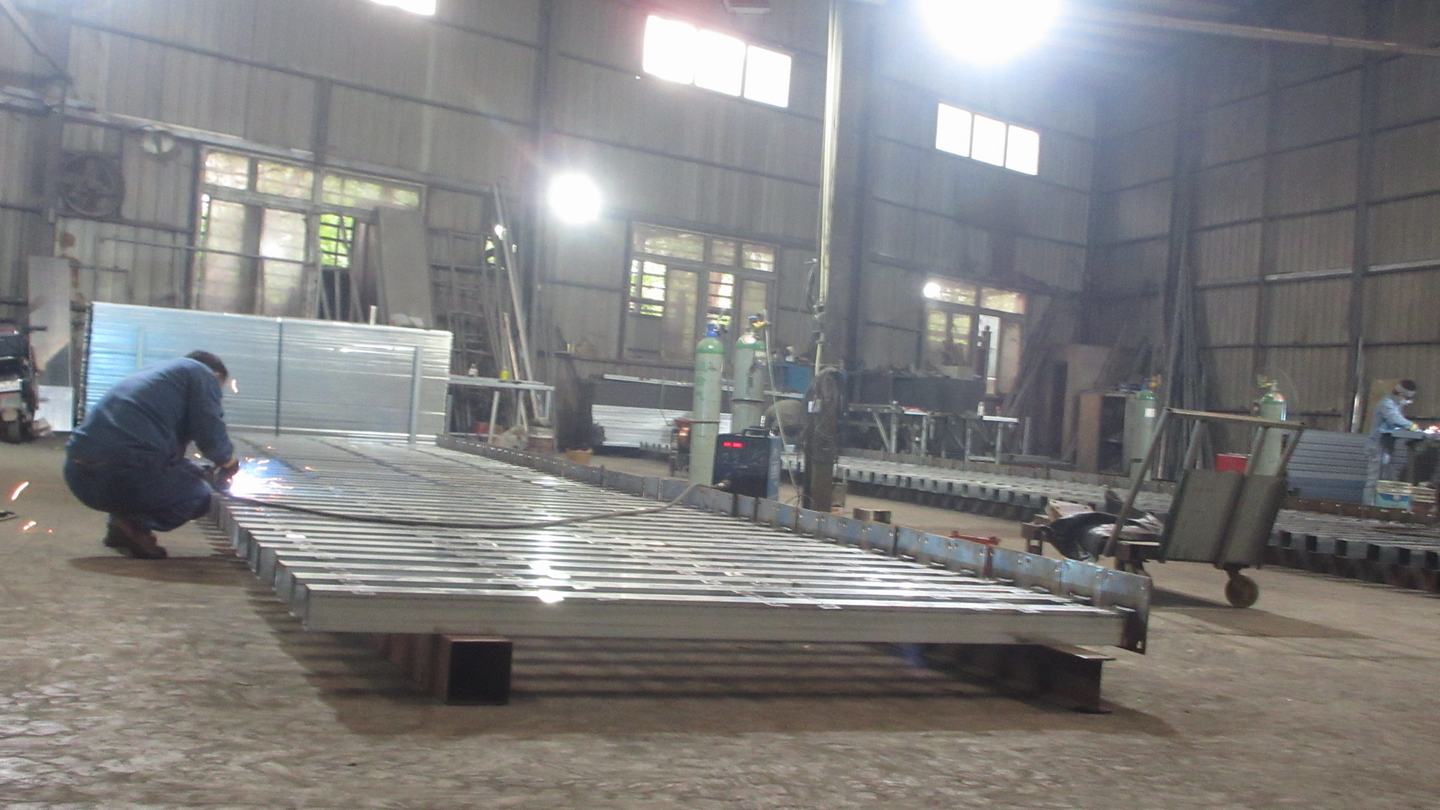
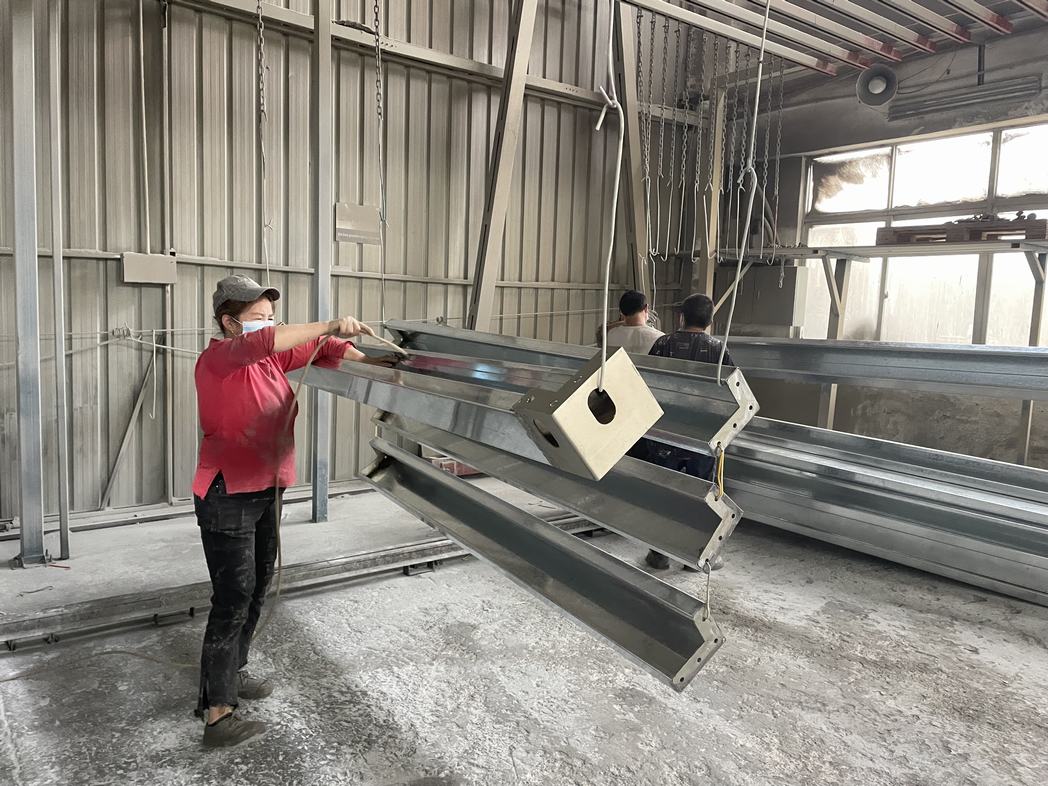
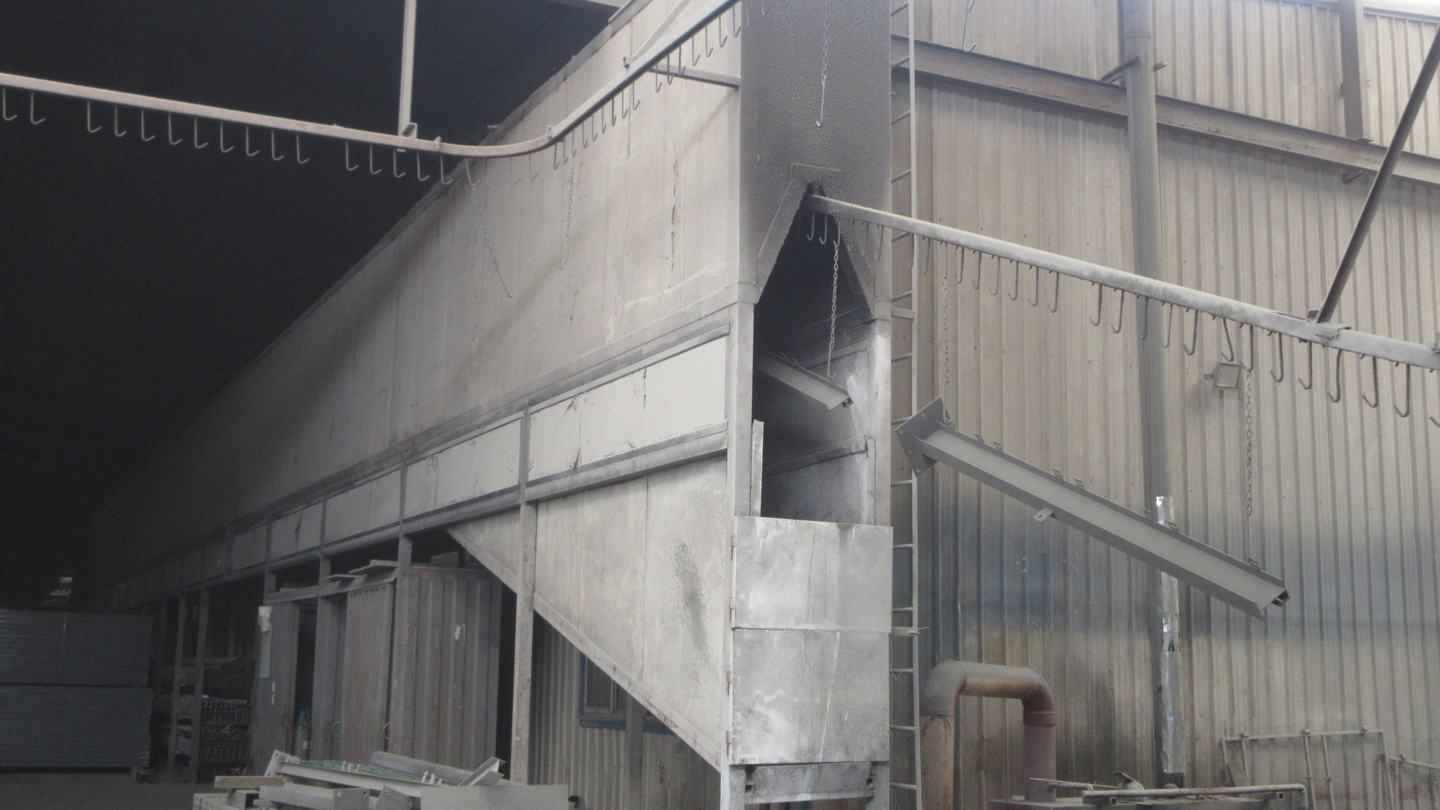
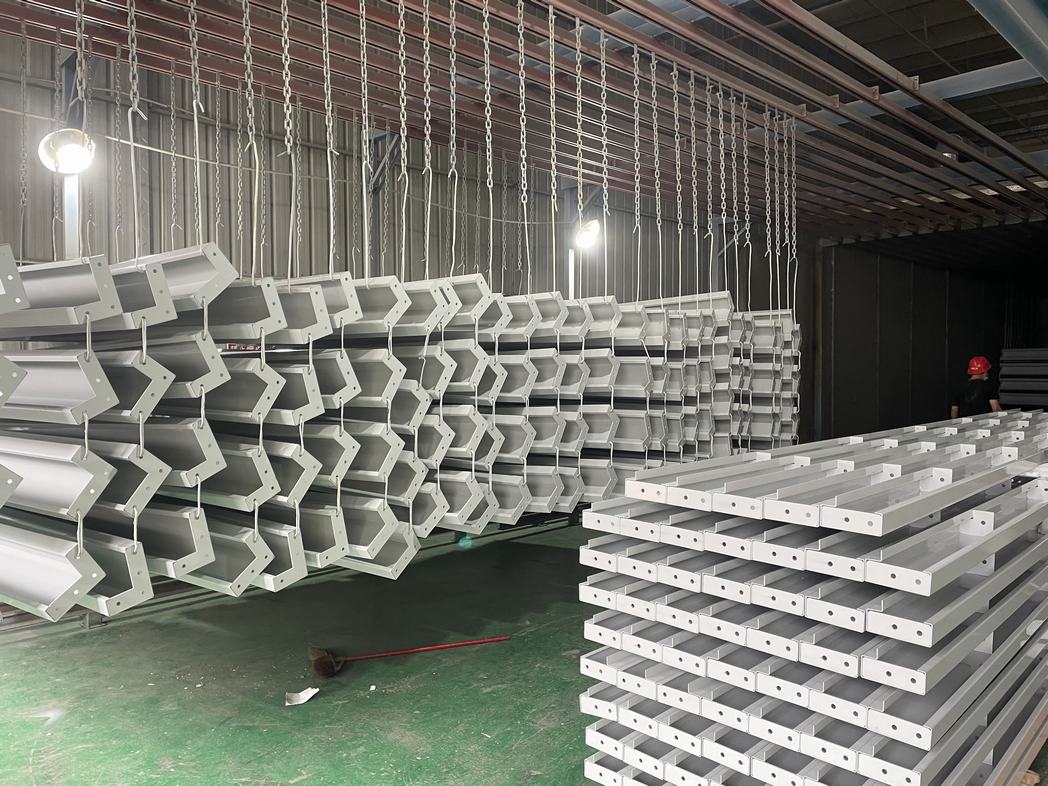
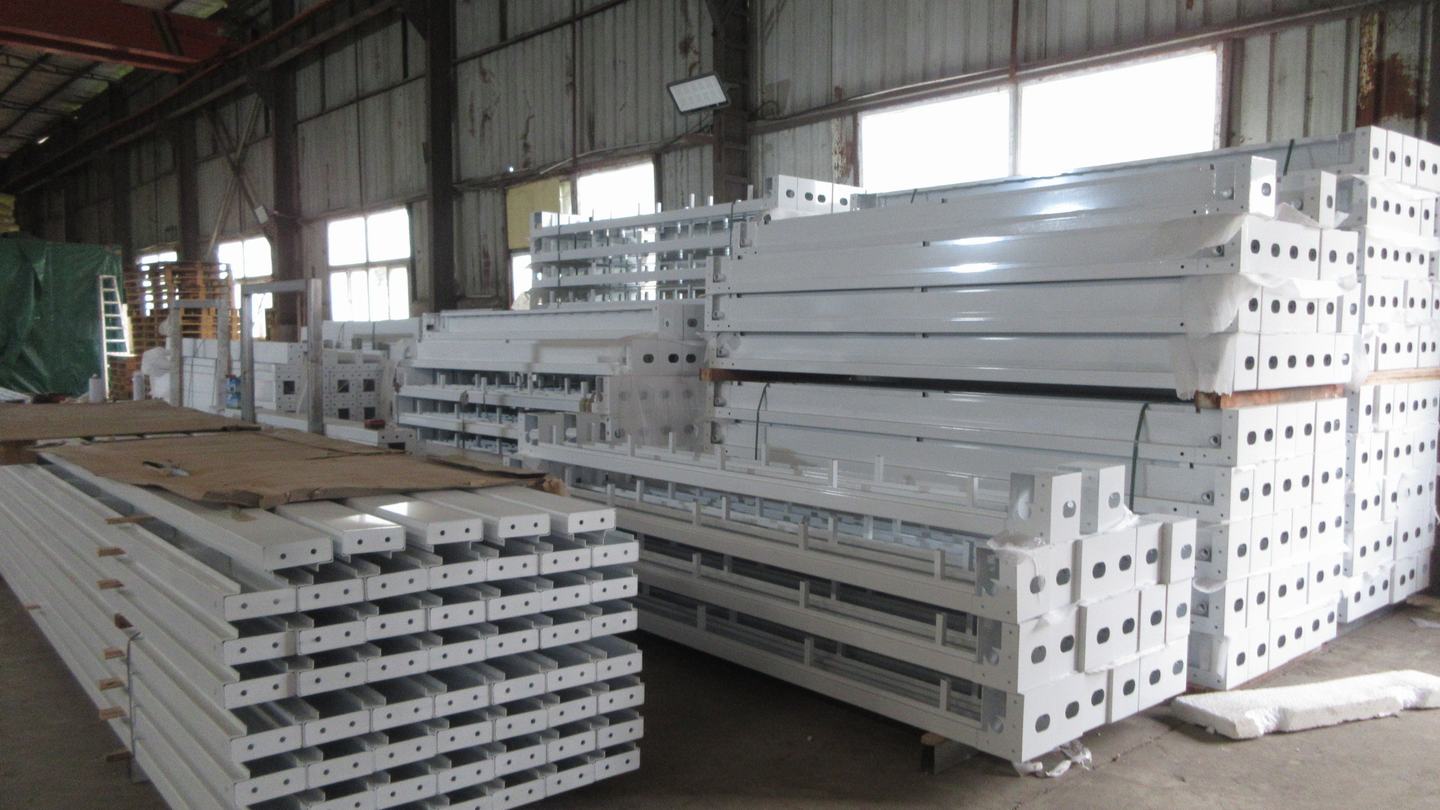
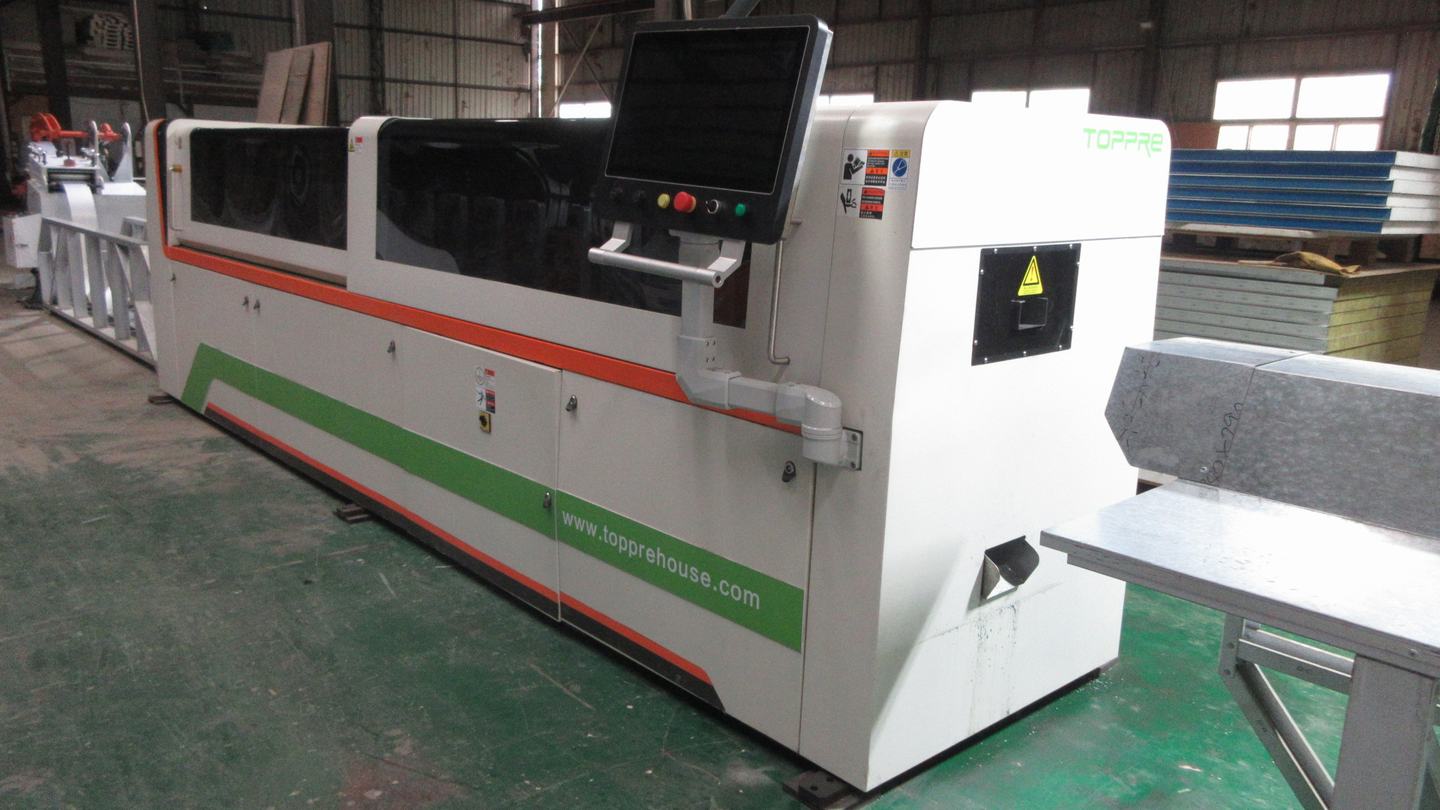
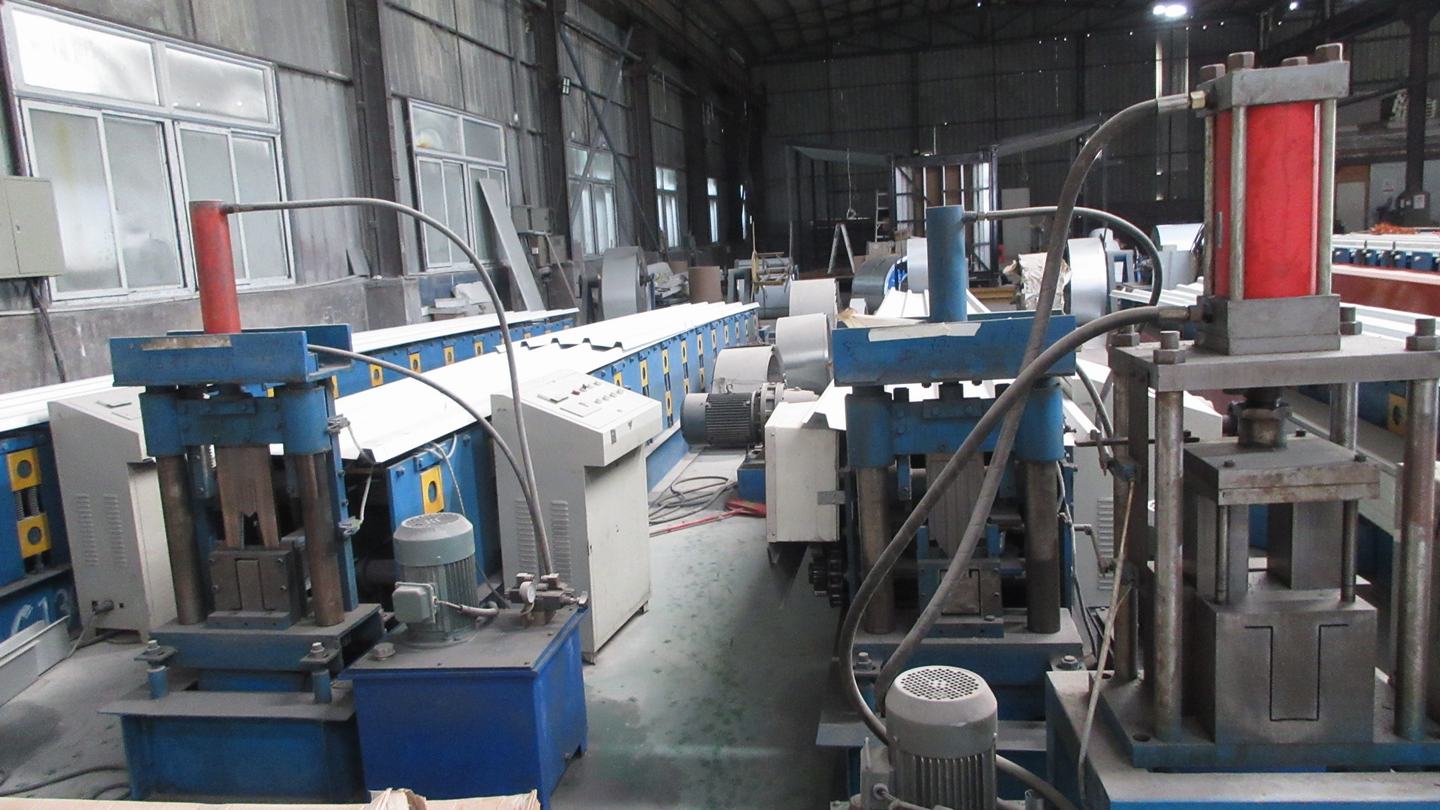
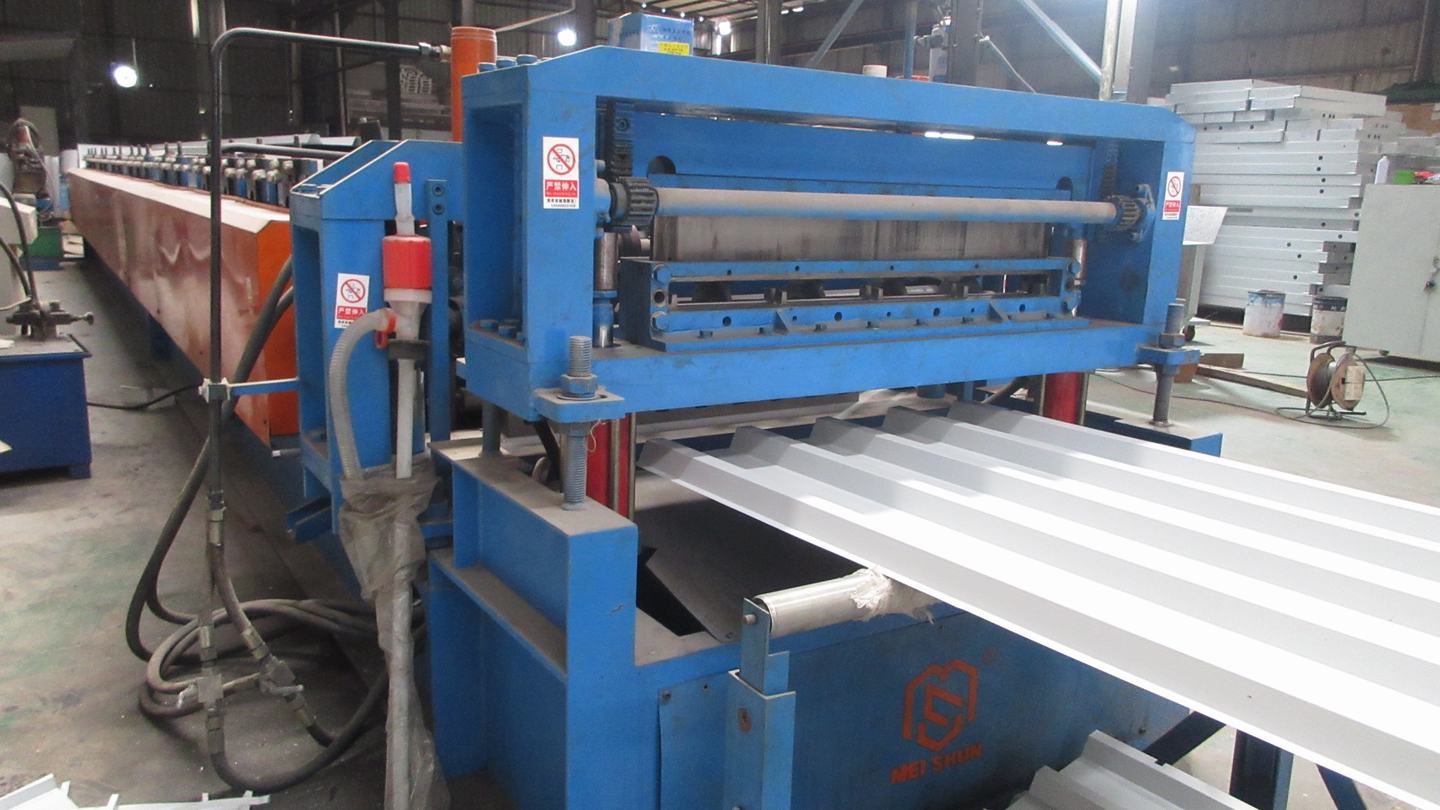
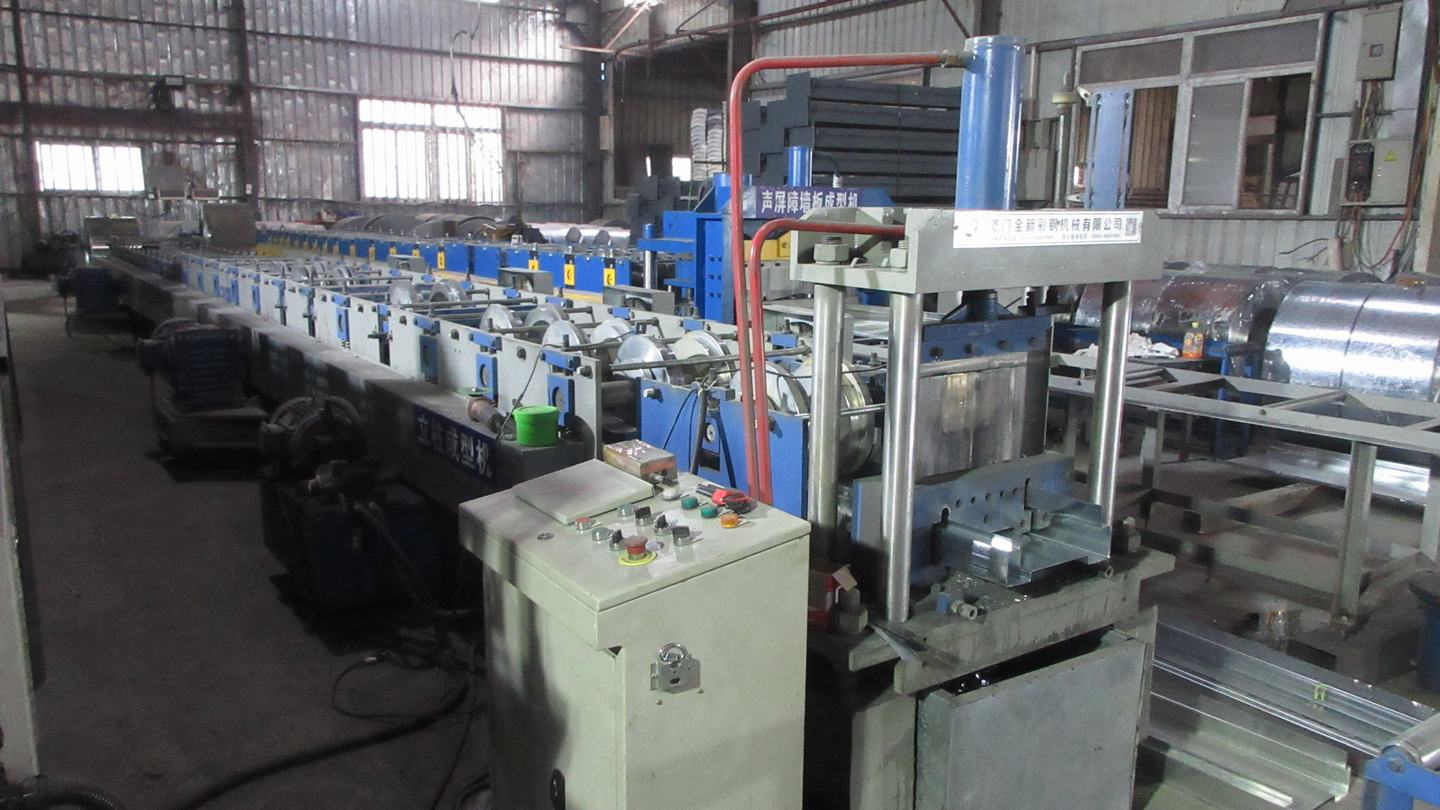
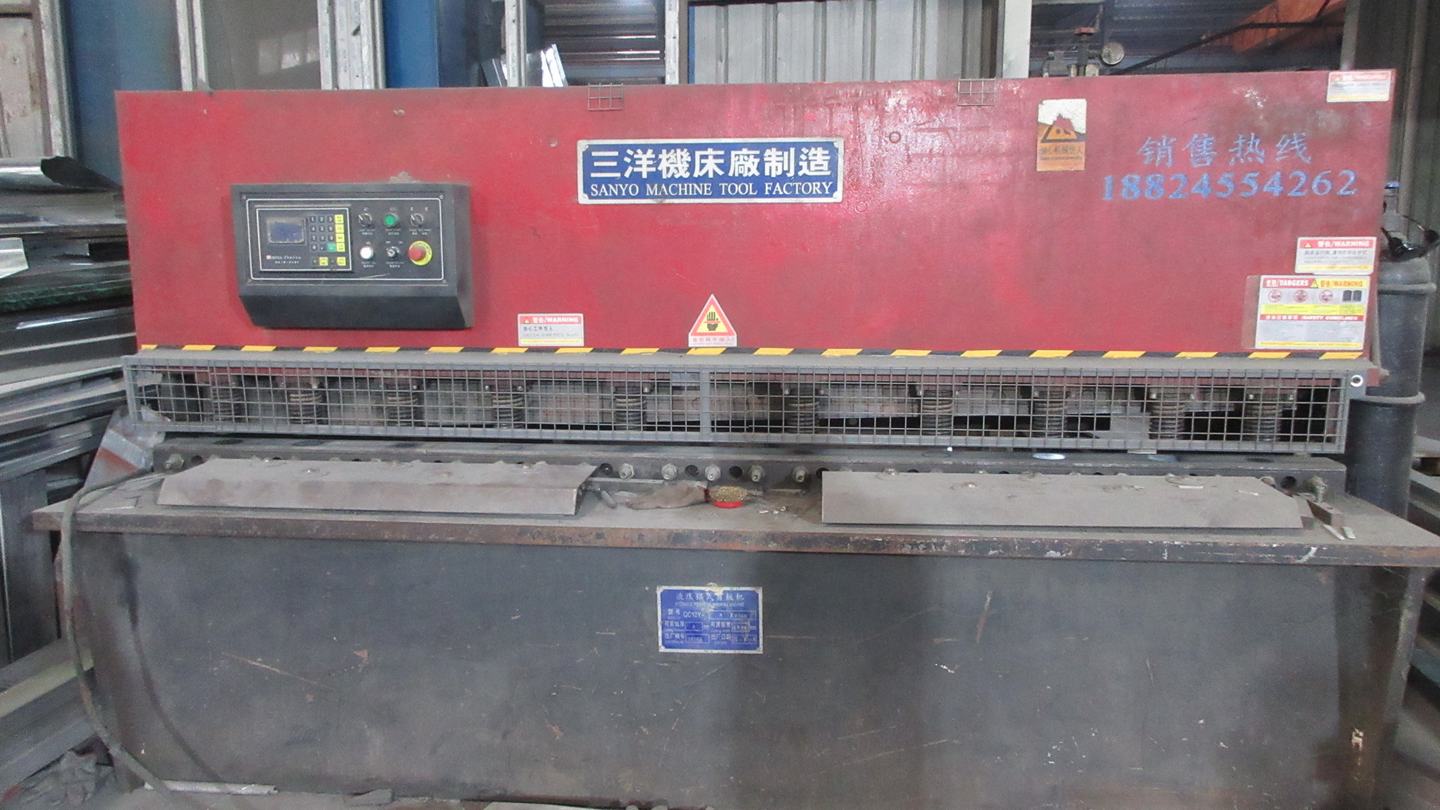
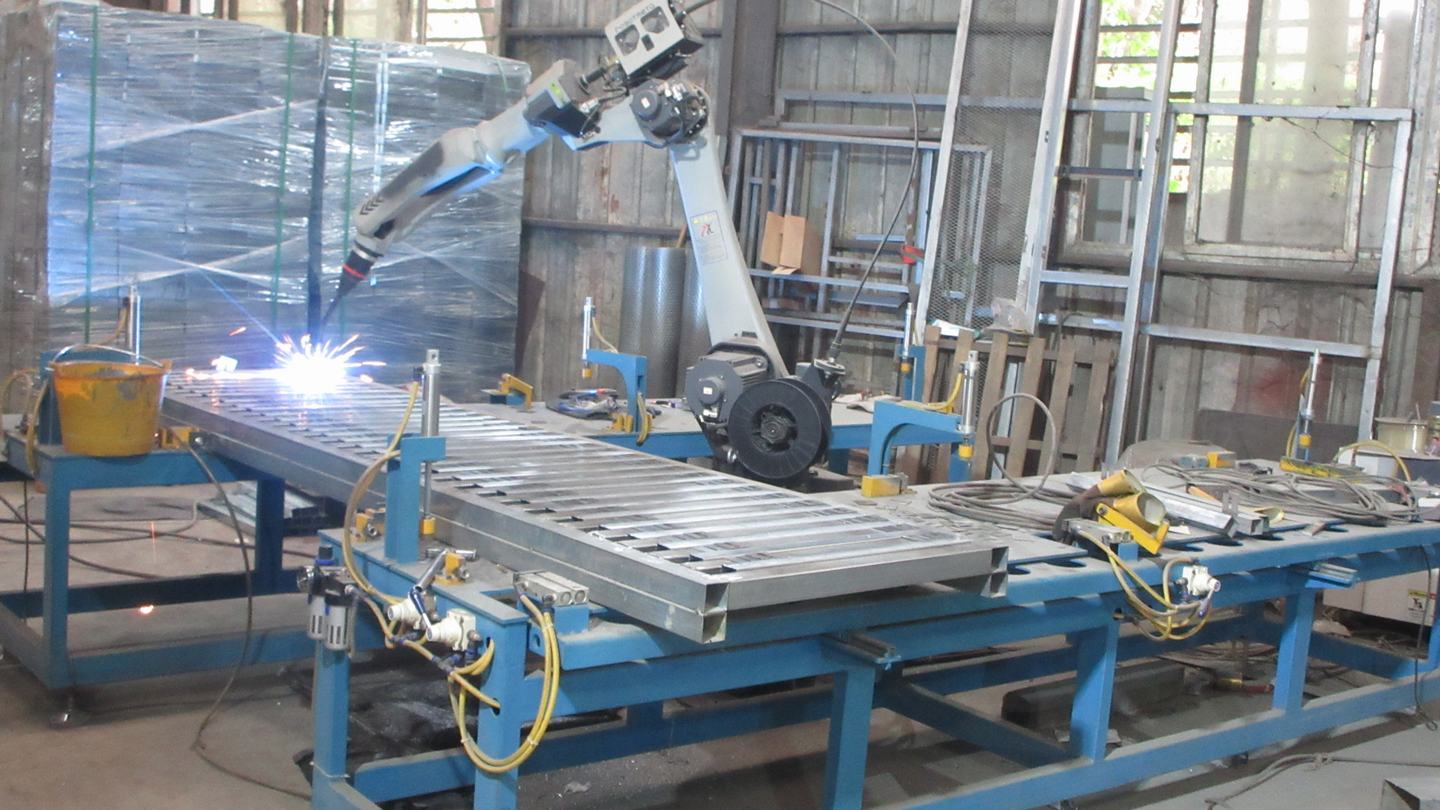
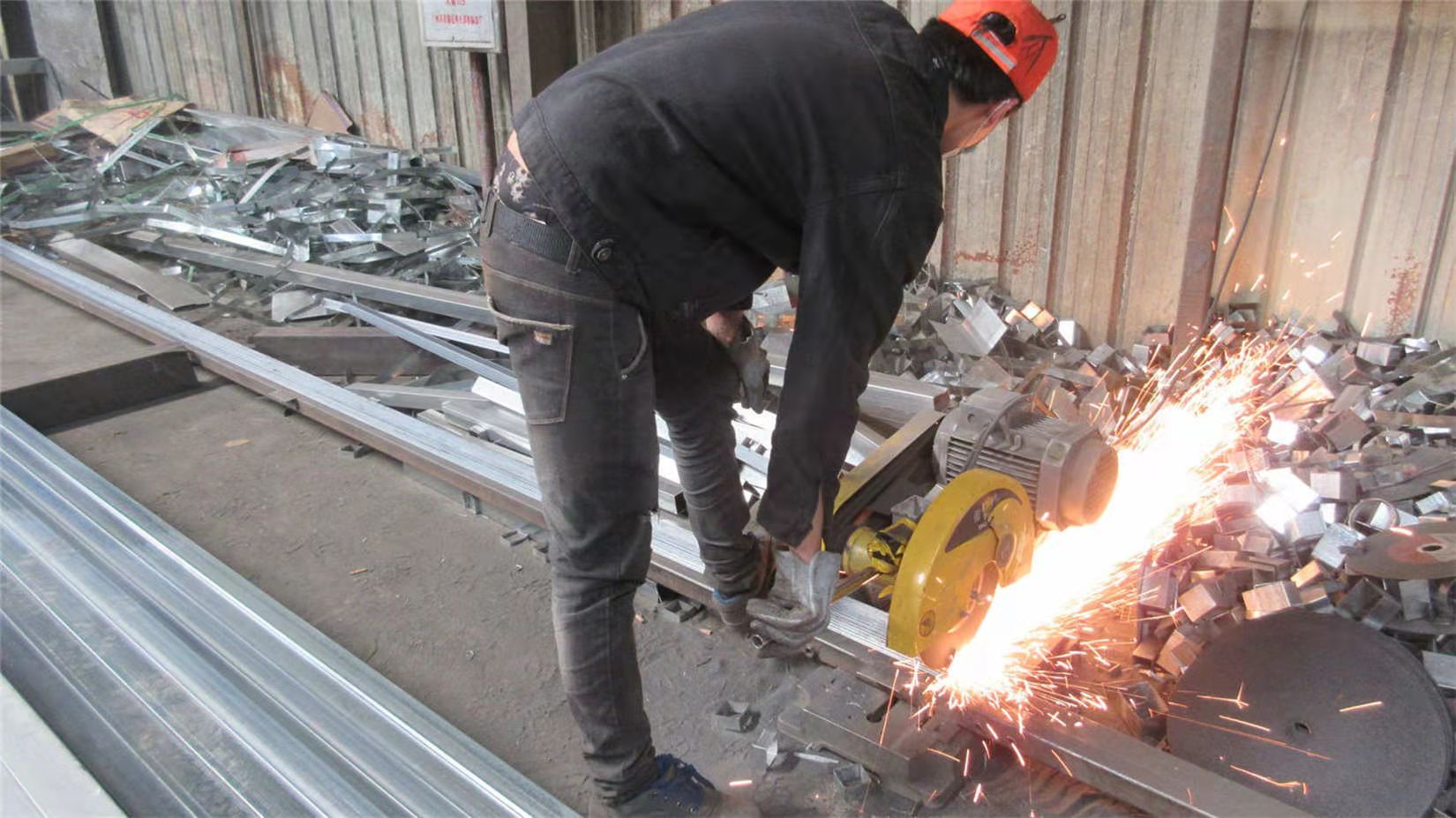
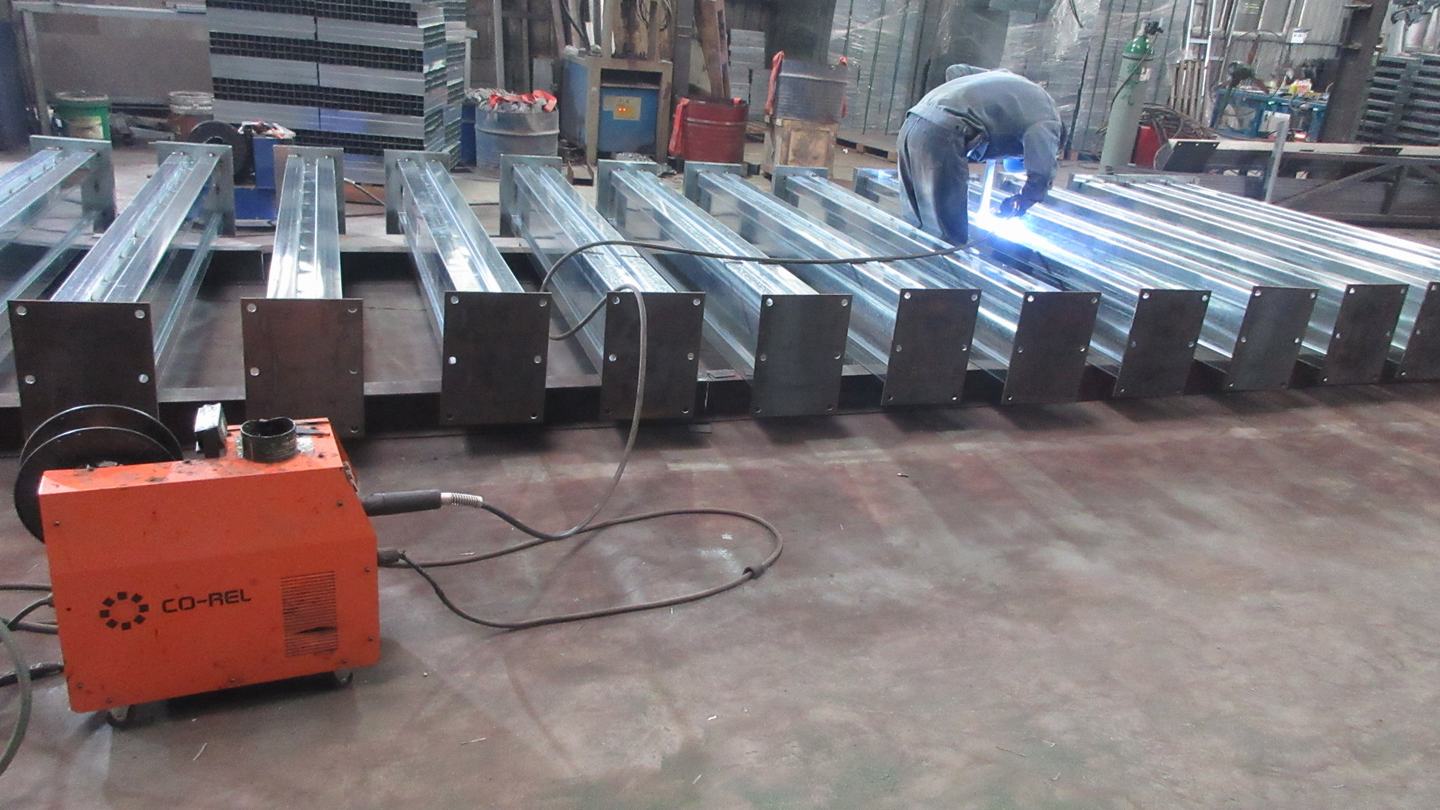
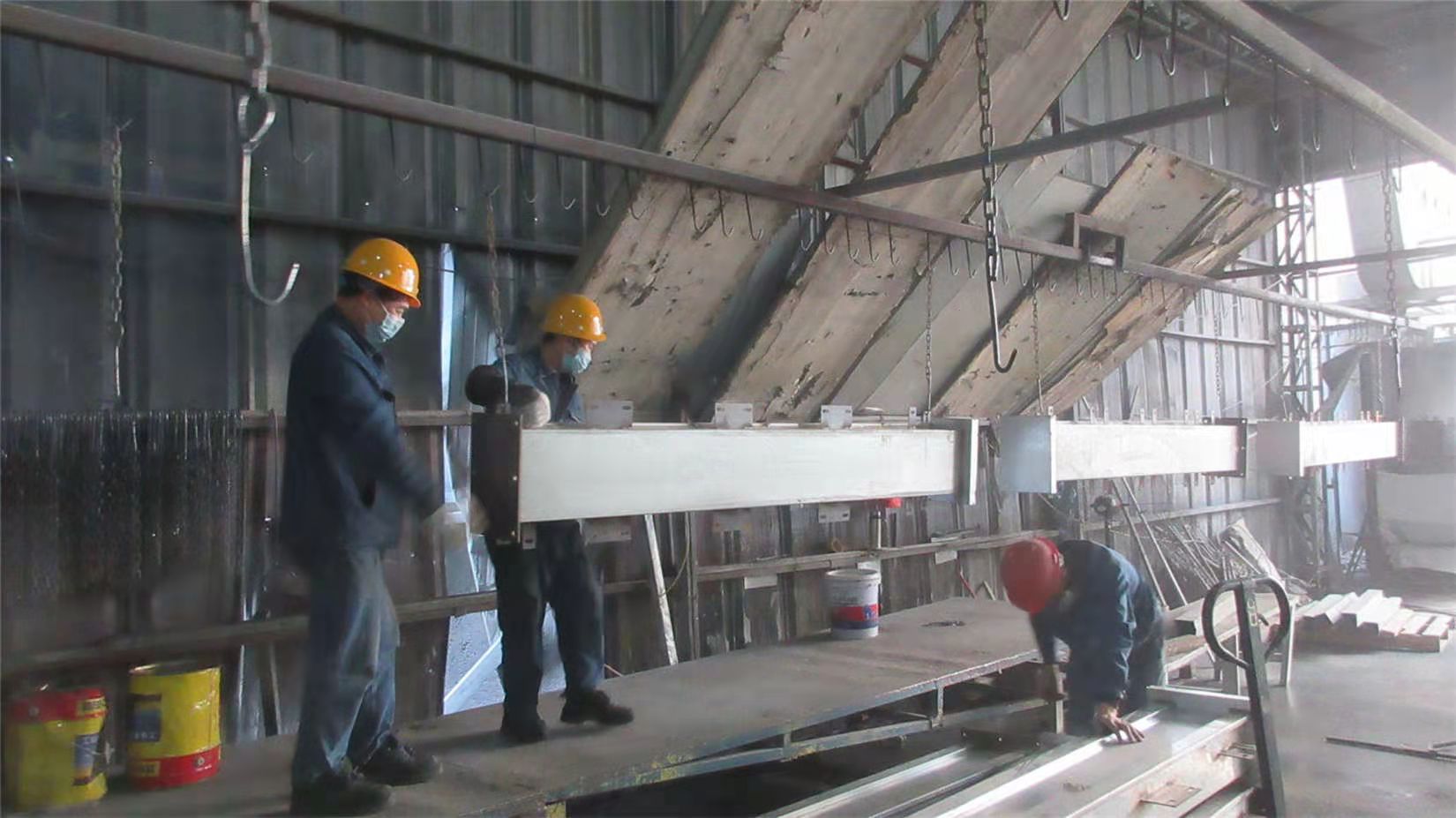
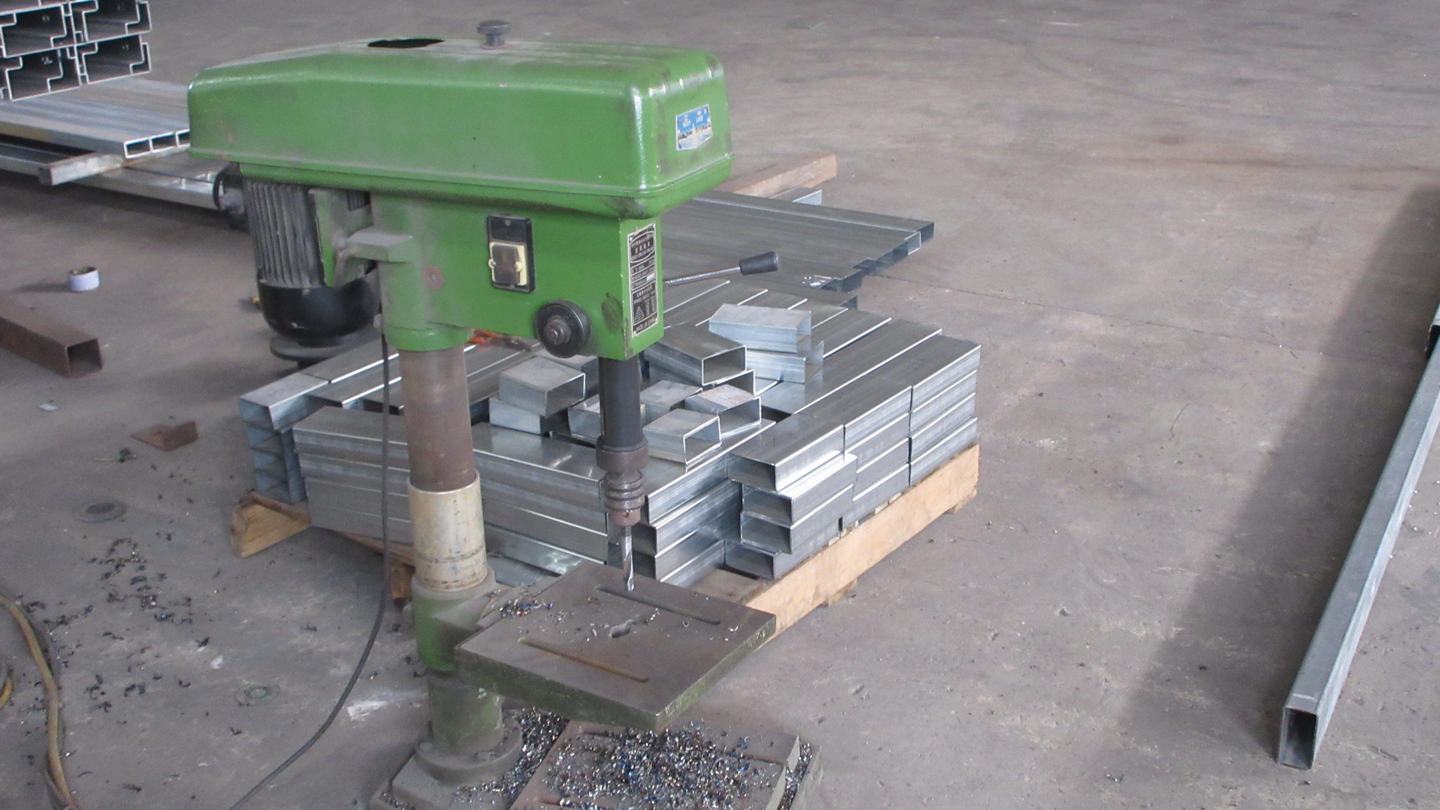
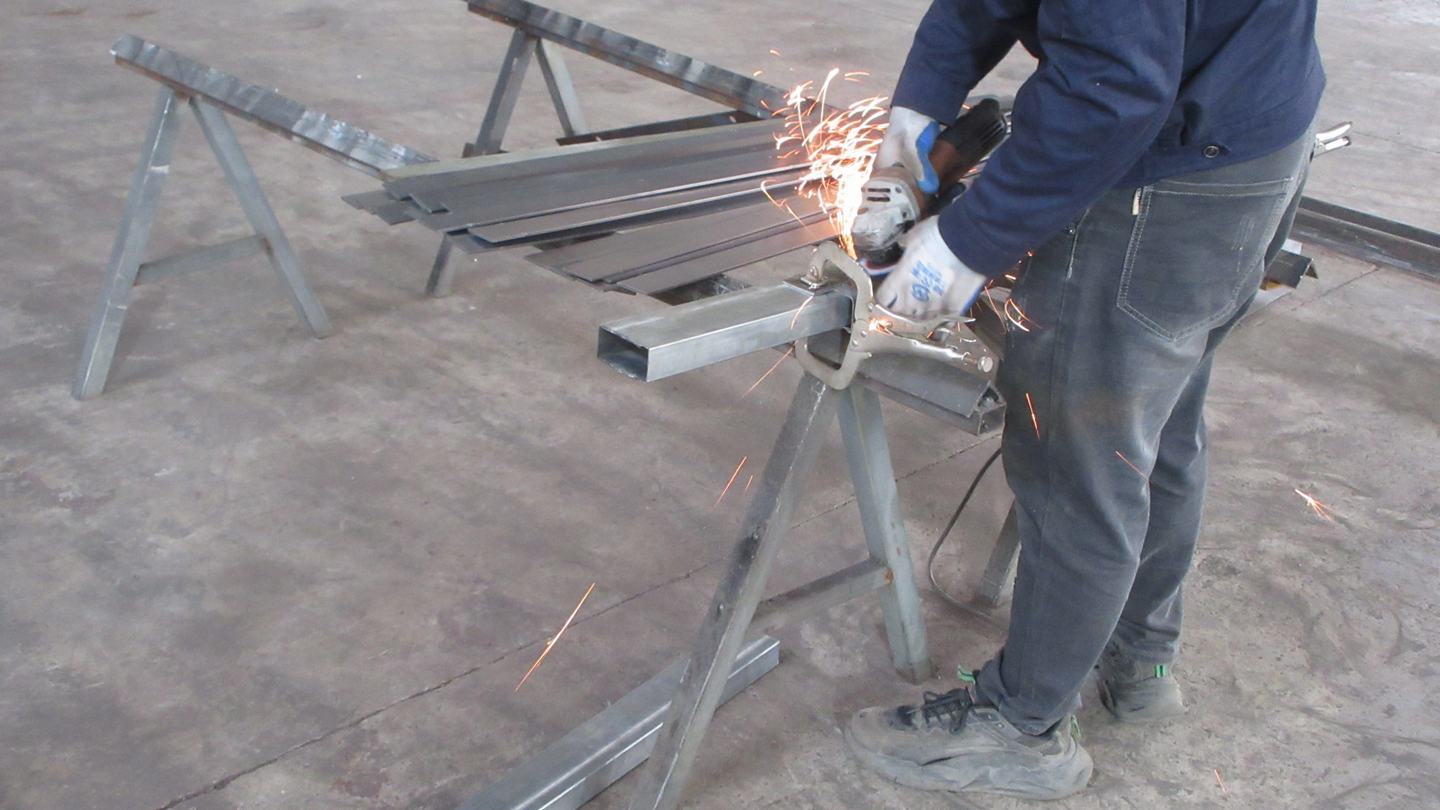
As one of the most professional prefabricated house manufacturers in south-east China, we provide customers with all kinds of integrated housing solutions. The company has a complete new modular housing R&D system, technology system, manufacturing system, and operation and maintenance system. Below is a visual walkthrough of our high-capacity production facility, housing raw material preparation through automated assembly lines and robotic welding.
Building code compliance is critical for successful international modular exports. Our engineering team designs all prefabricated structural systems to comply with relevant local frameworks, including the International Building Code (IBC) for the Americas, the Eurocodes (EN 1993) for European markets, and the AS/NZS 1170 structural design standards for Oceania.
We execute comprehensive structural analysis reports using Finite Element Method (FEM) software. This ensures our frames are calculated to resist extreme localized environmental stresses. Our systems are engineered to withstand seismic accelerations up to Zone 4 (equivalent to Magnitude 8 on the Richter scale) and wind pressures corresponding to Category 5 hurricanes (up to 250 km/h structural resistance). Electrical wiring, plumbing layouts, and HVAC conduits are integrated within the modular framing in strict compliance with UL, CE, and SAA certifications.
Ductile light steel framing designed to deform without structural collapse during high-intensity earthquake events.
Continuous insulation layers break thermal bridging, significantly reducing heating and cooling costs.
Pre-engineered components with tight manufacturing tolerances ensure fast installation on site.
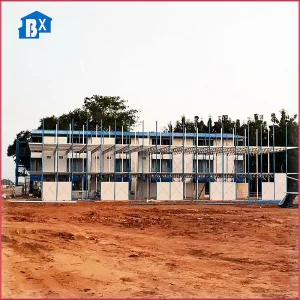
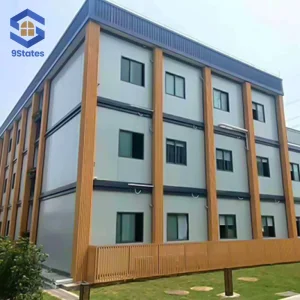
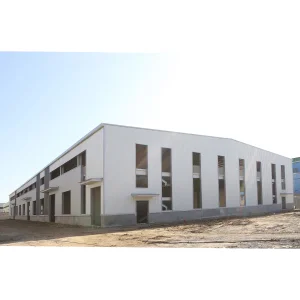
Our customized prefab villas are designed to adapt to a wide range of climates and building applications:
The future of modular construction is defined by digitalization, material advancements, and circular lifecycle design. Our engineering division is actively integrating the following technologies into our upcoming product releases:
Scalable, low-carbon footprints, and optimized for complex global shipping configurations.