Ruifa Modular House Ruifa Modular House

How to Transport Prefabricated House Components Efficiently?

Time:2026-05-16 Author:Sienna
0%

Transporting prefabricated house components efficiently is crucial for project success. A well-planned transportation strategy minimizes delays and reduces costs. Understanding how to transport prefabricated house components efficiently requires knowledge of logistics, materials handling, and site conditions.

One must consider the size and weight of the components. Oversized parts necessitate special transport arrangements. Additionally, selecting the right vehicles and routes can greatly impact delivery times. Reflecting on past transport failures can reveal areas for improvement. Every trip offers learning opportunities; even seasoned professionals can benefit from this evaluation.

The right packaging supports safe transport. Fragile components demand attention to detail during packing. However, it’s easy to overlook these aspects when in a rush. Balancing speed and caution is essential. Ultimately, mastering how to transport prefabricated house components efficiently is a complex task, tailored to each project’s unique challenges.
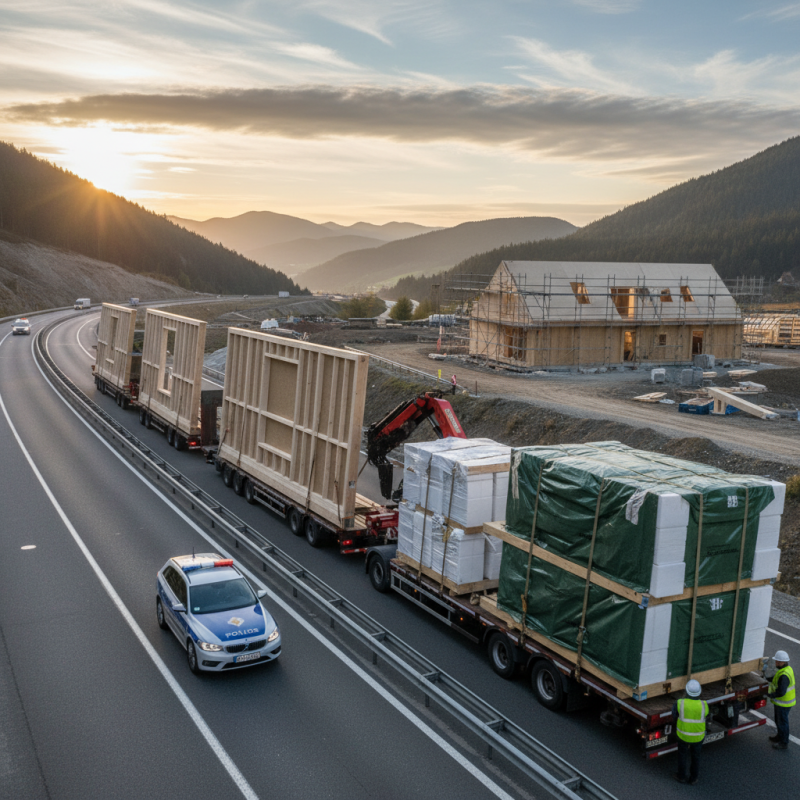
How to Transport Prefabricated House Components Efficiently?

Understanding Prefabricated House Components

Prefabricated houses offer a modern solution to construction challenges. Understanding their components is crucial for efficient transport. These houses consist of wall panels, floor systems, and roof trusses. Each element plays a vital role in the final structure. Knowing the exact dimensions helps in planning transport logistics.

Different materials are used in prefabrication, including timber, steel, and concrete. Each material behaves differently during transport. Timber is lightweight but susceptible to damage. Steel is robust but can be cumbersome. Concrete offers durability but requires careful handling. Each choice affects transport efficiency.

Transportation involves more than just moving parts. It requires careful planning. Consider weight distribution and load securing. Oversized loads need permits, which take time. Sometimes, routes must be adjusted to avoid obstacles. Challenges often arise, leading to delays. Reflecting on these issues can improve future transport processes.

Efficiency of Transportation Methods for Prefabricated House Components

Choosing the Right Transportation Method

When it comes to transporting prefabricated house components, choosing the right transportation method plays a crucial role. The efficiency of the entire process relies on selecting the optimal option for both the type of prefabricated materials and the delivery distance. According to the National Association of Home Builders, around 90% of construction delays stem from inadequate logistics. This highlights how decisive transportation can be in maintaining project timelines.

Trucking remains the predominant method for transporting prefabricated house components. It offers flexibility, allowing for the delivery of oversized and heavy items directly to job sites. Yet, this approach may also lead to issues like damage during transport or delays caused by traffic. A study by the American Transportation Research Institute found that nearly 50% of trucking companies experienced shipment delays last year. Thus, it is essential to invest in skilled drivers and quality vehicles to mitigate these risks.

Rail transportation is gaining traction as a sustainable alternative. It boasts a lower carbon footprint for large shipments over long distances. However, rail has its challenges. Loading and unloading can be lengthy and complex, often requiring additional logistics. Approximately 65% of logistics managers report capacity issues when relying on rail. With these considerations, companies must weigh the pros and cons of each method, ensuring that their choice aligns with project needs and sustainability goals.

Packaging Techniques for Safe Transport

Transporting prefabricated house components efficiently requires careful planning and effective packaging techniques. Proper packaging is essential for ensuring that each component arrives intact. Components can be vulnerable to damage during transport, so using the right materials can make a significant difference.

When packaging prefabricated components, consider using bubble wrap or foam padding for delicate parts. These materials absorb shocks and provide cushioning against impacts. It's important to secure all pieces tightly together to prevent shifting during transit. Straps or bands can help maintain stability.

Tips: Always label packages clearly. This helps handlers know which side is up and how to manage them. Organizing components by size and weight also facilitates easier handling.

Another critical aspect is stacking components correctly. Heavier items should go on the bottom, with lighter ones on top. This stacking technique minimizes the risk of crushing. In addition, keep an eye on weather conditions. Rain or extreme temperatures can affect the integrity of the packaging.

Tips: Use waterproof materials for outer layers if necessary. Monitoring humidity levels during transport can prevent mold or deterioration. Always refocus on feedback from transport experiences to improve future processes.

Routing and Scheduling for Efficient Delivery

Efficient routing and scheduling are crucial for the timely delivery of prefabricated house components. Proper planning not only minimizes costs but also reduces delays. To begin with, it's essential to analyze the delivery routes. Using mapping software can help identify the fastest or most fuel-efficient routes. However, factors like traffic patterns and road conditions can change, making constant adjustments necessary.

Real-time logistics technology can optimize scheduling. Visibility into delivery status helps manage expectations. Knowing when components arrive allows construction teams to prepare the site. Coordinating with various suppliers adds another layer of complexity. Each supplier has different lead times and transportation capabilities. Communication between all parties is key, but achieving this can be quite challenging.

A focus on collaboration can lead to better outcomes. Setting up regular check-ins with all stakeholders fosters transparency. Yet, sometimes, delays or miscommunications occur, requiring backtracking. Being prepared for these setbacks ensures that teams can adapt swiftly. Flexibility in scheduling allows for accommodating unexpected changes, ensuring that the project stays on track.

How to Transport Prefabricated House Components Efficiently? - Routing and Scheduling for Efficient Delivery

Component Type Quantity Weight per Component (kg) Total Weight (kg) Transportation Method
Wall Panels 50 40 2000 Flatbed Truck
Roof Trusses 20 150 3000 Specialized Trailer
Floor Panels 30 60 1800 Flatbed Truck
Doors 10 25 250 Van
Windows 15 30 450 Van

Handling and Unloading on Arrival

Handling and unloading prefabricated house components can be challenging. It requires careful planning and specialized skills. Upon arrival, ensure that the unloading site is clear. Obstacles can delay the process or cause accidents.

Using a crane or a forklift is usually essential. These machines help lift heavy components safely. Training the crew is crucial. They must understand how to operate equipment properly. Mistakes during unloading can lead to damage or injury. It's important to perform checks on the machinery before use.

Communicating with the delivery team is vital. They can provide guidance on the best unloading methods. Sometimes, issues arise that require quick thinking. Weather can impact procedures, making surfaces slippery or unstable. Always be prepared to adapt. Having a backup plan is wise, as conditions may change unexpectedly.

FAQS

: What is the main transportation method for prefabricated house components?

: Trucking is the primary method due to its flexibility for heavy items.

What challenges can arise with trucking?

Issues include potential damage during transport and traffic delays.

How does rail transportation compare to trucking?

Rail is more sustainable but can face lengthy loading times and capacity issues.

What packaging materials are recommended for delicate components?

Bubble wrap or foam padding is effective for shock absorption and protection.

How should components be organized in packaging?

Label packages clearly and group them by size and weight for easier handling.

What stacking technique reduces the risk of crushing?

Heavier items should be placed on the bottom, with lighter ones on top.

Why is monitoring weather conditions important?

Weather can affect packaging integrity, leading to damage during transport.

How can routing and scheduling enhance delivery efficiency?

Analyzing routes with mapping software helps identify the fastest paths to the destination.

What role does real-time logistics technology play?

It provides visibility into delivery status, assisting in site preparation.

How can delays impact the delivery process?

Miscommunications or unexpected changes may require backtracking and adjusting schedules.

Conclusion

Transporting prefabricated house components efficiently requires a comprehensive understanding of several key factors. First, it is crucial to understand the various types of components involved in prefabricated construction, as their size, weight, and fragility dictate the appropriate transportation methods. Choosing the right transportation method is essential; options range from flatbed trucks to specialized carriers, each suited for different types of components.

Employing effective packaging techniques is vital for ensuring the safety of the components during transport. Properly packaging items minimizes the risk of damage and facilitates smoother handling. Additionally, careful routing and scheduling can significantly enhance delivery efficiency by optimizing travel times and reducing costs. Finally, ensuring proper handling and unloading upon arrival helps to prevent damage and sets the stage for a successful assembly process. By focusing on these areas, one can address the question of how to transport prefabricated house components efficiently, ensuring a streamlined operation from start to finish.

Sienna

Sienna

Sienna is a skilled marketing professional with a deep expertise in our company’s core products and services. With a passion for innovation and detail, she plays a pivotal role in crafting insightful blog posts that not only highlight the unique features of our offerings but also provide valuable......