Waterproof issues in prefabricated houses can lead to significant challenges. As many homeowners know, water damage can compromise the entire structure. To navigate these problems, it's crucial to seek expert advice. Dr. Linda Morgan, a leading authority in building science, states, "Understanding how to solve waterproof problems in prefabricated houses is essential for lasting durability."
Many homeowners are unaware of the specific vulnerabilities of prefabricated homes. These structures can be particularly susceptible to moisture infiltration. Factors include assembly quality and material choices. The complexity of seams and joints often contributes to leaks. Addressing these issues requires a multifaceted approach.
Effective waterproofing starts with proper material selection. However, even high-quality materials can fail if not installed correctly. Experts recommend thorough inspections and preventive measures. Homeowners must also consider climate conditions in their locations. This adds another layer to waterproofing strategies. Ultimately, success comes from integrating knowledge and experience in the field. Effective solutions exist, but they require ongoing attention and innovation.
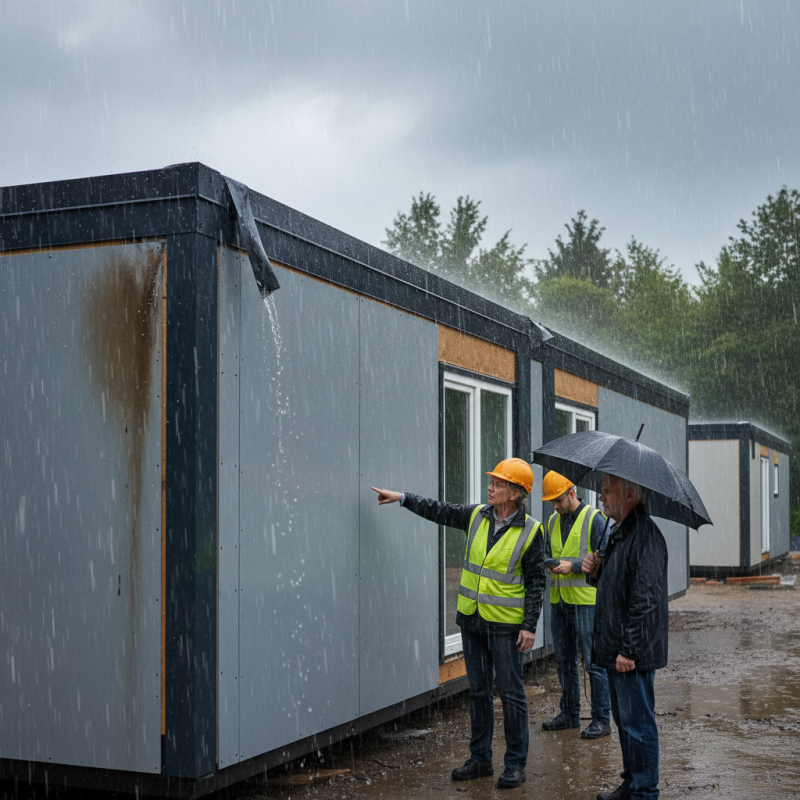
Identifying Common Waterproof Issues in Prefabricated Houses
Prefabricated houses offer efficiency and convenience, but they often face waterproof problems. Identifying these issues is crucial for homeowners. Common problems include roof leaks, inadequate sealing at joints, and moisture ingress through walls. These can lead to mold growth and structural damage, compromising your home’s integrity.
For better protection, consider regular checks. Inspect the roof for missing shingles and damaged seams. This proactive approach helps catch leaks early. Pay attention to gutters; blocked gutters can lead to water pooling. Ensure downspouts direct water away from the foundation.
Proper sealing is essential. Use high-quality caulk around windows and doors to prevent moisture entry. Reassess the landscaping around your home. Ensure it slopes away from the foundation to minimize water buildup. Many homeowners overlook these simple strategies, but they can make a considerably positive difference. Addressing waterproof issues now can save significant costs later.
Assessing Site Conditions for Optimal Waterproofing Solutions
Assessing site conditions is crucial for effective waterproofing in prefabricated houses. Proper evaluation starts with understanding local climate patterns. For instance, areas with high rainfall or snow accumulation have unique challenges. Research indicates that moisture-related issues account for over 40% of construction defects. This highlights the need for thorough site assessments before construction begins.
Soil composition is another vital factor. Clay-rich soils retain moisture, increasing the risk of water penetration. A 2021 report by the National Association of Home Builders revealed that homes in clay-heavy regions are 30% more likely to experience waterproofing failures. Using advanced soil testing techniques can pinpoint these risks early on. This proactive approach allows builders to implement tailored waterproofing solutions.
Drainage plays a key role too. Inadequate drainage systems can lead to water pooling around foundations. This exacerbates moisture problems. A study in Texas showed that homes with proper drainage measures saw a 50% reduction in water-related maintenance issues. However, even with proper planning, unforeseen issues can arise. Regular monitoring of site conditions is recommended to adapt to changing environmental factors.
Selecting Appropriate Materials for Effective Water Resistance
Selecting the right materials is crucial for effective water resistance in prefabricated houses. Traditional materials may not always perform well in varying climates. Moisture can seep through walls, leading to mold and damage. Therefore, innovative materials should be at the forefront of any construction project.
Consider using synthetic membranes. These barriers are designed to repel water effectively. They are lightweight and easy to install. Additionally, advanced sealants can enhance joints and seams. Proper application is essential for maximizing their efficiency. Even minor mistakes can lead to leaks.
Another option is to explore breathable materials. These allow moisture to escape while preventing water intrusion. It's important to balance durability and flexibility. Some eco-friendly materials can also offer lasting protection. Reflect on the environmental impact of your choices as well. This consideration can lead to better living conditions and sustainability for the future.
Top 10 Ways to Solve Waterproof Problems in Prefabricated Houses
| Method |
Description |
Materials |
Effectiveness |
| Proper Foundation Design |
Ensure the foundation is sloped away from the house to prevent water accumulation. |
Concrete, Gravel |
High |
| Waterproof Membrane |
Install a waterproof membrane to block moisture ingress. |
EPDM, TPO |
Very High |
| Gutter and Drainage System |
Implement an effective gutter system to direct rainwater away. |
PVC, Metal |
High |
| Sealant and Caulking |
Use high-quality sealants and caulking around windows and doors. |
Silicone, Polyurethane |
Medium |
| Sump Pumps |
Install sump pumps to remove water accumulation from basements. |
Electric Pumps |
High |
| Ventilation Systems |
Ensure proper airflow to reduce moisture build-up inside. |
Vents, Fans |
Medium |
| Water-Resistant Sheathing |
Use water-resistant sheathing materials in the construction. |
OSB, Plywood |
Very High |
| Regular Maintenance |
Conduct regular inspections and maintenance of waterproofing systems. |
N/A |
Essential |
| Flood Barriers |
Install flood barriers in high-risk areas. |
Steel, Concrete |
High |
| Landscape Grading |
Grade landscape away from the foundation of the house. |
Soil, Plants |
Medium |
Implementing Advanced Sealing Techniques for Joints and Edges
When it comes to prefabricated houses, sealing joints and edges is critical to prevent water damage. Advanced sealing techniques ensure that gaps are minimized. Efficient sealing not only protects against leaks but also enhances the overall durability of the structure. Innovative materials, like flexible sealants, accommodate structural movements while maintaining a strong barrier.
Regular inspection of joints is essential, as even small gaps can lead to bigger problems. A maintained seal prevents water intrusion, which can cause mold and structural decay. Prioritizing the right sealing method for different materials is vital. Each type of joint requires a specific approach to ensure optimal waterproofing.
Experience shows that improper sealing can result in significant repair costs. Homeowners often neglect this aspect until leaks appear. Educating yourself about sealing techniques can save time and money in the long run. Reflection on past waterproofing methods may uncover areas for improvement. Simple changes can lead to more robust solutions.
Regular Maintenance Practices to Prevent Moisture Intrusion
Regular maintenance is vital in preventing moisture intrusion in prefabricated houses. Frequent inspections can reveal early signs of water damage. Check for cracks in walls or foundations. Look for loose siding or damaged roofing materials. These issues can lead to significant waterproof problems if ignored.
Ensure that drainage systems are functioning correctly. Clogged gutters can cause water overflow, leading to leaks. Regularly clean and maintain these systems. Using a water-resistant sealant on exposed surfaces can provide an extra layer of protection. However, remember that sealants require periodic reapplication.
Creating a moisture barrier is essential in areas prone to high humidity. Consider installing vapor barriers in crawl spaces and basements. Pay attention to areas that may seem stable; water can often find hidden paths. It’s crucial to monitor indoor humidity levels and use dehumidifiers if necessary. Keeping doors and windows sealed properly adds another line of defense against moisture infiltration.
Top 10 Ways to Solve Waterproof Problems in Prefabricated Houses
Conclusion
Waterproof problems in prefabricated houses can significantly impact their longevity and comfort. To effectively address this issue, it's crucial first to identify common waterproof issues such as leaks and moisture accumulation. Assessing site conditions plays a vital role in determining appropriate waterproofing solutions tailored to specific environmental challenges.
Selecting suitable materials that provide effective water resistance is essential, as is implementing advanced sealing techniques for joints and edges to minimize potential entry points for water. Additionally, regular maintenance practices are necessary to prevent moisture intrusion and ensure the long-term integrity of prefabricated homes. By understanding how to solve waterproof problems in prefabricated houses, homeowners can create a resilient and durable living environment.
 Ruifa Modular House
