Ruifa Modular House
Prefabricated buildings have gained popularity for their efficiency and speed of construction. According to a report by the McKinsey Global Institute, prefabricated construction can reduce project timelines by 20% to 50%. However, extending the service life of these structures remains a challenge. "How to extend the service life of prefabricated buildings" is essential for sustainability and cost-effectiveness.
Experts like Dr. Laura Chen, a well-known figure in building longevity, emphasize the importance of maintenance. She states, “Proper care and innovative materials can significantly increase the lifespan of prefabricated designs.” This highlights the need for actionable strategies in preserving these innovative buildings.
Incorporating advanced materials and regular inspections can enhance durability. Yet, many facility managers overlook these critical aspects. A proactive approach is vital. Finding the right balance between cost and durability also proves challenging. As the industry evolves, embracing best practices is essential for success.
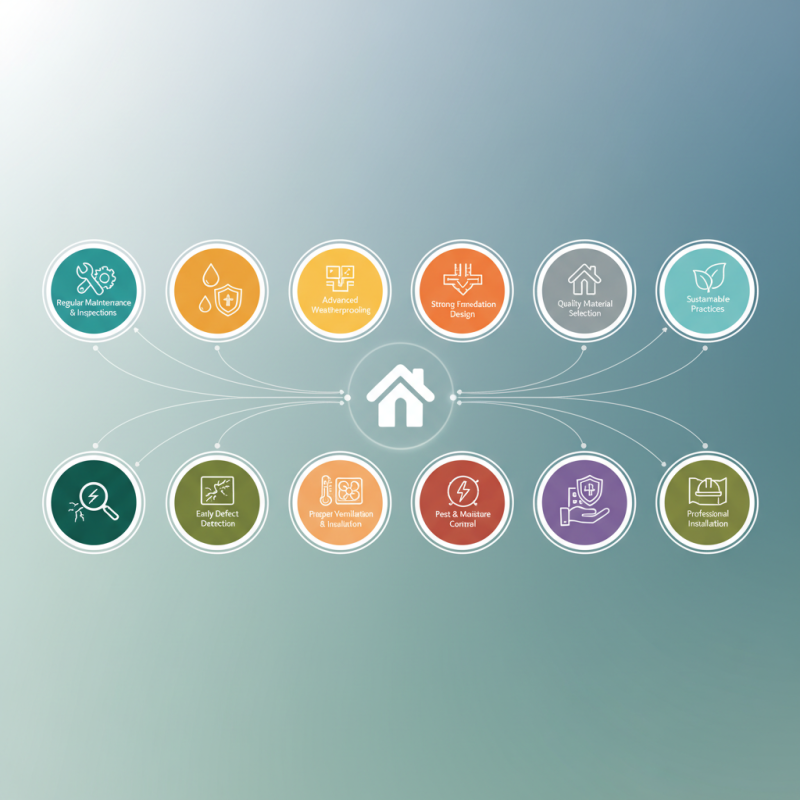
Prefabricated buildings have become a popular choice in construction, offering cost efficiency and speed. Understanding their basics is essential for maximizing their potential. These structures are built using components manufactured off-site. They are then transported and assembled on-site. According to a report by the National Institute of Standards and Technology, prefabricated buildings can reduce construction time by up to 50%. This shift can lead to significant savings and environmental benefits.
However, durability is a primary concern. The materials and assembly techniques used can impact the longevity of a prefabricated building. For instance, data from the Modular Building Institute indicates that proper insulation can improve energy efficiency by 30%. Poor insulation or exposure to extreme weather can lead to long-term structural issues. Property owners must consider these factors to extend the service life of their buildings. Regular maintenance checks are crucial. It’s a reflective process that can reveal hidden problems, ensuring the building remains safe and functional over time.
Routine maintenance is essential for extending the service life of prefabricated buildings. Regular inspections can identify minor issues before they escalate. The National Institute of Standards and Technology (NIST) states that buildings with consistent maintenance can last up to 20% longer than those without. Regular checks for rust, leaks, and structural integrity are crucial for long-term durability.
One key area of focus is waterproofing. Experts recommend inspecting seals around windows and roofs at least twice a year. Damaged seals can lead to water infiltration, resulting in mold growth and structural damage. A report from the Building Research Establishment indicates that this kind of damage can reduce a building's lifespan significantly, costing more in the long run.
Another important aspect is the upkeep of heating and cooling systems. According to the American Society of Heating, Refrigerating and Air-Conditioning Engineers (ASHRAE), poorly maintained HVAC systems can lead to energy inefficiency, increasing operational costs by up to 30%. Keeping filters clean and ensuring proper ventilation are simple yet effective ways to enhance both comfort and longevity. Neglected maintenance can diminish the aesthetic and functional qualities of a structure.
When it comes to extending the service life of prefabricated buildings, choosing durable materials is crucial. High-quality materials can withstand various environmental conditions. They also reduce long-term maintenance costs.
Consider using materials like fiber-reinforced concrete and treated wood. These options offer strength and resistance against rotting or pests. They can help in maintaining structural integrity over time. Ensure that materials have a good track record for durability in similar applications.
Regular inspections are key. Check for signs of wear, such as cracks and moisture buildup. If you notice issues early, you can save money on repairs. This proactive approach is essential for longevity. The right materials paired with timely maintenance create a formidable combination for any prefabricated building.
Prefabricated buildings offer many advantages, but maintaining their service life requires understanding environmental factors. One key consideration is site selection. Building on a stable, well-drained site minimizes issues related to water damage. However, it’s not always possible to choose the perfect location. Sometimes, these buildings are placed in less than ideal areas, which might lead to future problems.
Sustainable materials play a significant role in prolonging a prefabricated building's life. Opting for eco-friendly finishes and insulation can reduce environmental impact. On the contrary, using cheaper, harmful materials may lead to high maintenance costs over time. Proper ventilation is also crucial for managing indoor air quality. Without it, moisture buildup can cause significant damage, even in seemingly well-built structures.
Regular inspections are vital. They help identify early signs of wear and tear. Waiting too long to address issues can result in costly repairs. Additionally, adapting to changing climate conditions is essential. Buildings may experience stress from extreme weather events, which were not previously anticipated. Staying informed about local climate challenges can guide better maintenance strategies.
Upgrading technology is crucial for extending the service life of prefabricated buildings. Modern materials and techniques can significantly improve durability and efficiency. For instance, integrating advanced insulation systems can enhance energy performance. This reduces costs and environmental impact over time. Smart building technologies also allow for real-time monitoring and maintenance, which can mitigate issues before they escalate.
Digital tools can provide insights into structural integrity. Sensors embedded in key areas can detect early signs of wear. This proactive approach is essential. However, many buildings still rely on traditional methods for upkeep. This gap in technology adoption can lead to premature aging of structures. Owners must reflect on their current practices and seek innovative solutions.
Regular training for maintenance staff is also valuable. Having knowledgeable teams ensures that technology is utilized effectively. Yet, the rapid pace of tech advancement can overwhelm some workers. Continuous learning is needed to bridge this gap. Engaging with experts can facilitate this transition. Upgrading technology isn’t solely about new tools; it involves a shift in mindset toward sustainability and longevity.
| Tip Number | Tip Description | Expected Outcome | Implementation Cost |
|---|---|---|---|
| 1 | Regular Maintenance Schedule | Preventive care can reduce wear and tear. | $200/year |
| 2 | Quality Material Use | Increases durability and reduces repair costs. | Varies |
| 3 | Proper Insulation | Enhances energy efficiency and lowers utility costs. | $500 |
| 4 | Waterproofing Solutions | Prevents water damage and mold growth. | $300 |
| 5 | Use of Sustainable Materials | Reduces environmental impact and enhances longevity. | Varies |
| 6 | Effectively Manage Building Exposure | Reduces damage from the elements. | $150 |
| 7 | Implement Advanced Building Technological Upgrades | Improves efficiency and future-proofs the structure. | $2000 |
| 8 | Regular Inspections | Identifies issues early before they escalate. | $100/year |
| 9 | Train Occupants on Proper Use | Promotes responsible management and care. | $50 |
| 10 | Retrofitting for Modern Standards | Enhances safety and compliance with regulations. | $3000 |
: Routine maintenance extends the service life of structures by identifying issues early. It can increase lifespan by up to 20%.
Inspect window and roof seals at least twice a year. Damaged seals can lead to mold and structural damage.
Poorly maintained systems can reduce energy efficiency. This may increase operational costs by up to 30%.
Durable materials like fiber-reinforced concrete and treated wood are recommended. They resist rotting and pests.
Regular inspections help catch wear and cracks early. Addressing issues promptly can save money on repairs.
Building on stable, well-drained land reduces water damage risks. However, less ideal locations may create future problems.
Eco-friendly materials lessen environmental impact and reduce long-term maintenance costs. Cheaper materials can lead to higher expenses.
Proper ventilation manages indoor air quality. Poor ventilation can cause moisture buildup, leading to significant damage.
Changing climate conditions can stress buildings. Staying informed about local weather trends can enhance maintenance strategies.
Delaying repairs can lead to costly damage. Address issues early to prevent problems from escalating.
To effectively address the question of how to extend the service life of prefabricated buildings, it is essential to understand the fundamentals of their construction and maintenance. Routine maintenance practices, such as regular inspections and timely repairs, play a crucial role in preserving the integrity of these structures. Additionally, opting for durable materials during the initial construction can significantly contribute to their longevity.
Moreover, environmental considerations, including proper site selection and sustainable practices, can enhance the resilience of prefabricated buildings. Upgrading technology, such as implementing energy-efficient systems, not only improves building performance but also ensures prolonged usability. By focusing on these key aspects, property owners can ensure that their prefabricated structures remain functional and appealing for many years.
