Ruifa Modular House
In recent years, prefabricated homes have gained popularity in China. Many families are choosing them for their efficiency and modern designs. However, a common question arises: How to improve living comfort in prefabricated homes? Comfort is not just about aesthetics; it impacts overall well-being.
Creating a cozy atmosphere involves several factors. Effective insulation can regulate indoor temperatures, promoting a pleasant environment. Choosing noise-reducing materials is essential, as external sounds can disturb daily life. Additionally, proper ventilation is critical for maintaining indoor air quality. When overlooked, these aspects can lead to discomfort.
The design of furniture and layout also plays a significant role. When space is poorly utilized, it can feel cramped. Incorporating personal touches can enhance the emotional connection to the space. These adjustments may require thoughtful planning and occasional compromises. Ultimately, it’s about striking the right balance between style and functionality. Embracing these tips can transform a prefabricated home into a comfortable sanctuary.
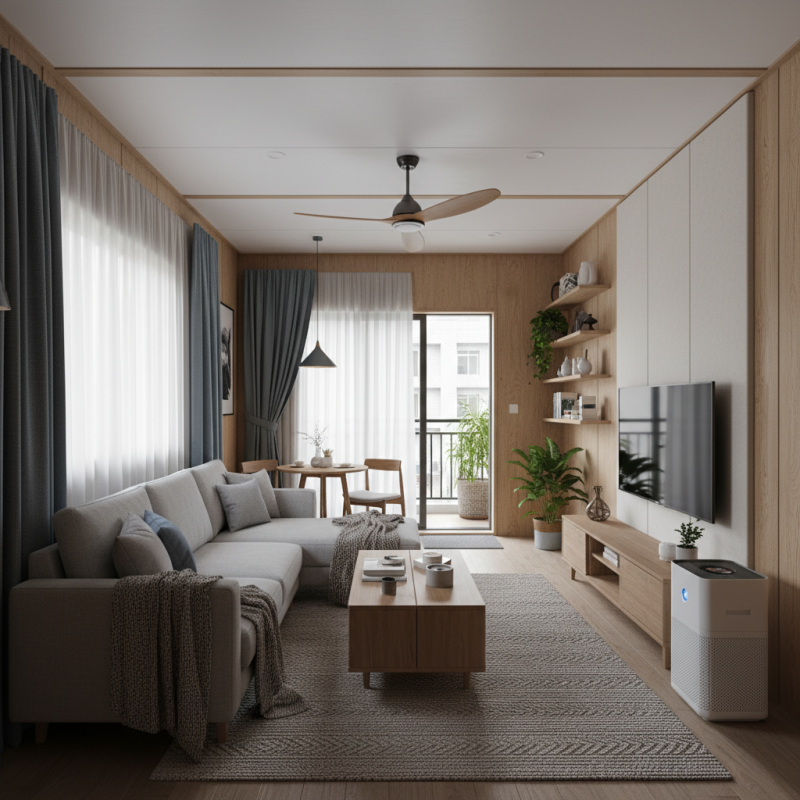
When it comes to comfort in prefabricated homes, several factors play a crucial role. One of these factors is insulation. Proper insulation keeps the interior temperature stable, enhancing overall comfort. Additionally, soundproofing materials can significantly reduce external noise, creating a peaceful living environment. Homeowners often overlook ventilation. Adequate airflow is essential to maintain fresh air and control humidity levels.
Another important aspect is lighting. Natural light boosts mood and helps in creating a warm atmosphere. Choosing the right window sizes and placements can optimize sunlight exposure. It’s also worth noting that the layout of a prefabricated home impacts its comfort level. Open spaces often feel more inviting than cramped designs.
Finally, interior finishes like paint colors and flooring can influence how cozy a space feels. Soft colors create a calming effect, while hardwood floors can add warmth. Many people find that adding personal touches can elevate comfort. However, balancing aesthetics and functionality sometimes leads to challenges. Therefore, intentional design choices are essential for enhancing comfort in these homes.
This chart illustrates the top 10 factors influencing comfort in prefabricated homes, rated on a scale of 1 to 10. The factors reflect key aspects such as thermal and acoustic insulation, air quality, and design aesthetics that directly contribute to the overall comfort in these living spaces.
Choosing the right materials for enhanced insulation is crucial in prefabricated homes. Proper insulation not only maintains a comfortable indoor temperature but also improves energy efficiency. Consider using materials like cellulose or spray foam. These options provide excellent thermal resistance. They can help reduce energy costs over time.
When selecting insulation, think about the climate. For colder areas, dense materials work best. In warmer regions, lighter options can be more effective. Reflective barriers are also beneficial in hot climates. They keep the heat out during the summer months. Always check R-values to understand insulation effectiveness.
Don't forget about air sealing. Gaps and cracks can lead to heat loss. Use caulking and weather stripping to plug these leaks. Overall, ensure your chosen materials match your specific needs. Balancing performance and cost is essential. This process often requires adjustments and careful consideration.
| Tip Number | Tip Description | Recommended Material | Insulation Value (R-Value) |
|---|---|---|---|
| 1 | Use high-density foam insulation | Closed-cell Polyurethane Foam | R-6 to R-7 |
| 2 | Install double-glazed windows | Low-E Glass | R-2 to R-3 |
| 3 | Utilize insulated concrete forms (ICFs) | Expanded Polystyrene (EPS) | R-22 to R-30 |
| 4 | Apply thermal breaks in construction | Fiberglass Reinforced Polymer | R-5 |
| 5 | Select energy-efficient siding | Vinyl with Insulation | R-3 to R-4 |
| 6 | Incorporate a radiant barrier in the attic | Reflective Foil Insulation | R-1 to R-2 |
| 7 | Use soundproof insulation in walls | Mineral Wool | R-15 |
| 8 | Implement underfloor heating systems | Radiant Heating Mats | N/A |
| 9 | Use weatherstripping on doors and windows | Foam or Vinyl Weatherstripping | N/A |
| 10 | Regularly inspect and maintain insulation | Insulation materials as per local standards | Varies |
In prefabricated homes, efficient HVAC systems play a vital role in ensuring temperature control. Installing high-quality insulation is essential. It minimizes heat loss during winter and maintains cool air in the summer. A well-insulated home saves energy resources. This leads to lower utility bills and increased comfort.
Moreover, regular maintenance of your HVAC system can make a significant difference. Clogged filters can lead to reduced efficiency. Cleaning or replacing filters every few months is a simple yet effective task. It helps maintain airflow and improves air quality. Sometimes, homeowners overlook the importance of routine inspections.
Smart thermostats are another way to enhance comfort. They allow for precise temperature adjustments based on your schedule. This not only improves comfort but also energy efficiency. However, not all users fully understand their functions. Familiarizing yourself with these systems can lead to significant long-term benefits. Adjusting settings wisely can lead to a more comfortable living space.
Smart home technology is revolutionizing prefabricated homes, offering tailored comfort and convenience.
Voice-activated systems allow homeowners to control lighting, temperature, and entertainment with simple commands.
Imagine walking into your living room, and the lights dim while your favorite playlist starts playing—all done effortlessly.
Temperature regulation is another essential aspect.
Smart thermostats learn your daily habits. They adjust heating or cooling automatically, ensuring optimal comfort year-round.
However, relying solely on technology can feel impersonal. It’s important to balance automation with personal touch.
For instance, a system that forgets your preferred temperature on a chilly morning can be frustrating.
Security features enhance peace of mind. Cameras and motion sensors provide real-time alerts to your smartphone.
Yet, over-reliance on these systems might lead to complacency. Regular checks and updates are necessary to maintain efficacy.
The integration of smart home technology can truly enhance comfort, but it requires thoughtful implementation
to ensure it remains user-friendly and responsive to individual preferences.
Designing open spaces is crucial in prefabricated homes. It maximizes airflow and brings in natural light. Large windows and high ceilings create a bright atmosphere. Open layouts allow for better ventilation, making the space feel larger. Consider using movable partitions to adjust the space as needed. This flexibility can be especially beneficial for families.
Natural light plays a vital role in enhancing comfort. Strategically placed windows can invite sunlight throughout the day. Skylights are another excellent option. They provide additional illumination and help reduce the need for artificial lighting. Incorporating plants can improve air quality. Still, it's essential to choose the right locations for plants to avoid overcrowding.
While open spaces offer many benefits, they require careful planning. A poorly designed open space can lead to drafts. Too much light may cause glare on screens. Balancing openness with functionality is key. Considering storage solutions is necessary to avoid clutter. Reflecting on these factors will help create a comfortable living environment.
: Insulation stabilizes interior temperatures, enhancing comfort significantly.
Soundproofing materials reduce external noise, creating a peaceful living environment.
Proper ventilation maintains fresh air and controls humidity levels, crucial for comfort.
Natural light boosts mood and creates a warm, inviting atmosphere inside the home.
An open layout feels more inviting compared to cramped designs, enhancing overall comfort.
Soft colors and warm flooring, like hardwood, influence the coziness factor in a home.
Efficient HVAC systems ensure ideal temperature control and enhance overall comfort.
Cleaning or replacing clogged filters helps maintain airflow and improves air quality.
Smart thermostats allow precise temperature adjustments, improving comfort and energy efficiency.
Many homeowners forget the importance of routine inspections for optimal HVAC performance.
To improve living comfort in prefabricated homes, it is essential to consider a variety of factors. First and foremost, selecting the right materials for insulation significantly influences overall comfort by maintaining consistent indoor temperatures. Efficient HVAC systems also play a crucial role in regulating temperature and ensuring optimal air quality. Furthermore, the integration of smart home technology allows residents to customize their environment, enhancing comfort through personalized controls.
Another important aspect is the design of open spaces, which can improve airflow and maximize natural light, creating a more inviting atmosphere. By strategically addressing these factors, homeowners can effectively enhance their living conditions in prefabricated homes, providing a more enjoyable and comfortable living experience.
