Ruifa Modular House Ruifa Modular House

How to Select Quality Materials for Prefabricated Buildings?

Time:2026-05-05 Author:Charlotte
0%

Selecting quality materials for prefabricated buildings is crucial in today's construction landscape. Builders often ask, "How to choose materials for high-quality prefabricated buildings?" This decision significantly impacts durability, cost, and environmental sustainability. The right materials ensure that structures meet safety standards and withstand weather challenges.

When evaluating materials, consider factors such as strength, insulation properties, and resistance to corrosion. Some materials may excel in one area but fall short in another. For example, while steel provides structural strength, it may not insulate as effectively as wood. It is essential to find a balance that meets specific project requirements.

It's vital to consult with industry experts and reference reputable sources. Many builders overlook the importance of research, leading to choices that compromise quality. Look for materials backed by certifications and proven track records. Reflecting on past projects can also guide better decisions today. A thoughtful approach to material selection can elevate the standard of prefabricated buildings, ensuring they last for years to come.
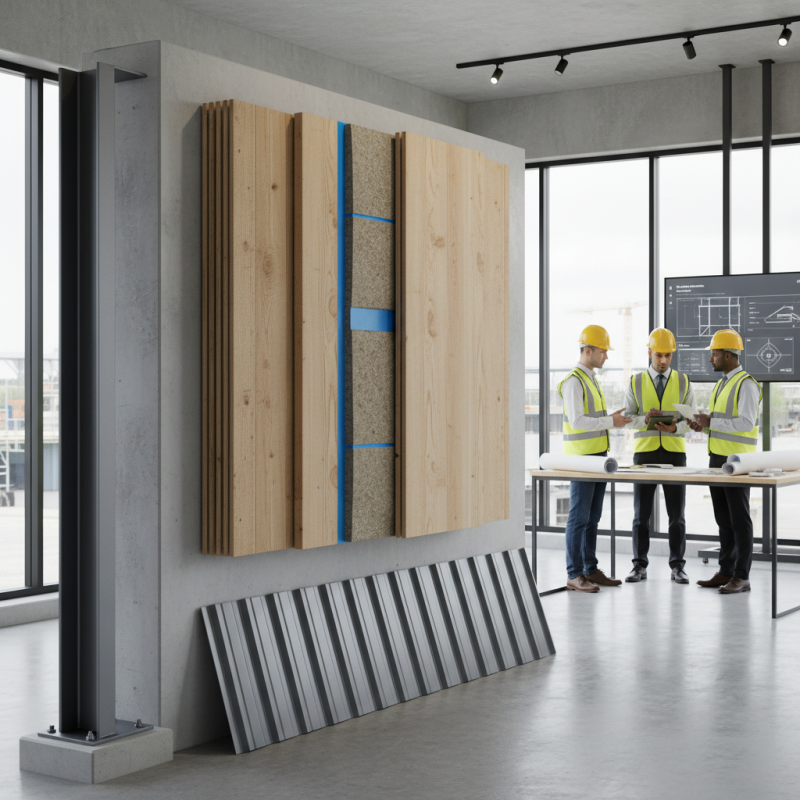
How to Select Quality Materials for Prefabricated Buildings?

Understanding the Importance of Material Quality in Prefabricated Buildings

Selecting quality materials for prefabricated buildings is crucial. The type of materials used directly impacts durability, safety, and energy efficiency. High-quality materials can withstand environmental stressors. They contribute to a longer lifespan and lower maintenance costs.

**Tips:** Always remember to check certifications. Materials should comply with industry standards. Seek advice from professionals who specialize in construction. Knowledgeable experts can help identify the best materials for specific projects.

It's not just about aesthetics; the right choice can promote sustainability too. Some materials offer better insulation, reducing energy consumption. However, finding reliable suppliers can be a challenging task. It's essential to evaluate vendor reputation and customer feedback. Engaging in thorough research can lead to better-informed decisions. Selecting materials based on performance rather than just price is critical. Quality should never be compromised for cost savings.

How to Select Quality Materials for Prefabricated Buildings?

Material Type Durability Rating Cost per Unit Thermal Insulation Sustainability Rating
Concrete 8/10 $75 Good Moderate
Steel 9/10 $120 Good Low
Wood 7/10 $50 Excellent High
Brick 8/10 $70 Good Moderate
Fiberglass 6/10 $65 Excellent Moderate

Key Factors to Consider When Selecting Materials for Prefabrication

Selecting quality materials for prefabricated buildings is crucial. You want durability, efficiency, and aesthetics. Here are key factors to consider.

One significant factor is the material's environmental impact. Sustainable materials reduce waste and lessen energy consumption. Look for products with certifications. These may indicate eco-friendly practices. This choice not only benefits the planet but can enhance building value.

Cost is another critical consideration. While cheaper materials may be tempting, they can lead to higher long-term expenses. Maintenance problems or early replacements can add up. Evaluate the lifecycle costs of various materials. Will they hold up under the local climate?

Tips:

  • Investigate local suppliers. They may offer reliable products and are more likely to understand regional needs.
  • Take time to read reviews. Customer feedback may reveal hidden issues.
  • Compare multiple options before deciding. This ensures you choose wisely, considering durability and cost.

Remember, quality materials form the backbone of a successful prefabricated building. It's essential to weigh all factors carefully. Ignoring details can result in costly mistakes. Always approach material selection with a critical eye.

Types of Materials Commonly Used in Prefabricated Construction

When selecting materials for prefabricated buildings, various types come into play. Steel is a sturdy option. It offers high strength and durability, making it a popular choice in construction. Its resistance to weathering is a significant advantage. However, procurement and pre-fabrication can be costly. It's essential to balance price with long-term benefits.

Wood is another common material. It provides aesthetic appeal and insulation. Many builders appreciate its sustainability. Yet, wood can be susceptible to pests and moisture. Regular maintenance is necessary to prevent decay. Choosing the right type of wood is crucial in avoiding these issues.

Concrete is widely used due to its versatility. Prefabricated concrete elements can expedite construction time. They are fire-resistant and can withstand harsh climates. On the downside, concrete can be heavy and may require additional structural support. Understanding these characteristics helps in making informed decisions about material selection in prefabricated construction.

Evaluating Material Performance and Durability for Long-Term Use

When selecting materials for prefabricated buildings, durability and performance are key. Evaluating these factors ensures a lasting structure. Pay attention to the environmental impact of materials. Sustainable materials often enhance durability, as they can withstand harsh conditions better.

Tips: Always test materials in real-world conditions. Rarely do manufacturers provide data that reflects actual use. Engage in discussions with industry experts who can offer insights based on experience. Their knowledge can guide you toward better choices.

Never underestimate the role of proper insulation. Materials that excel in energy efficiency contribute to longevity. Moisture-resistant features are also essential to prevent deterioration over time. The balance between aesthetics and functionality can be tricky. Resist the urge to prioritize appearance over quality.

Ask questions about sourcing practices. Materials with ethical sourcing often come with better quality assurance. Research potential suppliers thoroughly. A trusted voice in the community can help identify dependable suppliers. Building credibility in your choices is vital for long-term success in prefabricated construction.

Material Performance and Durability for Prefabricated Buildings

Regulatory Standards and Certifications for Building Materials in Prefabrication

When selecting materials for prefabricated buildings, understanding regulatory standards and certifications is crucial. These guidelines ensure that the materials used are safe and suitable for construction. The International Organization for Standardization (ISO) sets forth several relevant standards. For instance, ISO 9001 focuses on quality management systems. Adhering to these standards boosts credibility among stakeholders.

Building materials must also comply with local codes. The American Society for Testing and Materials (ASTM) provides specific requirements for performance and safety. A report by McKinsey notes that 35% of all construction costs arise from materials. Hence, using certified materials can reduce risk and improve efficiency. Inadequate attention to regulations can lead to project delays or safety violations.

Certifications such as LEED and BREEAM offer additional layers of assurance. They focus on sustainability and environmental impact. However, achieving these certifications can be challenging. Many builders overlook the importance of ongoing inspections and documentation. Proper verification can prevent future legal and financial repercussions. Investing time in understanding these frameworks pays off in the long run.

FAQS

: What materials are commonly used in prefabricated construction?

: Steel, wood, and concrete are the main materials used. Each has its advantages and disadvantages.

Why is steel a popular choice in construction?

Steel is strong and durable. It resists weathering well, but it can be costly to procure.

What are the benefits of using wood?

Wood offers aesthetic appeal and good insulation. It’s also a sustainable choice but needs regular maintenance.

What should be considered when choosing wood?

Select the right type of wood to avoid pests and moisture problems. Maintenance must not be overlooked.

Why is concrete favored in prefabricated buildings?

Concrete is versatile and fire-resistant. It can speed up construction, but it's heavy and needs support.

How can durability and performance be evaluated?

Test materials in real-world conditions. Manufacturer data is often not reflective of actual performance.

What is the role of insulation in construction?

Proper insulation enhances energy efficiency and longevity. Quality should not be sacrificed for appearance.

Why is ethical sourcing important for materials?

Ethically sourced materials often ensure better quality. It's wise to research suppliers thoroughly for reliability.

How can I balance aesthetics and functionality?

Focus on quality over looks. Sometimes, attractive materials may not perform well in the long run.

What should I discuss with industry experts?

Engage them for insights based on their experience with material performance and durability assessments.

Conclusion

Selecting quality materials for prefabricated buildings is crucial for ensuring the safety, longevity, and overall performance of the structures. Understanding the importance of material quality involves recognizing how it affects durability and the potential for energy efficiency. When determining how to choose materials for high-quality prefabricated buildings, key factors such as strength, weight, insulation properties, and environmental sustainability must be considered.

Common materials used in prefabricated construction include steel, concrete, wood, and advanced composites, each offering distinct advantages. Evaluating material performance is essential to ensure long-term use and compliance with regulatory standards and certifications, which guarantee that materials meet environmental and safety requirements. By focusing on these aspects, builders can make informed decisions that enhance the value and effectiveness of prefabricated buildings.

Charlotte

Charlotte

Charlotte is a seasoned marketing professional with a deep understanding of the company's portfolio and a passion for elevating its presence in the market. With a keen eye for detail and a commitment to excellence, she ensures that our professional blog is regularly updated with insightful articles......