 Ruifa Modular House
Ruifa Modular House
Ruifa Modular House
The rise of prefabricated houses has stirred interest in the construction industry. Many homeowners are asking, "What is the difference between traditional and prefabricated houses?" This question goes beyond mere construction methods. It delves into aspects like cost, time efficiency, and environmental impact.
Traditional houses often involve on-site building, which can be time-consuming. Weather delays and labor shortages can extend project timelines. In contrast, prefabricated houses are constructed in factories. This allows for more consistent quality and faster completion. Yet, some question the durability and character of prefabricated homes.
As individuals weigh their housing options, understanding these key differences is crucial. Each choice carries its own set of advantages and challenges. Traditional homes offer more customization. But prefabricated options provide efficiency and affordability. Exploring these distinctions helps buyers make informed decisions about their future living spaces.
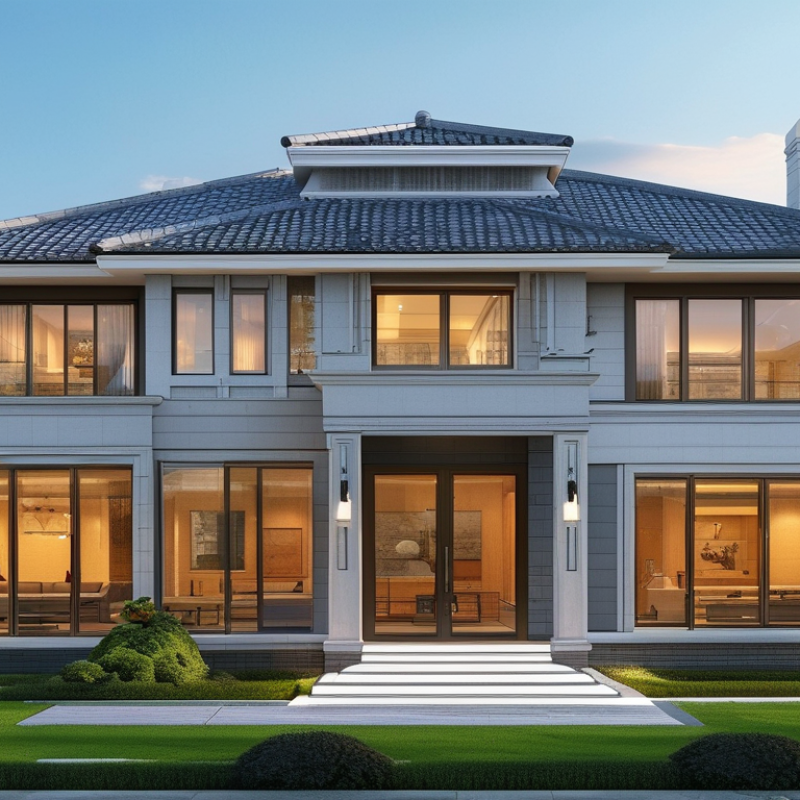
When comparing traditional and prefabricated houses, the construction methods stand out. Traditional houses are built on-site, from the ground up. This process can take a long time, often stretching into months. Craftsmen meticulously work on each aspect, ensuring every detail is just right. But this method can face delays due to weather or material shortages.
In contrast, prefabricated houses are made in factories. Components are manufactured in controlled environments, reducing construction time significantly. Once completed, parts are shipped and assembled on-site. This method promotes efficiency and can result in lower construction costs. However, it may limit customization options compared to traditional builds.
Tip: Consider your local climate when choosing a construction method. Prefabricated homes may perform better in specific regions.
Another aspect to reflect on is the long-term value of each method. Traditional homes can appreciate more in certain markets due to their unique character. Prefabricated homes may not hold their value as strongly.
Tip: Research local housing trends. Understanding your area can influence your decision between the two methods.
Ultimately, both construction styles have their pros and cons. Whether prioritizing speed or uniqueness, it’s essential to weigh what matters most to you.
: Traditional houses are built on-site, while prefabricated houses are manufactured in factories and then assembled on-site.
Building a traditional house can take months due to various factors like weather and material availability.
Yes, prefabricated homes often cost less. However, traditional homes may allow for more extensive customizations.
Homeowners can choose materials, layouts, and finishes extensively during construction, leading to unique designs.
They provide several design templates for personalization but may feel limited compared to traditional construction.
They generate up to 50% less waste and consume 50% less energy during construction, resulting in a lower carbon footprint.
Prefabricated homes may perform better in specific climates. It’s crucial to consider local conditions when deciding.
Traditional homes may appreciate more in some markets, while prefabricated homes might not hold their value as strongly.
Yes, a hybrid approach allows for custom elements while retaining efficiency, balancing personal touches and practicality.
It’s essential to evaluate must-have features, as limited choices might lead to innovative design solutions. Embrace creativity!
The article "10 Key Differences Between Traditional and Prefabricated Houses" explores the essential distinctions between these two construction methods. One major aspect is the comparison of construction methods, highlighting how traditional building relies on on-site processes, while prefabricated homes are constructed off-site and assembled on location. This leads to a significant difference in the speed of construction, with prefabrication substantially reducing building time.
Additionally, the cost analysis reveals a potential for lower expenses in prefabricated housing due to reduced labor and material waste. Customization options further differentiate the two; while traditional homes often allow for extensive personalization, prefabricated houses can offer standardized designs with some flexibility. Lastly, the environmental impact is examined, discussing the sustainability associated with both approaches, making it clear that understanding what is the difference between traditional and prefabricated houses can greatly influence one's housing decisions.
