Ruifa Modular House
The construction industry is witnessing a transformative shift with prefabricated buildings gaining significant traction. According to a report by McKinsey & Company, up to 20% of all construction could be done off-site by 2030. This method significantly reduces costs and construction time, appealing to many stakeholders. As industry leaders explore innovative solutions, a pressing question arises: What is the future development trend of prefabricated buildings?
With rising urbanization, the demand for sustainable and efficient building solutions is more paramount than ever. The Global Prefabricated Construction Market is expected to reach $215 billion by 2027, as noted by a study from Mordor Intelligence. This growth reflects a paradigm shift towards embracing modern methodologies. However, challenges remain. Issues such as regulatory hurdles and supply chain complexities continue to hinder widespread adoption.
In this evolving landscape, the potential for prefabricated buildings to contribute to sustainability and economic efficiency is enormous. Yet, stakeholders must address evolving standards and public perception. Embracing these changes requires collaboration and innovation, paving the way for a future where prefabricated buildings play a pivotal role in meeting construction needs.
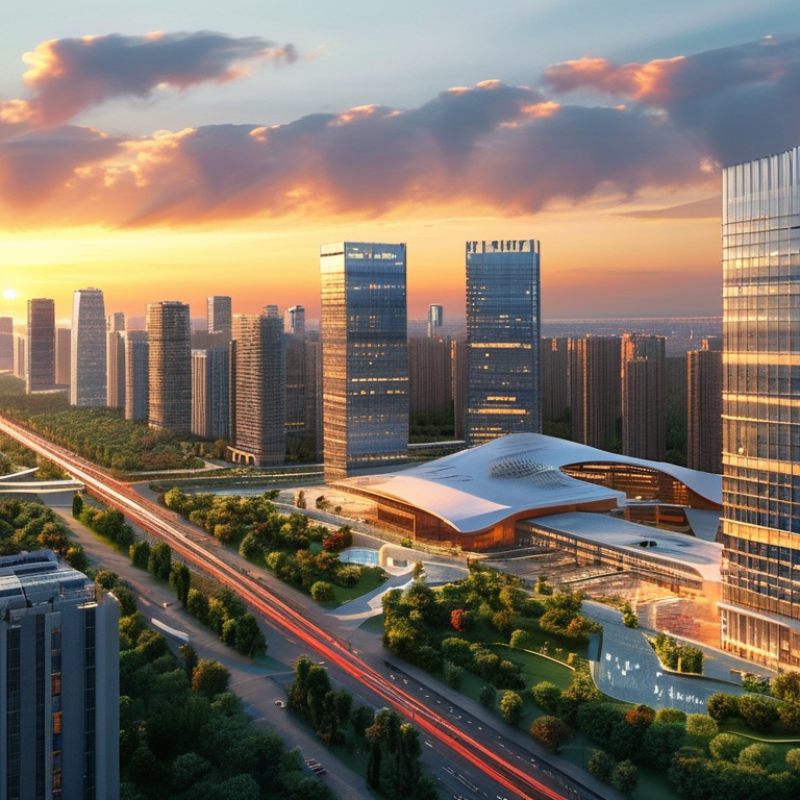
Prefabricated buildings are transforming modern construction. Over the past decade, these structures have gained popularity for their speed and efficiency. Builders can assemble components off-site, reducing time spent on construction sites. This approach minimizes waste and can lower costs. Many see it as a solution to pressing housing shortages.
Architects and designers are embracing prefabrication for its flexibility. Customization options allow for innovative designs. However, challenges remain. Skilled labor shortages can impact the quality and speed of production. Also, regulations can hinder the growth of prefabricated solutions.
Despite these hurdles, the trend continues to grow, driven by sustainability goals and the need for rapid urban development.
The future of prefabricated buildings may hold even more promise. Advancements in technology could enhance building techniques. Incorporating smart home technologies is another possibility. Yet, reflection on current practices is necessary. Learning from past errors will shape the next generation of prefabricated solutions.
A careful balance of speed and quality must be maintained to fulfill the industry's potential.
The future of prefabricated building development is closely tied to technological innovations. Advancements in 3D printing and modular construction are reshaping this industry. Companies are using automated tools to create precise building components. These innovations reduce waste and save time, leading to more efficient construction processes.
Digital tools such as Building Information Modeling (BIM) enhance design accuracy. They allow architects and builders to visualize projects in detail before actual construction begins. However, integrating these technologies isn't always seamless. Training staff on new systems can be challenging. Some firms struggle to keep up with rapid changes in technology.
Sustainability is another driving force in prefabricated building design. Many innovations focus on eco-friendly materials and energy-efficient designs. Yet, the move towards green building can raise costs initially. Balancing sustainability and budget constraints can create difficult decisions. Overall, the industry is evolving. The push for smarter, faster, and greener solutions is essential for future growth.
Sustainability has become a crucial aspect of modern building development. Prefabricated structures offer a unique opportunity to reduce environmental impact. By assembling buildings off-site, these structures can minimize waste and energy consumption. Materials are pre-cut, reducing the need for excess resources. This approach can lead to a more efficient use of natural materials.
However, challenges remain in the quest for sustainability. The production of prefabricated materials can still generate carbon emissions. Some components may not be recyclable, raising disposal concerns. The reliance on transportation can also offset environmental gains. It is essential to balance these factors as the industry evolves toward greener practices.
Innovative solutions are emerging to address these issues. New techniques in materials science are creating sustainable options for prefabrication. Additionally, the use of renewable energy in production facilities is gaining traction. These efforts aim to enhance the overall sustainability of prefabricated buildings. As the industry progresses, ongoing reflection and improvement will be necessary to ensure true environmental benefits.
Prefabricated construction has gained traction, yet it faces considerable challenges. One major issue is the perception of quality. Many people associate prefabricated buildings with lower standards. This can hinder market acceptance. Misinformation can create bias against these structures, even if they are built to high specifications.
Supply chain disruptions can pose significant limitations. Material availability often affects timelines. Projects may be delayed due to shortages or transportation issues. Furthermore, site preparation can be complicated. Each location presents unique challenges that can complicate the assembly process. This lack of flexibility may deter developers from fully embracing prefabrication.
Regulatory hurdles also must be navigated. Building codes vary widely across jurisdictions. This inconsistency can discourage builders from pursuing prefabricated methods. Additionally, public perception and acceptance remain a hurdle. Education and outreach are essential. Stakeholders must work to highlight the benefits while addressing concerns. Building trust takes time, and ongoing dialogue is crucial in this evolving industry.
The future of prefabricated building practices is promising yet complex. Emerging trends indicate a shift toward sustainability. A recent report from the McKinsey Global Institute highlights that prefab construction can reduce costs by 20% to 30%. This efficiency is crucial as the global construction market grapples with rising labor costs and material shortages.
Technological advancements also play a vital role. Building Information Modeling (BIM) systems enhance design accuracy and reduce errors. According to a study by the National Institute of Standards and Technology, using BIM can increase overall productivity by up to 40%. However, industry adoption remains uneven, with some sectors lagging behind in integrating these tools.
Collaboration is becoming essential. Stakeholders must align on objectives, yet different priorities often lead to tension. The World Economic Forum notes that fragmented communication in the construction sector reduces efficiency by 20%. Effective collaboration will be key to overcoming this challenge, paving the way for a robust future for prefabricated building development.
| Trend | Description | Projected Impact | Impact Year |
|---|---|---|---|
| Sustainability | Increased use of eco-friendly materials and energy-efficient designs. | Reduction in carbon footprint and energy costs. | 2025 |
| Technological Integration | Utilization of advanced building technologies such as AI and IoT. | Enhanced efficiency in construction and reduced waste. | 2026 |
| Modular Construction | Expansion of modular building designs for quicker project completion. | Decrease in construction time and labor costs. | 2024 |
| Customization | Increased consumer demand for customizable prefabricated options. | Higher customer satisfaction and market expansion. | 2027 |
| Urbanization | Rising urban populations promoting compact, prefabricated housing solutions. | Increase in affordable housing options in urban areas. | 2030 |
: 3D printing and modular construction are major innovations reshaping this industry.
Tools like Building Information Modeling (BIM) enhance design accuracy and visualization before construction starts.
Training staff on new systems can be difficult, and some firms struggle to adapt quickly.
Prefabricated buildings reduce waste, but initial costs for eco-friendly materials can be high.
Production can generate carbon emissions, and some materials may not be recyclable.
People often associate these structures with lower quality, affecting market acceptance.
Material shortages and transportation delays can significantly impact timelines and project completion.
Varying building codes across regions can complicate the adoption of prefabricated methods.
Education and outreach can highlight benefits and address public concerns, building trust over time.
Continuous reflection on practices and innovations is crucial to achieve true environmental benefits.
The future development trend of prefabricated buildings is poised for significant transformation as modern construction embraces innovative technologies and sustainable practices. Emerging prefabricated structures are being driven by advancements in automation, modular design, and efficient manufacturing techniques, which enhance construction speed and reduce labor costs. Additionally, the emphasis on sustainability is prompting the development of eco-friendly materials and energy-efficient solutions that minimize the environmental impact of construction.
However, challenges such as regulatory hurdles, integration with traditional building methods, and public perception still pose limitations for the widespread adoption of prefabrication. Despite these obstacles, future trends indicate a growing acceptance and refinement of prefabricated practices, potentially leading to more resilient, adaptable, and sustainable urban environments. As the industry continues to evolve, the question remains: what is the future development trend of prefabricated buildings, and how will it reshape the landscape of construction in the coming years?
