The longevity of prefabricated homes has garnered significant attention in recent years. Factors such as material quality, maintenance, and design play crucial roles. A report from the National Institute of Standards and Technology highlights that properly executed prefabricated designs can enhance durability by up to 30%. However, the question remains: What factors affect the durability of prefabricated houses?
Expert in modular construction, Dr. Emily Thompson, states, "The choice of materials and construction methods can dramatically impact the lifespan of a prefabricated home." Her insights underscore the importance of selecting high-quality materials, which can withstand environmental stresses while maintaining structural integrity.
In addition to material selection, proper installation and ongoing maintenance are vital. Weather-related damages and design flaws can lead to premature deterioration. While prefabricated homes offer many benefits, they are not immune to these challenges. Recognizing and addressing these factors can lead to longer-lasting, more sustainable housing solutions.
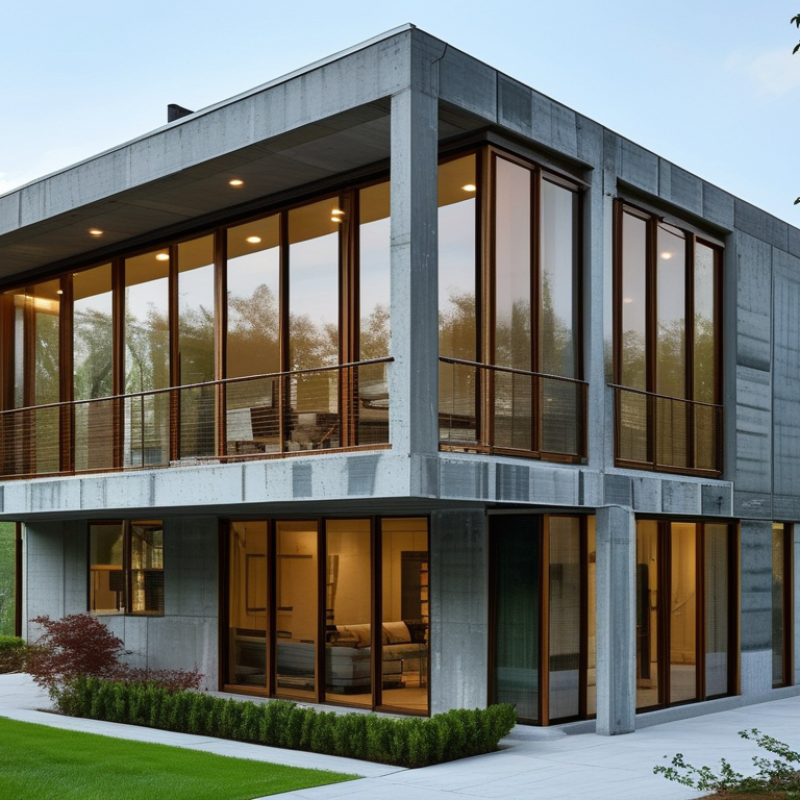
Factors Affecting Material Quality in Prefabricated Homes
The quality of materials plays a crucial role in the longevity of prefabricated homes. Different types of materials, from walls to roofs, all contribute to the structure's durability. For example, using high-quality insulation can significantly enhance energy efficiency. In contrast, subpar materials may lead to issues like moisture retention, compromising the home’s integrity.
When choosing materials, consider factors beyond aesthetics. Some materials are eco-friendly but may lack structural strength. Others might be durable but environmentally harmful. It’s essential to strike a balance. Choose materials that offer both reliability and sustainability. Seek out certifications that indicate quality standards.
Tip: Research local weather conditions. Materials that withstand specific climatic challenges can enhance longevity.
Another aspect to watch is the installation process. Even the best materials can fail if not installed correctly. This requires
skilled labor and attention to detail. Oversights in installation can lead to future repairs and costs.
Tip: Regularly inspect your prefabricated home. Early detection of wear can save you from bigger issues down the line.
Impact of Construction Techniques on Home Longevity
When considering the longevity of prefabricated homes, construction techniques play a crucial role. Quality materials and effective building methods directly impact durability. For instance, using high-grade insulation reduces wear from weather and temperature changes. Proper sealing around joints and seams prevents moisture intrusion, which can lead to structural damage over time.
Tips: Always choose builders with experience in prefabricated construction. Ask about their techniques and material sources. Verify their past projects for quality assurance.
Corner cutting in construction can lead to costly repairs. Many prefabricated homes suffer from structural issues due to poor initial assembly. It's essential to prioritize proper installation and regular maintenance. Overlooking these factors may lead to regrets down the line.
Tips: Schedule regular inspections to identify potential problems early. Invest in quality repairs rather than temporary fixes to save money long-term. Consider upgrading materials if the original ones were subpar.
Role of Climate and Environmental Conditions on Durability
The longevity of prefabricated homes is significantly affected by climate and environmental factors. Various studies indicate that geographic location plays a vital role in durability. For instance, homes in areas with extreme temperatures often experience more wear and tear. A report from the National Institute of Building Sciences notes that homes in hot, humid climates face challenges like mold and rot. As humidity rises, moisture management becomes critical to maintaining structural integrity.
Moreover, seismic and wind risks represent critical considerations in certain regions. Research conducted by the Federal Emergency Management Agency shows that homes in seismic zones require specialized engineering to withstand earthquakes. Similarly, homes in hurricane-prone areas need robust construction methods to resist high winds. While prefabricated homes can offer quick assembly and cost savings, awareness of local environmental challenges is necessary for long-lasting performance.
Environmental conditions extend beyond weather patterns. Soil stability impacts foundation longevity. The International Foundation Repair Association emphasizes that poor soil drainage can lead to foundation cracks. Understanding these risks can help homeowners make informed choices about site selection and construction practices. The interaction between design and environment must not be overlooked, as it often determines a structure's lifespan.
Maintenance Practices for Extending Life of Prefabricated Homes
Maintaining prefabricated homes is essential to ensure their longevity and durability. Regular inspections can identify minor issues before they escalate. For instance, a report by the Building Research Establishment indicates that homes with proactive maintenance can reduce repair costs by 30%. Homeowners should check for water leaks, which can lead to mold and structural damage. Addressing these promptly can save thousands in potential damage.
Another critical aspect of maintenance is ensuring proper insulation and ventilation. Studies reveal that well-insulated homes consume up to 25% less energy. Checking windows and doors for air leaks helps maintain energy efficiency. Additionally, routine cleaning of gutters prevents water buildup. Ignoring this can result in significant foundation issues, often overlooked until damage occurs.
Lastly, the exterior of a prefabricated home requires attention. Regular painting and sealing protect against weather damage. A survey from the National Association of Home Builders suggests that exterior maintenance can extend the lifespan of a home by over a decade. It’s crucial to stay vigilant. Neglecting small repairs might seem minor, but they can compound into much larger, costlier problems over time.
What Factors Influence the Longevity of Prefabricated Homes? - Maintenance Practices for Extending Life of Prefabricated Homes
| Factor |
Description |
Impact Level |
Frequency of Maintenance |
| Weather Resistance |
Materials should withstand local climate conditions. |
High |
Annually |
| Foundation Quality |
A strong foundation prevents settling and shifting. |
Very High |
Every 5 years |
| Insulation |
Proper insulation aids energy efficiency and longevity. |
Medium |
Every 3 years |
| Regular Inspections |
Scheduled checks for wear and tear can prevent major repairs. |
High |
Twice a year |
| Ventilation |
Good airflow reduces moisture buildup and mold. |
Medium |
Annually |
Economic Considerations in the Longevity of Prefabricated Housing
Economic considerations play a vital role in the longevity of prefabricated housing. The initial cost is a significant factor. These homes often present a lower price tag compared to traditional builds. However, lower upfront costs may lead to compromises in materials and construction quality. Cheaper options might not withstand weather extremes or last long-term.
Maintenance requires careful budgeting. Prefabricated homes can entail unique costs, from specialized repairs to routine upkeep. Property values can fluctuate based on perceived quality. Areas with high-quality prefabs often see increased demand, potentially boosting long-term investments. On the other hand, poorly maintained units can lead to decreased market worth.
Long-term financing options also affect housing durability. A low-interest mortgage can spread out costs and support better maintenance efforts. But, buyers must be wary of hidden fees or penalties that can arise in flexible financing plans. Economic pressures can shift priorities, impacting the decisions that influence the lifespan of these homes. Understanding these dynamics is crucial for potential buyers who aim for sustainable living.
Factors Influencing the Longevity of Prefabricated Homes
Conclusion
The longevity of prefabricated homes is significantly influenced by several key factors. First, the quality of materials used plays a crucial role; high-grade materials enhance durability and resistance to wear and tear. Additionally, the construction techniques employed affect structural integrity, determining how well a home can withstand environmental pressures over time. Climate and environmental conditions are also pivotal, as homes built in regions with extreme weather must be designed to endure such stresses to ensure lifespan.
Moreover, regular maintenance practices are essential for extending the life of prefabricated homes, as routine inspections and repairs can prevent minor issues from escalating. Lastly, economic considerations, such as initial investment and long-term care costs, impact the overall longevity of prefabricated housing. Understanding "what factors affect the durability of prefabricated houses" can guide homeowners and builders in making informed decisions to enhance their properties' lifespan and performance.
 Ruifa Modular House
