Ruifa Modular House
Choosing the right materials is critical when constructing high-quality prefabricated buildings. The quality of these materials directly impacts durability, safety, and overall performance. So, how to choose materials for high-quality prefabricated buildings? This question drives many professionals in the industry to seek guidance on essential factors.
Selecting materials involves understanding sustainability, cost, and functionality. For instance, eco-friendly materials can enhance the building's energy efficiency. However, balancing these factors can sometimes lead to difficult decisions.
An experienced builder knows that no material is perfect. Each choice has its strengths and weaknesses. Some materials may be lightweight but lack durability. Others offer high strength but come with a higher cost. This complexity emphasizes the necessity for informed decision-making. Therefore, evaluating both the advantages and disadvantages is vital for success in the prefabricated construction world.
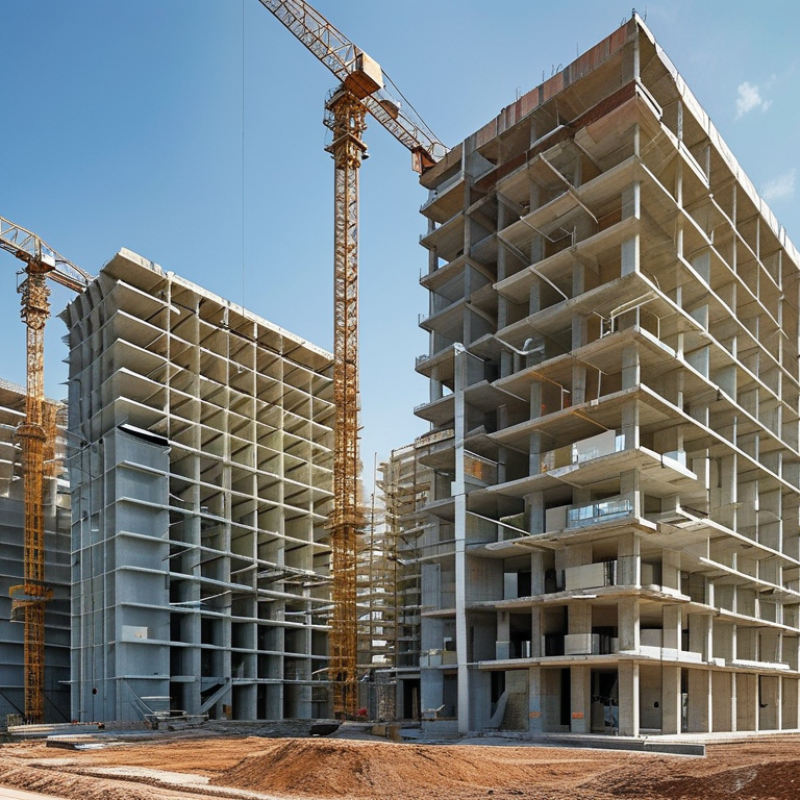
Choosing materials for prefabricated buildings is crucial for project success. Many factors influence this decision. Understanding these factors helps ensure the structure's durability and sustainability.
Construction budgets often dictate material choices. Higher quality materials usually cost more, impacting overall expenses. It's worth noting that inexpensive materials may lead to higher maintenance costs later. Seek a balance between cost and quality.
Another consideration is the environmental impact. Sustainable materials reduce waste and promote energy efficiency. Look into options like recycled or rapidly renewable materials. They can enhance your project’s sustainability profile.
Building codes and regulations also play a role. Complying with local regulations is essential to avoid delays or penalties. Assessing these factors carefully creates a more reliable and efficient prefabricated building process.
When selecting materials for prefabricated buildings, understanding their properties is crucial. Durability directly impacts the lifespan of the structure. Materials need to endure environmental stressors. For instance, metals can rust if not properly treated. Wood may warp under moisture. Thus, choosing weather-resistant materials is essential to enhance longevity.
Weight is another critical factor. Lightweight materials can facilitate easier transport and installation. However, they might compromise strength. Concrete, for example, is heavy but offers excellent compressive strength. Balancing weight with structural integrity is vital. Consideration should also be given to how materials will perform over time. Will they sag or settle? Reflecting on potential long-term challenges helps in making informed choices.
Thermal performance influences energy costs and comfort. Insulation materials must be carefully selected to optimize energy efficiency. Poor thermal conductors reduce heating and cooling needs. Take note of local climate conditions when choosing insulation types. Not all materials perform well in every environment. Understanding these nuances can lead to better decisions in your building project.
When evaluating the cost-effectiveness of prefabricated building materials, it is crucial to consider the total lifecycle costs. According to a study by the National Institute of Standards and Technology, prefabricated components can reduce construction waste by up to 30%. This efficiency can lead to significant savings in disposal costs and labor expenses. Moreover, modular designs often shorten construction timelines, further enhancing fiscal benefits.
Material selection also impacts long-term operating costs. For example, high-performance insulation materials can lower energy needs by 20%. While initial investments may be higher, these choices yield savings on utility bills over time. On the other hand, selecting low-cost materials may lead to higher maintenance costs later. This dilemma highlights the importance of a balanced approach in material evaluation.
Furthermore, market fluctuations can affect material pricing unpredictably. Data from the World Bank indicates that raw material prices can vary by 10% to 25% within months. Investors and builders must remain agile in their choices, adapting to market trends. Relying solely on initial costs may overlook future risks. Thus, a thorough analysis considering both immediate expenses and long-term effects is essential for the success of prefabricated projects.
When considering materials for prefabricated buildings, sustainability should be a top priority. Eco-friendly materials are pivotal in reducing environmental impact. For example, bamboo is a fast-growing resource that sequesters carbon efficiently. Its strength and lightweight qualities make it ideal for various applications in construction.
Recycled materials also play a crucial role in creating sustainable structures. Using recycled steel or reclaimed wood minimizes waste and promotes a circular economy. However, not all recycled materials meet the highest standards. Vigilant sourcing is essential to ensure quality and durability. It’s important to assess the lifecycle of these materials, considering their production, use, and end-of-life impacts.
Additionally, consider the energy efficiency of the materials chosen. Insulation plays a significant part in energy conservation. Opting for high-performance, eco-friendly insulation can drastically cut energy costs. Many sustainable options also enhance indoor air quality, a vital aspect often overlooked. Selecting the right materials requires balancing sustainability with practicality. Despite the push for eco-friendly options, drawbacks can exist, such as higher upfront costs. Reflecting on these challenges is crucial for making informed decisions.
When selecting materials for prefabricated buildings, compliance with building codes and standards is crucial. According to the International Code Council (ICC), approximately 80% of construction defects stem from poor material choices. Understanding these codes ensures safety, durability, and performance. Each locality has specific regulations. It is vital to consult local guidelines to avoid potential legal issues.
Material selection impacts energy efficiency. The U.S. Department of Energy reports that appropriate insulation materials can reduce energy costs by 30%. When choosing materials, consider their thermal performance. Using certified materials verifies compliance with environmental standards. This can enhance the building's sustainability and reduce its carbon footprint.
There are also different material testing standards, like ASTM and ISO. Compliance with these standards is non-negotiable. Testing ensures that materials can withstand various stresses, from weather extremes to structural loads. Failing to comply can lead to catastrophic failures. It is necessary to reflect on previous projects where overlooked standards resulted in costly renovations. Balancing aesthetic preferences with regulatory needs is a constant challenge in the industry.
: Durability affects the lifespan of a structure. Materials must withstand environmental stressors over time.
Lightweight materials ease transport, but may not provide strength. Heavy materials like concrete offer structural integrity.
Choose insulation that optimizes energy efficiency. Poor thermal conductors increase heating and cooling costs.
Lifecycle costs provide a comprehensive view beyond initial prices. This helps avoid higher maintenance expenses later.
Eco-friendly materials reduce environmental impact. Bamboo and recycled options are strong choices but require careful sourcing.
Not all recycled materials are high quality. It's crucial to verify durability and performance before use.
When considering how to choose materials for high-quality prefabricated buildings, several key factors come into play. Understanding the properties of materials such as durability, weight, and thermal performance is crucial, as these characteristics significantly impact the overall quality and longevity of the structure. Additionally, evaluating the cost-effectiveness of these materials ensures that the project remains within budget while maintaining high standards.
Sustainability is another vital consideration, with a growing emphasis on eco-friendly materials in the construction industry. Compliance with building codes and standards further guides the selection process, ensuring that safety and regulatory requirements are met. By taking these factors into account, stakeholders can make informed decisions that enhance the efficiency and sustainability of prefabricated construction projects.
