Ruifa Modular House
In the rapidly growing industry of prefabricated structures, understanding how to reduce maintenance cost of prefabricated structures is crucial for business sustainability. These structures offer numerous benefits, including reduced construction time and enhanced quality. However, overlooking maintenance costs can lead to financial strain over time.
Efficient management and planning play significant roles in minimizing these costs. Regular inspections and timely repairs can prevent minor issues from escalating. Moreover, selecting durable materials can significantly extend the lifespan of prefabricated buildings. Innovative technologies also contribute to more effective maintenance strategies.
Ultimately, knowing how to effectively lower maintenance costs can distinguish successful prefab businesses. Investing effort in maintenance planning isn't always straightforward. Each choice made can influence long-term efficiency and overall expenses. The challenge lies in finding the right balance between initial savings and future upkeep.
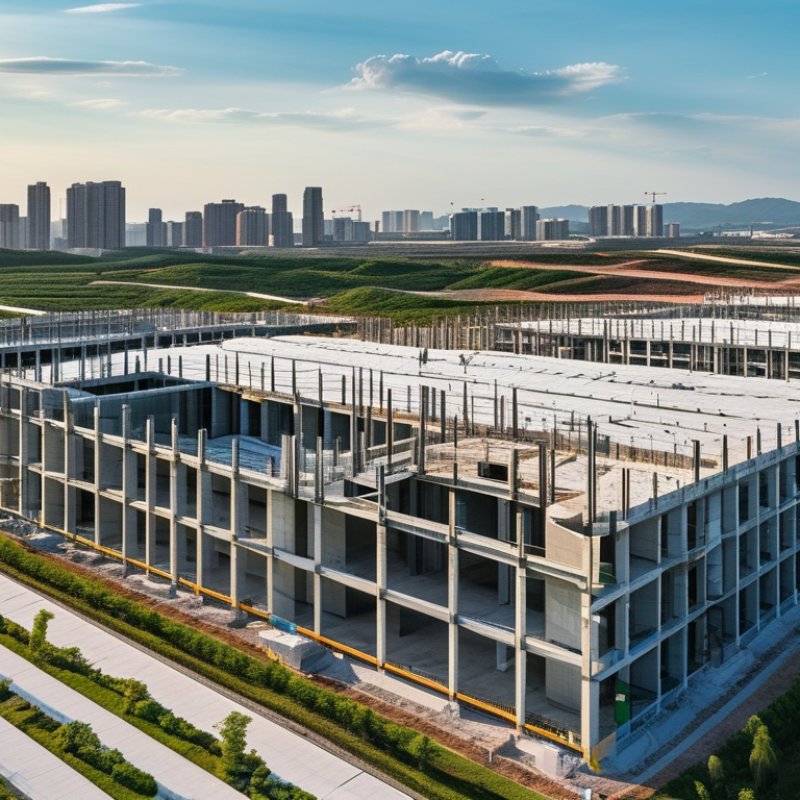
Maintenance plays a crucial role in ensuring the longevity of prefab structures. Often, it is an overlooked aspect. However, regular upkeep can prevent costly repairs later. Inspecting roofs, walls, and utilities should be routine. Minor issues can escalate into major problems if neglected. A simple crack may seem insignificant but can lead to severe structural damage.
Understanding the specific maintenance needs of prefab buildings is essential. Different materials may require unique care. For instance, wood treatments differ from metal preservation methods. Familiarity with these details enhances the structure's durability. Engaging skilled professionals for maintenance tasks ensures quality work. Trustworthy contractors also provide insights into potential issues, fostering proactive management.
Regular documentation of maintenance activities creates a useful history. Tracking repairs and inspections helps identify trends. This data-driven approach allows for informed decisions about future actions. Acknowledging that maintenance is not a one-time task emphasizes its ongoing nature. Over time, the investment in maintenance pays off, reducing unexpected costs significantly.
Identifying common maintenance issues in prefab construction is crucial for cost management. Studies show that about 30% of maintenance costs stem from preventable issues. Typical problems include water leaks, structural integrity concerns, and insulation failures. These issues can lead to extensive damage if not addressed early.
Water leaks often arise from poor sealing around windows and doors. In a recent survey, 45% of respondents reported water intrusion as a significant issue. Structural concerns are frequently linked to improper installation or material fatigue. Maintenance teams should conduct regular inspections to catch these problems before they escalate.
Insulation failures can result in wasted energy and high utility bills. Approximately 20% of prefab structures suffer from inadequate insulation performance. This leads to uncomfortable indoor environments and increased heating or cooling costs. Careful planning and preventive measures are key. Investing in quality materials and proper installation practices can mitigate these maintenance concerns. Regular maintenance check-ups are essential to maintaining the integrity of prefab structures while focusing on long-term cost efficiency.
Selecting durable materials is crucial in prefab design. The right choices can significantly reduce long-term maintenance costs. According to a 2023 report by the American Institute of Architects, about 30% of building maintenance costs stem from poor material selection. Investing in quality materials up front can lead to savings down the road.
Consider the environmental impact when choosing materials. Sustainable options often promote longevity. For instance, engineered wood products show strength and resistance to moisture. A study published in the Journal of Construction and Building Materials found that buildings with durable finishes can last 20% longer than those without. This durability translates into fewer repairs and replacements.
Consulting with professionals for material selection adds value, but not every choice is straightforward. What works well in one climate might falter in another. Regular assessments of material performance over time help to identify issues early. Keeping a flexible approach ensures that material selections evolve alongside emerging technologies and environmental standards. Remember, balancing durability with initial costs requires careful planning.
Regular inspections are crucial for maintaining prefab structures. They help identify issues before they escalate. Scheduled checks can reveal small cracks or rust, saving costs in the long run. Missing a problem can lead to costly repairs down the line. Inspecting roofs, windows, and foundations is essential. A trained eye can spot trouble signs early.
Preventive maintenance plans play an important role too. They establish a routine for upkeep, ensuring that all components function well. These plans can include cleaning gutters or checking seals. Relying solely on reactive maintenance can prove expensive. Maintenance schedules can help streamline operations. However, not every plan fits every structure. Tailoring the approach ensures effectiveness.
Documenting inspections and maintenance actions is necessary for accountability. Tracking history allows for better decision-making in the future. Regular reporting can highlight patterns that need addressing. These records serve as reference points for future inspections. Balancing thoroughness with efficiency can be challenging. It requires ongoing reflection and adjustments. Adapting processes as new materials and techniques emerge is vital for long-term success.
Maintaining prefab homes efficiently requires a smart approach to technology. Advanced maintenance management software can streamline tasks. These systems offer real-time data on the condition of various components. Regular updates and alerts can prevent minor issues from turning into costly repairs. For instance, tracking HVAC performance through sensors can significantly reduce energy costs.
Implementing predictive maintenance is another critical strategy. By analyzing usage patterns and environmental factors, property managers can identify potential failures before they occur. This proactive approach saves money and time. However, many find it challenging to adapt to this technology. Training staff and integrating new systems can feel overwhelming for some.
Embracing cloud-based solutions enhances collaboration among team members. These platforms facilitate easy communication and data sharing. As teams become more connected, maintenance tasks can be executed with greater precision. Yet, it's essential to remain flexible; not all solutions work perfectly for every structure. Regularly assessing the chosen technology and its effectiveness is vital for ongoing success.
: Maintenance ensures the longevity of prefab structures. Regular upkeep prevents costly repairs later.
Inspect roofs, walls, and utilities routinely. Minor issues can become significant problems if ignored.
Choosing durable materials reduces maintenance costs. Poor selections can lead to increased expenses down the road.
Skilled professionals ensure quality maintenance. They also provide insights into potential future issues.
Regular inspections should be scheduled. This helps reveal small issues before they escalate into major repairs.
Preventive maintenance establishes a routine for upkeep. It includes tasks like cleaning gutters and checking seals.
Document all inspections and maintenance actions. This creates a useful history for future decision-making.
Ignored maintenance can lead to costly repairs. A small crack may result in severe structural damage over time.
Yes, planning is required to balance durability with initial costs. Flexibility in choices is essential as standards evolve.
Yes, different materials require unique maintenance approaches. Understanding this can enhance the structure's durability.
Maintenance plays a crucial role in the longevity and efficiency of prefabricated structures. To effectively lower maintenance costs for these buildings, it is essential to first understand the common maintenance issues that arise from prefabricated construction. Identifying and addressing these issues early can prevent costly repairs in the future.
One of the key strategies includes selecting durable materials during the design phase, which can significantly reduce the need for frequent replacements. Additionally, implementing regular inspections and preventive maintenance plans ensures that small problems are caught before they escalate. Furthermore, adopting technology can streamline maintenance management, making it easier to track and resolve issues promptly. By focusing on these strategies, stakeholders can successfully learn how to reduce maintenance cost of prefabricated structures, ultimately leading to enhanced efficiency and reduced overall expenses.
