Ruifa Modular House Ruifa Modular House

Why You Should Design Prefabricated Houses for Labor Camps?

Time:2026-07-03 Author:Sophia
0%

The design of prefabricated houses for labor camps offers practical solutions for temporary housing needs. How to design prefabricated houses for labor camps and sites effectively involves understanding both functionality and comfort. These homes must cater to diverse workers while adhering to budget constraints.

Consider materials for durability and rapid assembly. Think about creating layouts that maximize space. However, one must remain cautious of sacrificing quality for speed. The environment should foster community yet provide privacy for individuals.

Striking a balance between cost, safety, and worker well-being is challenging. Engaging with stakeholders and experts can guide the design process. Ultimately, continuous feedback is necessary to refine these living spaces. With the right approach, prefabricated houses can transform labor camps from mere shelters into supportive environments.
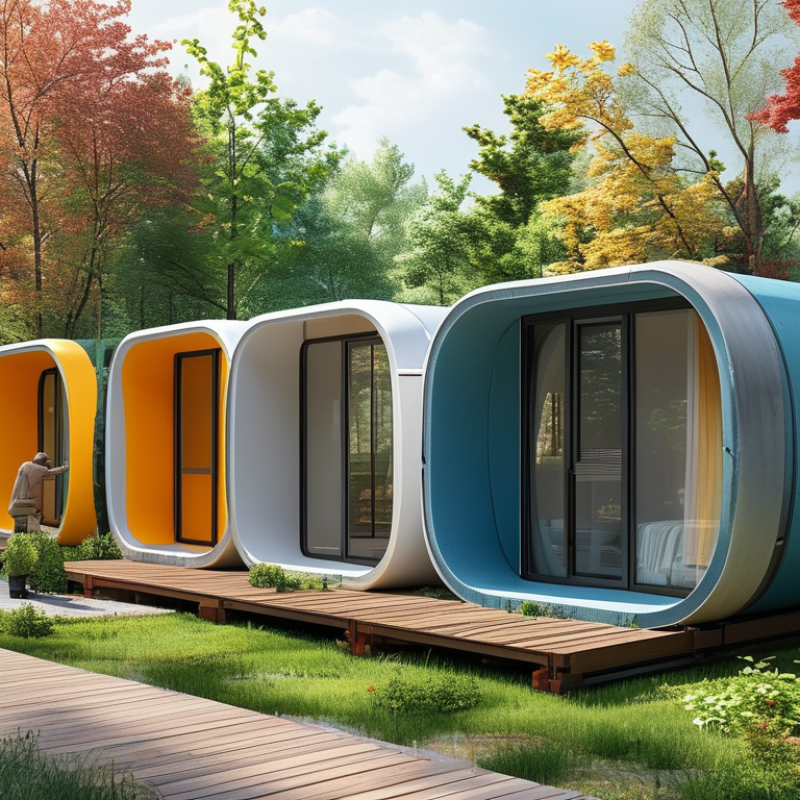
Why You Should Design Prefabricated Houses for Labor Camps?

Benefits of Prefabricated Houses for Labor Camps

Prefabricated houses offer numerous advantages for labor camps. These structures are designed for quick assembly, reducing construction time significantly. A labor camp can be set up efficiently, providing essential housing for workers. The modular design allows for flexibility in layout, catering to various needs and preferences.

One major benefit is cost efficiency. Prefabricated houses often require fewer materials. This can lead to lower expenses, making them an attractive option for project managers. Additionally, they require less labor for assembly. This not only saves money but also accelerates the process, enabling workers to settle in sooner.

Tip: Focus on sustainability when choosing materials. Eco-friendly options reduce environmental impact and appeal to socially responsible stakeholders.

Comfort and safety are crucial for labor camps. Prefabricated houses can be equipped with proper insulation and ventilation. This promotes a healthier living environment for workers. However, it’s essential to ensure quality craftsmanship. Poorly constructed units can lead to issues down the line. This consideration demands attention to detail during production.

Tip: Regularly assess and maintain these structures to ensure safety and comfort. Address potential issues before they become significant problems.

Benefits of Prefabricated Houses for Labor Camps

Key Design Considerations for Prefabricated Labor Camp Housing

Designing prefabricated houses for labor camps requires careful consideration. The primary focus should be ensuring comfort and safety for workers. Adequate space is essential. Each unit should provide enough room for residents to live without feeling cramped. Privacy also matters. Strategic layout can foster a sense of personal space even in compact designs.

Materials play a vital role in the construction of these houses. They must be durable yet lightweight—able to withstand wear and tear. Eco-friendly options can also be considered, aligning with sustainable design principles. Furthermore, insulation is necessary for temperature control. This helps create a more livable environment in varying climates.

Accessibility is important too. Paths should be clear and facilitate easy movement among units. Amenities like communal areas can enhance community feeling. However, securing these spaces presents challenges. Balancing privacy with social interaction requires thoughtful planning. Continuous feedback from residents can improve the design process. It’s about creating a space where dignity and comfort coexist, even in transient living conditions.

Sustainability Aspects of Prefabricated Housing in Labor Camps

Prefabricated houses offer a sustainable solution for labor camps. Their design minimizes waste and reduces construction time. By using modular components, these houses can be assembled quickly, making them ideal for urgent needs. The materials can often be sourced locally, supporting local economies and decreasing transportation emissions. Such an approach not only cuts costs but also ensures that housing is available faster than traditional methods.

Creating a functional and pleasant living environment is crucial for workers' well-being. Prefabricated homes can incorporate energy-efficient features like solar panels and proper insulation. Each unit contributes to a lower carbon footprint. It's important to choose materials that are durable and recyclable. This decision plays a significant role in ensuring the long-term sustainability of labor camps.

Tips: Consider the layout carefully. Create shared spaces to foster community. Make sure the design allows for flexibility and future changes. Sustainability isn't just about materials; it's also about the overall impact on workers’ lives. Encourage feedback from residents to improve designs continually. Small adjustments can lead to significant positive changes over time.

Cost-Effectiveness of Prefabricated Houses in Worker Accommodations

Prefabricated houses offer a dynamic solution for labor camps. Their cost-effectiveness stands out, making them an attractive option for worker accommodations. These structures can be assembled quickly, which saves time and money. Labor hours are reduced significantly since the buildings are pre-manufactured off-site. Once they arrive, workers can set them up in a days. This efficiency aids project timelines.

Tips: Choose modular designs. They adapt well to various site conditions. Consider local climates when designing. Real-time feedback from workers can enhance living conditions. However, you might encounter challenges in regulatory approvals. Anticipate these hurdles to ensure timely installations.

Another benefit is the reduced waste. Prefabricated houses use materials more efficiently. This results in lower disposal costs and environmental impact. However, quality control is essential. Mistakes in manufacturing can lead to costly repairs later. Carefully vet your suppliers to mitigate risks. Emphasizing quality will resonate with both workers and management.

Enhancing Worker Well-being through Thoughtful Prefabricated Designs

Designing prefabricated houses for labor camps can significantly enhance worker well-being. These modular homes offer efficient construction with minimal environmental impact. They can be tailored to meet the specific needs of workers, providing a comfortable living environment. Ideally, these designs prioritize natural light, ventilation, and communal spaces that promote social interaction.

Thoughtful design elements can improve mental health. Incorporating green spaces or recreational areas encourages physical activity and relaxation. However, it is crucial to avoid generic solutions. Each labor camp has unique challenges. The local culture and climate must influence design choices. Workers’ feedback is vital in creating spaces that truly support their needs.

While prefabricated houses can improve living conditions, issues remain. The quality of materials can vary. Monitoring the construction process is essential to ensure safety and durability. Not all designs will work for every location. Continuous evaluation and adaptation are necessary for successful outcomes. Engaging with workers during the design phase can uncover valuable insights for improvement.

FAQS

: What are the main benefits of prefabricated houses for labor camps?

: They provide quick assembly, cost efficiency, and flexible designs, meeting workers' needs effectively.

How do prefabricated houses save costs?

They require fewer materials and less labor, lowering expenses and speeding up the construction process.

Why is sustainability important when choosing materials?

Eco-friendly materials reduce environmental impact and resonate with socially responsible values.

What should be prioritized when designing prefabricated housing?

Comfort and safety are crucial for workers' living conditions, promoting a healthier environment.

How can issues with prefabricated houses be prevented?

Regular assessments and maintenance are necessary to address potential problems before they worsen.

What design considerations should be made for space and privacy?

Adequate space and strategic layouts should ensure personal space while preventing a cramped feeling.

What role do materials play in the effectiveness of housing?

They must be durable and lightweight, with insulation necessary for temperature control in various climates.

How can communal areas affect labor camp housing?

They enhance community feeling but require careful planning to balance privacy and social interaction.

What is a challenge in the design of prefabricated housing?

Securing communal spaces while considering residents' privacy needs is a complex issue to navigate.

Why is continuous feedback important in the design process?

It helps improve designs to create spaces that respect dignity and comfort in transient living situations.

Conclusion

Prefabricated houses offer numerous benefits for labor camps, including efficient construction, reduced costs, and improved living conditions for workers. When considering how to design prefabricated houses for labor camps and sites, key design elements must be prioritized, such as space optimization, ventilation, and accessibility. Sustainability is also a critical aspect, as using eco-friendly materials and energy-efficient systems can significantly reduce the environmental impact of these housing solutions.

Moreover, cost-effectiveness plays a vital role; prefabricated buildings can be produced at lower costs and in less time compared to traditional construction methods. Enhancing worker well-being through thoughtful, well-designed living spaces contributes to better morale and productivity. By addressing these considerations, stakeholders can create functional, sustainable, and comfortable accommodations for workers in labor camps.

Sophia

Sophia

Sophia is a dedicated marketing professional with an exceptional depth of knowledge about her company's products and services. With a keen understanding of market trends and customer needs, she crafts insightful blog posts that not only inform but also engage readers, enriching the company’s online......