 Ruifa Modular House
Ruifa Modular House
Ruifa Modular House
In today's rapidly changing world, the demand for unique housing solutions grows. Customizable prefabricated houses stand out as a viable option. They provide flexibility to meet diverse needs. According to industry expert Emily Carter, “Customizing prefabricated homes allows for personal expression and practical living.”
Exploring how to customize prefabricated houses for specific needs is crucial. Homeowners can adapt designs to fit their lifestyles. Choices range from floor plans to energy-efficient solutions. Unique preferences can be integrated, from eco-friendly materials to innovative layout options. Each decision allows for a deeper connection to the living space. However, some homeowners overlook critical aspects like local zoning laws or budget constraints. These factors can lead to challenges down the line.
Understanding what customization options are available is vital. Consultation with architects or builders can guide you through the process. Each choice should reflect personal priorities. Ultimately, the goal is to create a comfortable and functional home tailored to your lifestyle. Custom prefab homes also require careful consideration and planning to ensure they meet both needs and regulations.
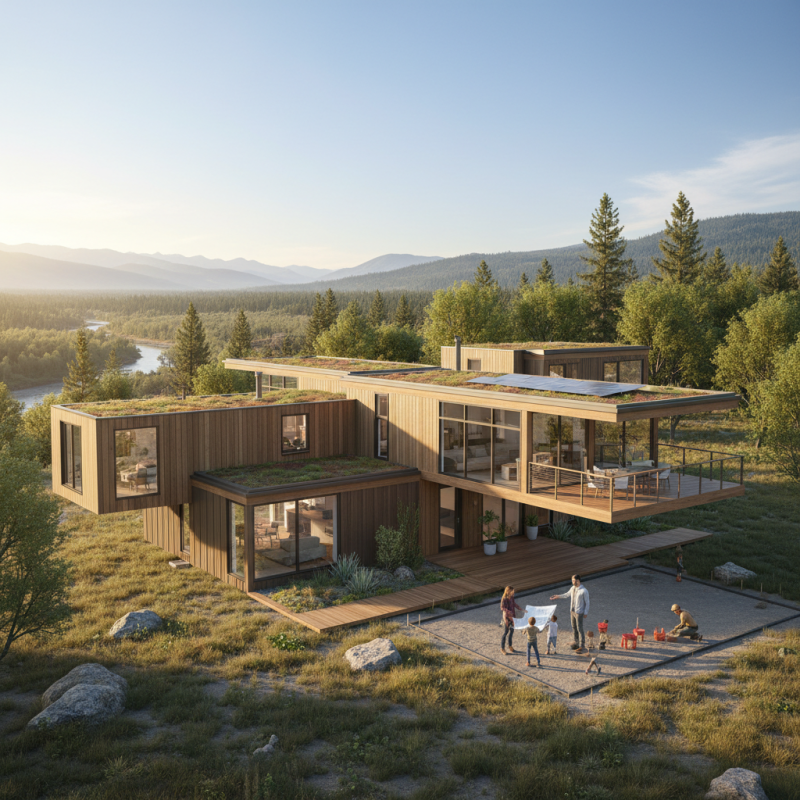
Prefabricated houses offer a unique approach to modern living. They are built off-site and assembled on your property, allowing for personalized finishes and layouts. Understanding the customization options is crucial. Homeowners can tailor aspects like floor plans, interior features, and even exterior styles to suit their preferences.
When considering customization, think about your lifestyle. Do you need an open concept or distinct rooms? Each choice impacts how you use your space daily. One tip is to visit prefabrication exhibitions or showrooms. Seeing various styles and configurations can spark ideas.
Another important consideration is energy efficiency. Opt for materials and designs that enhance insulation. This not only reduces environmental impact but lowers utility bills. Start by identifying your priorities. Reflect on what truly matters to you in a living space. Customizing your prefabricated house is not just a design decision; it’s about creating a home that feels right for you.
: Think about your current and future lifestyle needs. Consider family size and how habits might change.
Open floor plans create a sense of community and allow for flexible use of space. This caters to diverse activities.
Large windows and skylights increase natural light. This enhances your mood and makes spaces feel inviting.
Set a clear budget from the start. Prioritize essential features over non-essentials to avoid overspending.
Yes, you may encounter site preparation, permits, and utility hookups. These can add significant expenses.
Seek expert opinions or fresh perspectives. Sketching and revisiting ideas often leads to better decision-making.
Custom cabinets and hidden spaces can keep your home organized. They maximize functionality without clutter.
Yes, using sustainable materials can lower utility costs and benefit the environment. It’s a worthwhile investment.
Embracing imperfections can lead to unexpected insights. They may inspire unique solutions during the design process.
Definitely. Keeping clear communication helps manage expectations and can prevent delays in the customization process.
In today's dynamic housing market, understanding how to customize prefabricated houses for specific needs is essential for potential homeowners. Prefabricated houses offer streamlined construction and flexibility, allowing individuals to tailor their homes to unique requirements. Key factors to consider during customization include location, personal preferences, and lifestyle needs, ensuring that the final design reflects the homeowner's vision.
Popular customization features for prefabricated homes often encompass layout modifications, energy-efficient systems, and personalized finishes. To effectively personalize a prefabricated house, buyers should follow a structured approach—starting with design planning, followed by selecting features that resonate with their lifestyle. Budgeting for these customizations is crucial, as it involves assessing costs while balancing desired upgrades with financial constraints. Proper planning can lead to creating a comfortable and functional living space that meets individual needs.
