Ruifa Modular House
Choosing the right prefabricated buildings for remote areas can be challenging. Industry reports show that the global market for prefabricated structures is projected to reach $157 billion by 2025. This growth highlights the increasing reliance on these buildings in isolated regions, where traditional construction may not be feasible.
Expert Mark Johnson has emphasized the importance of understanding specific needs when he stated, "Selecting prefabricated buildings for remote areas requires careful consideration of site conditions and logistics." His insights encourage decision-makers to assess factors such as transport accessibility, environmental impact, and local infrastructure.
The complexity of remote building projects often raises questions. What materials are most suitable? How will the structure withstand local weather challenges? These considerations are vital in ensuring long-term functionality. Addressing them can significantly impact outcome effectiveness and sustainability.
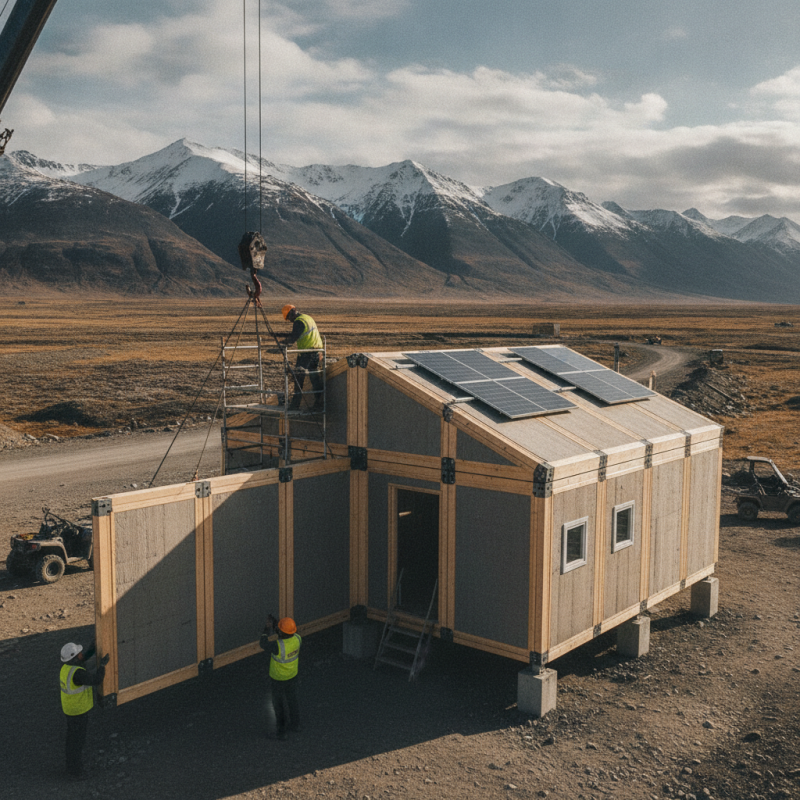
Prefabricated buildings are transforming construction in remote locations. They offer a unique solution to logistical challenges. According to a report by the McKinsey Global Institute, prefabrication can reduce overall project timelines by up to 50%. This is crucial when accessibility is limited.
These structures are built from factory-made components. This allows for better quality control and reduces the need for skilled labor on site. In remote areas, sourcing experienced workers can be difficult. A study by the National Institute of Building Sciences highlighted that prefabrication minimizes labor costs by up to 20%. However, not all prefabricated designs are suitable for every environment. Factors such as climate and local regulations must be understood thoroughly.
Financial considerations are also significant. Prefabricated buildings can be more cost-effective but initial investments might still be high. It's essential to weigh the long-term benefits against upfront costs. Investing in sustainable materials can lead to operational savings over time. However, it’s worth noting that not every supplier guarantees eco-friendly options. Always verify sustainability claims before making decisions.
This chart compares the average cost of various prefabricated building types suitable for remote locations. Modular homes tend to be the most expensive option, while prefabricated kits offer a more affordable alternative.
Choosing prefabricated buildings for remote locations involves careful consideration of various unique needs. These projects often face significant challenges, including transportation issues and harsh environmental conditions. According to a report by the National Institute of Building Sciences, 30% of construction delays in remote areas stem from logistical complications. Understanding these factors can help in making informed choices about building types and materials.
Site assessments are crucial. Evaluation of local climate, soil stability, and access routes can impact building design. For instance, structures in areas prone to heavy snowfall require reinforced roofs. A survey indicates that 75% of remote construction projects encounter unforeseen climate challenges. This statistic highlights the need for strategic planning based on specific geographical contexts.
Adapting designs to accommodate local utilities is often overlooked. Remote sites may lack consistent access to water and electricity. Reports show that buildings designed with self-sustainability in mind perform better. They reduce dependency on external sources. However, developing such systems might increase initial costs, leading to dilemmas in budget management. Awareness of these dynamics is vital for successful project implementation.
When considering prefabricated buildings for remote locations, evaluating site conditions is crucial. According to the National Institute of Standards and Technology, about 25% of construction delays stem from inadequate site evaluations. Factors like soil composition and topography affect not only the stability of the structure but also the ease of assembly.
Accessibility cannot be overlooked. A 2022 report from the Construction Industry Institute noted that 30% of projects in remote areas exceed budgets due to transportation issues. Road conditions must support heavy machinery and material transport. Poor access can lead to higher costs and project delays. Assessing proximity to infrastructure, like roads and utilities, is essential for smooth project flow.
Lastly, weather conditions contribute to site viability. In regions with frequent adverse weather, prefabricated structures must be adaptable. Research shows that buildings designed for specific climates utilize resources more efficiently. By carefully examining these aspects beforehand, potential challenges can be better managed. Addressing site conditions and accessibility upfront brings greater likelihood of project success.
When selecting materials for prefabricated buildings in remote locations, it’s crucial to consider the environment. Harsh climates can lead to significant structural challenges. For example, research shows that over 70% of prefabricated buildings in extreme weather conditions face issues like thermal expansion and moisture infiltration. Choosing the right materials can mitigate these risks.
Steel and insulated panels are popular choices. They provide strength and durability. However, it’s essential to ensure they are treated for rust and corrosion. A study by the International Journal of Construction Management found that unprotected steel can lose up to 40% of its strength after just five years in a salty marine environment. Always inspect your materials for durability and reliability.
Tip: Consider composite materials for better thermal performance. They often outperform traditional materials in energy efficiency. Equipped with thermal insulation, they can stabilize internal temperatures, making them suitable for both extreme heat and cold.
Tip: Don’t overlook local resources. Using materials sourced from nearby can reduce transportation costs. It also minimizes the building's carbon footprint, a factor increasingly valued in sustainable construction. Strive to fulfill both design and environmental needs.
When budgeting for prefabricated buildings in remote locations, several financial considerations come into play. Due to accessibility issues, costs can vary significantly. A study by the National Association of Home Builders highlights that transportation can add as much as 20% to the overall cost. Evaluating logistics is essential to accurately estimate expenses.
Site preparation is another critical financial factor. Depending on the terrain, site work can range from $5,000 to over $50,000. Contractors may need specialized equipment for remote areas, increasing labor costs. It’s necessary to factor in these variables when planning a project. Also, hidden costs can arise from unforeseen site conditions, impacting the initial budget.
Financing options are equally crucial. Many lenders view remote building projects as higher risk. As a result, interest rates may be higher. The U.S. Small Business Administration suggests exploring government-backed loans that can accommodate the unique challenges of remote locations. These loans often have favorable terms, offsetting some high initial expenditures.
| Aspect | Consideration | Estimated Cost Range ($) |
|---|---|---|
| Site Preparation | Preparing land for installation, including clearing, grading, and utilities. | 5,000 - 15,000 |
| Transportation | Cost of transporting prefabricated modules to remote locations. | 2,000 - 10,000 |
| Foundation | Cost for laying a foundation suitable for prefabricated structures. | 3,000 - 12,000 |
| Building Cost | Cost of the prefabricated building itself, depending on size and design. | 50,000 - 250,000 |
| Utilities Connection | Cost for connecting to water, electricity, and sewage systems. | 3,000 - 15,000 |
| Insurance | Cost for insuring the building against damage and liabilities. | 1,000 - 5,000 (annual) |
| Maintenance | Ongoing costs for maintaining the structure over the years. | 1,000 - 3,000 (annual) |
: Remote building projects often deal with transportation issues and harsh environmental conditions. Logistical complications can cause delays.
Site assessments help evaluate local climate, soil stability, and access routes. They directly influence building design and material choices.
Most projects encounter unforeseen climate challenges. For instance, heavy snowfall may require reinforced roofs to ensure stability.
Yes, many remote sites lack consistent water and electricity. Buildings designed for self-sustainability perform better in such areas.
Steel and insulated panels are strong choices. However, ensure they are treated to prevent issues like rust or corrosion.
Using locally sourced materials can reduce transportation costs and minimize carbon footprint, supporting sustainable construction efforts.
Consider costs for site preparation, logistics, and specialized equipment. These can significantly impact the total budget for the project.
Some government-backed loans can help manage high costs. These loans often come with favorable terms that support unique project needs.
When considering "How to choose prefabricated buildings for remote areas," it is essential to grasp the unique characteristics of these structures, particularly tailored for challenging locations. Understanding prefabricated buildings involves familiarizing oneself with their design benefits, which can be particularly advantageous in remote settings where logistics can pose significant hurdles.
Assessing the specific needs of remote building projects is crucial; these often involve limited access to resources and varying site conditions. It’s important to evaluate these factors meticulously, alongside choosing appropriate materials that can withstand harsh environmental conditions. Finally, budgeting and financial considerations must be carefully navigated to ensure the success of prefabricated building projects in remote areas, facilitating a balance between quality, cost-efficiency, and sustainability.
