 Ruifa Modular House
Ruifa Modular House
Ruifa Modular House
In the evolving landscape of modern housing, many individuals face the crucial decision of how to choose foldable or expandable prefabricated houses. This choice can significantly impact both lifestyle and budget. Expert architect Sarah Johnson, known for her innovative designs in sustainable living, emphasizes, "Understanding your specific needs is vital in selecting the right type of prefabricated home."
Foldable houses offer flexibility and quick assembly, making them ideal for temporary or mobile living. Their lightweight structure allows for easy relocation. On the other hand, expandable houses provide more room and customization, appealing to families or long-term residents. Each option presents distinct benefits, but they also pose challenges in logistics and planning.
Choosing the right prefabricated house requires careful consideration. Factors like space, cost, and future needs play critical roles. The market is rich with options, but not all will meet every individual's requirements. This decision can lead to reflective questions about lifestyle, community, and long-term goals. Assessing these factors carefully will guide you toward the best choice to suit your housing aspirations.
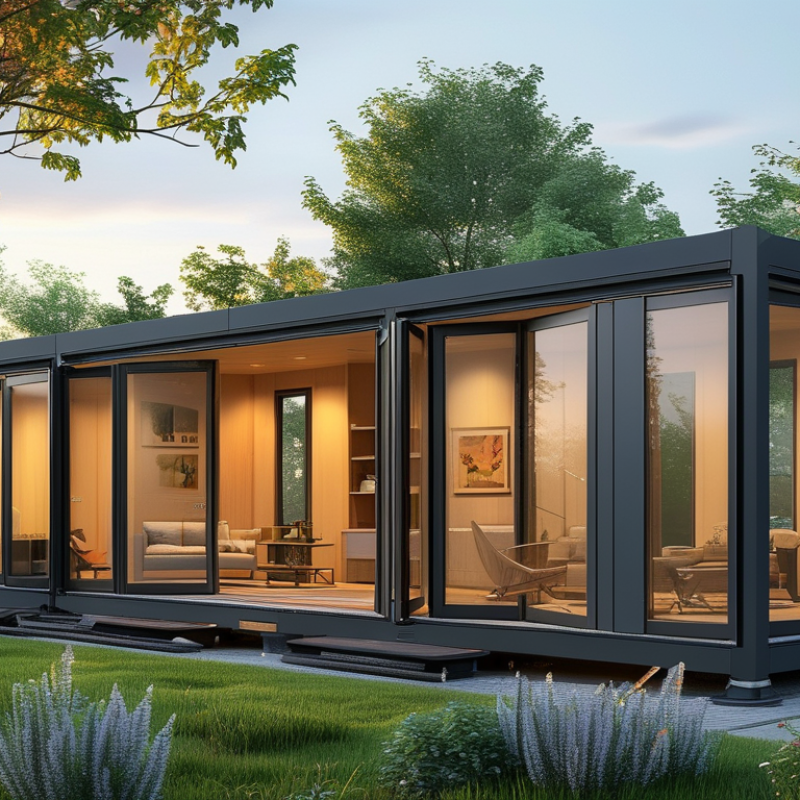
When choosing between foldable and expandable prefabricated houses, it’s essential to understand their distinct characteristics. Foldable homes are designed for easy transportation and quick setups. These structures can be transported as flat panels and assembled on site. This makes them ideal for those who move frequently or have limited space. They often feature lightweight materials that prioritize convenience. However, durability might sometimes be a concern with foldable designs.
On the other hand, expandable prefabricated houses offer more flexibility. They are typically designed to allow for future expansion as your needs change. This is especially useful for growing families or those planning long-term stays. While they may take longer to set up compared to foldable models, the additional space and potential for customization can be significant advantages. Yet, it’s important to consider that expandable houses may require more complex planning and foundation work.
In both cases, potential homeowners should weigh their priorities: mobility versus future flexibility. Understanding these nuances is crucial for making an informed decision. Factors like climate, land, and budget also play a vital role. With thoughtful consideration, one can choose the right type of prefabricated house for their specific needs.
: Foldable houses typically have lower upfront costs due to easier manufacturing and transportation.
Foldable homes are compact but can feel cramped, especially during gatherings with family or friends.
Yes, expandable homes can grow as your family or space requirements change over time.
Yes, they excel in temporary setups and are easy to assemble in small plots or urban settings.
Look into the materials used and the energy efficiency features to reduce your carbon footprint.
Yes, new owners may find that layouts in expandable homes can be awkward or non-functional at first.
Reflect on future space requirements and how each option aligns with your lifestyle choices.
Eco-friendly options like reclaimed wood or recycled metals are recommended for either home type.
Retrofitting can improve efficiency, but it may not always be a straightforward process.
Foldable houses consume less material and are more transport-efficient, while expandable homes require more materials for growth.
When considering "how to choose foldable or expandable prefabricated houses," it is crucial to understand the differences between these two types of housing. Foldable prefabricated houses offer convenience and portability, making them ideal for temporary or mobile living situations. In contrast, expandable prefabricated houses are designed to grow with your needs, allowing for additional space as required, which can be particularly beneficial for families or long-term living arrangements.
Key factors to consider include cost analysis, as foldable options often provide a more economical solution, while expandable models may involve a higher initial investment but offer greater long-term flexibility. Additionally, space and layout impact daily lifestyle and functionality, influencing how you will use the home. Lastly, environmental sustainability is paramount; both types of prefabricated homes can incorporate eco-friendly materials and design principles, making them viable choices for environmentally conscious consumers. Ultimately, the decision should be aligned with your lifestyle, budget, and long-term housing needs.
