Ruifa Modular House
Ruifa Modular House
Ruifa Modular House
The construction landscape is undergoing a paradigm shift. Globally, the Modular Construction Market is projected to grow at a CAGR of over 7%, driven by a need for speed, sustainability, and quality control. From North America to the Middle East, industries are moving away from traditional "wet" construction toward off-site prefabrication.
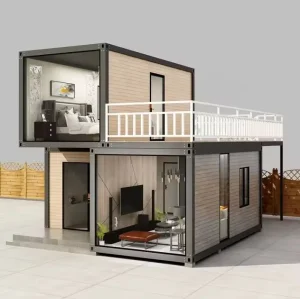
Modern modular solutions are no longer synonymous with temporary housing. Today, they represent high-tech architectural feats including luxury hotels, sophisticated medical facilities, and high-density urban residences. By manufacturing 80-90% of a building in a factory environment, global developers are reducing site disruption and cutting project timelines by up to 50%.
Timeline reduction compared to traditional on-site building methods.
Optimized material usage in a controlled factory environment reduces environmental impact.
Minimizes high-altitude work and on-site hazards for construction personnel.
Shields projects from weather delays and local labor market fluctuations.
The trend is clear: Industrialization of Construction (IoC). Key developments include the integration of Building Information Modeling (BIM), which allows for digital "twins" of modular units before they reach the production line. This ensures millimeter precision and perfect structural integrity.
Furthermore, the push for Net-Zero buildings has made modular solutions the preferred choice for eco-conscious enterprises. The ability to integrate solar energy, smart HVAC systems, and high-performance insulation within the factory walls ensures that every module meets stringent energy efficiency standards.
Procurement teams today demand more than just a product; they require a partner with a comprehensive manufacturing ecosystem. Whether it is a mining project in Australia, a luxury eco-resort in the Maldives, or emergency medical facilities in Europe, modular solutions must adapt to local climates and building codes.
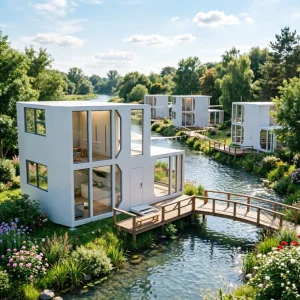
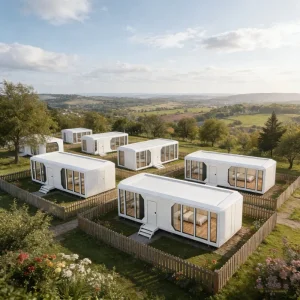
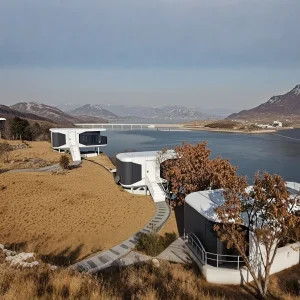
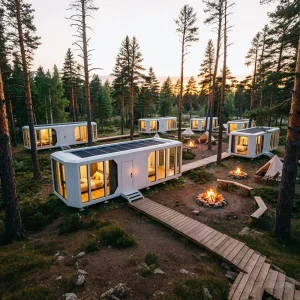
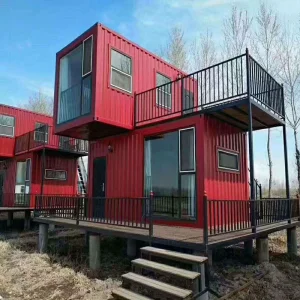
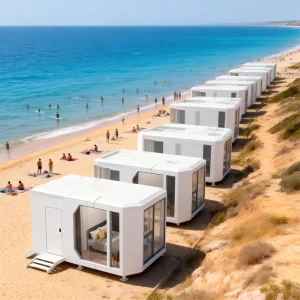
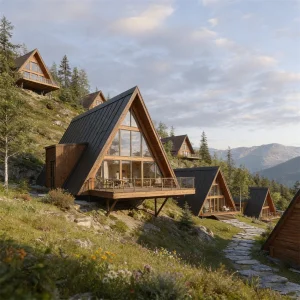
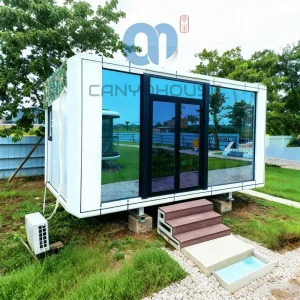
Rapid deployment of luxury capsule hotels and villas in sensitive ecological areas.
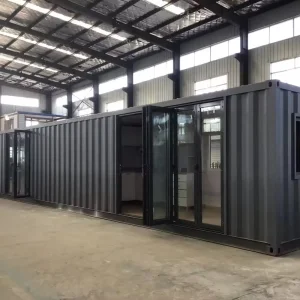
Modular offices and worker accommodations for remote oil, gas, and mining sites.
Addressing housing shortages with affordable, high-quality prefabricated apartments.
Pop-up shops and mobile showrooms that can be relocated with ease.
Instant classrooms and portable medical clinics for rural or disaster-stricken zones.
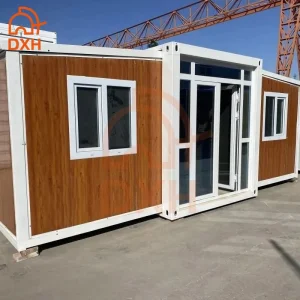
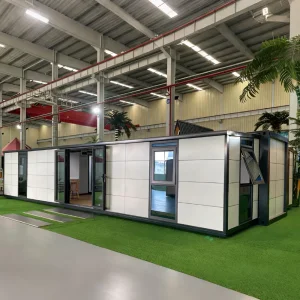
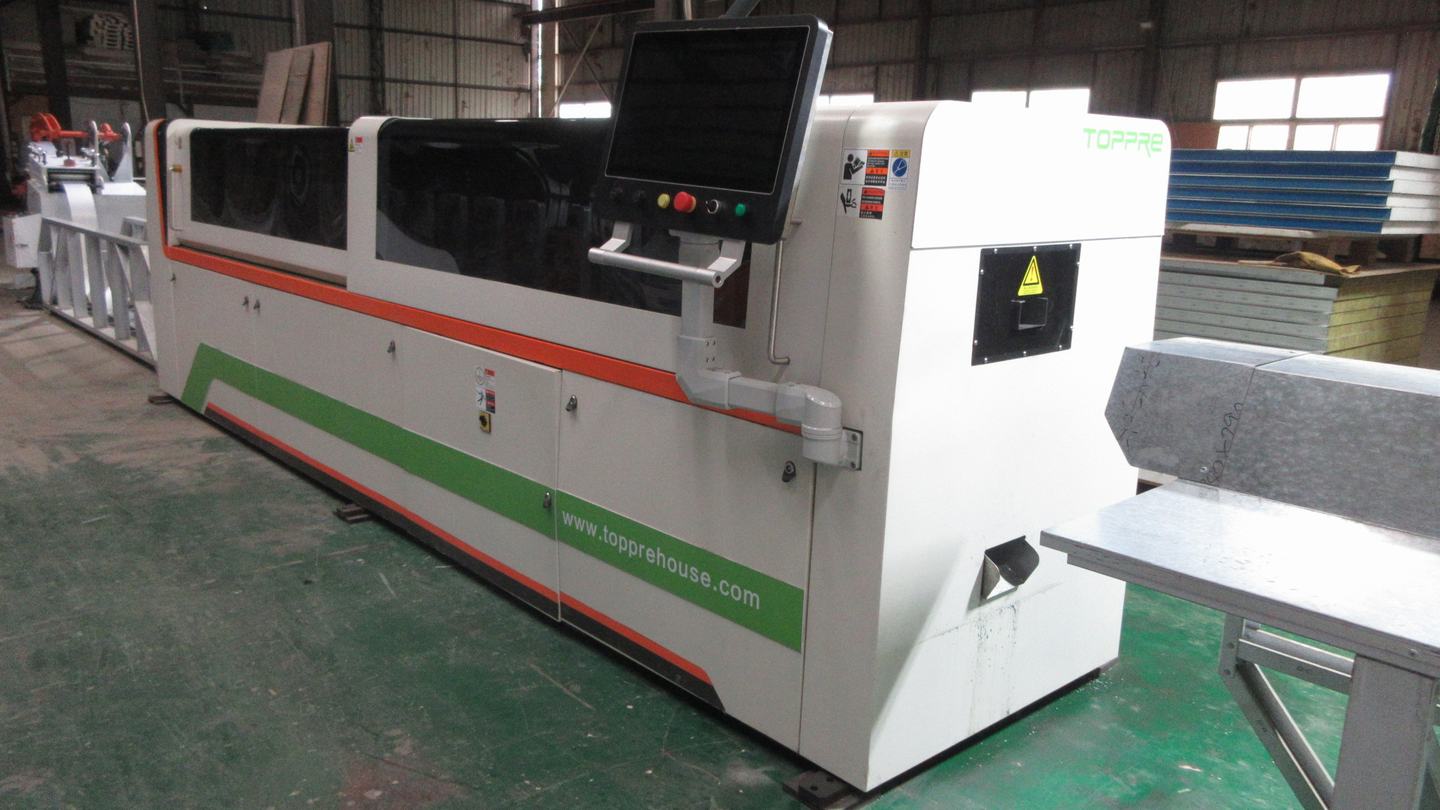
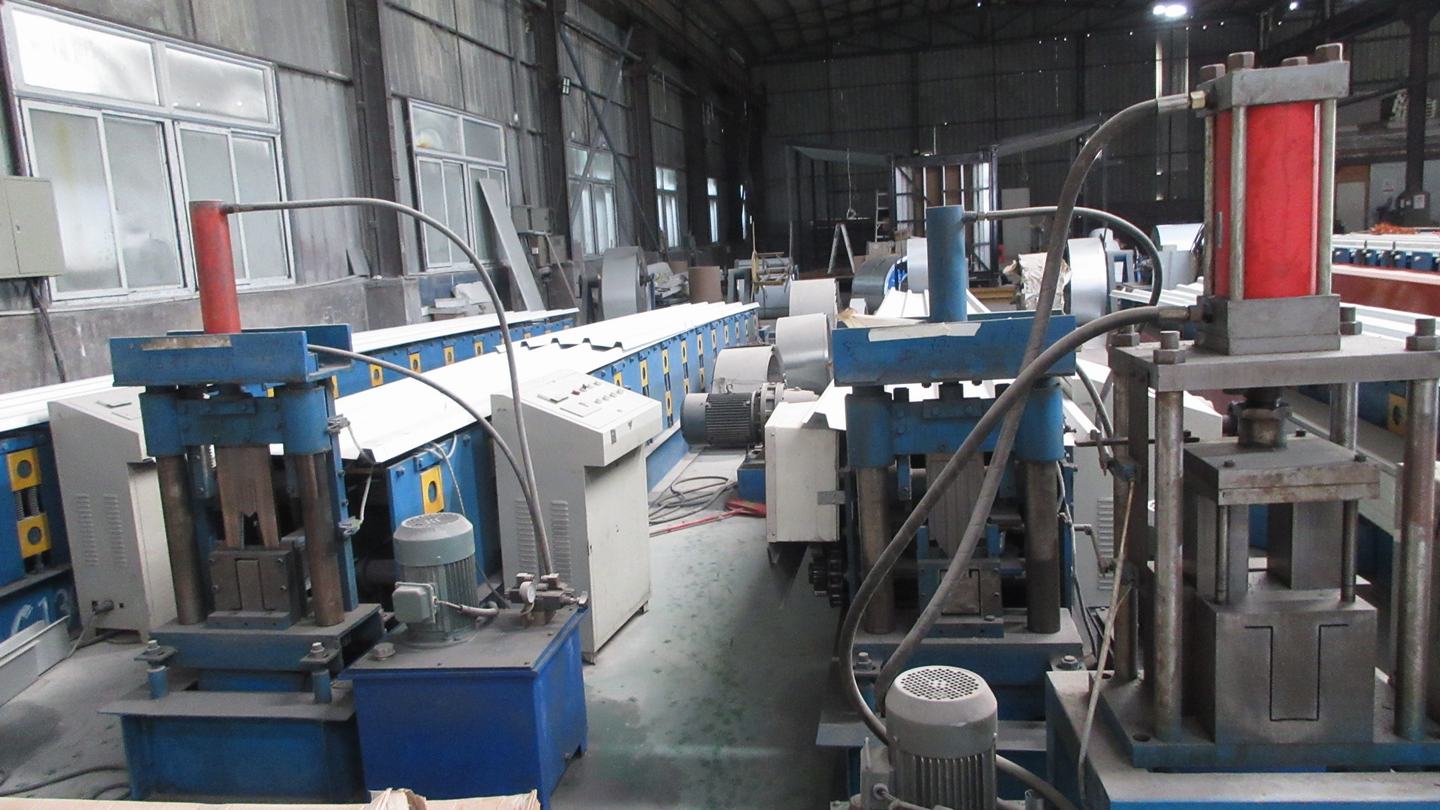
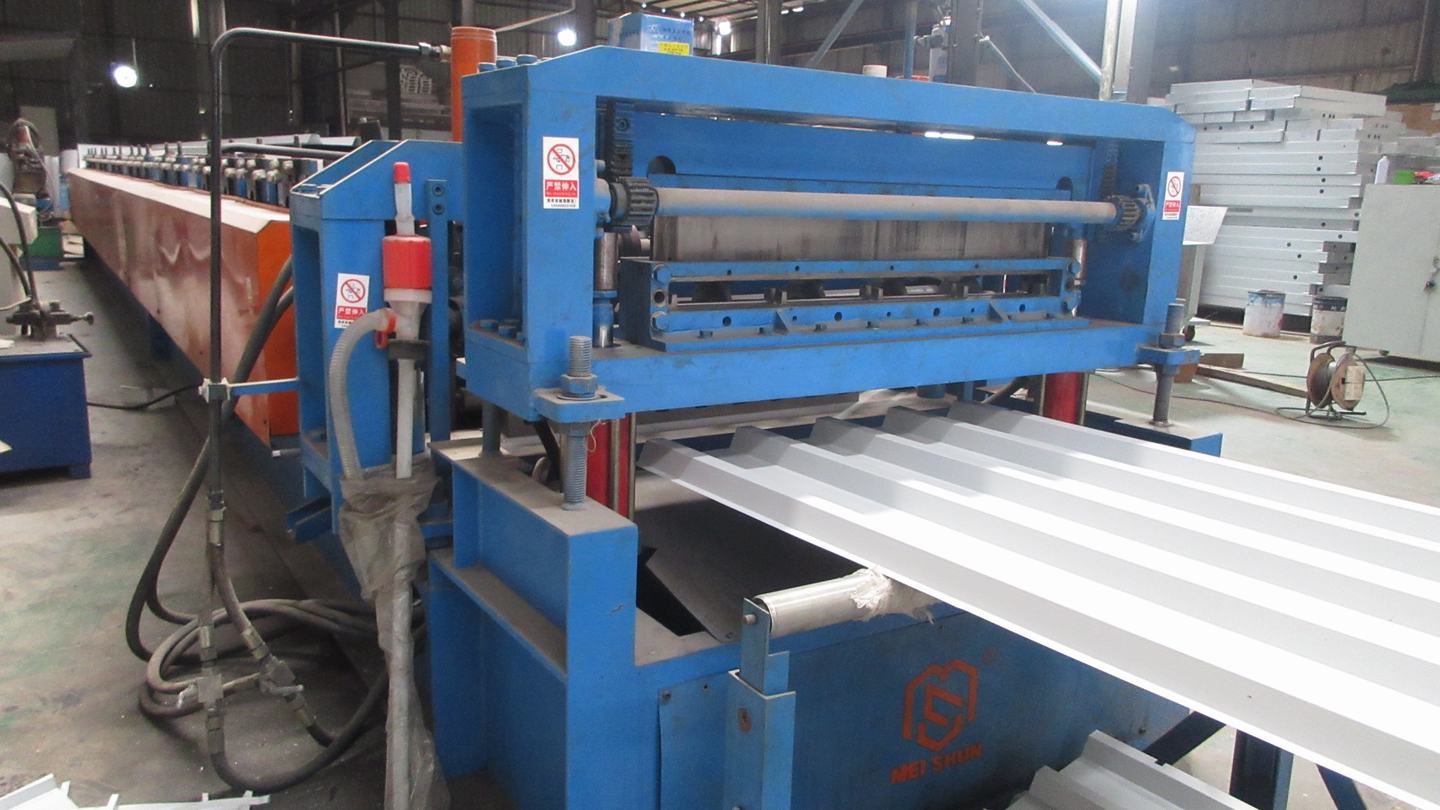
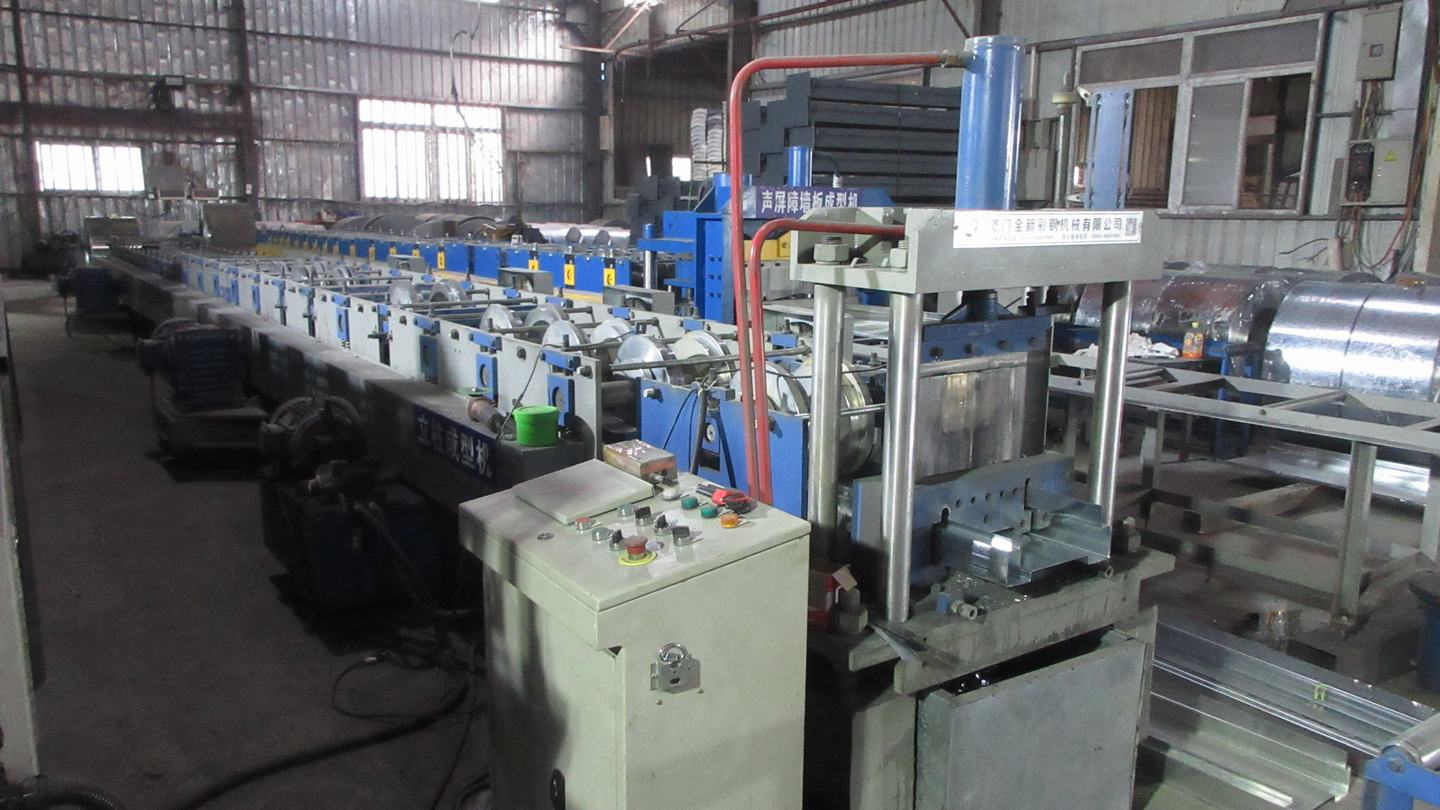
As one of the most professional prefabricated house manufacturers in south-east China, we provide customers with all kinds of integrated housing solutions. The company has a complete new modular housing R&D system, technology system, manufacturing system and operation and maintenance system. Now it has a full set of production facilities such as small parts.
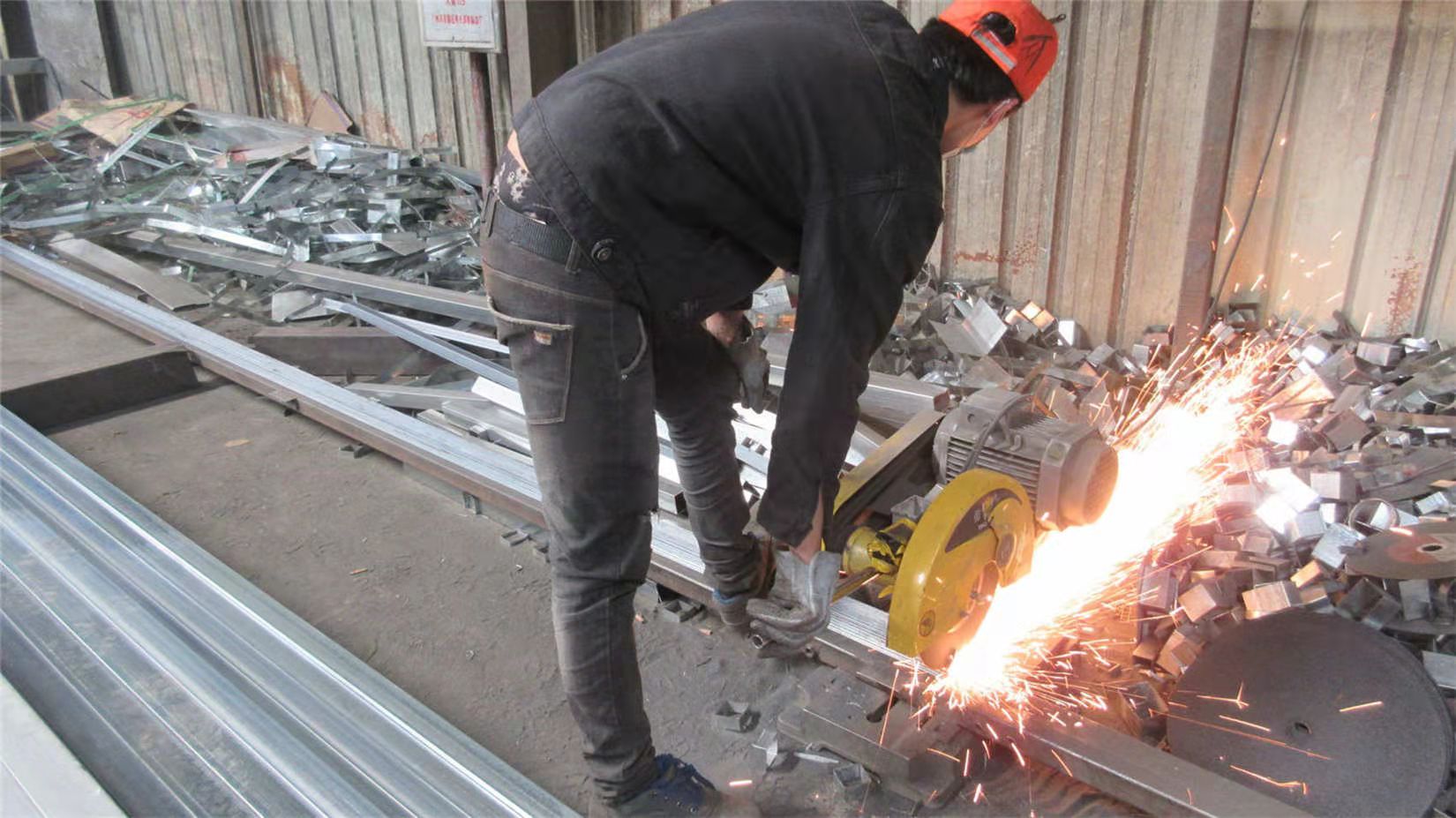
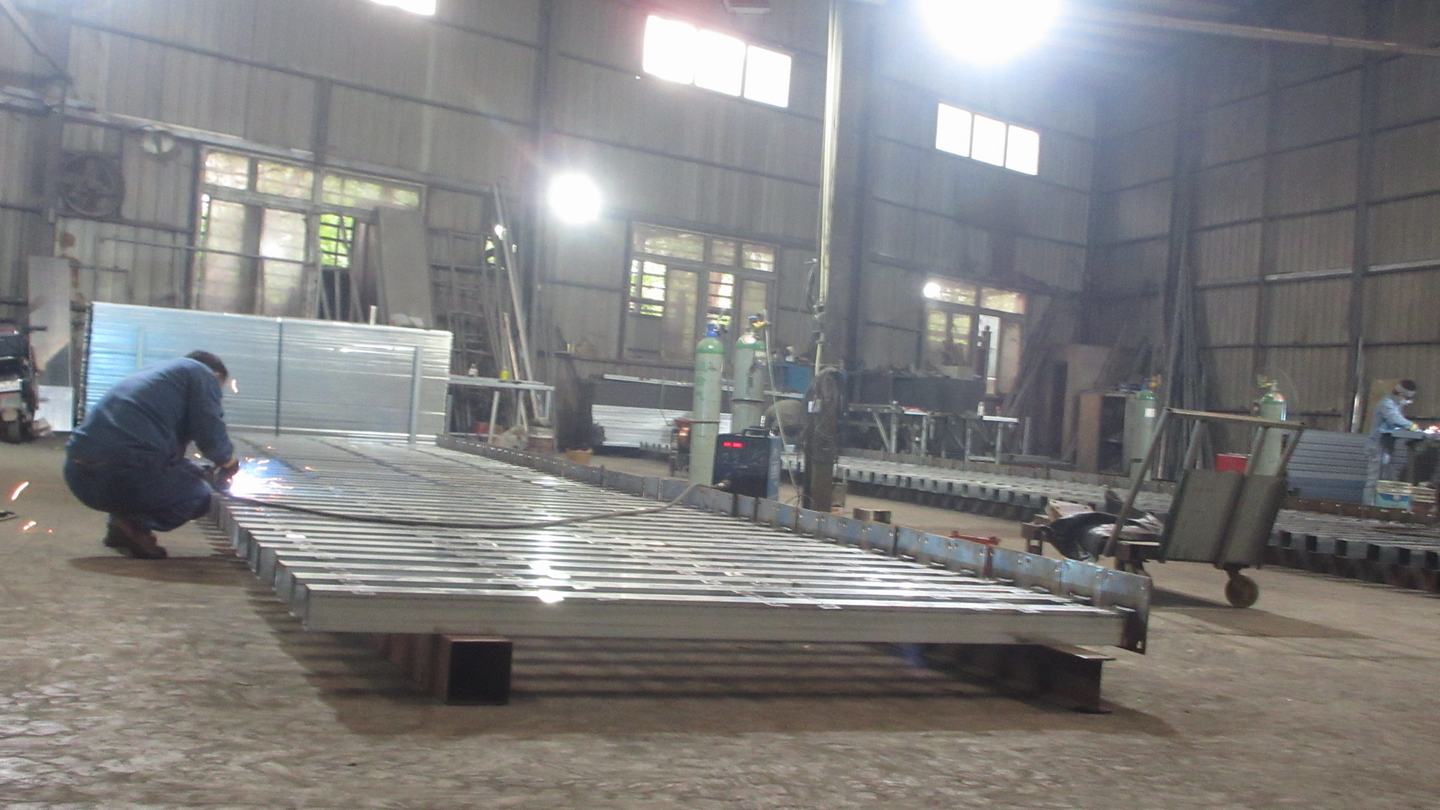
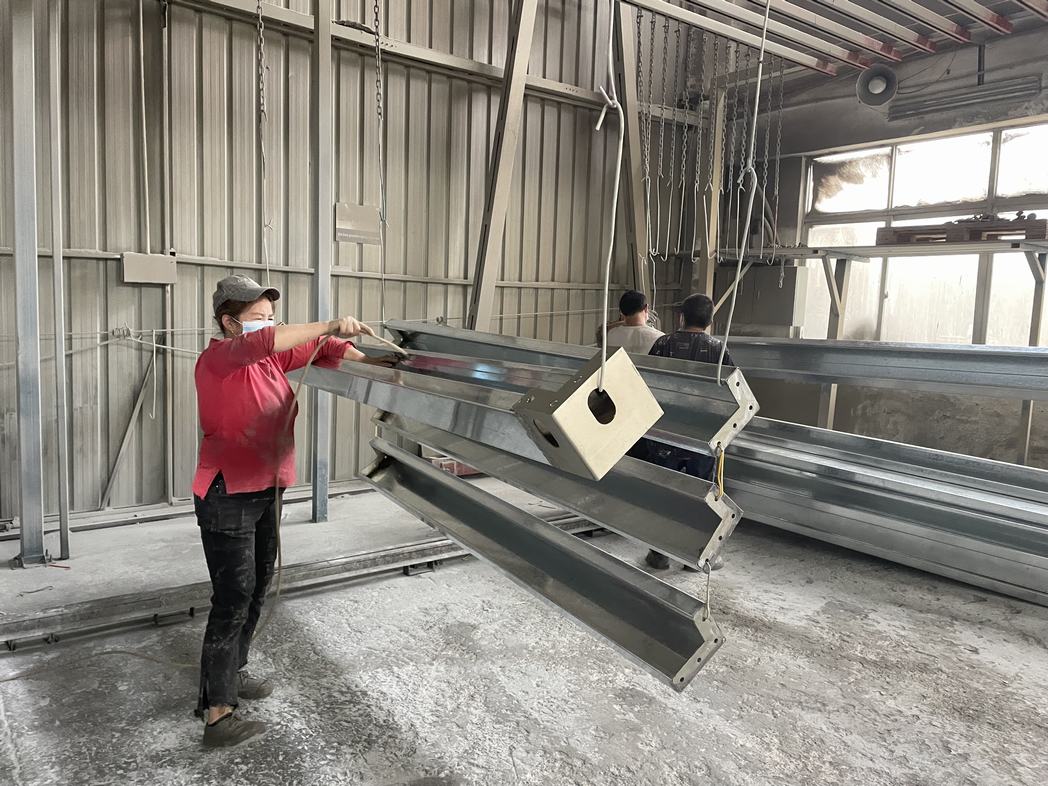
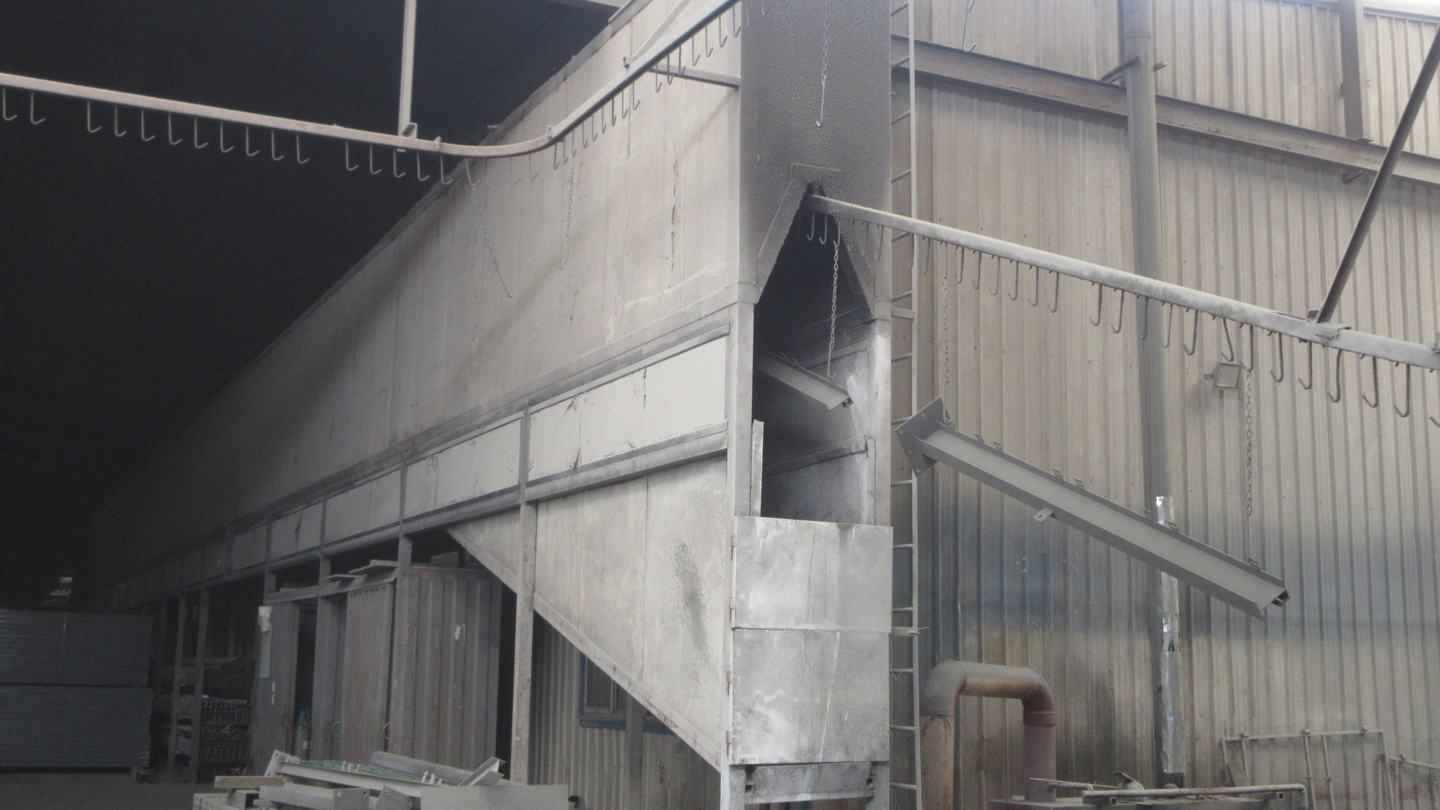
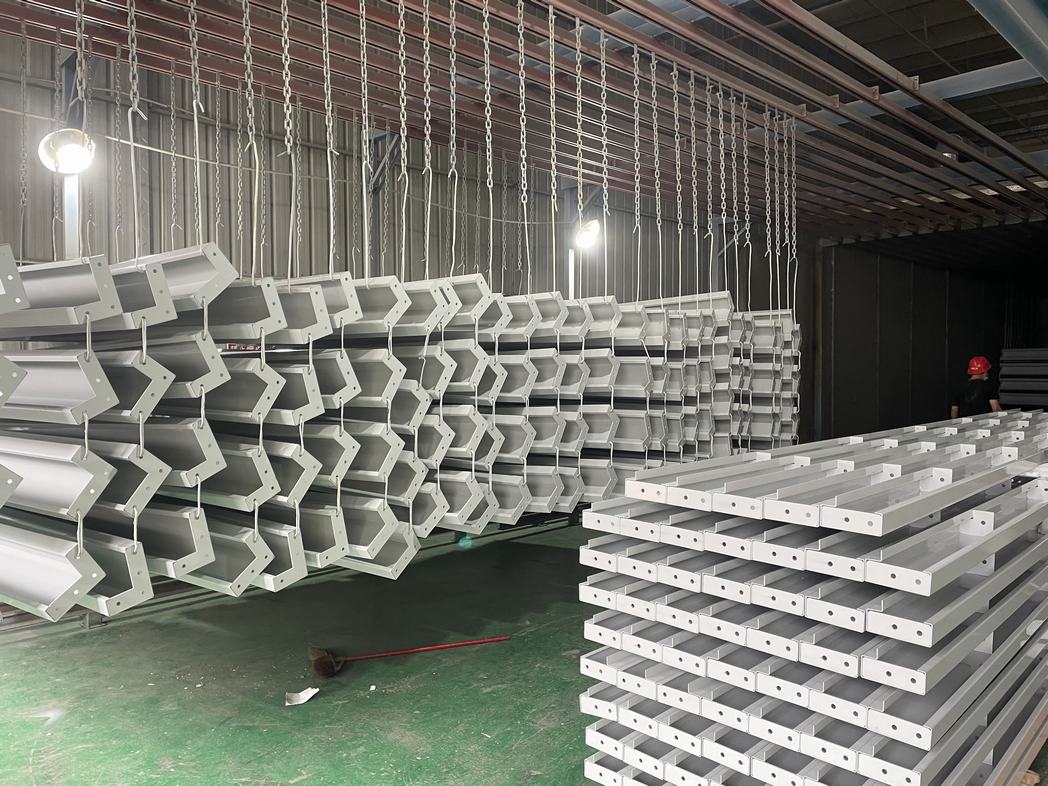
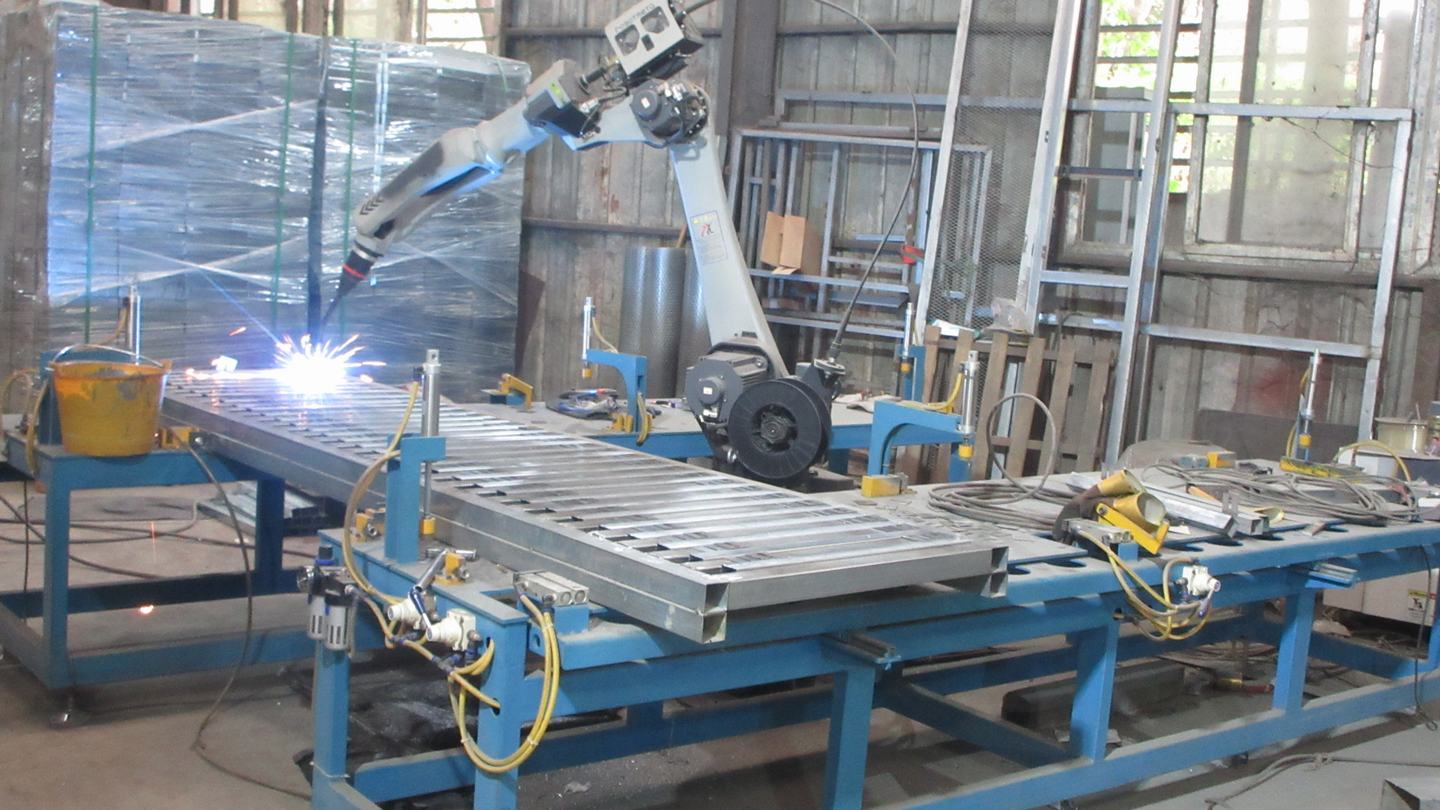
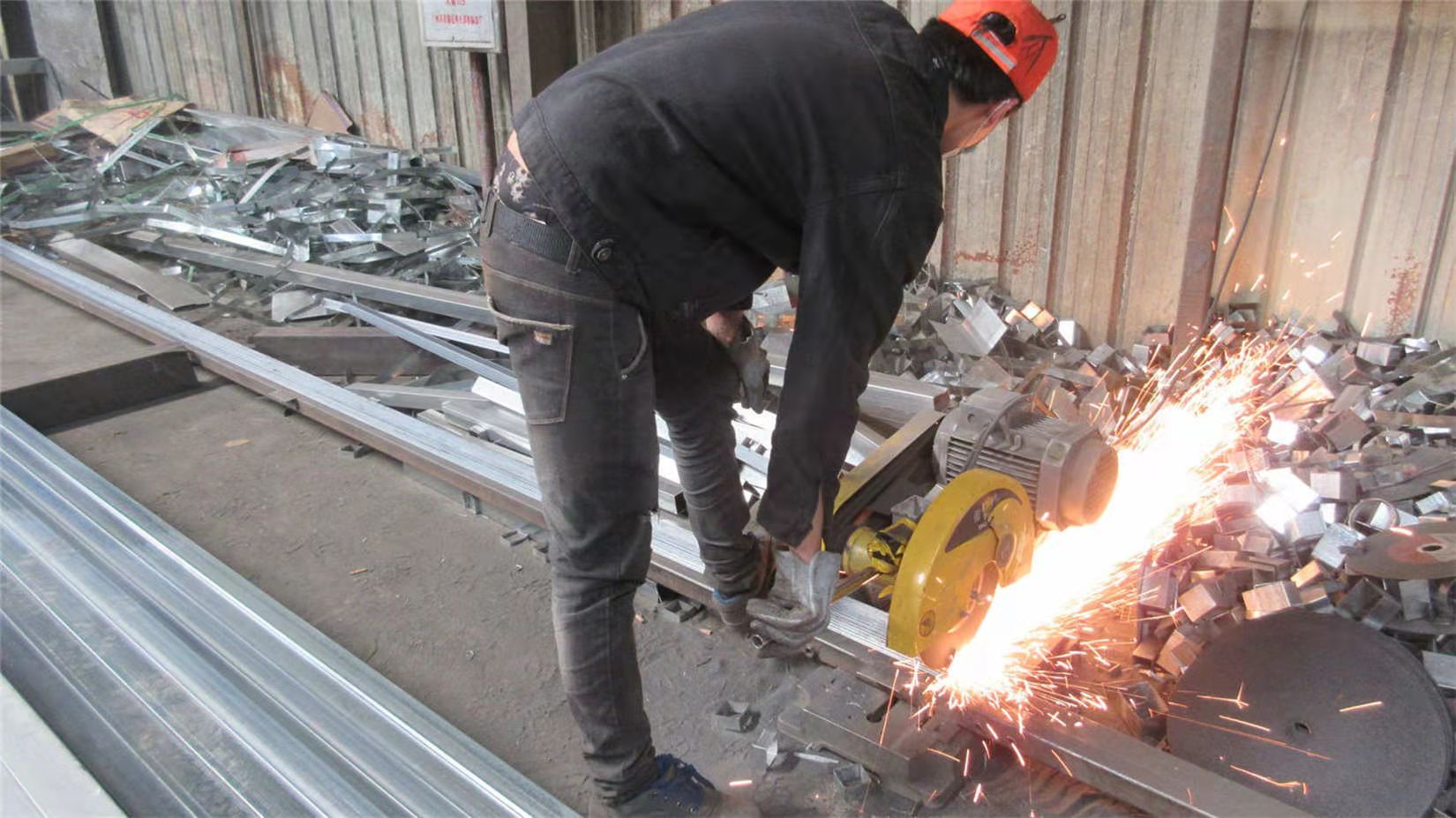
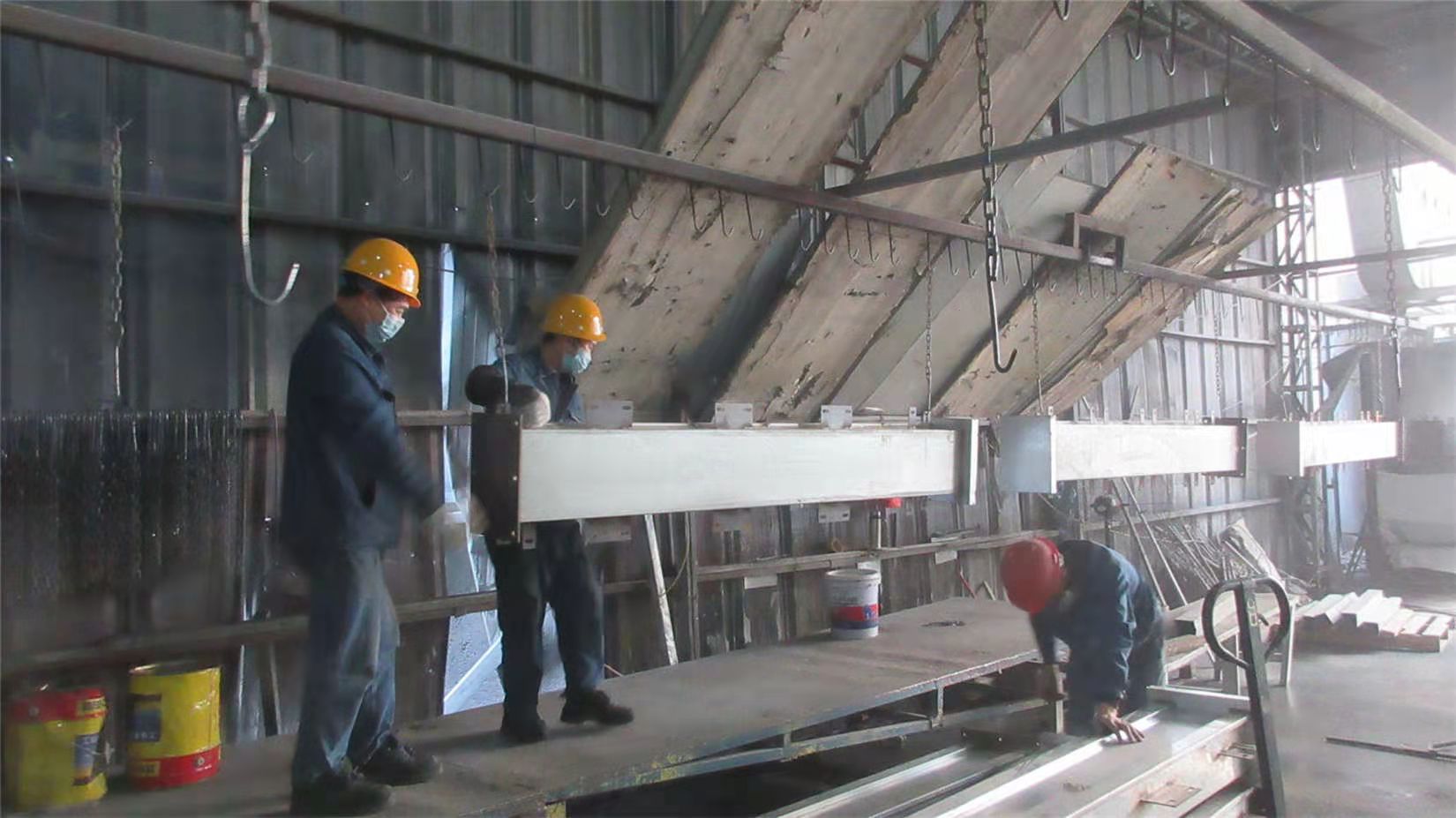
Our competitive edge lies in our Full-Chain Manufacturing Control. From raw steel processing to final robotic welding and spray coating, every step is performed in-house to guarantee structural reliability and finish quality.
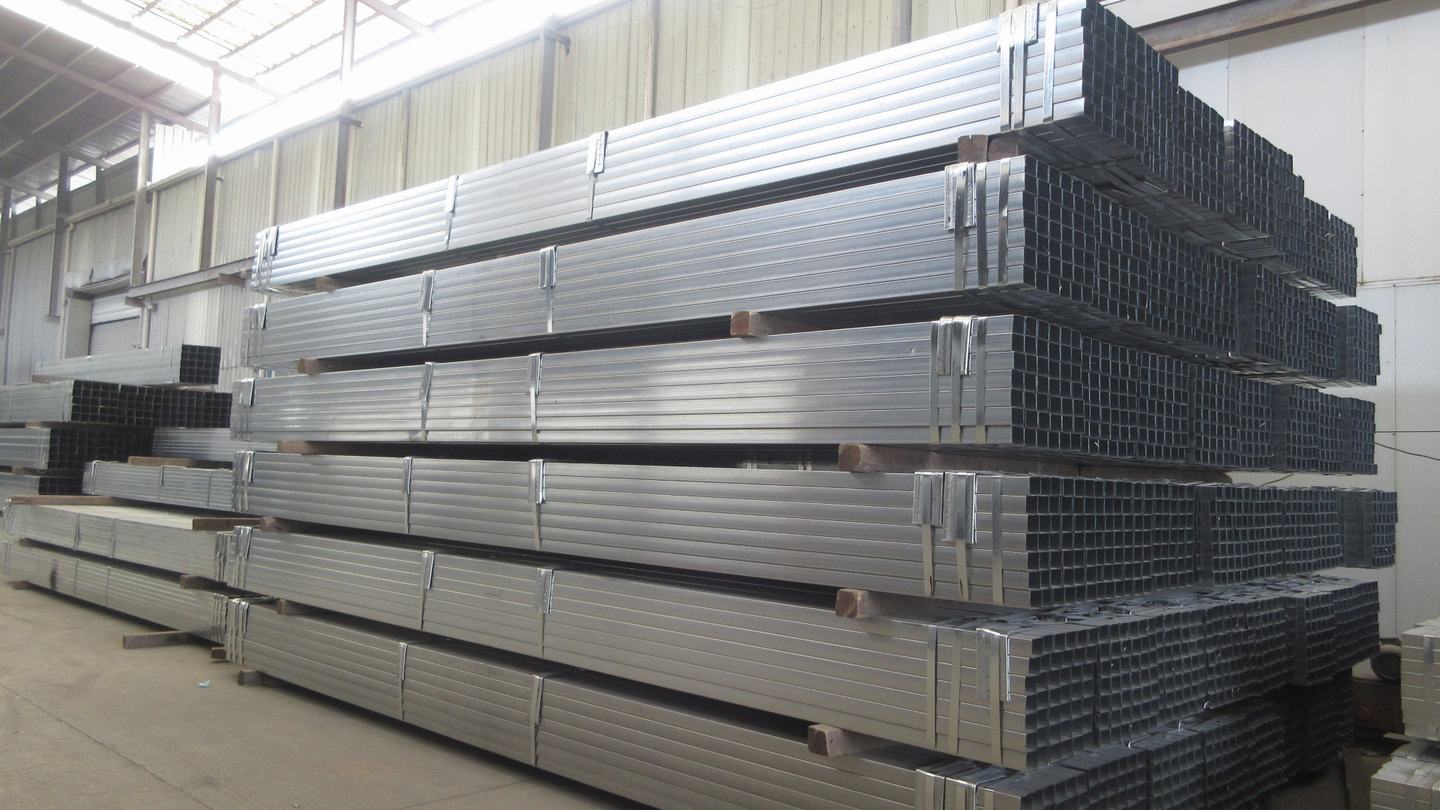
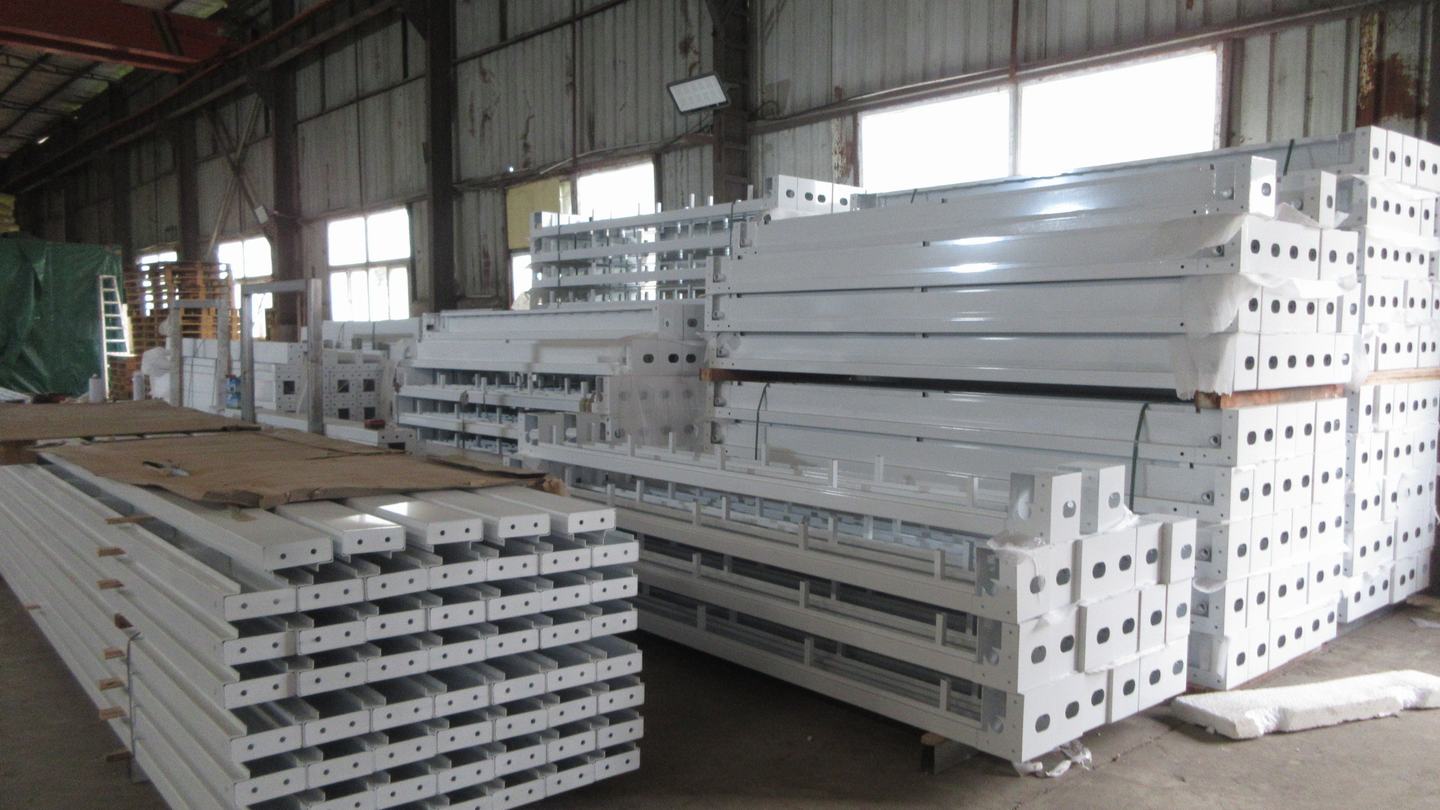
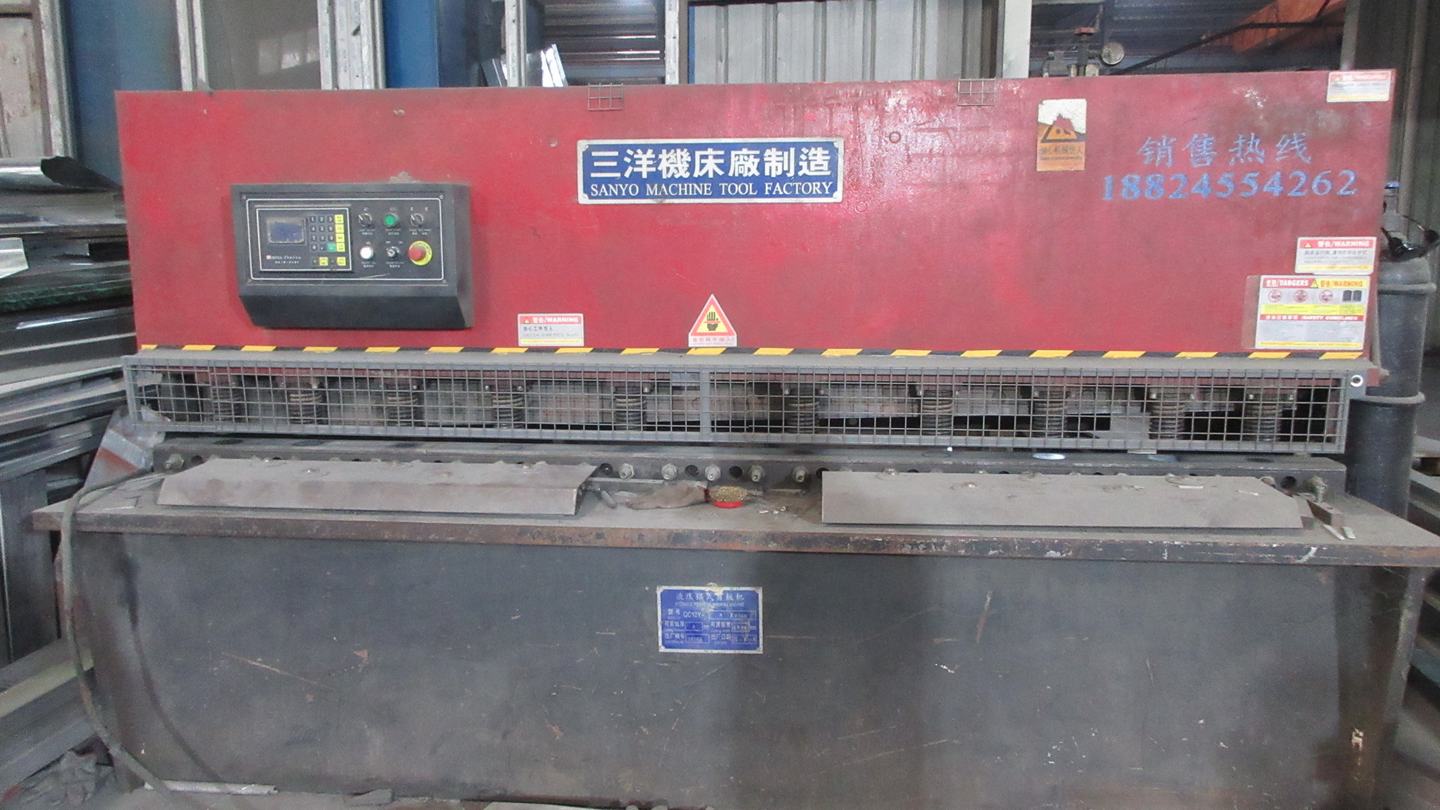
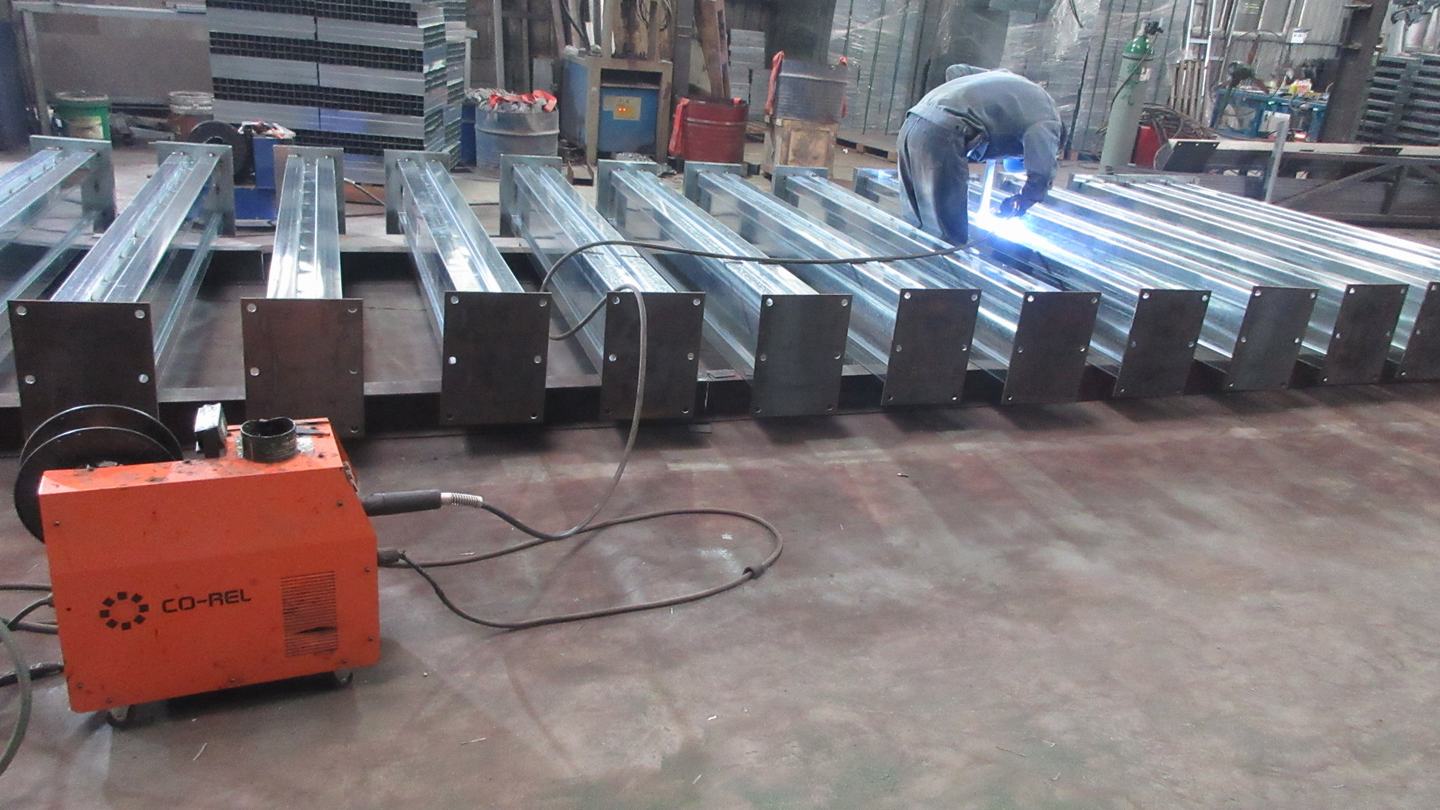
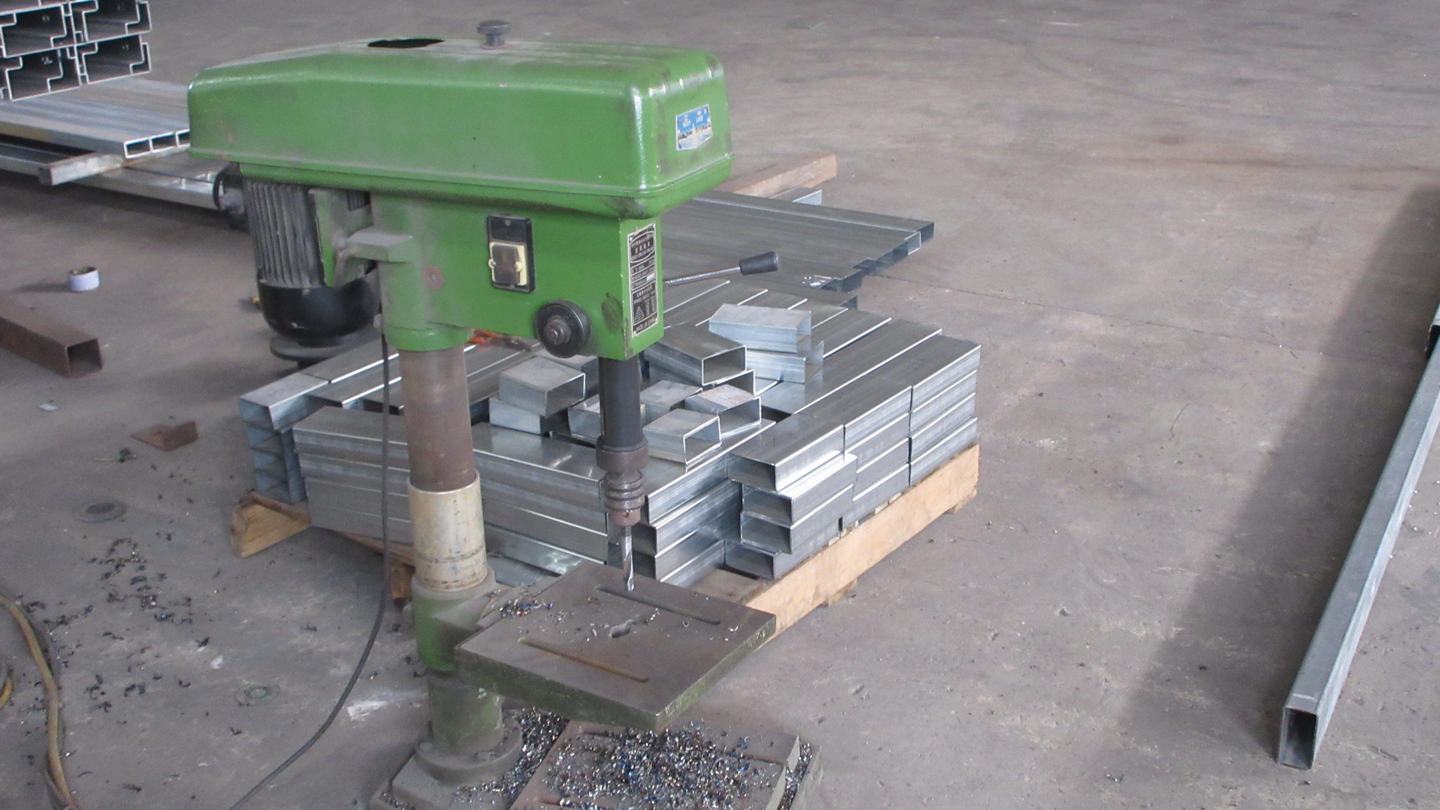
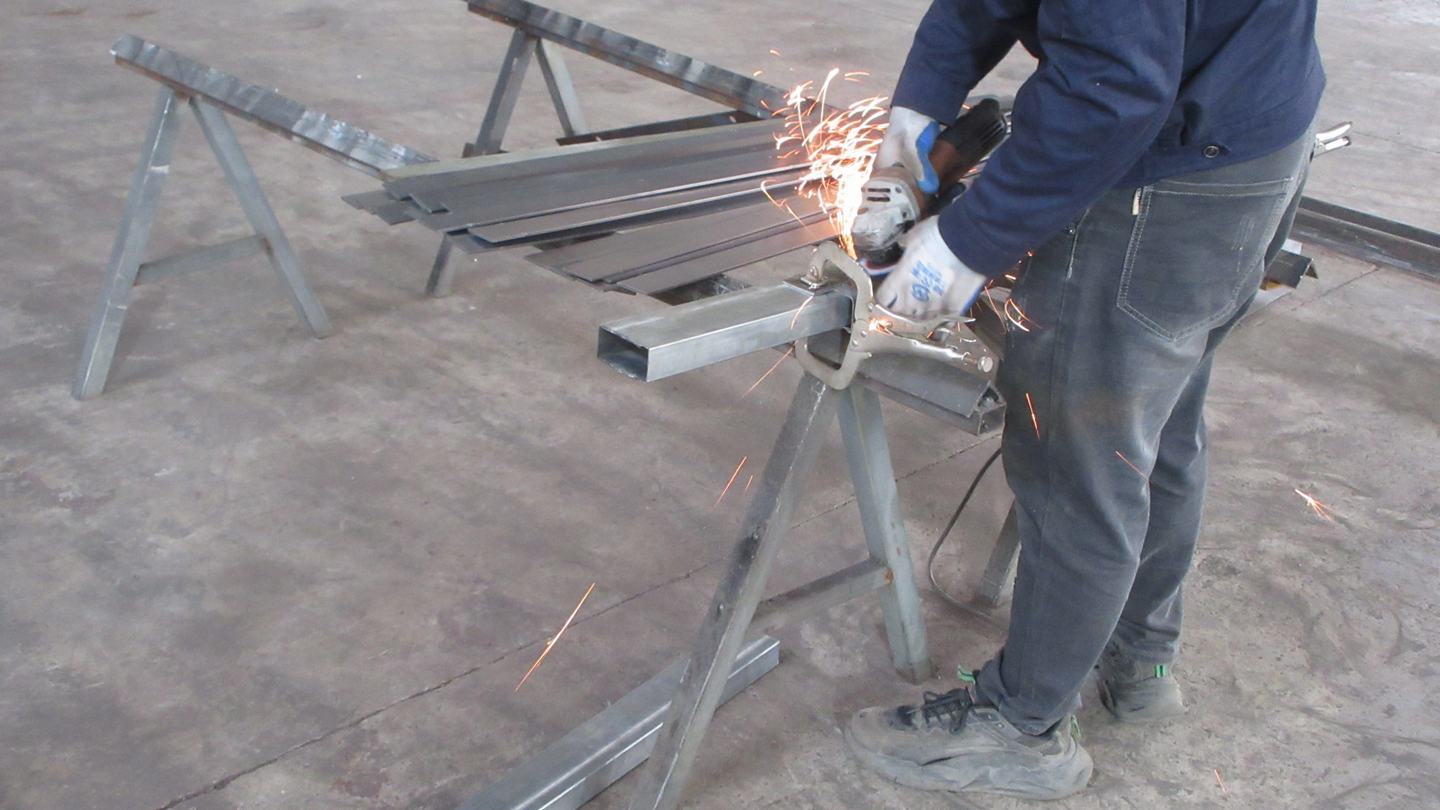
The reliability of our modular systems stems from our adherence to advanced engineering standards. Utilizing high-strength steel keels and fireproof insulation, our modular houses are built to withstand extreme environmental conditions, including high seismic activity and hurricane-force winds.
Our manufacturing system is divided into specialized zones. The Robot Welding Machine ensures that every joint is perfect, eliminating the human error common in traditional site-built structures. Our Shear and Bending Machines allow us to customize steel profiles to exact specifications, enabling the creation of unique architectural designs like the Luxury A-Frame and the Space Capsule units.
Furthermore, our Spray Coating Line uses eco-friendly, anti-corrosion materials that extend the life of our units by decades, even in coastal or industrial environments. This level of technical depth ensures that every modular unit leaving our factory is a high-performance asset for the buyer.