Ruifa Modular House
Ruifa Modular House
Ruifa Modular House
As the global housing market faces unprecedented challenges—ranging from rising construction costs to a growing need for sustainable urban planning—the demand for affordable tiny homes has surged into a multi-billion dollar industry. This transition isn't just about minimalism; it represents a fundamental shift in how businesses, governments, and individuals approach real estate. From portable offices in bustling financial districts to disaster-relief housing in remote regions, tiny homes offer a versatile, cost-effective, and rapid-response solution.
In the current industrial landscape, tiny homes are no longer viewed as temporary shelters. They have evolved into technological marvels, integrating smart home automation, energy-efficient HVAC systems, and high-strength steel frames that can withstand extreme weather conditions. As a leading exporter, we recognize that the criteria for "top manufacturers" have moved beyond just price. Today, E-E-A-T (Experience, Expertise, Authoritativeness, and Trustworthiness) is the benchmark. Global clients now demand manufacturing transparency, certified engineering, and a proven track record of international delivery.
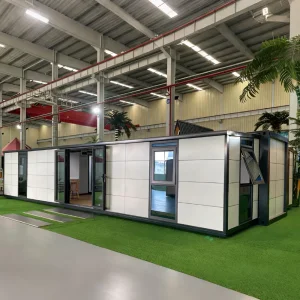
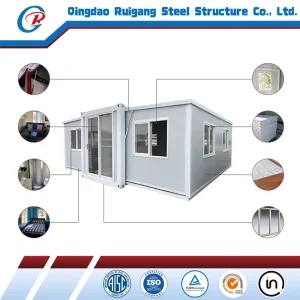
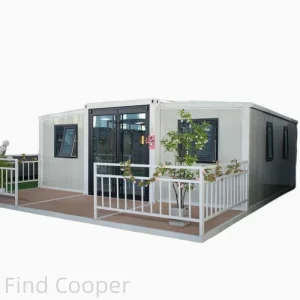
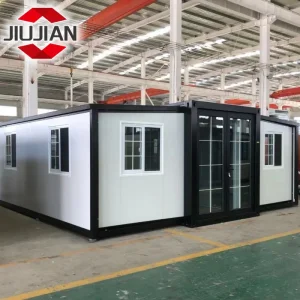
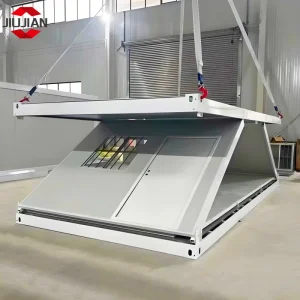
The industrialization of the housing sector has led to the rise of "Productized Real Estate." Across North America, Europe, and Oceania, tiny homes are being integrated into municipal zoning codes to solve housing shortages. Manufacturers are now competing on a global scale, where logistics and assembly speed are the primary differentiators. The current status of the industry shows a move toward Expandable and Foldable technology, allowing a full-sized 40ft home to be shipped in a standard container and deployed in under 2 hours.
The prefab housing market is projected to reach a CAGR of over 7% by 2030, driven by the cost-effectiveness of modular assembly compared to traditional brick-and-mortar builds.
Modern tiny homes utilize recycled steel and high-insulation rock wool panels, significantly reducing the carbon footprint of both the construction and the lifetime energy use.
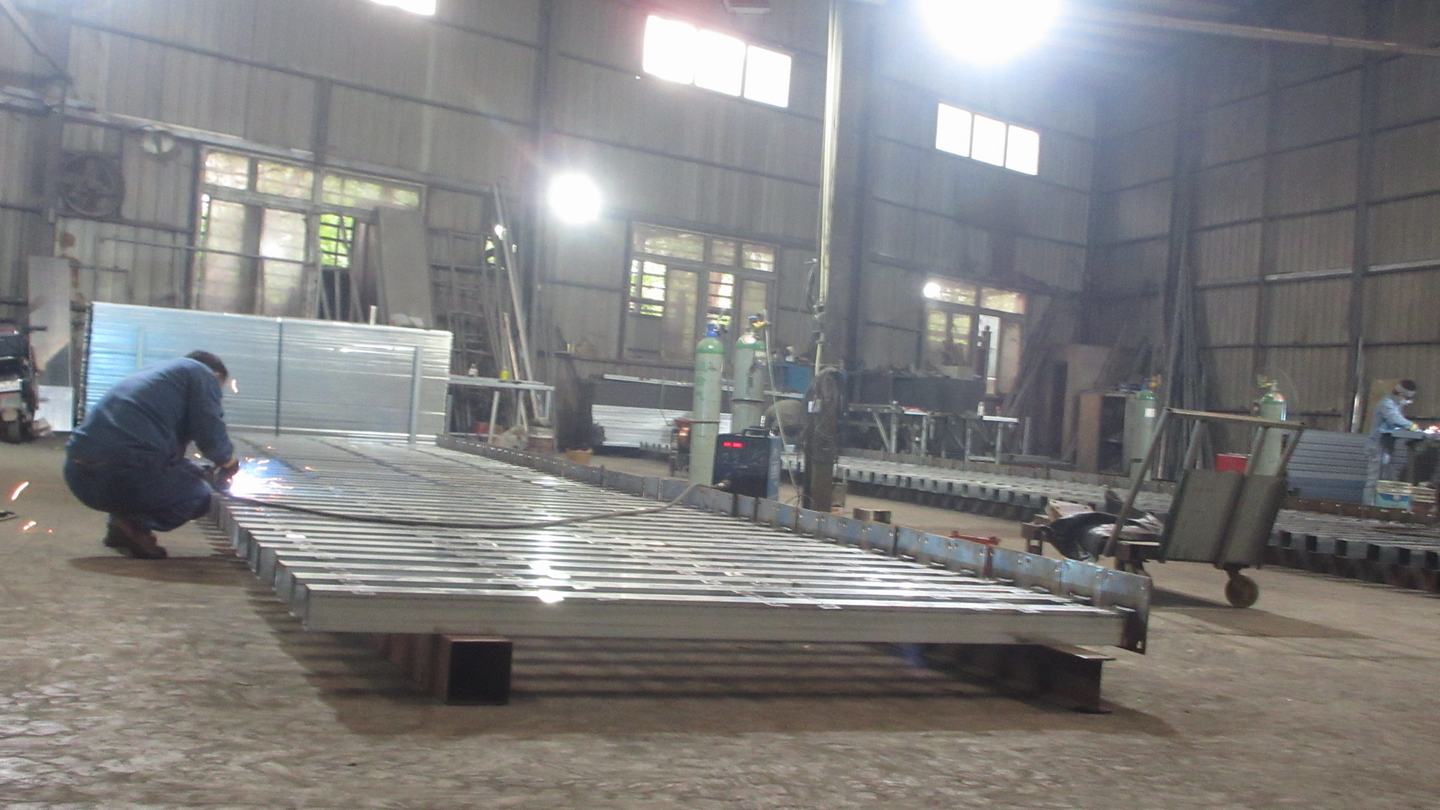
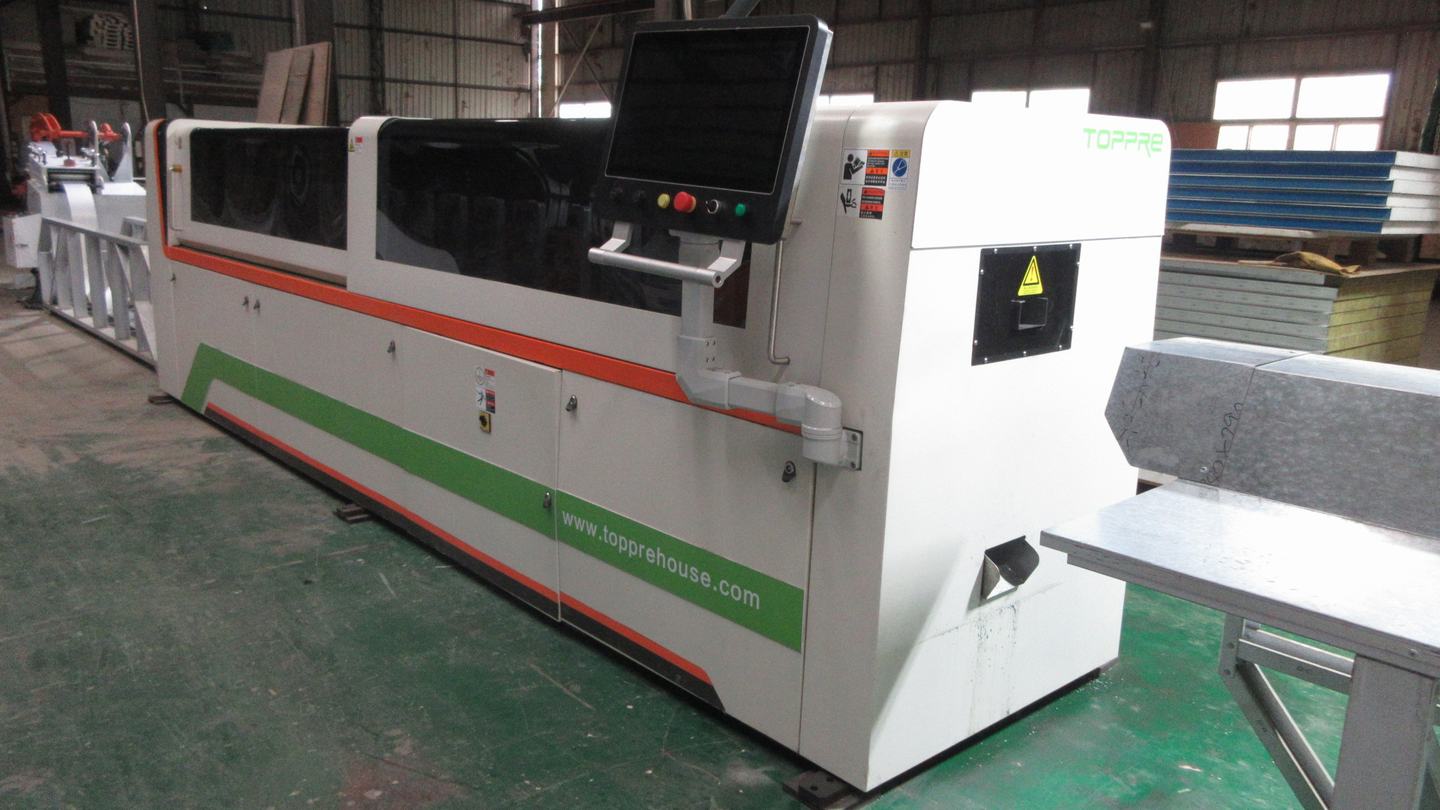
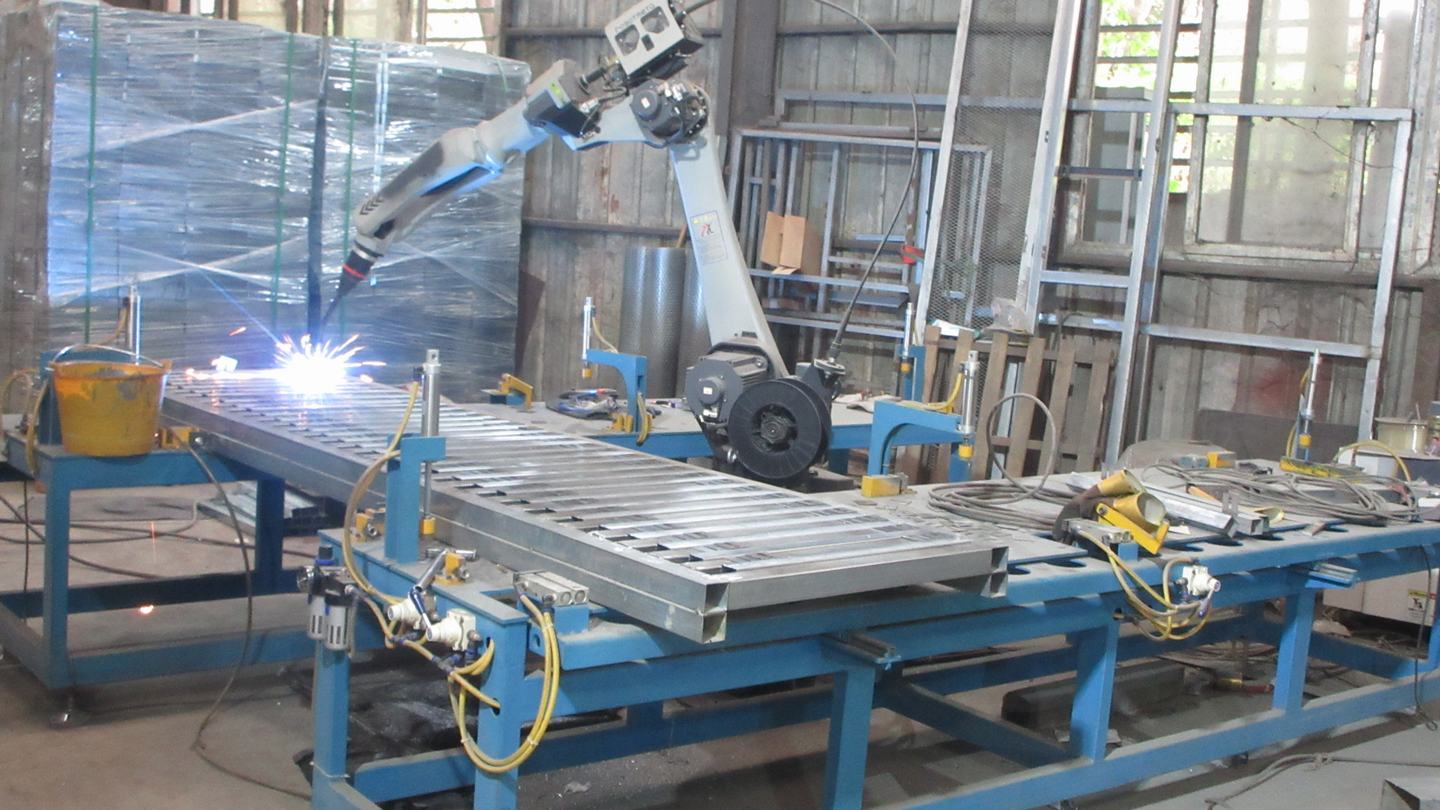
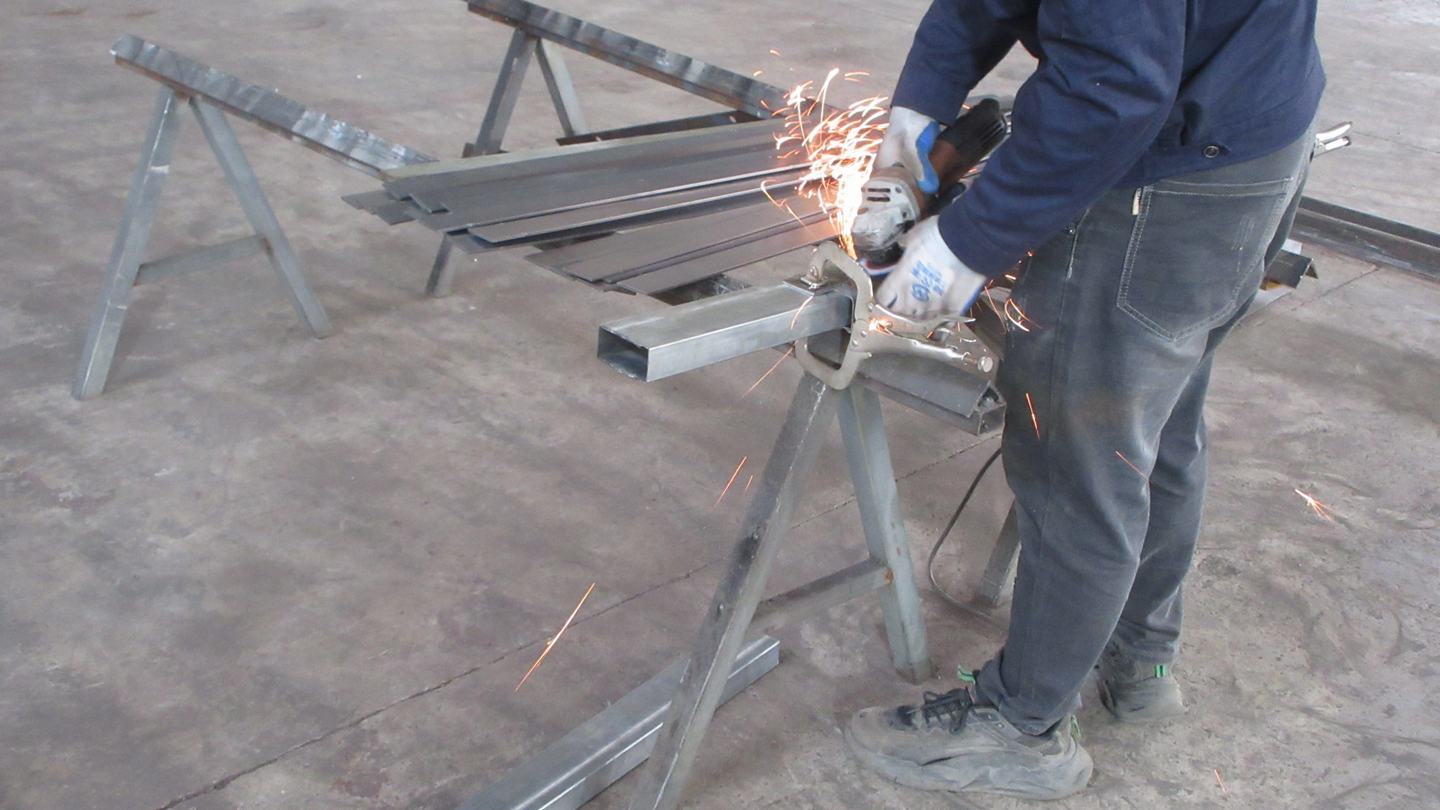
Automated manufacturing ensures that every modular joint fits perfectly, ensuring air-tightness and structural integrity that manual construction often lacks.
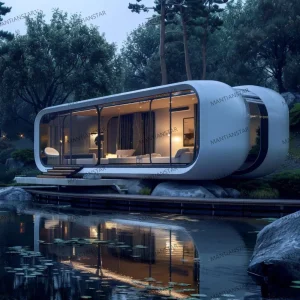
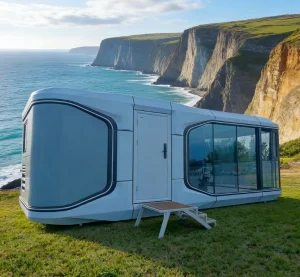
Looking forward, the Top 10 manufacturers are investing heavily in AI-driven design and 3D modeling to allow customers to customize floor plans in real-time. We are seeing a trend toward "Off-Grid Autonomy," where tiny homes come pre-equipped with solar arrays, water filtration systems, and battery storage. Furthermore, the "Capsule Home" aesthetic—inspired by aerospace engineering—is becoming a favorite for the luxury glamping and boutique hotel sectors.
China has become the global epicenter for modular construction for several strategic reasons. Our factory, located in Southeast China, leverages an entire ecosystem of raw material suppliers, technological R&D, and world-class shipping ports. This allows us to offer prices that are often 40-60% lower than local European or American manufacturers without sacrificing quality.
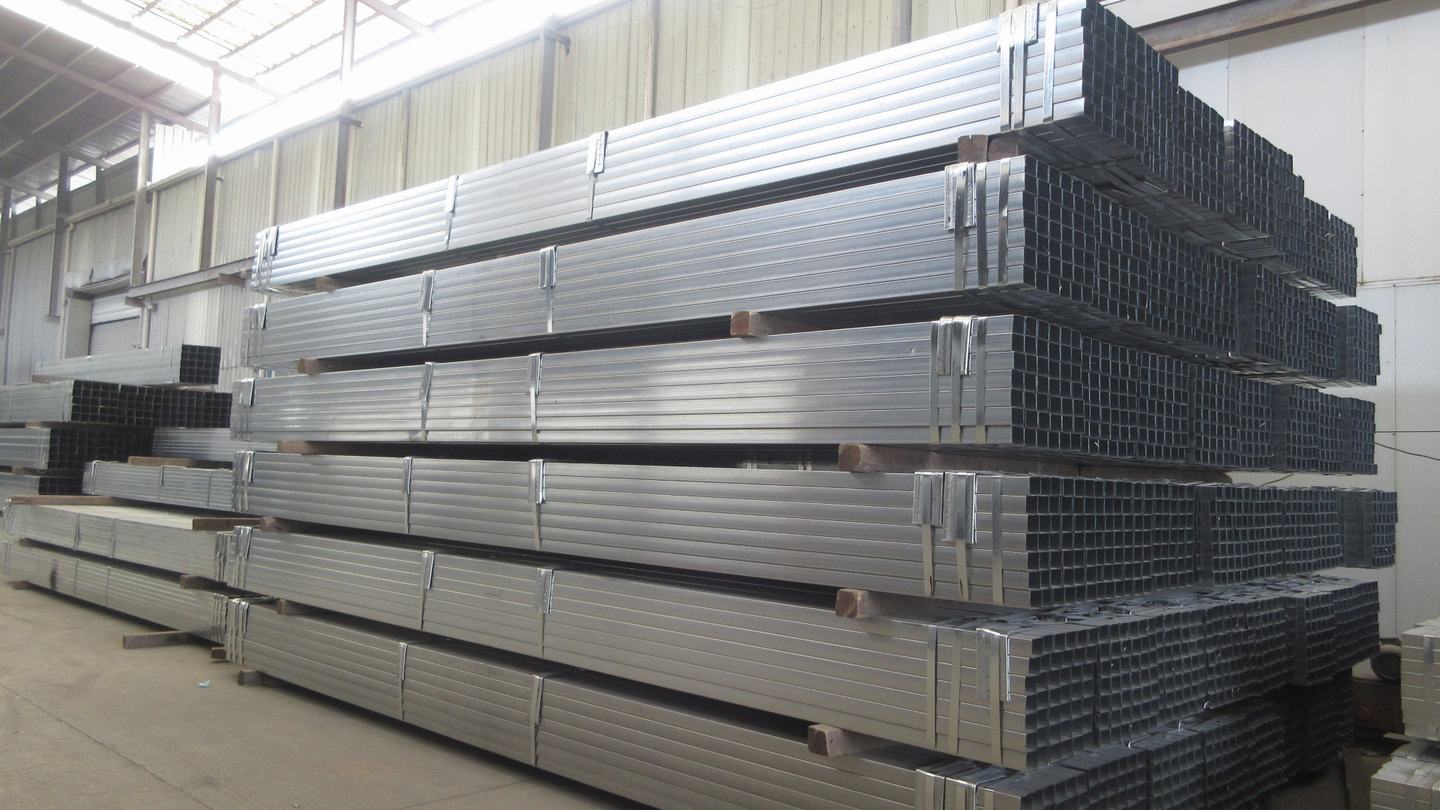
From the raw steel keel to the final interior finish, everything is sourced locally, ensuring no delays and consistent quality control across all components.
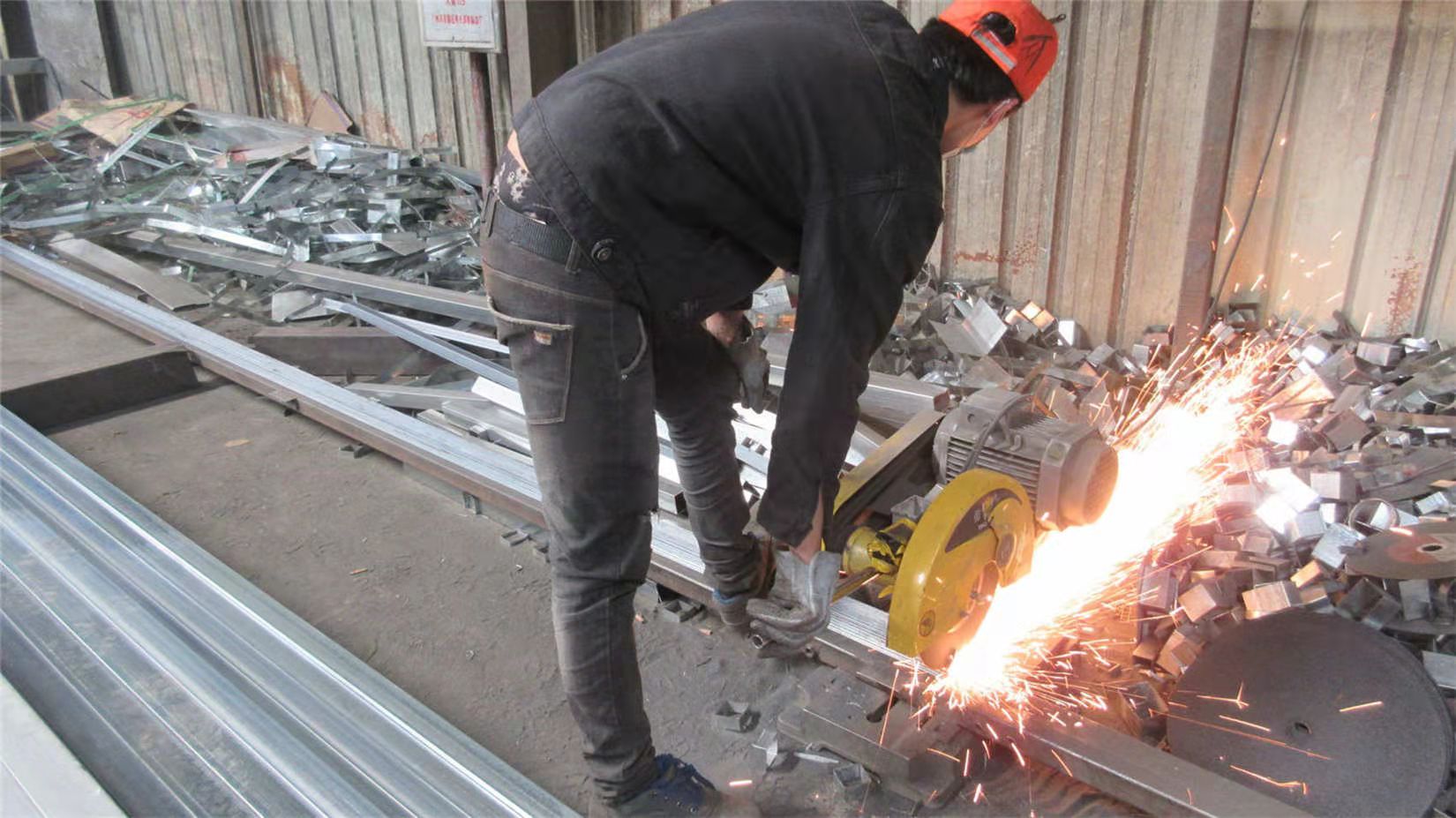
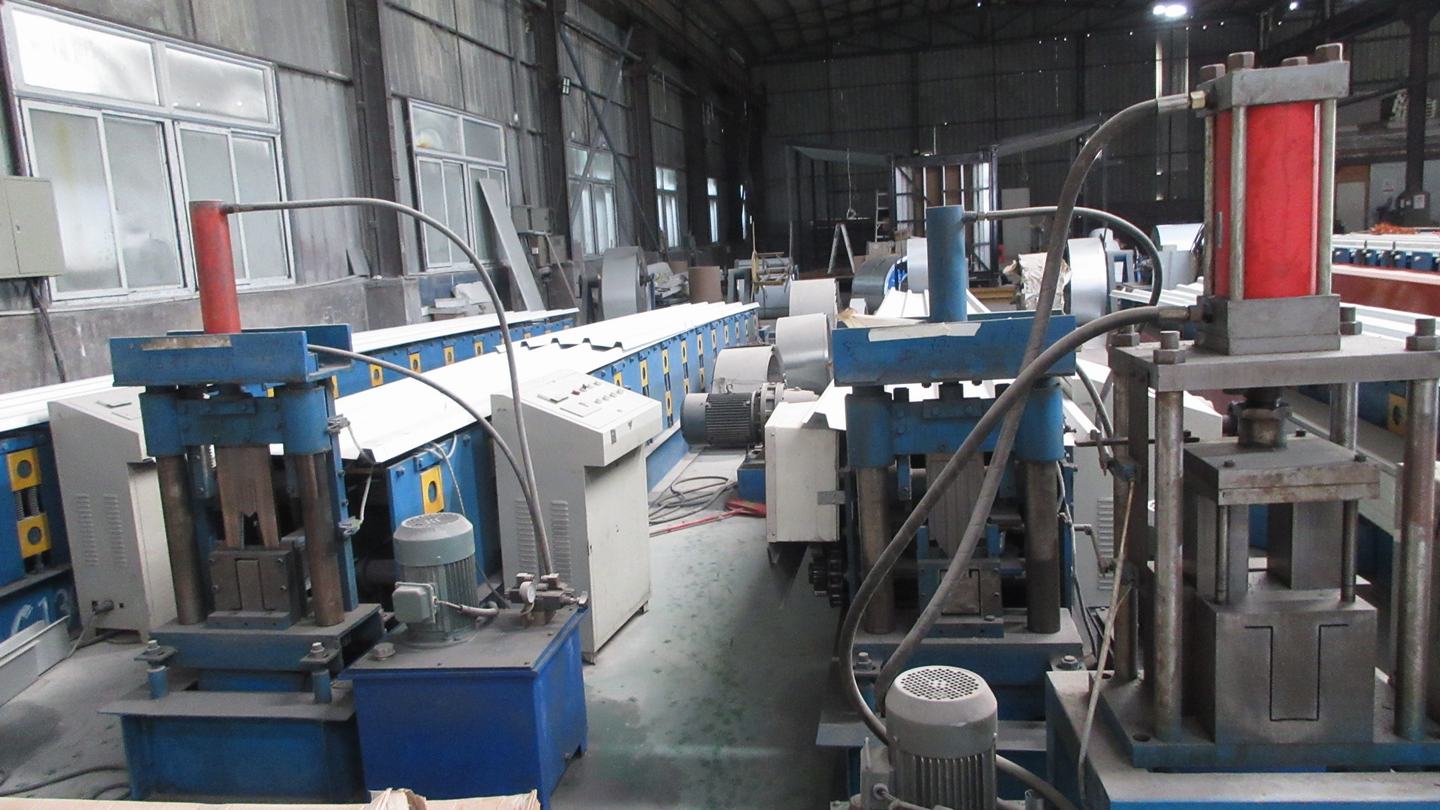
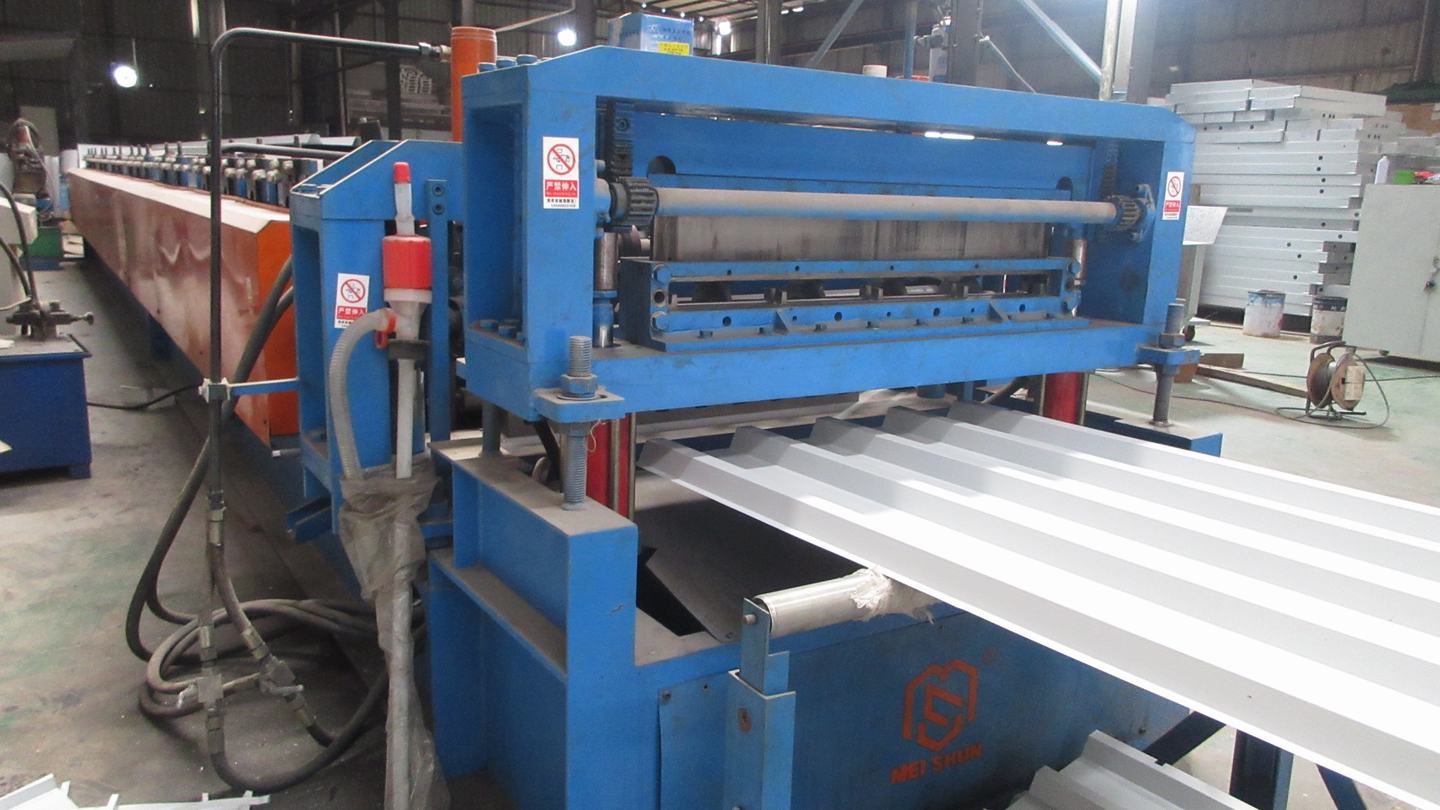
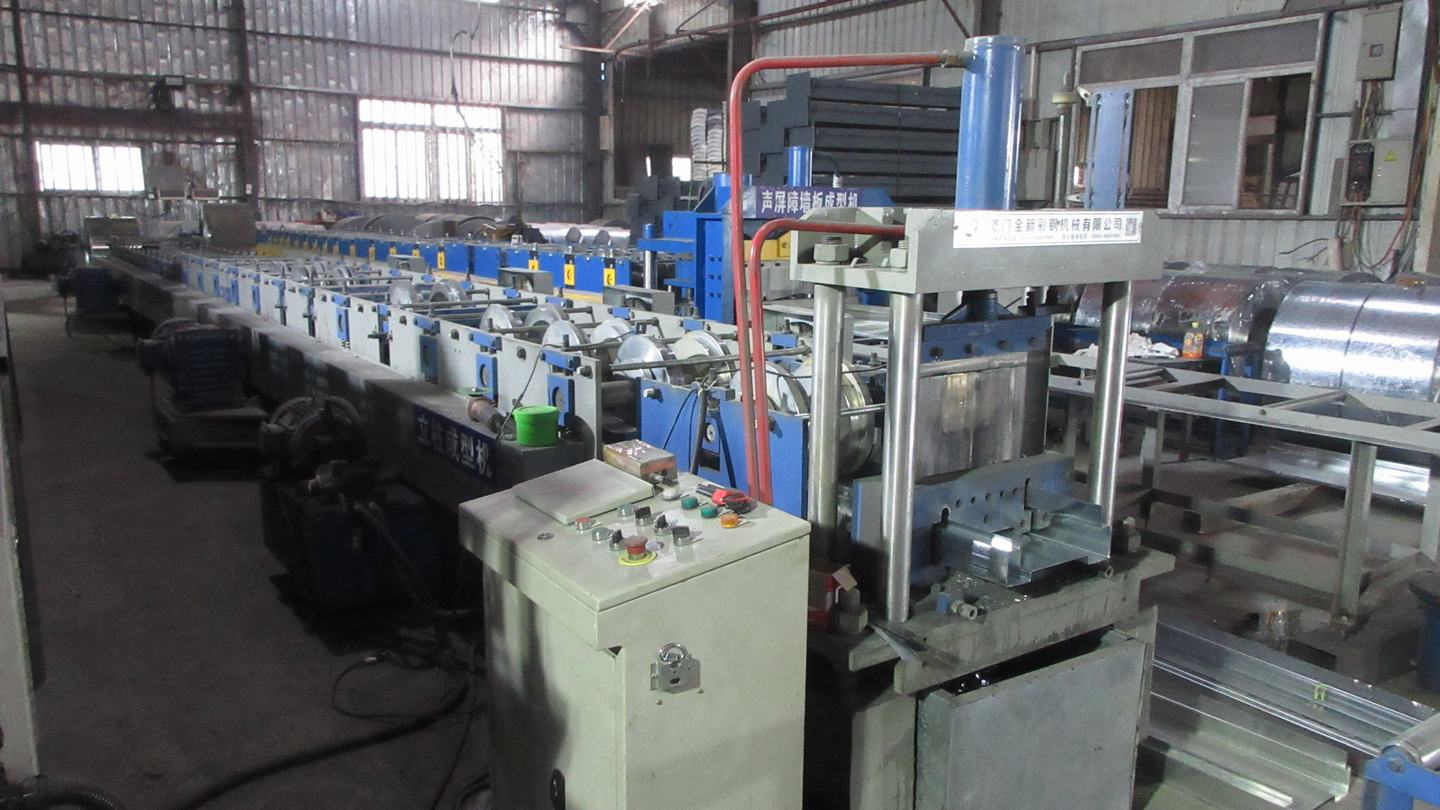
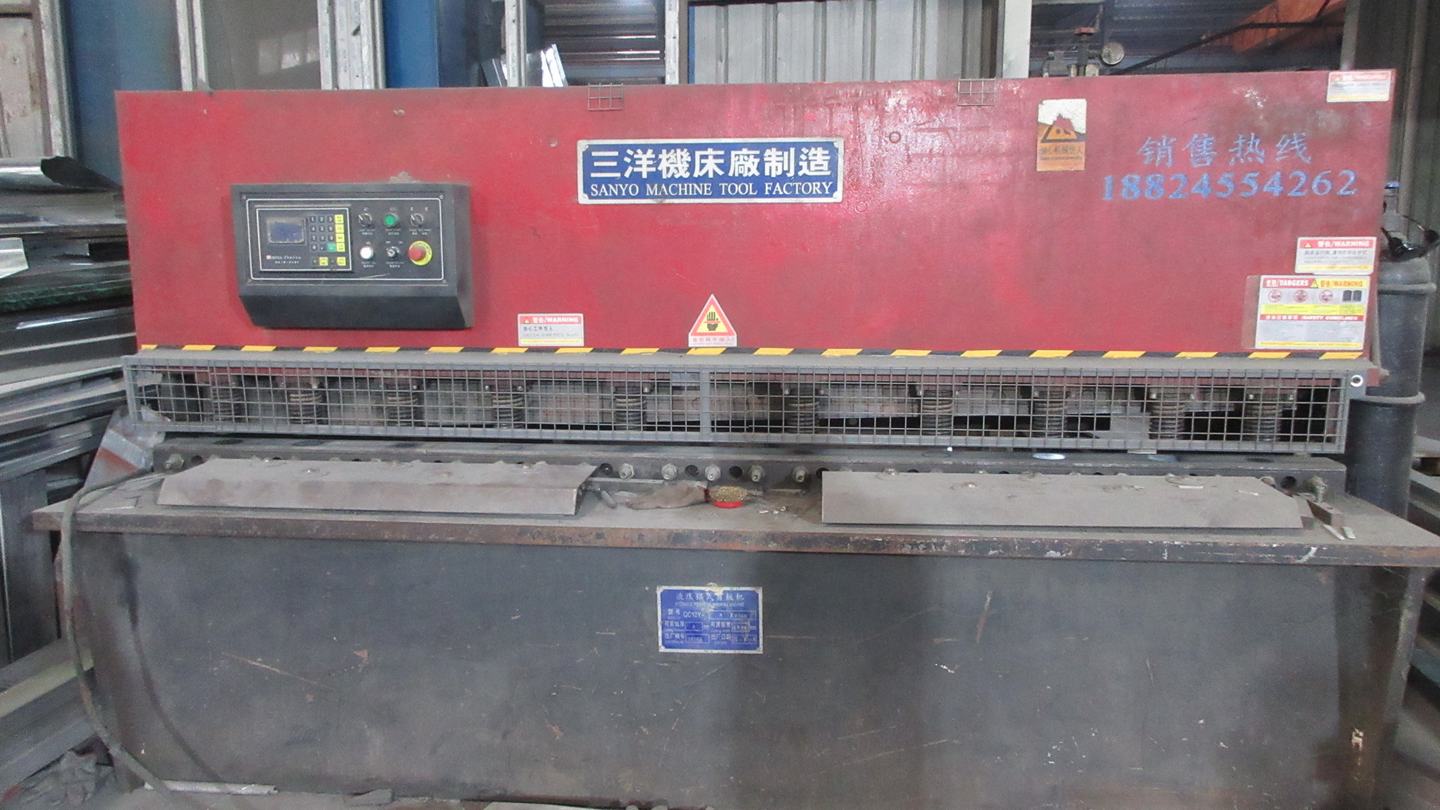
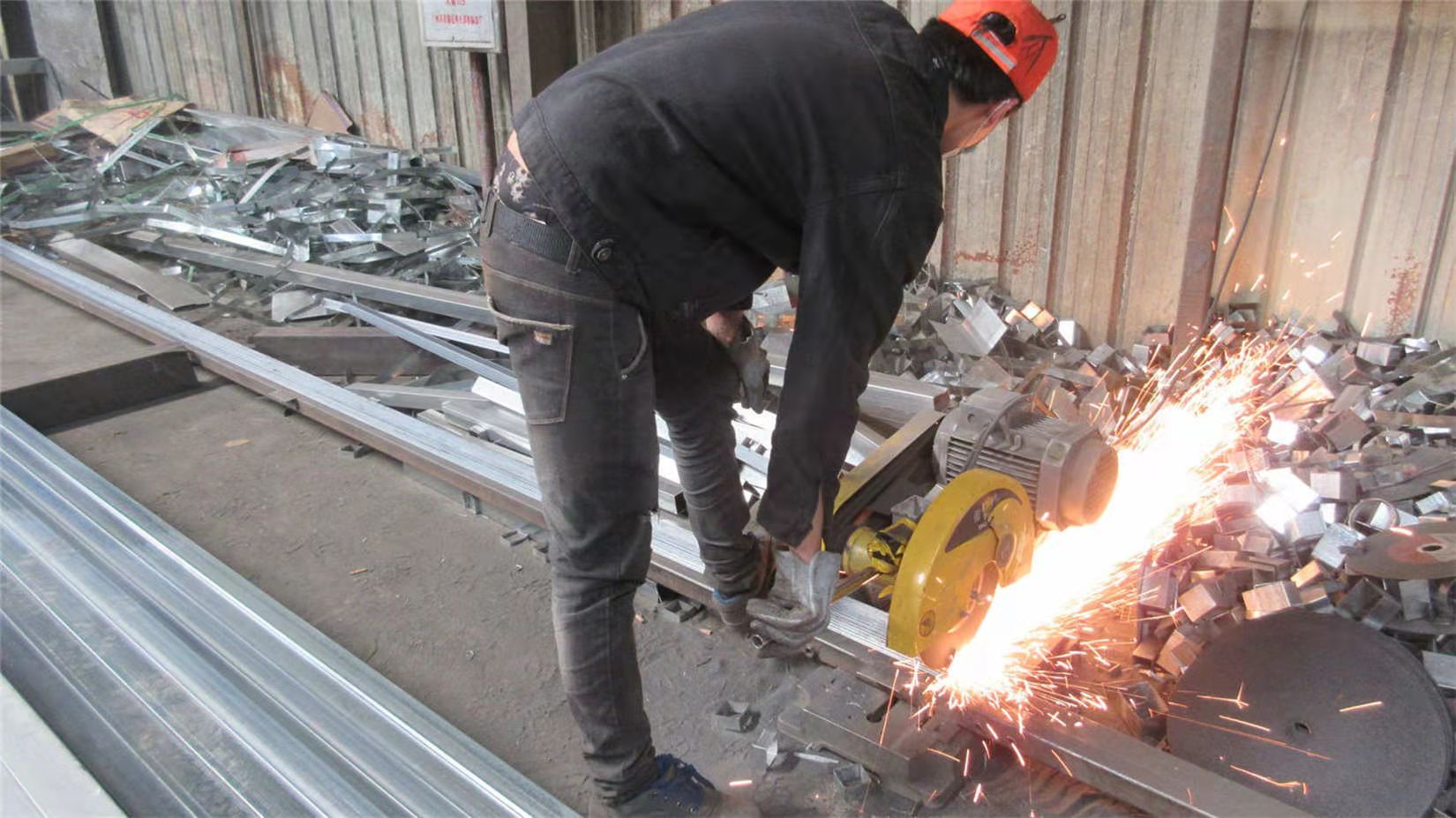
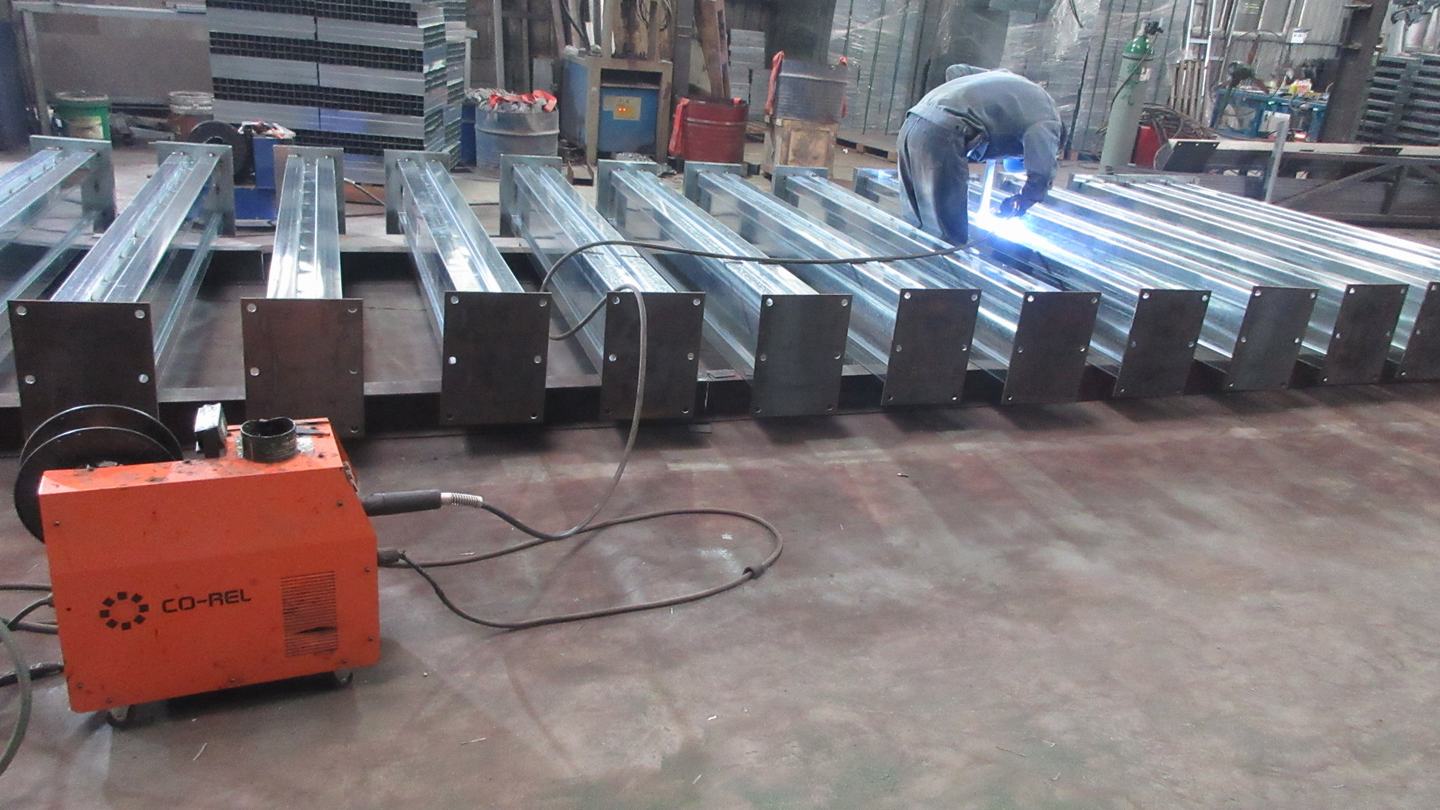
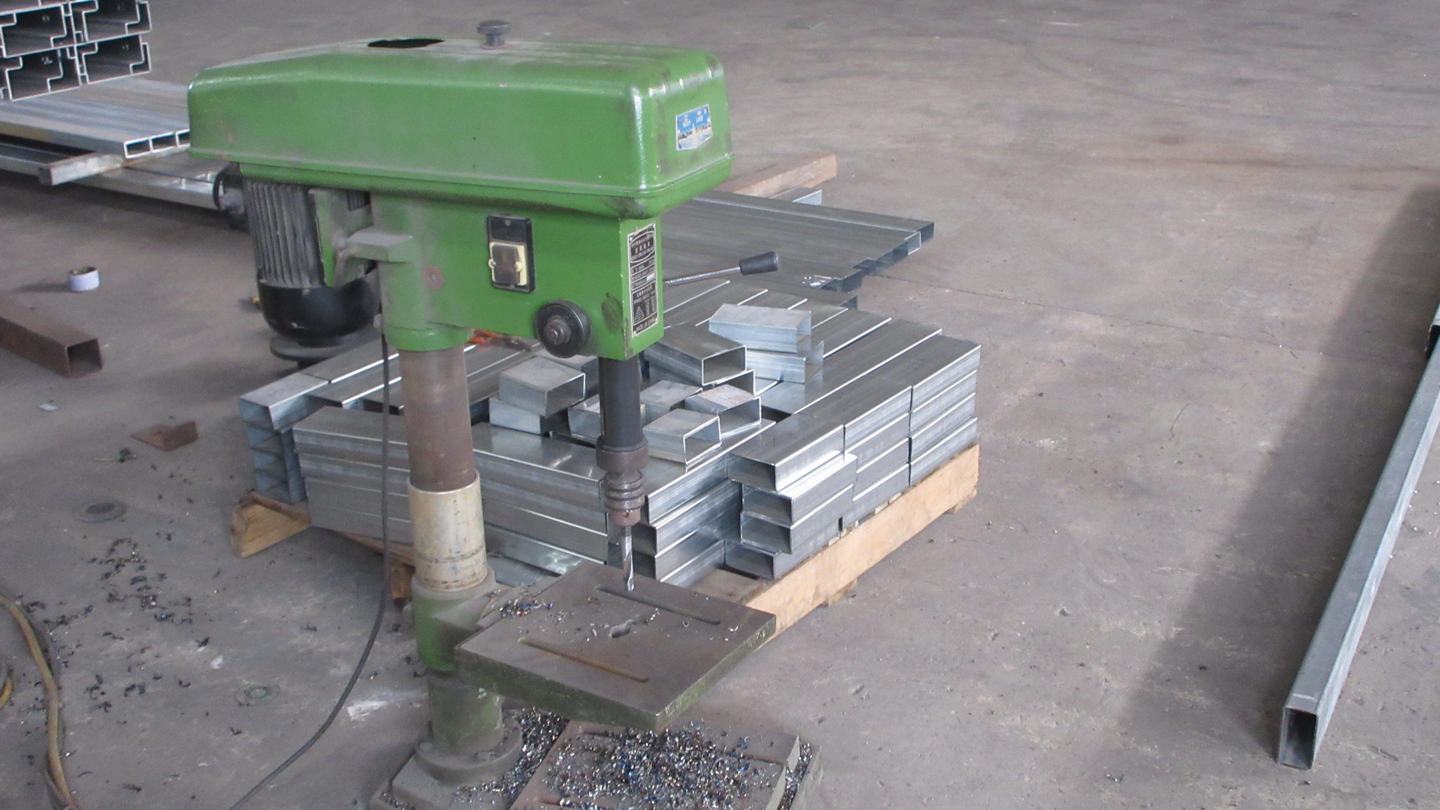
Our facility features a complete modular housing system, including small part production, allowing for rapid prototyping and custom architectural requests.
We specialize in "Containerization Optimization," ensuring that homes are designed to fit perfectly into standard shipping units, minimizing sea freight costs for the buyer.
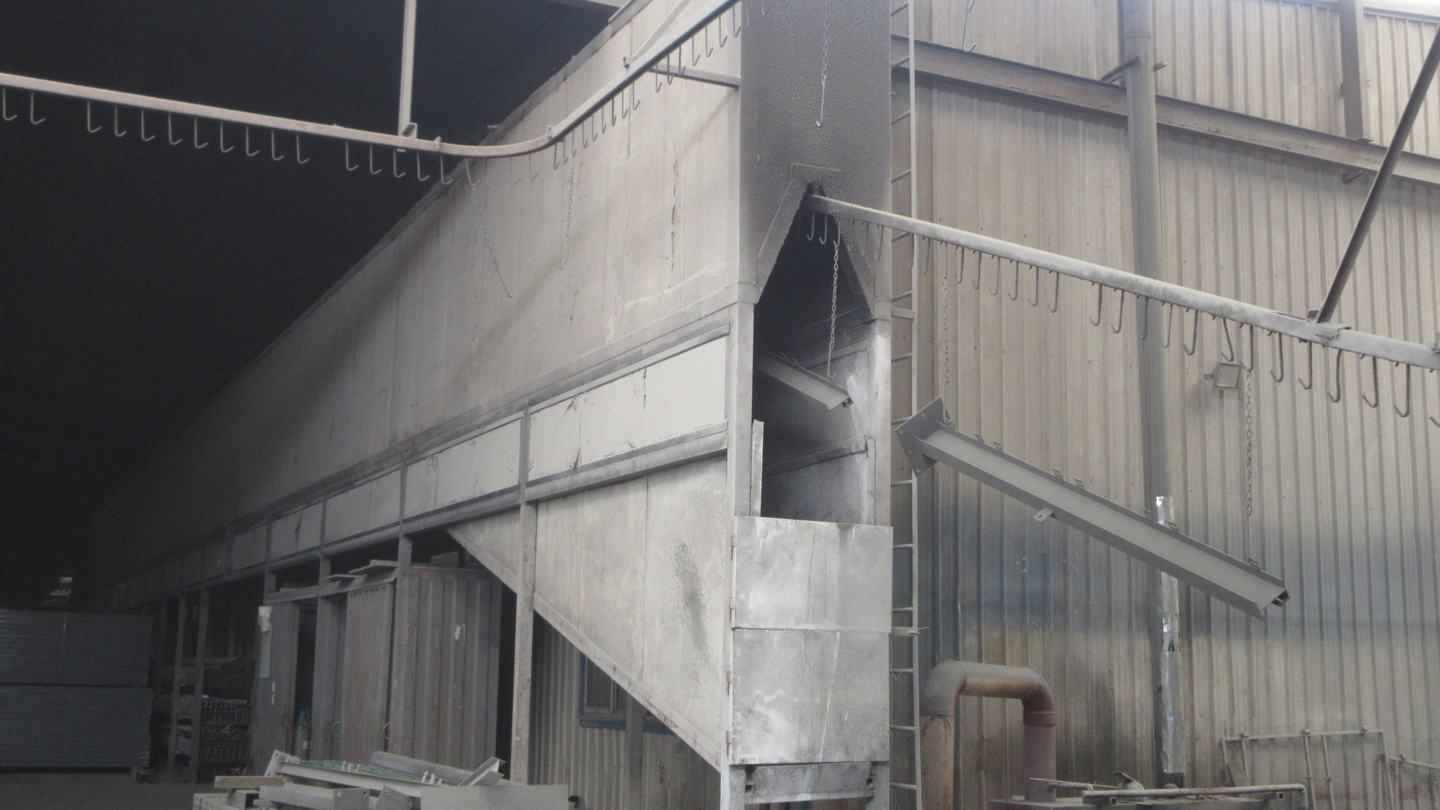
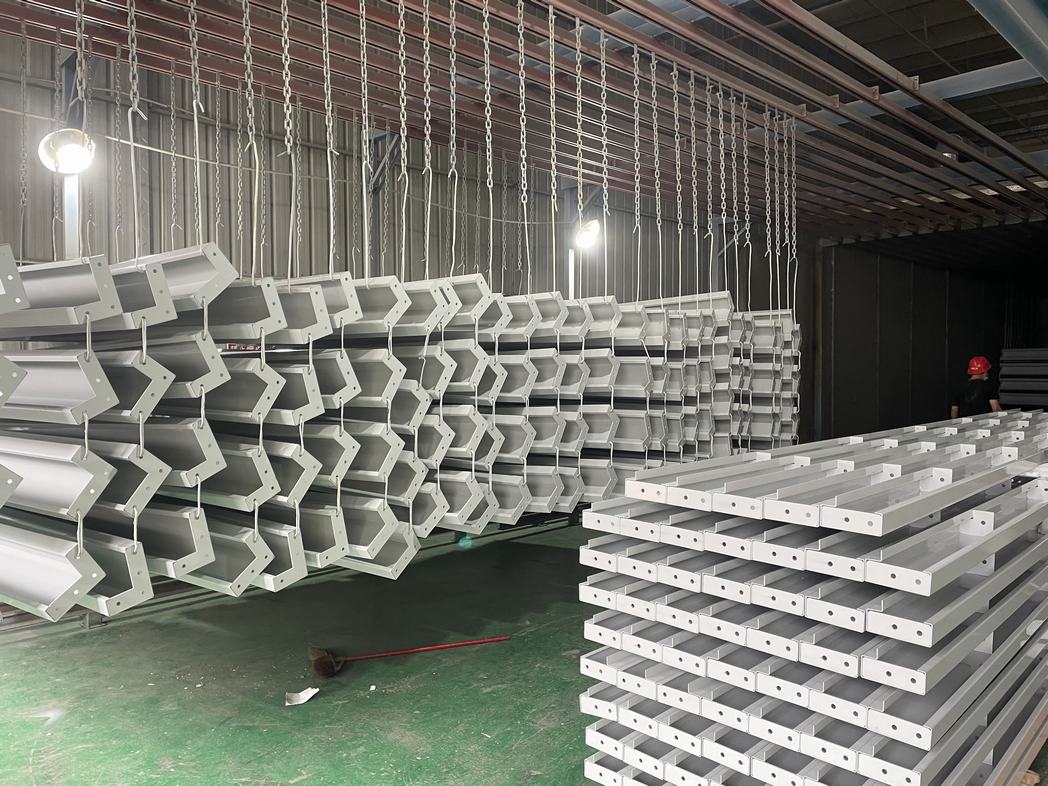
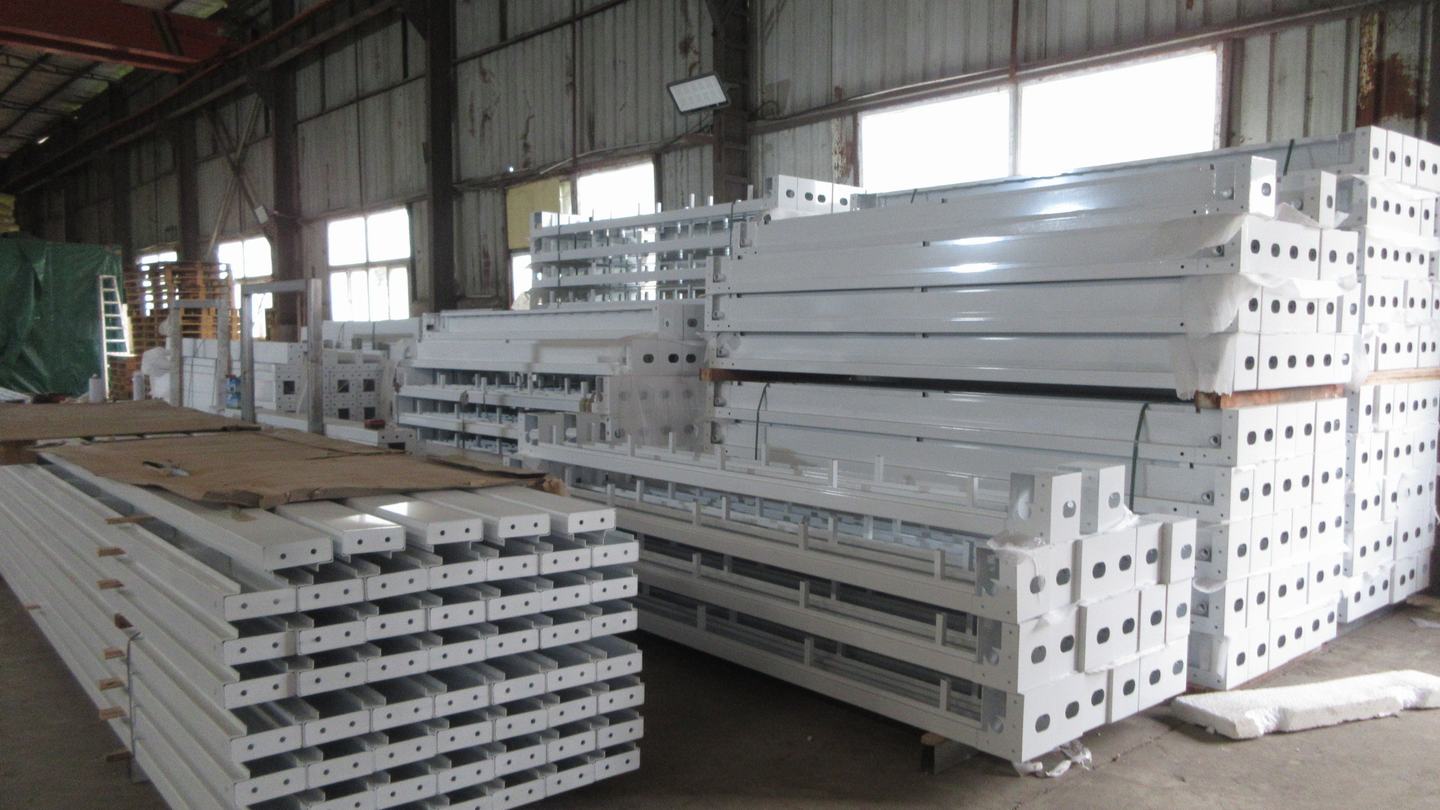
About Us: As one of the most professional prefabricated house manufacturers in south-east China, we provide customers with all kinds of integrated housing solutions. The company has a complete new modular housing R&D system, technology system, manufacturing system and operation and maintenance system. Now it has a full set of production facilities such as small parts.
The versatility of modular tiny homes allows them to serve various sectors across the globe. Understanding these scenarios helps procurement officers make informed decisions based on their specific environmental and regulatory needs.
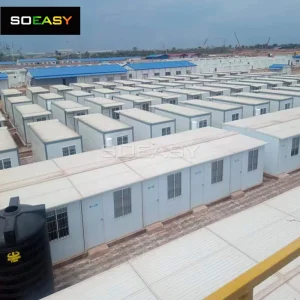
Rapidly deployable labor camps and site offices that provide high-comfort living for workers in remote areas like the Australian Outback or mining districts in Africa.
Lightweight, foldable units can be airlifted to disaster zones to provide immediate medical clinics or refugee housing within 24 hours of arrival.
Luxury beach villas and "Space Capsule" hotel units offer a high-ROI solution for resort owners who want to offer unique, Instagram-worthy accommodations.
In cities like Los Angeles or Vancouver, tiny homes serve as Accessory Dwelling Units (ADUs), providing affordable rental housing in backyards without massive construction disruption.
When international buyers look for the "Top 10 Manufacturers," they aren't just looking for a product; they are looking for a partner. B2B procurement in the tiny home industry involves complex compliance with local building codes (like AS/NZS in Australia or CE in Europe).
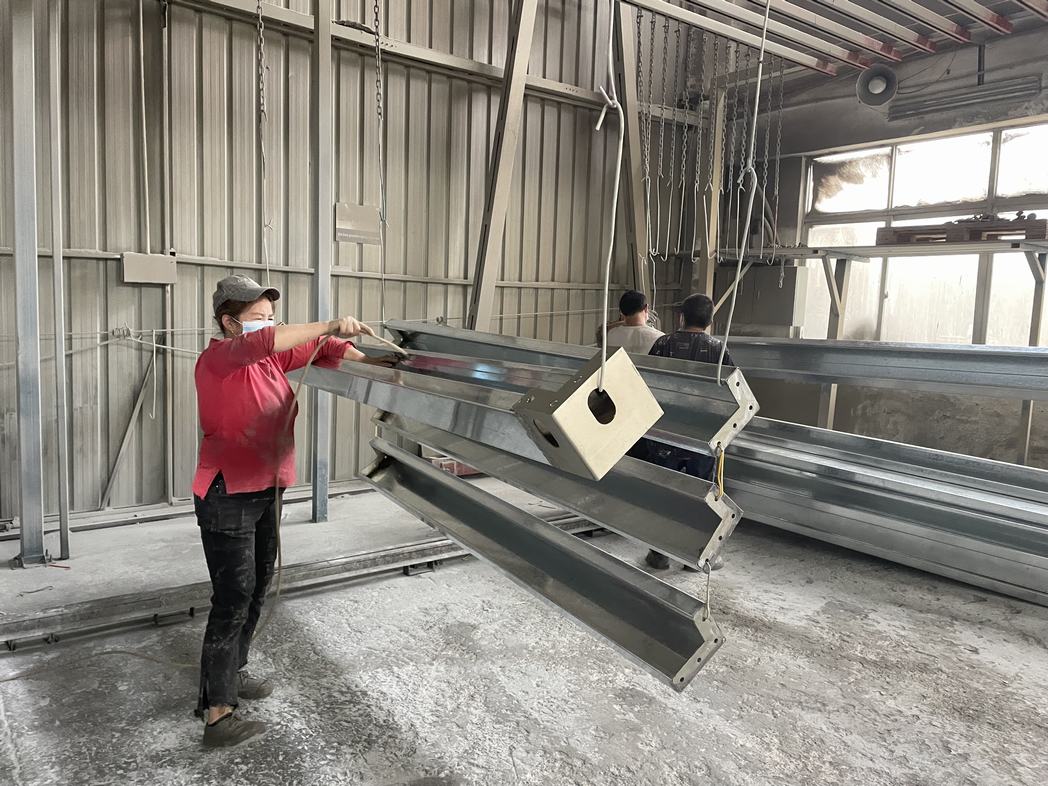
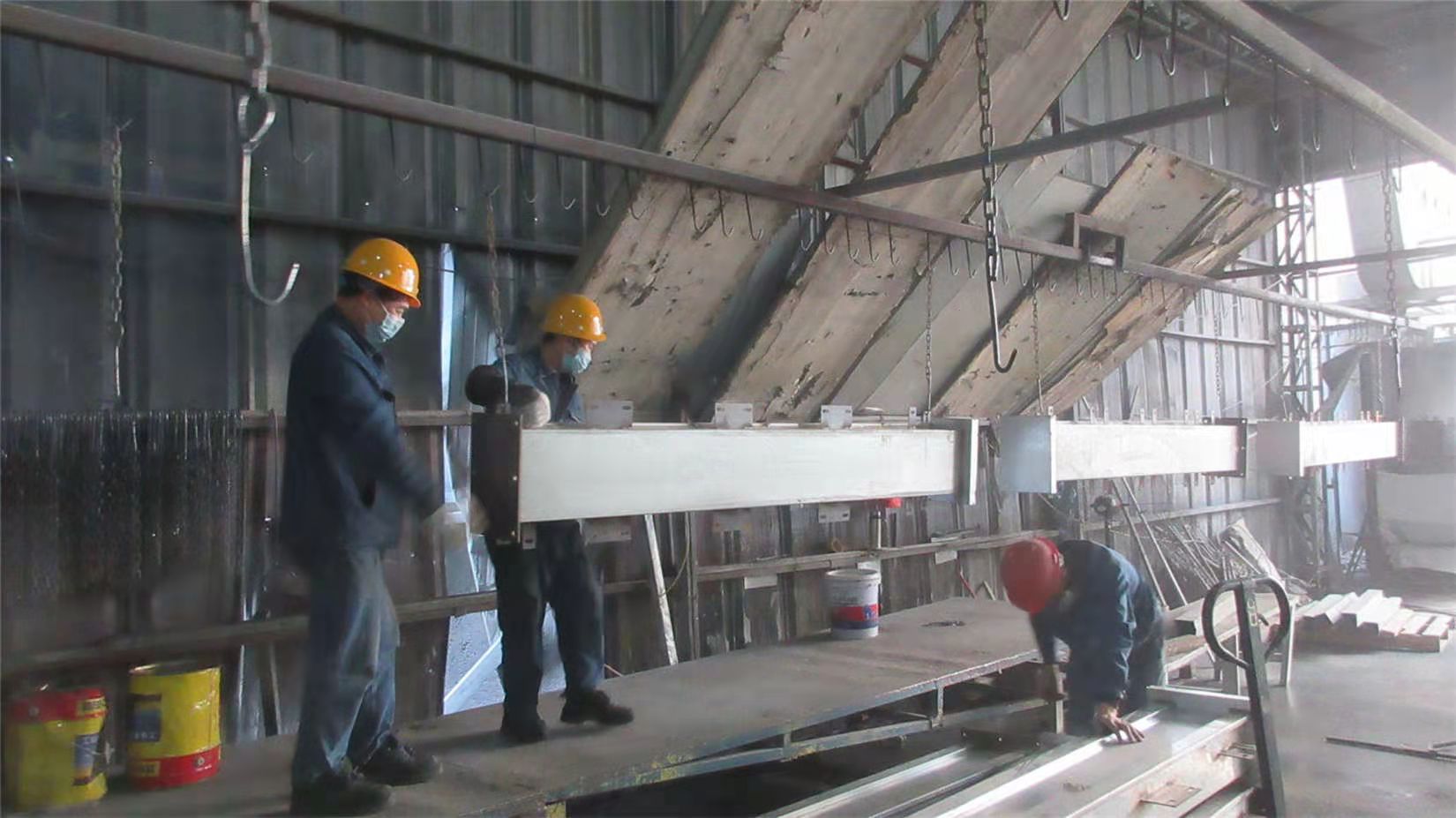
Our factory addresses these needs by offering customized modularity. This means we can adjust the electrical wiring to meet US 110V standards or Australian 240V standards right on the production line. We provide comprehensive documentation for customs and local permitting, ensuring a seamless "factory-to-foundation" experience. Expertise in material science—such as anti-corrosion coatings for coastal regions—is what separates a standard factory from an authoritative industry leader.
The title of "Top 10 Affordable Tiny Homes Manufacturer" is earned through continuous innovation and a commitment to quality. As the industry evolves toward smarter, greener, and more portable designs, we remain at the forefront of this transformation. Whether you are a real estate developer looking for a modular hotel solution or a non-profit seeking humanitarian housing, our factory provides the technical expertise and manufacturing power to bring your vision to life.
With our advanced robotics, rigorous painting processes, and comprehensive R&D, we don't just export houses; we export a new way of living that is accessible to everyone, everywhere. Explore our range of products and discover why modular is the only way forward for the global housing market.