Ruifa Modular House Ruifa Modular House

Why Choosing the Right Prefabricated Building Matters for Your Project?

Time:2026-04-13 Author:Ethan
0%

Choosing the right prefabricated building is crucial for any construction project. These structures can save time and money, yet the selection process is complex. Understanding how to choose the right prefabricated building for construction projects involves assessing various factors.

Quality matters. Consider the materials used in prefabrication. Some buildings may compromise quality for lower costs. This choice can lead to long-term issues. Examine the manufacturer’s reputation, as experienced builders often deliver superior results. Look for certifications that reflect industry standards.

Design flexibility is another essential factor. Not all buildings fit every need. Think clearly about your specific requirements. The wrong choice can lead to frustration and added expenses. Prior planning reduces the likelihood of such pitfalls. Assessing your situation allows for smarter decisions. Ultimately, the right building will enhance the overall success of your project.
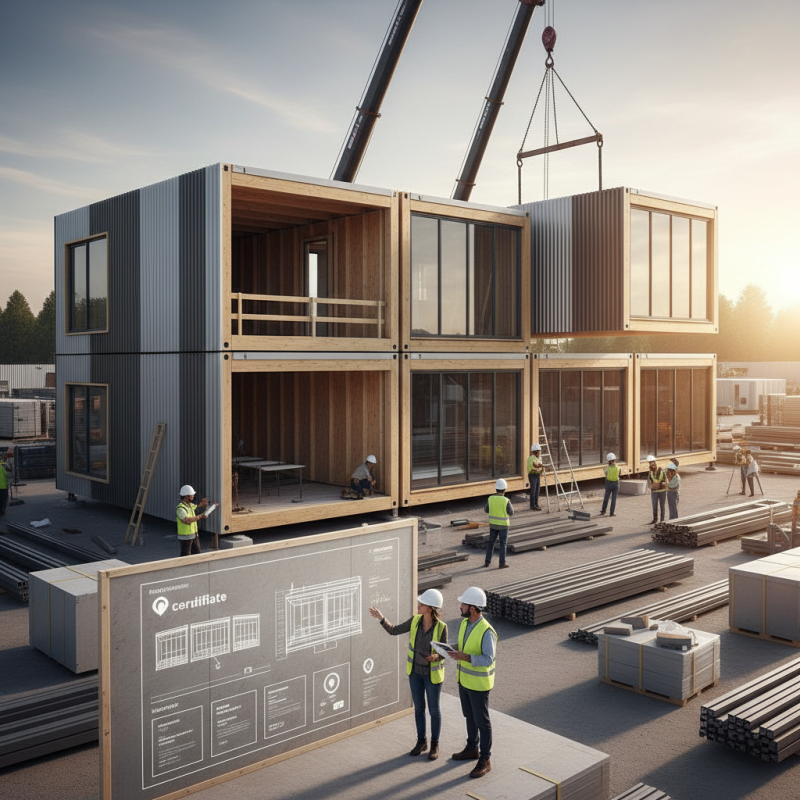
Why Choosing the Right Prefabricated Building Matters for Your Project?

Understanding Prefabricated Buildings and Their Benefits

Understanding prefabricated buildings offers valuable insights for modern construction projects. According to a report by the Modular Building Institute, the prefabricated construction market is projected to grow at a rate of 6.5% annually, highlighting its increasing acceptance. These buildings are factory-made, allowing for precision and efficiency. This results in reduced waste and shorter construction timelines, which can lead to significant cost savings.

Prefabrication also enhances construction quality. Buildings constructed off-site are less affected by weather conditions. A study from McKinsey & Company indicates that modular construction can reduce project delivery time by up to 50%. However, while the benefits are clear, not all prefabricated options are created equal. It’s crucial to evaluate the supplier's expertise and past projects. Quality control varies, and investing in lower-quality prefabricated materials may yield future regrets. Building owners should ask detailed questions and seek examples of successful projects from their chosen manufacturers to avoid pitfalls.

Key Factors to Consider When Choosing a Prefabricated Building

When choosing a prefabricated building, several key factors impact your project’s success. The purpose of the building should guide your decision. Consider the type of activities that will take place inside. This helps determine the layout and design.

Material quality is essential. The right materials ensure durability and energy efficiency. Check if the building materials are sustainable and weather-resistant. This not only saves costs but also reduces environmental impact.

Tip: Ask for samples of materials. Evaluate how they hold up against local weather conditions.

Think about customization options. Some prefabricated buildings offer flexibility in design, allowing you to tailor features to meet your needs. This could include modifications in size, layout, or interior finishes. A building that suits your vision will enhance functionality.

Tip: Document your requirements clearly. This keeps everyone aligned during the design phase.

Lastly, consider how important transportation and assembly are to you. A building that is easy to transport reduces costs and assembly time. Check feedback from previous clients on the vendor’s reliability. This information is invaluable for making an informed choice.

Tip: Discuss timelines openly. Make sure the project fits within your schedule.

The Role of Design Flexibility in Prefabricated Structures

Design flexibility is a key advantage of prefabricated structures. It allows architects and builders to customize projects according to unique requirements. This adaptability is crucial in today's fast-paced construction environment. A survey by McKinsey & Company reported that flexible designs can lead to a 20% reduction in project timelines. This is significant in a sector often criticized for delays.

Projects can vary in complexity and size. Prefabrication makes it easier to alter layouts or incorporate specific features without extensive rework. For instance, a report by the National Institute of Building Sciences shows that modular components can be modified after initial assembly. This ability to adjust saves time and resources.

However, flexibility has its challenges. Balancing customization with manufacturing efficiency can be tricky. Decisions made during the design phase can incur costs later. Builders need to reflect on these choices. Engaging with all stakeholders early in the design process is essential. It's also vital to track changes accurately. A clear communication strategy helps mitigate potential misunderstandings. Ultimately, flexibility in design is a powerful tool, but it requires thoughtful execution.

Evaluating Cost-Effectiveness of Prefabricated Options

When evaluating the cost-effectiveness of prefabricated buildings, it's important to consider long-term savings. Industry reports suggest that modular constructions can reduce costs by 10-20% compared to traditional building methods. This is primarily due to reduced labor time and waste. Furthermore, prefabricated options often lead to faster project completion. An expedited timeline can significantly decrease financing costs.

However, some may overlook maintenance costs associated with prefabricated structures. While initial investments are lower, the materials used may require more upkeep over time. A study showed that maintenance can account for nearly 30% of the total cost of ownership for these buildings. This is vital for project planners to consider. Balancing initial savings against potential long-term expenditures is crucial for financial planning.

Additionally, site-specific factors play a key role. While prefabricated buildings promise efficiency, local regulations and land preparation can impact overall costs. Unforeseen site issues can negate the benefits of prefabrication. Understanding local building codes and environmental factors is essential in avoiding costly surprises. Making informed choices can maximize the overall value of your project.

Environmental Impact and Sustainability in Prefab Building Choices

The environmental impact of prefabricated buildings is significant. Recent studies reveal that these structures can reduce waste by up to 90%. This reduction stems from precise manufacturing processes, minimizing excess materials. Less on-site waste contributes to lower landfill dependency.

Sustainability is another crucial factor in prefabricated construction. Research indicates that energy-efficient designs can lower operational energy use by 30%. Companies are increasingly prioritizing eco-friendly materials, such as recycled steel and sustainable wood. However, not all prefabricated options provide these benefits. It is essential to evaluate each choice carefully.

Yet, considerations extend beyond just materials. Transportation emissions can offset some environmental benefits. A report from the International Energy Agency states that logistics contribute significantly to a building’s overall carbon footprint. Therefore, it's critical to weigh the entire lifecycle of a prefabricated building before making decisions.

Environmental Impact of Prefabricated vs. Traditional Buildings

FAQS

: What are prefabricated buildings?

: Prefabricated buildings are factory-made structures assembled on-site. They are efficient and precise.

How can prefabricated buildings save costs?

They reduce waste and shorten construction timelines. This efficiency can lead to significant cost savings.

What is the impact of weather on prefabricated buildings?

These buildings are less affected by weather conditions. This enhances overall construction quality.

How does design flexibility benefit prefabricated structures?

It allows customization according to specific requirements. Tailoring projects can lead to faster completion.

What should I consider when choosing a prefabricated supplier?

Evaluate the supplier’s expertise and past projects. Quality control varies, so research is important.

Can prefabricated designs be modified after assembly?

Yes, modular components can be adjusted post-assembly. This adaptability saves time and resources.

How does prefabrication impact sustainability?

It can reduce waste by up to 90% and lower energy use. Each choice should be evaluated for eco-friendliness.

What are challenges of design flexibility?

Balancing customization with efficiency can be tricky. Decisions made early may lead to costs later.

How do transportation emissions affect prefab sustainability?

Transportation emissions can offset environmental gains. Consider the entire lifecycle of the building.

What role does communication play in prefabricated projects?

Clear communication helps avoid misunderstandings. Engaging stakeholders early is essential for effective changes.

Conclusion

Choosing the right prefabricated building for construction projects is crucial for ensuring the success and efficiency of the overall endeavor. Understanding the unique benefits of prefabricated structures, such as reduced construction time and cost-effectiveness, lays the groundwork for informed decision-making. Key factors to consider include design flexibility, which allows for customization, and the economic viability of various options.

Additionally, evaluating the environmental impact and sustainability of prefabricated buildings plays an essential role in making responsible construction choices. By focusing on these elements, stakeholders can confidently navigate the selection process, ultimately leading to a more sustainable and efficient project outcome.

Ethan

Ethan

Ethan is a seasoned marketing professional with a deep expertise in our company's innovative product line. With a passion for sharing knowledge and insights, he takes the lead in regularly updating our corporate blog, where he explores industry trends, product features, and effective marketing......